
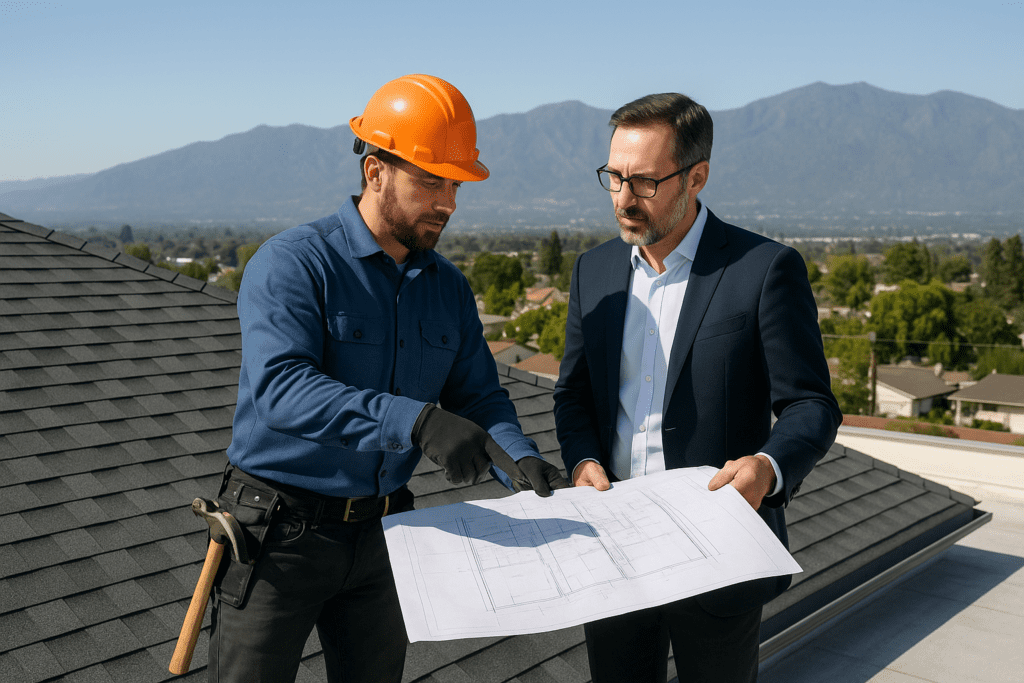
Essential Factors to Evaluate When Selecting Your Commercial Roofing Contractor for Success
When it comes to safeguarding your business property with a reliable roof, understanding what are the key factors to consider when choosing a commercial roofing contractor is crucial. The right contractor ensures not only the durability and longevity of your roof but also the safety and aesthetics of your building. Selecting a competent contractor requires evaluating their experience, reputation, and adherence to local regulations. This guide will help you make an informed decision to ensure your commercial roofing project is a success.

Key Takeaways
- Evaluate the contractor’s experience and reputation to ensure quality service.
- Understand the importance of proper licensing and insurance in California.
- Consider the contractor’s expertise in handling your specific roofing needs.
- Compare estimates and proposals carefully to avoid unexpected costs.
- Ensure clear communication and comprehensive warranties for peace of mind.
Evaluating Contractor Experience and Reputation
Importance of Experience in Commercial Roofing
Choosing a roofing contractor with extensive experience in commercial projects is vital. Experienced contractors have a proven track record and can handle unexpected challenges that may arise during the installation or repair process. They are familiar with various commercial roofing types and can advise on the best options for your specific needs. Contractors with at least 10 years of experience are preferable, as they bring a depth of knowledge that can prevent costly mistakes.
For instance, a contractor well-versed in flat roofing options can recommend the most suitable materials for your business, considering factors like energy efficiency and maintenance. Experienced contractors are also more likely to have established relationships with suppliers, potentially saving you money on materials.
Checking References and Reviews
Before making a decision, it’s essential to check the contractor’s references and online reviews. Speak with previous clients to understand their experience with the contractor. Ask about the quality of work, timeliness, and how the contractor handled any issues. Online platforms like Google Reviews, Yelp, and the Better Business Bureau can provide additional insights into the contractor’s reputation.
Pay close attention to how the contractor has handled past projects similar to yours. For example, if you’re considering a contractor for a metal roofing project, ensure they have relevant experience and positive feedback in that area. This step can help you avoid contractors with a history of unsatisfactory work or unresolved complaints.
Industry Certifications and Affiliations
Industry certifications and affiliations are indicators of a contractor’s commitment to professionalism and ongoing education. Look for certifications from organizations like the National Roofing Contractors Association (NRCA) or the Roofing Contractors Association of California (RCAC). These affiliations suggest that the contractor adheres to industry standards and best practices.
Additionally, many manufacturers offer certifications to contractors who have completed specialized training for their products. For instance, a manufacturer-certified contractor for TPO or EPDM roofing systems demonstrates expertise in installing those materials, ensuring your roof performs as expected.
Understanding Licensing, Insurance, and Compliance
California Licensing Requirements
In California, roofing contractors must hold a valid C-39 license issued by the Contractors State License Board (CSLB). This license ensures that the contractor meets the state’s professional and ethical standards. Verify the contractor’s license status on the CSLB website to confirm its validity and check for any disciplinary actions.
Licensed contractors are also more likely to adhere to permit requirements and local building codes, reducing the risk of fines or project delays. Ensuring your contractor is properly licensed protects you legally and ensures the safety and quality of the work performed.
The Role of Insurance in Protecting Your Business
Insurance is a critical factor when selecting a commercial roofing contractor. A reputable contractor should carry both general liability insurance and workers’ compensation insurance. General liability insurance protects your property in case of accidental damage during the project, while workers’ compensation covers any injuries sustained by workers on your property.
Request proof of insurance and verify it with the insurance provider. Without proper insurance, you could be held liable for damages or injuries, leading to significant financial repercussions. It’s worth noting that roof leak repairs and other maintenance tasks come with inherent risks, making proper insurance non-negotiable.
Adhering to Safety and Compliance Standards
Safety should always be a top priority in any commercial roofing project. Verify that your contractor follows Occupational Safety and Health Administration (OSHA) guidelines and has a comprehensive safety plan. This includes providing proper safety equipment, conducting regular safety meetings, and having protocols in place for emergencies.
Compliance with safety standards not only protects workers but also minimizes the risk of accidents that could lead to project delays or additional costs. Contractors who prioritize safety are often more reliable and professional, ensuring a smoother overall project experience.
Comparing Proposals and Pricing
Understanding Detailed Proposals
When comparing proposals from different contractors, focus on the details rather than just the bottom line. A comprehensive proposal should include a breakdown of materials, labor costs, timelines, and any additional services such as cleanup or waste disposal. Be wary of vague estimates that lack specificity, as these can lead to unexpected costs down the line.
It’s also important to evaluate the scope of work outlined in each proposal. Ensure that all necessary tasks, such as routine maintenance or inspections, are included. A detailed proposal reflects the contractor’s thoroughness and reliability, providing a clearer picture of the project’s true cost.
Price vs. Value: Making the Right Choice
While cost is an important consideration, it should not be the sole factor in your decision. The cheapest option may not always provide the best value. Instead, look for a balance between price and quality. Consider the contractor’s experience, reputation, and the warranties offered on their work.
To help you compare, here’s a table highlighting key differences between low-cost and value-focused contractors:
| Aspect | Low-Cost Contractor | Value-Focused Contractor |
|---|---|---|
| Experience | Limited, often less than 5 years | Extensive, typically 10+ years |
| Materials | Basic, lower quality | High-grade, durable options |
| Warranty | Minimal or none | Comprehensive, long-term coverage |
| Reputation | Mixed, with some negative reviews | Strong, with positive client feedback |
| Safety Protocols | Basic, often overlooked | Advanced, regularly enforced |
Investing in a contractor who offers better value can lead to long-term savings by avoiding potential issues and costly repairs in the future. It’s crucial to understand the pricing factors involved in commercial roofing to make an informed choice.
Negotiating Terms and Conditions
Once you’ve narrowed down your options, don’t hesitate to negotiate the terms and conditions of the contract. Discuss payment schedules, project timelines, and any specific requirements you may have. Clear communication from the beginning helps prevent misunderstandings and ensures both parties are on the same page.
Ensure that all agreements are documented in writing, including any changes made during negotiations. A detailed contract protects your interests and provides a reference point if disputes arise. Additionally, confirm that the contractor’s schedule aligns with your business operations to minimize disruption.
Frequently Asked Questions
Why is it important to hire a licensed contractor?
Hiring a licensed contractor ensures that they have met the necessary professional standards and are qualified to perform roofing work in California. It also provides legal protection and assurance of compliance with local building codes.
What should I look for in a roofing proposal?
A comprehensive roofing proposal should include detailed costs for materials and labor, a clear timeline, and specifics on the scope of work. It should also outline warranties, cleanup procedures, and any additional services provided.
How do I verify a contractor’s insurance coverage?
Request proof of insurance directly from the contractor and contact the insurance provider to confirm the policy’s validity and coverage limits. Ensure they have both general liability and workers’ compensation insurance.
What warranties should a roofing contractor offer?
A reputable contractor should offer warranties on both materials and workmanship. Look for warranties that cover a substantial period, and ensure you understand the terms and conditions, including what is and isn’t covered.
Conclusion
Choosing the right commercial roofing contractor involves understanding what are the key factors to consider when choosing a commercial roofing contractor. By evaluating experience, checking references, ensuring proper licensing and insurance, and carefully comparing proposals, you can select a contractor that meets your business’s needs and budget. A well-chosen contractor not only provides a high-quality roof but also ensures the long-term protection and performance of your commercial property. For more insights on commercial roofing solutions, visit our website and explore our comprehensive resources.
