Cost Comparison of Commercial Roofing Materials for Your Business
Choosing the right roofing material is crucial for the longevity and cost-efficiency of your commercial property. In this comprehensive guide, we will provide a detailed cost comparison of commercial roofing materials to help you make an informed decision. Whether you’re in the market for durable options or cost-effective solutions, understanding the pros and cons of each material can significantly impact your bottom line. To dive deeper into various roofing solutions, you can explore our Commercial Roofing Pillar Page.
Key Takeaways
- Understanding the cost comparison of commercial roofing materials can help you choose the best option for your business needs.
- Each roofing material varies in cost, durability, and maintenance requirements.
- Climate, building structure, and budget are crucial factors in selecting a roofing material.
- Explore a detailed cost analysis and practical tips for each material type.
- Leverage internal resources like our Commercial Roofing Materials Comparison Guide for further insights.
Understanding Costs of Different Commercial Roofing Materials
Asphalt Shingles: Affordable Yet Effective
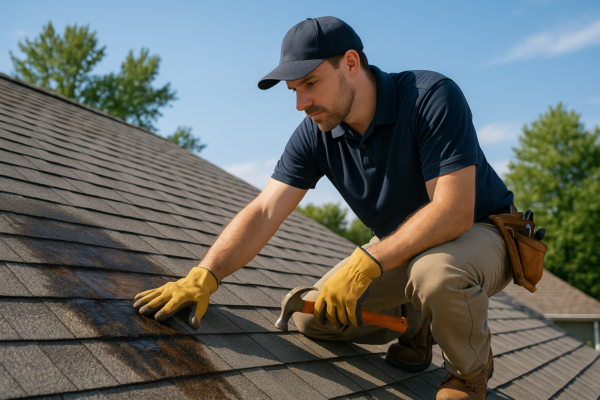
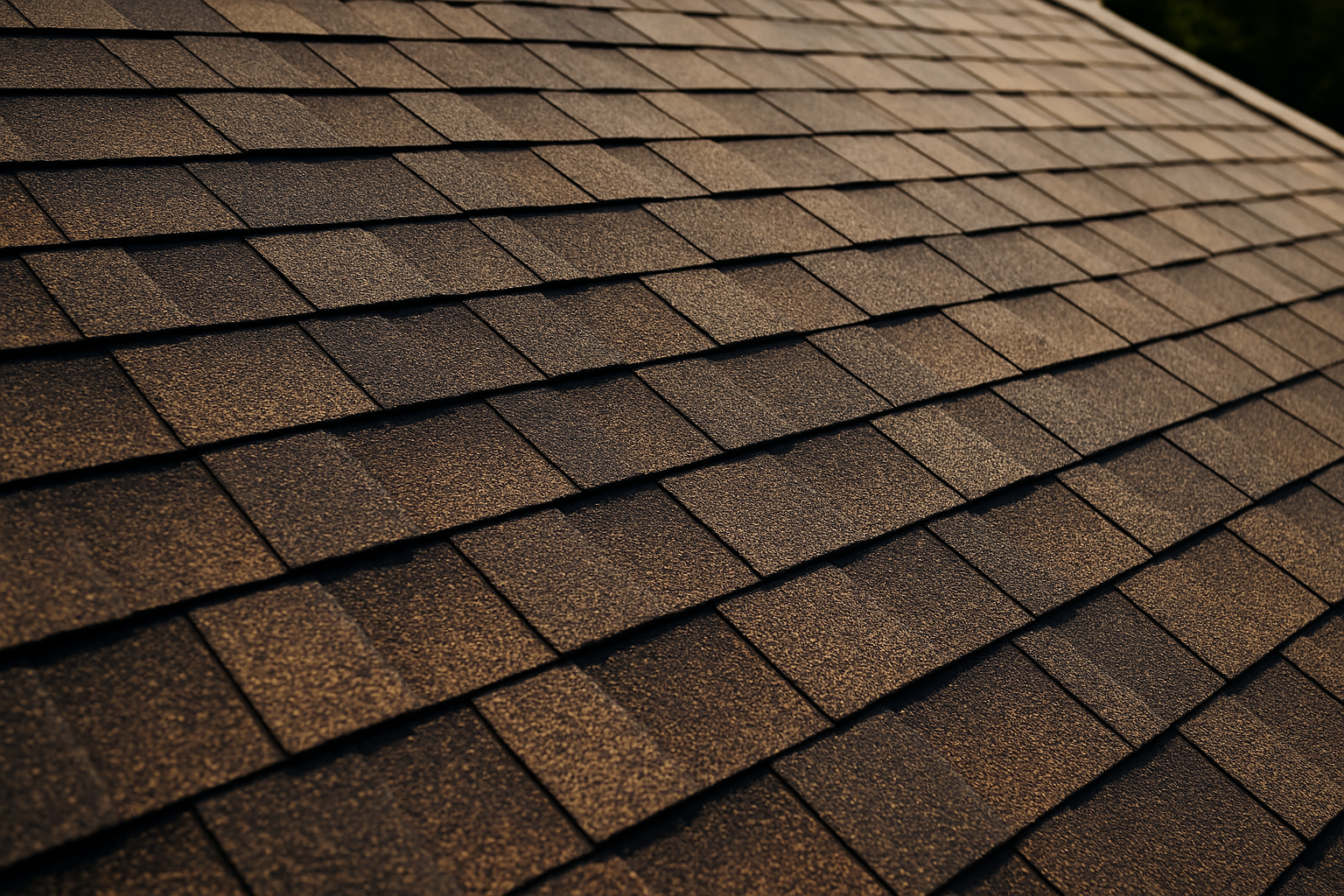
Asphalt shingles are one of the most common roofing materials due to their affordability and ease of installation. Priced between $3 to $5 per square foot, they offer a cost-effective solution for businesses on a budget. However, while they are economical upfront, they may require more frequent repairs compared to other materials. For instance, in Southern California, asphalt shingles can be susceptible to UV damage, necessitating periodic roof leak repairs.
When considering asphalt shingles, it’s important to factor in their lifespan, which typically ranges from 15 to 30 years. Regular maintenance can extend their life, but potential costs for repairs should be anticipated. For a deeper dive into the cost implications of commercial roofing, consider researching specific regional data.
Metal Roofing: Durable and Energy Efficient
Metal roofing is renowned for its durability and energy efficiency, making it a popular choice for businesses looking to reduce long-term costs. With prices ranging from $7 to $12 per square foot, metal roofs offer a significant return on investment over time due to their lifespan of 40 to 70 years. The reflective properties of metal roofing can also help reduce cooling costs, which is particularly beneficial in the hot climates of Southern California.
Additionally, metal roofs are highly resistant to weather-related damage, including wind and fire, which can lower insurance premiums. For more information on the benefits and options of metal roofing, you can explore our Metal Roofing Benefits Page.
Single-Ply Membranes: Versatile and Cost-Effective
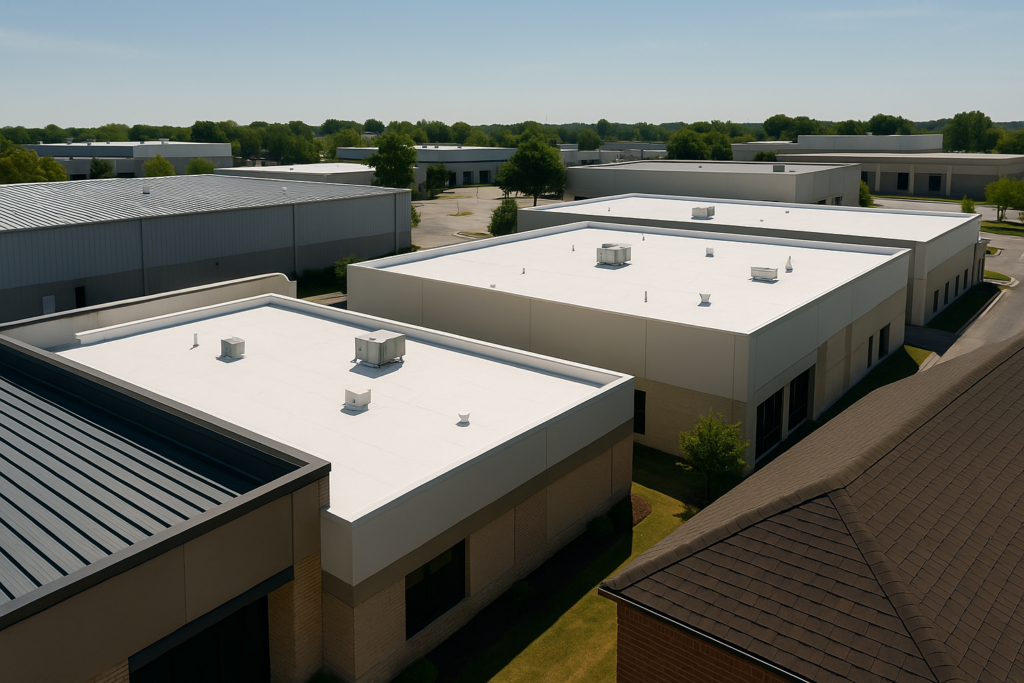
Single-ply membranes, such as TPO and EPDM, offer versatility and cost-effectiveness, particularly for flat roofs. Priced at approximately $5 to $8 per square foot, these materials provide excellent waterproofing properties and are relatively easy to install. TPO, in particular, is known for its energy efficiency, which makes it a suitable choice for businesses looking to minimize energy consumption.
EPDM, on the other hand, is appreciated for its resilience and ease of maintenance. However, selecting between TPO and EPDM depends on specific business needs and climatic conditions. For a comprehensive comparison of flat roofing options, visit our Flat Roofing Options Page.
Factors Influencing Roofing Costs
Material Longevity and Maintenance
The longevity of roofing materials significantly impacts their overall cost-effectiveness. While materials like metal offer extended lifespans and minimal maintenance, others like asphalt shingles may incur additional repair costs over time. Evaluating the expected lifespan and maintenance demands of each material is crucial in making a cost-efficient choice.
For instance, while metal roofs may have a higher initial cost, their durability often results in lower long-term expenses. In contrast, asphalt shingles, though initially cheaper, may require frequent maintenance and repairs, increasing their overall cost.
Climate Considerations
Climate plays a pivotal role in the performance and cost of roofing materials. In Southern California, where temperatures can soar, choosing a roofing material with high energy efficiency is beneficial. Metal and TPO roofs are excellent in reflecting sunlight and reducing cooling costs, making them ideal for hot climates.
Conversely, materials like EPDM are better suited for cooler climates due to their heat absorption properties. Understanding regional climate conditions and how different roofing materials respond can guide you in selecting the most suitable option for your business.
Installation and Labor Costs
The complexity of installation and associated labor costs can vary significantly between roofing materials. While materials like asphalt shingles are simpler to install, hence lowering labor costs, others like metal may require specialized labor, increasing installation expenses.
It’s important to factor in these costs when comparing roofing materials to ensure that the total expenditure aligns with your budget. For businesses concerned about upfront costs, exploring cost-effective roofing options can provide valuable insights into affordable choices.
Comparison Table of Commercial Roofing Materials
| Material | Cost per Square Foot | Average Lifespan |
|---|---|---|
| Asphalt Shingles | $3 – $5 | 15 – 30 years |
| Metal Roofing | $7 – $12 | 40 – 70 years |
| Single-Ply Membranes (TPO/EPDM) | $5 – $8 | 20 – 35 years |
| Built-Up Roofing (BUR) | $4 – $7 | 15 – 30 years |
| Modified Bitumen | $4 – $8 | 10 – 20 years |
Practical Tips for Selecting Roofing Materials
Consider Your Long-Term Goals
When selecting a roofing material, it’s essential to consider your long-term business goals. A more expensive upfront investment like metal roofing can lead to savings over time due to lower maintenance costs and energy savings. On the other hand, if your business plans to relocate or expand soon, a less expensive material like asphalt shingles might be more practical.
- Assess the average lifespan of each material in relation to your business plans.
- Consider potential energy savings from materials like TPO or metal.
- Factor in maintenance and repair costs over the roof’s lifespan.
Evaluate Environmental Impact
Environmental considerations are becoming increasingly important in commercial roofing decisions. Materials like metal and TPO are often more sustainable choices due to their recyclability and energy efficiency. Choosing roofing options that align with environmental goals can also enhance your business’s reputation and contribute to sustainability efforts.
For businesses interested in reducing their environmental footprint, exploring energy-saving roofing materials can provide significant benefits.
Consult with a Professional
Finally, consulting with a professional roofing contractor is invaluable in making an informed decision. An expert can provide insights into material performance, cost considerations, and suitability for your specific building and climate. Professional guidance ensures that you select a roofing material that aligns with your business goals and budget.
To learn more about the various types of commercial roofing materials and their specific benefits, visiting a dedicated resource can enhance your understanding.
Frequently Asked Questions
What is the most cost-effective commercial roofing material?
The most cost-effective commercial roofing material depends on your specific needs and budget. Asphalt shingles are generally the least expensive upfront, while metal roofing offers long-term savings due to its durability and low maintenance costs. Evaluating both initial and long-term expenses is crucial in determining cost-effectiveness.
How does climate affect commercial roofing material choice?
Climate significantly influences the performance and suitability of roofing materials. In hot climates like Southern California, materials that reflect sunlight, such as metal and TPO, can reduce cooling costs. Conversely, EPDM is more suitable for cooler climates due to its heat absorption properties.
What are the benefits of investing in durable roofing materials?
Investing in durable roofing materials, such as metal or high-quality single-ply membranes, can result in lower long-term costs due to reduced maintenance and repair needs. Additionally, durable materials often offer better protection against weather-related damage, potentially lowering insurance premiums.
Can I install a new roof myself to save costs?
While DIY roofing might seem like a cost-saving measure, it’s generally not recommended for commercial properties. Professional installation ensures that the roofing material is applied correctly, optimizing its lifespan and performance. Additionally, improper installation can lead to costly repairs and potential safety hazards.
Conclusion
Understanding the cost comparison of commercial roofing materials is essential for making informed decisions that align with your business goals and budget. Each material offers unique benefits and challenges, from the affordability of asphalt shingles to the durability and energy efficiency of metal roofing. By considering factors such as climate, material longevity, and installation costs, you can select a roofing solution that provides the best value for your commercial property. For further insights and expert guidance, explore our resources on commercial roofing materials.