Flat Roof Waterproofing Solutions That Last
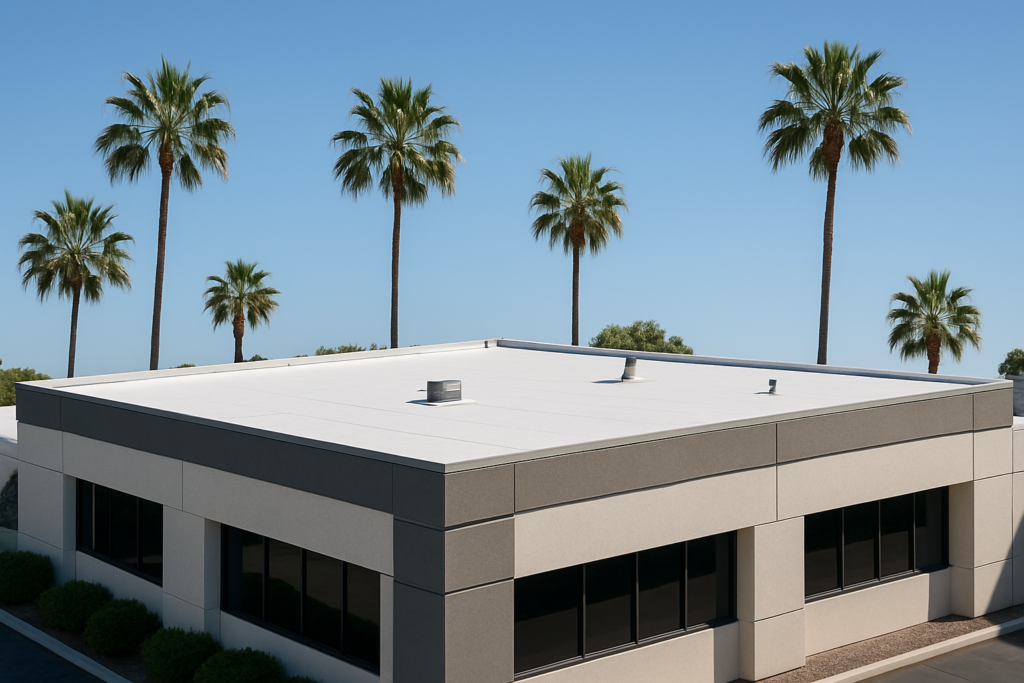
When it comes to maintaining commercial buildings, choosing the right flat roof waterproofing solutions is crucial for longevity and protection against the elements. In Southern California’s diverse climate, building owners must consider solutions that withstand various weather conditions while ensuring cost-effectiveness and durability. This guide will explore the best waterproofing options available, helping you make an informed decision for your property.
Key Takeaways
- Effective flat roof waterproofing solutions protect against leaks and environmental damage.
- Consider factors such as material longevity, cost, and maintenance needs.
- Consulting professionals can help tailor solutions to your specific needs and budget.
- Comparing different waterproofing methods can highlight the best choice for your building.
- Regular inspections and maintenance extend the lifespan of your waterproofing system.
Understanding Flat Roof Waterproofing Options
Liquid Applied Membranes: A Versatile Choice
Liquid applied membranes are among the most versatile flat roof waterproofing solutions available today. Typically made from elastomeric coatings, these membranes are applied as a liquid and solidify to form a seamless, durable barrier. This solution is ideal for flat roofs with complex geometries or numerous penetrations, such as HVAC units or skylights.
The application process of liquid membranes is relatively straightforward, allowing for quick installation and minimal disruption to building operations. In Southern California, where UV exposure is high, these membranes offer excellent resistance to solar radiation, further enhancing their durability.
While the initial cost can range from $3 to $6 per square foot, the longevity and low maintenance requirements of liquid applied membranes make them a cost-effective choice in the long run. For more detailed insights on installation, refer to our commercial installation guide.

Modified Bitumen: Time-Tested Durability
Modified bitumen has been a staple in the roofing industry for decades, known for its strength and reliability. This asphalt-based material is often applied in multiple layers, creating a robust waterproof barrier. It’s particularly well-suited for areas prone to heavy rainfall, offering excellent protection against water infiltration.
One of the main advantages of modified bitumen is its resilience to physical damage and its ability to withstand temperature fluctuations, making it an excellent choice for the variable climate of Southern California. The system can last upwards of 20 years with proper maintenance, such as regular inspections and timely repairs.
On the downside, modified bitumen can be more labor-intensive to install, leading to higher upfront costs, typically ranging from $4 to $8 per square foot. However, its durability and low maintenance make it a worthwhile investment. Explore more about its benefits in our best flat roof solutions article.
Single-Ply Membranes: Cost-Effective and Efficient
Single-ply membranes like TPO and PVC are popular choices for their ease of installation and energy efficiency. These membranes are lightweight, flexible, and can be installed over existing roofing systems without significant modifications, reducing labor costs.
TPO membranes, in particular, offer excellent UV resistance and reflectivity, which can contribute to lower cooling costs for buildings in sunny climates. PVC, while slightly more expensive, provides superior chemical resistance, making it suitable for roofs exposed to harsh industrial environments.
The cost of installing single-ply membranes ranges from $5 to $10 per square foot. For business owners looking to improve energy efficiency, these membranes are a smart investment. Learn more about energy-efficient options in our energy-saving guide.
Comparing Waterproofing Methods
Pros and Cons of Different Waterproofing Systems
When selecting flat roof waterproofing solutions, it’s important to weigh the pros and cons of each system. Understanding these factors can guide you in making an informed decision that aligns with your building’s needs and budget constraints.
Liquid applied membranes offer flexibility and a seamless finish, reducing the risk of leaks. However, their performance can be dependent on the skill of the applicator. Modified bitumen offers unmatched durability but can involve higher labor costs due to its layered application process. Single-ply membranes are energy-efficient and easy to install but may not offer the same longevity in extremely harsh conditions.
An informed choice often requires consulting with professionals who can assess your building’s specific requirements. For more on roofing solutions tailored to business needs, check out our commercial roofing services.
| Waterproofing Method | Cost per Sq. Ft. | Expected Lifespan |
|---|---|---|
| Liquid Applied Membrane | $3 – $6 | 15 – 20 years |
| Modified Bitumen | $4 – $8 | 20 – 25 years |
| Single-Ply Membrane | $5 – $10 | 15 – 25 years |
Factors to Consider When Choosing a Solution
Choosing the right waterproofing solution involves more than just evaluating costs and lifespans. Building owners should consider several key factors that can influence the performance and suitability of a solution.
- **Climate Considerations**: Southern California’s sunny weather necessitates UV-resistant materials.
- **Building Usage**: High-traffic areas may require more durable solutions.
- **Future Plans**: Consider potential roof modifications or installations.
- **Maintenance Requirements**: Select systems that align with your capacity for regular upkeep.
These considerations ensure that your investment is sound and supports the long-term health of your building’s roof. For further reading on affordable material options, see our cost-effective roofing materials article.
Importance of Professional Installation and Maintenance
Professional installation is critical for the performance of any flat roof waterproofing solution. Experienced contractors have the expertise to apply materials correctly and identify potential issues early, preventing costly repairs down the line.
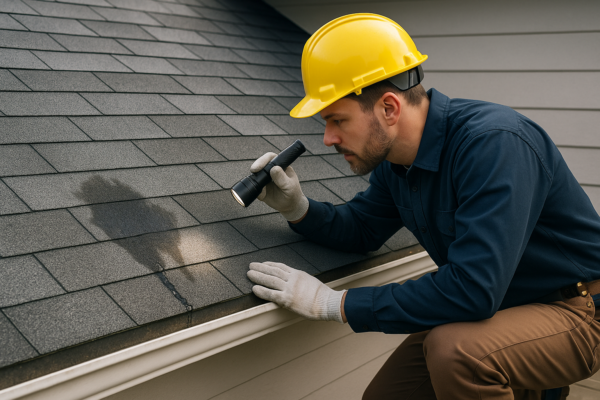
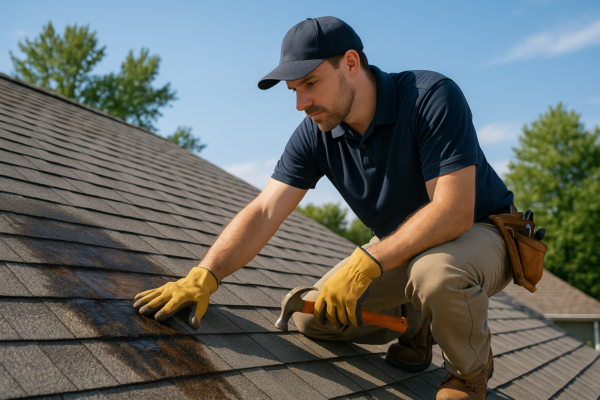
Routine maintenance, which includes inspections and minor repairs, can greatly extend the lifespan of your waterproofing system. Neglecting this aspect can lead to premature failure and increased costs over time. For a comprehensive guide on flat roof repairs, visit our repair services overview.
Investing in professional services not only ensures quality workmanship but also provides peace of mind that your building is protected against the elements.
Frequently Asked Questions
How often should flat roofs be inspected?
Flat roofs should be inspected at least twice a year, ideally in the spring and fall. Regular inspections help catch potential issues early and maintain the integrity of the waterproofing system.
Can existing roofs be retrofitted with new waterproofing solutions?
Yes, many flat roof waterproofing solutions, such as single-ply membranes, can be installed over existing roofs. This approach can save time and reduce costs associated with roof replacement.
What are the signs of a failing waterproofing system?
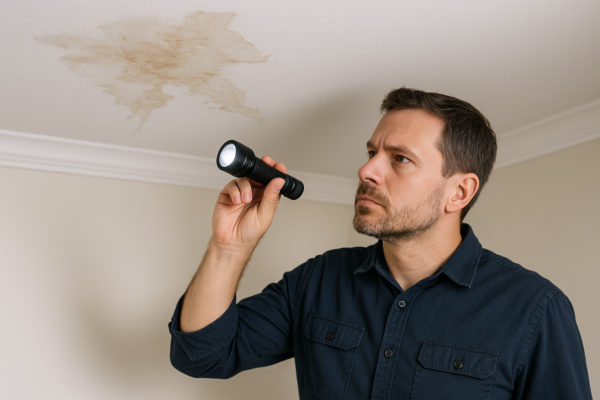
Signs include persistent leaks, visible water stains, bubbling or peeling material, and increased energy bills due to poor insulation. Addressing these issues promptly with professional services is crucial to prevent further damage.
What maintenance is required for waterproofed flat roofs?
Maintenance involves regular cleaning, clearing debris, checking for cracks or blisters, and ensuring drainage systems are functioning properly. Professional maintenance services can help keep your roof in top condition.
Conclusion
Choosing the right flat roof waterproofing solutions is essential for protecting your commercial building from the elements and ensuring its longevity. By considering factors such as cost, durability, and maintenance, you can select the best option for your specific needs. Consulting with professionals will provide valuable insights and ensure your investment is sound. Explore our commercial roofing services to find the right solution today.