How to Identify Warning Signs of Roof Damage
Your roof is one of the most critical components of your home, safeguarding you from the elements and contributing to overall structural integrity. Recognizing **how to spot roof problems** early can prevent costly repairs and extend the life of your roof. This guide will help you identify potential issues before they escalate, ensuring your roof remains in optimal condition.
Key Takeaways
- Learn to identify common signs of roof damage such as leaks, missing shingles, and granule loss.
- Understand the impact of Southern California’s climate on your roof’s health.
- Discover practical tips for regular roof maintenance and inspections.
- Explore the benefits of professional roof inspections and repairs.
- Access essential resources for roof repair and maintenance services.
Common Signs of Roof Damage
Leaks and Water Damage
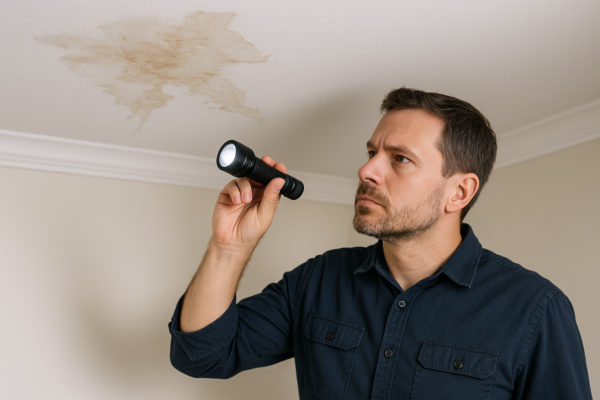
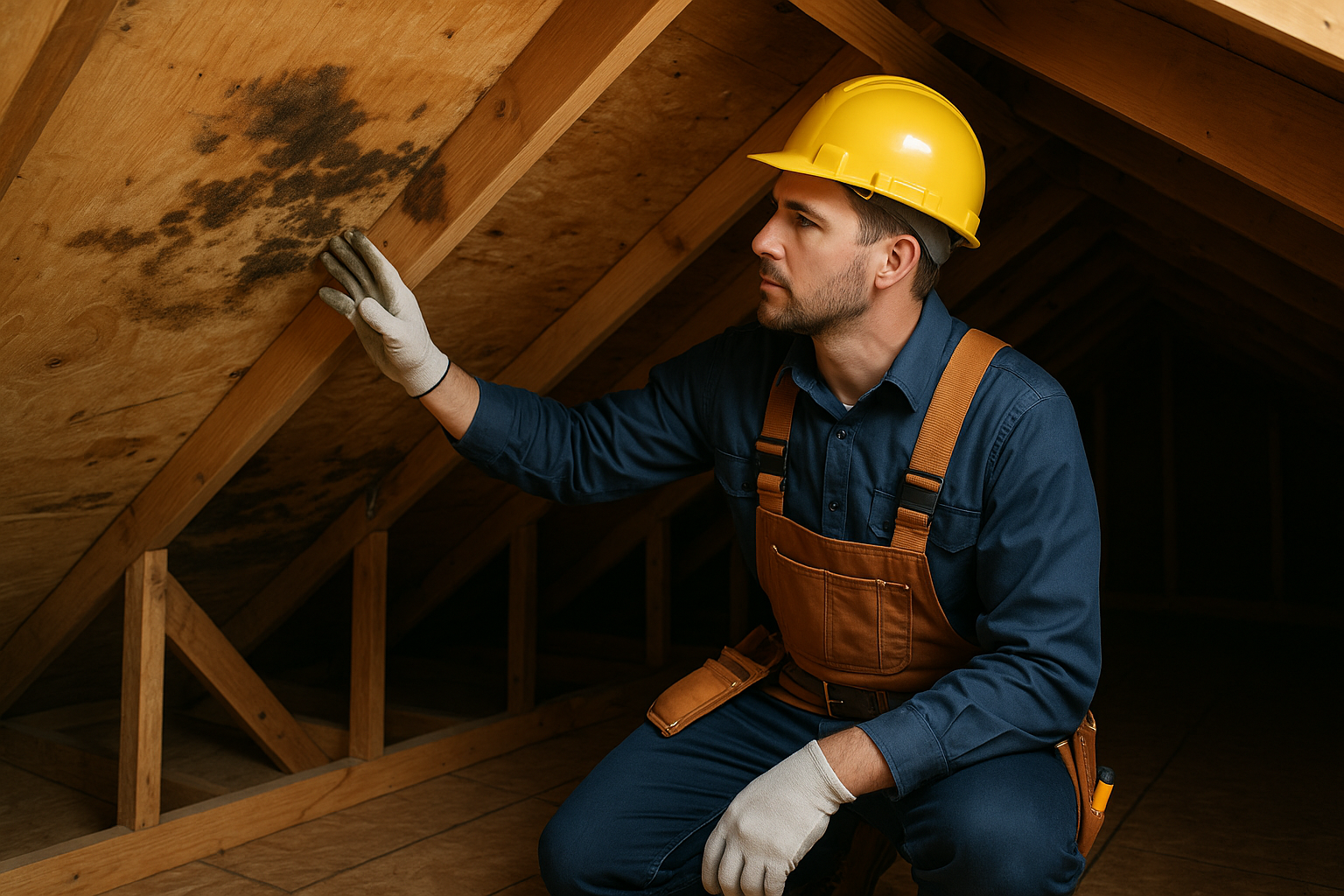
One of the most obvious indicators of roof damage is water leakage. If you notice water stains on your ceiling or walls, it’s a clear sign that moisture is seeping through. In Southern California, winter rains can exacerbate these issues, making timely **roof leak repair services** crucial. Inspect your attic for damp spots or mold growth, which are common indicators of roof leaks.
Water damage not only affects the roof but can also compromise the structural integrity of your home. It’s essential to address leaks promptly to prevent further damage and costly repairs. For more detailed insights, explore this guide on roof leak repair.
Missing or Damaged Shingles
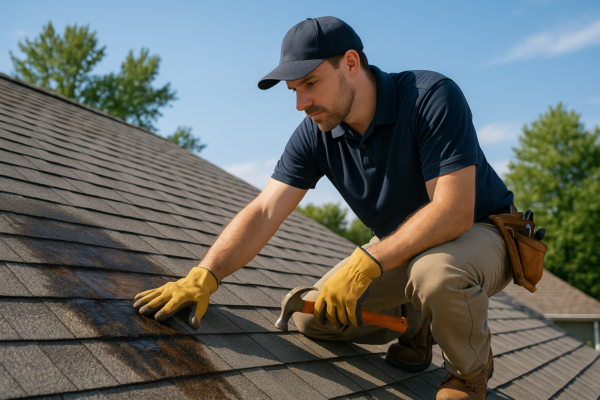
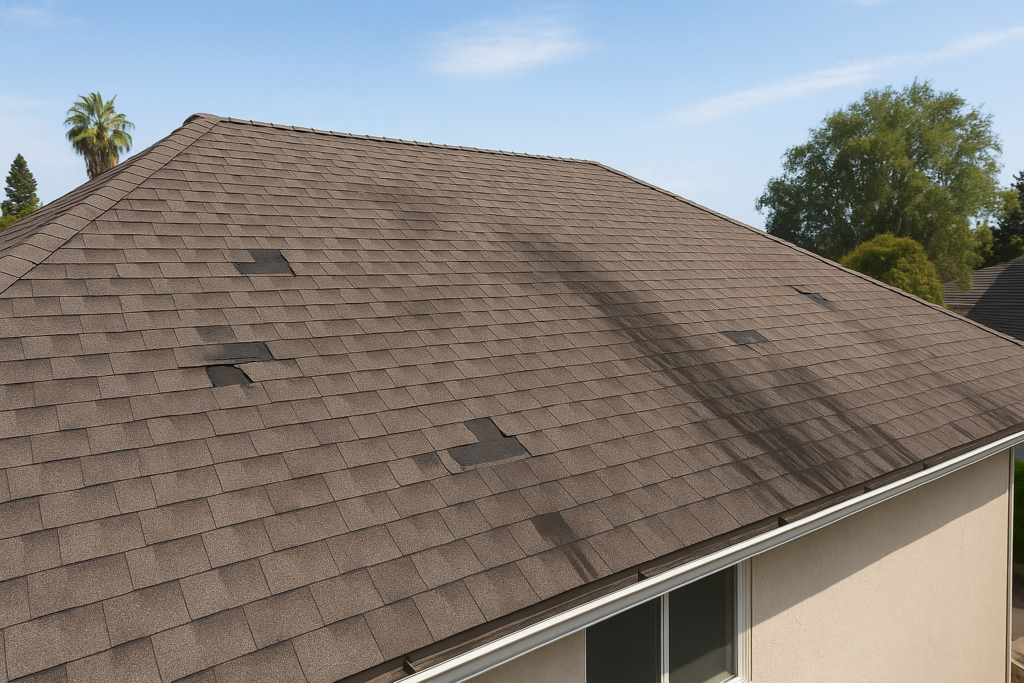
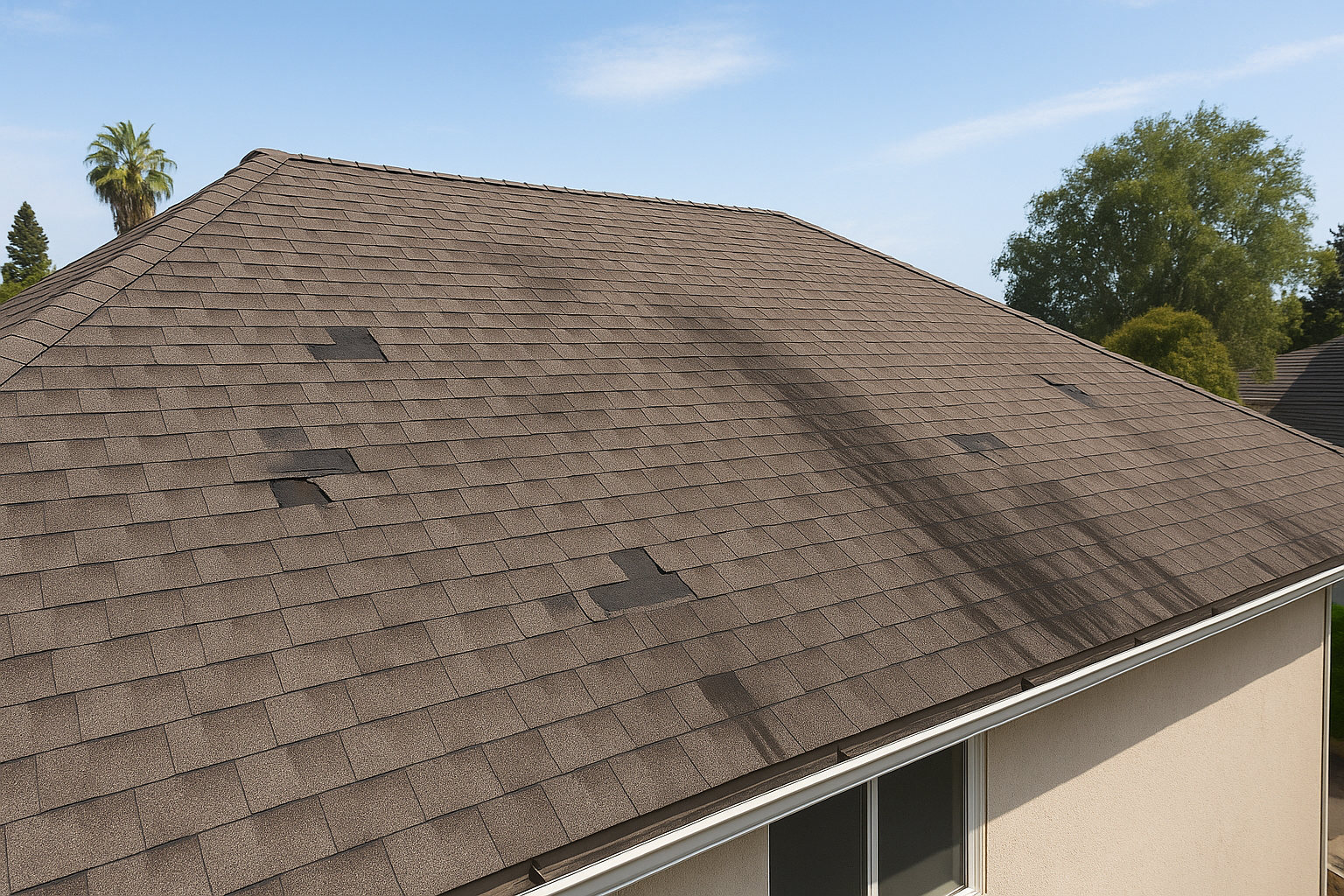
Shingles play a vital role in protecting your roof from the elements. Missing or damaged shingles can lead to serious problems, including leaks and increased energy costs. The intense sun and occasional high winds in California can cause shingles to crack, curl, or become dislodged. Regular inspections can help you spot these issues early.
Replacing damaged shingles is an effective way to prevent further deterioration. The cost of replacing shingles ranges from $100 to $200 per square, depending on the materials used. For homeowners with businesses, understanding the roof damage indicators for businesses can save on unexpected expenses.
Granule Loss
Granule loss is another sign of roof aging and damage. The protective granules on asphalt shingles can wear off due to weather conditions, leaving your roof vulnerable to UV damage. You can often find granules in your gutters, which is a clear sign that your shingles are deteriorating.
This type of damage reduces the lifespan of your roof and can lead to more serious issues if not addressed. Regular cleaning and inspection of gutters can help prevent granule accumulation and ensure your roof remains in good condition.
Environmental and Structural Factors
Impact of Weather Conditions
Southern California’s unique climate can significantly impact your roof’s health. The combination of intense sunlight, occasional heavy rains, and coastal winds can accelerate wear and tear. Understanding **how to spot roof problems** related to weather is essential for proactive maintenance.
Roofs in areas with frequent temperature fluctuations may experience thermal expansion and contraction, leading to cracks and leaks. Regular inspections during seasonal changes can help identify potential issues before they become severe.
Poor Roof Installation
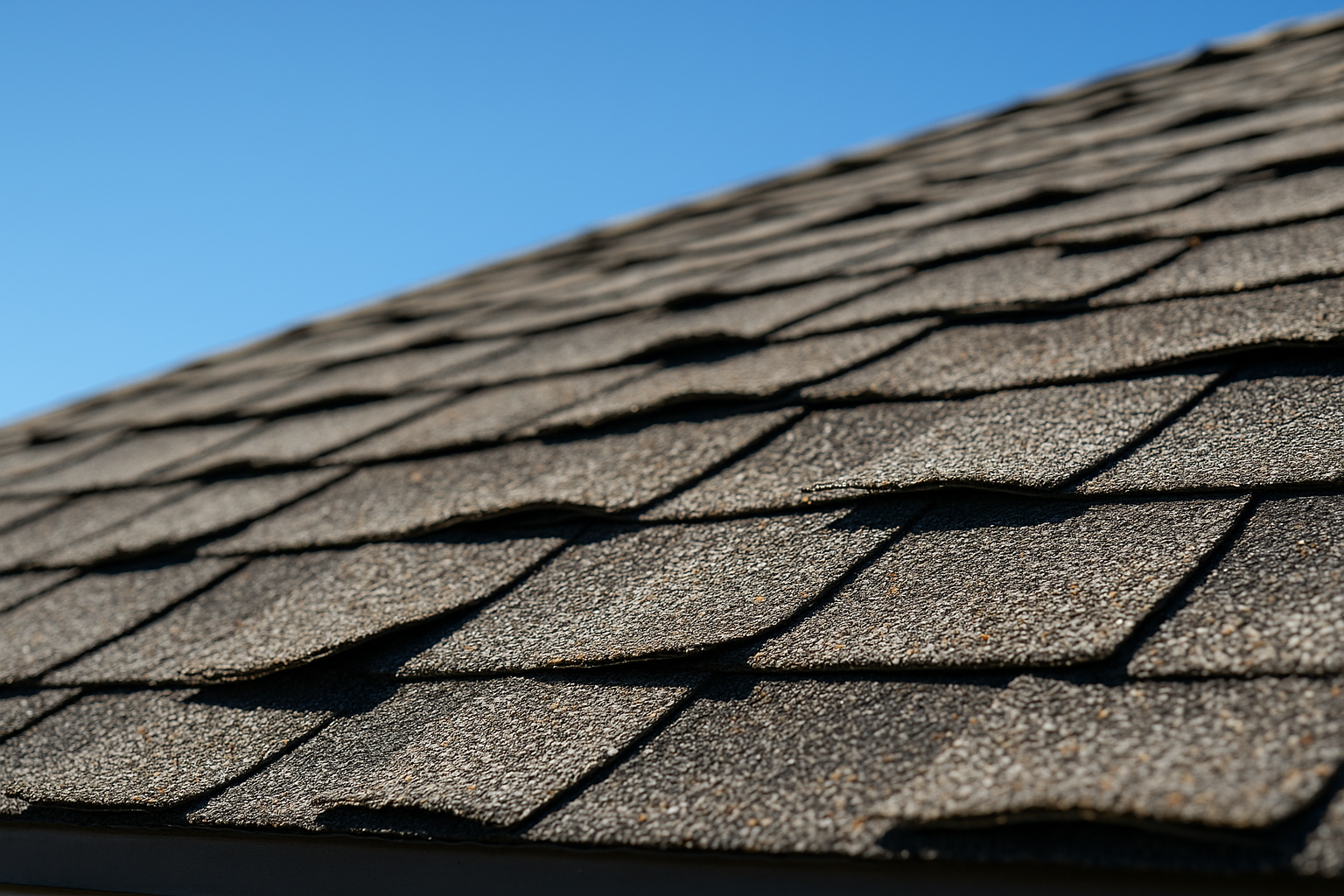
A poorly installed roof can lead to numerous problems, including leaks and reduced lifespan. Common installation errors include improper flashing, inadequate ventilation, and incorrect shingle alignment. These issues often require professional intervention to correct.
Investing in a reputable roofing contractor is crucial to avoid installation problems. A well-installed roof not only prevents issues but also enhances your home’s value. For businesses, staying informed about local commercial roofing laws can ensure compliance and quality installation.
Structural Issues
Structural issues such as sagging rooflines or damaged support beams can indicate severe underlying problems. These issues might result from water damage, pest infestations, or improper construction. Addressing these problems requires immediate attention to prevent potential collapse.
Professional inspections are vital in identifying structural issues early. A thorough evaluation can pinpoint the root cause and provide a roadmap for necessary repairs. For commercial properties, understanding commercial roofing inspection requirements is essential for maintaining structural integrity.
Preventive Maintenance and Professional Help
Regular Roof Inspections
Regular roof inspections are a cornerstone of preventive maintenance. They help identify potential problems early, saving you time and money on major repairs. Inspections should ideally be conducted twice a year, in spring and fall, to address seasonal changes in weather.
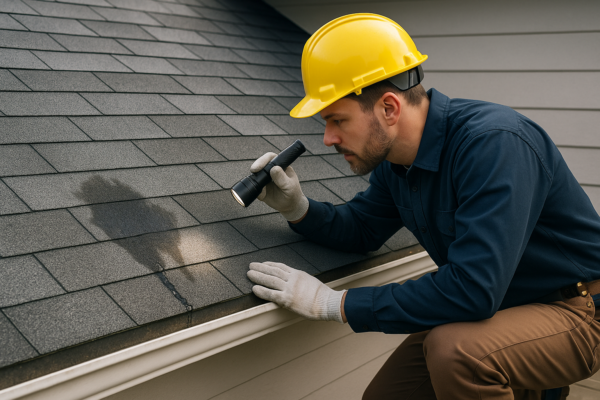
During an inspection, focus on shingles, flashing, gutters, and the attic’s interior. DIY inspections can be beneficial, but hiring a professional ensures a comprehensive assessment. Learn more about different commercial roofing types that might impact your roof maintenance needs.

Hiring Professional Roofers
While some minor repairs can be handled DIY, significant issues require the expertise of professional roofers. Professionals offer the skills and tools necessary to tackle complex problems effectively and safely. Hiring experts ensures repairs are done correctly, preventing future issues.
Before hiring, verify the contractor’s credentials, insurance, and reviews. Professional roofers can also provide guidance on insurance requirements for roofing projects, ensuring the protection of your home and investment.
Maintenance Tips
Implementing regular maintenance routines can significantly extend your roof’s lifespan. Here are some practical tips:
- Trim overhanging tree branches to prevent debris accumulation and damage.
- Clean gutters regularly to prevent water backup and ice dam formation.
- Inspect and seal roof penetrations such as vents and chimneys.
- Monitor for signs of animal activity, which can lead to structural damage.
These simple steps can prevent minor issues from escalating into major problems. Understanding **how to spot roof problems** early and taking proactive measures are key to maintaining a durable and efficient roof.
Frequently Asked Questions
What are the most common signs of roof damage?
Common signs include leaks, missing shingles, granule loss, and sagging rooflines. Regular inspections can help identify these issues early. For more detailed signs, check out the visible signs of roof wear.
How often should I inspect my roof?
It’s recommended to inspect your roof at least twice a year, ideally in spring and fall. Additional inspections are advised after major storms or weather events.
Can I perform roof repairs myself?
While minor repairs like sealing small leaks can be DIY projects, significant repairs or replacements should be handled by professionals to ensure safety and quality.
How does the California climate affect my roof?
The combination of intense sunlight, occasional heavy rains, and coastal winds can lead to accelerated wear and tear. Regular maintenance is crucial to combat these effects.
Conclusion
Knowing **how to spot roof problems** is essential for maintaining the health and longevity of your home’s roof. By understanding the common signs of damage, considering environmental and structural factors, and engaging in preventive maintenance, you can avoid costly repairs and ensure your roof continues to protect your home efficiently. Whether you’re a homeowner or managing a commercial property, staying informed and proactive is key to preserving your investment. For more information, visit our Roof Leak Repair Services.