How to Spot Roof Leaks Before They Worsen
Identifying roof leaks early can save homeowners thousands of dollars in repair costs and prevent significant damage to your home. Understanding **how to identify roof leaks** effectively is crucial, especially in areas like the San Gabriel Valley, where weather conditions can exacerbate roofing issues. This guide will help you learn the signs of roof leaks, practical tips to address them, and when to seek professional help.
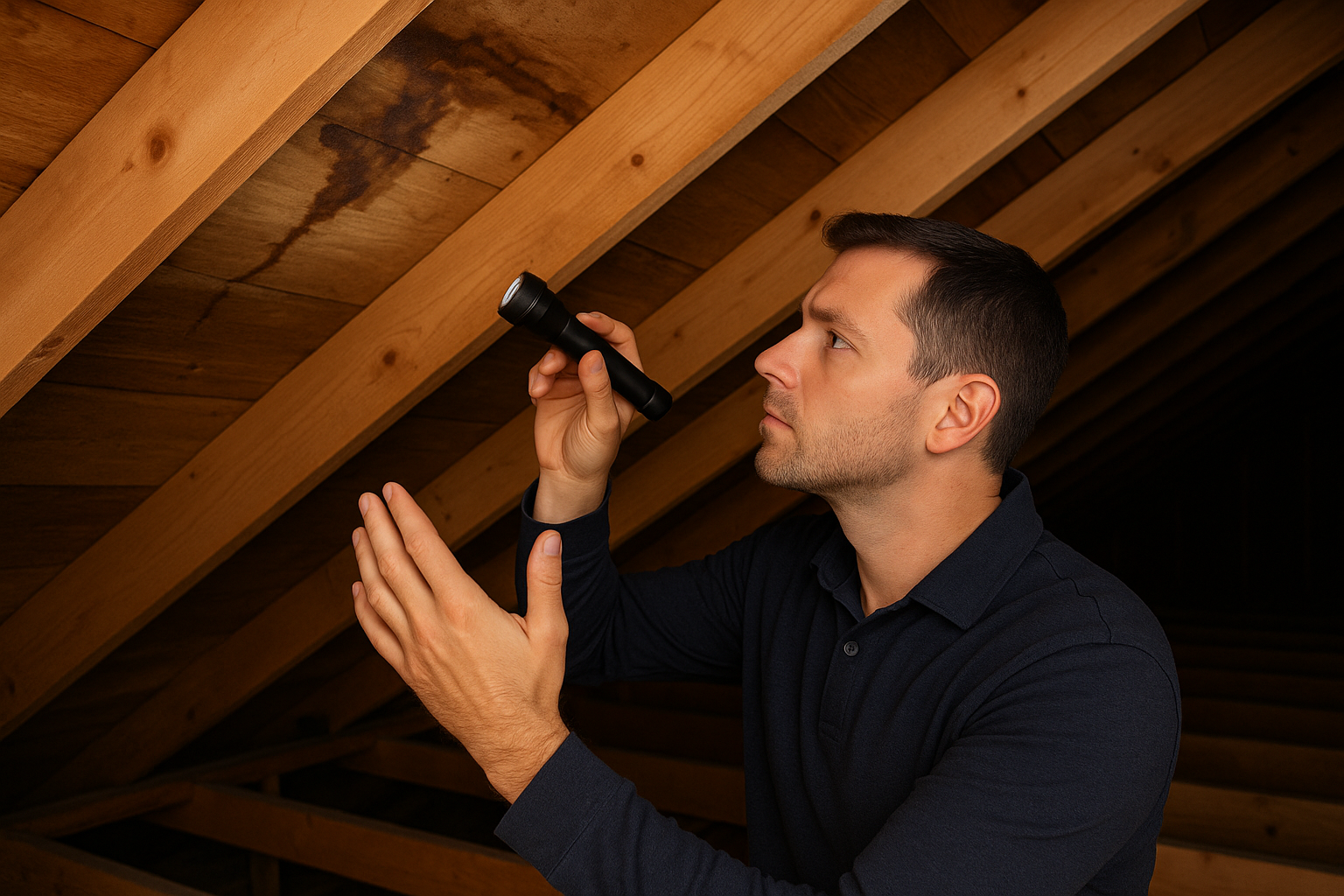
Key Takeaways
- Early detection of roof leaks can prevent costly repairs and structural damage.
- Common signs include water stains, musty odors, and damaged shingles.
- Understanding the local climate helps in timely maintenance and prevention.
- Professional inspections are crucial for comprehensive leak identification.
- Regular maintenance can extend the lifespan of your roof significantly.
Common Signs of Roof Leaks
Water Stains and Discoloration
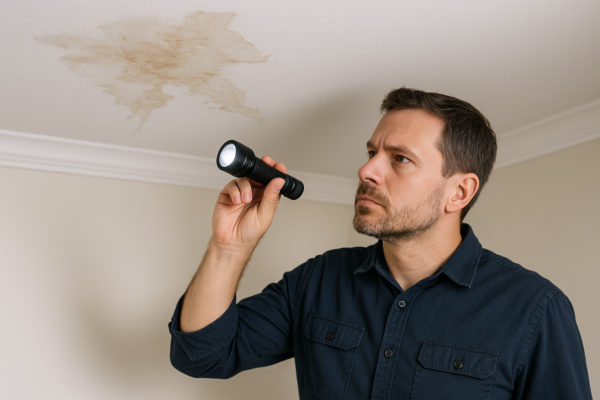
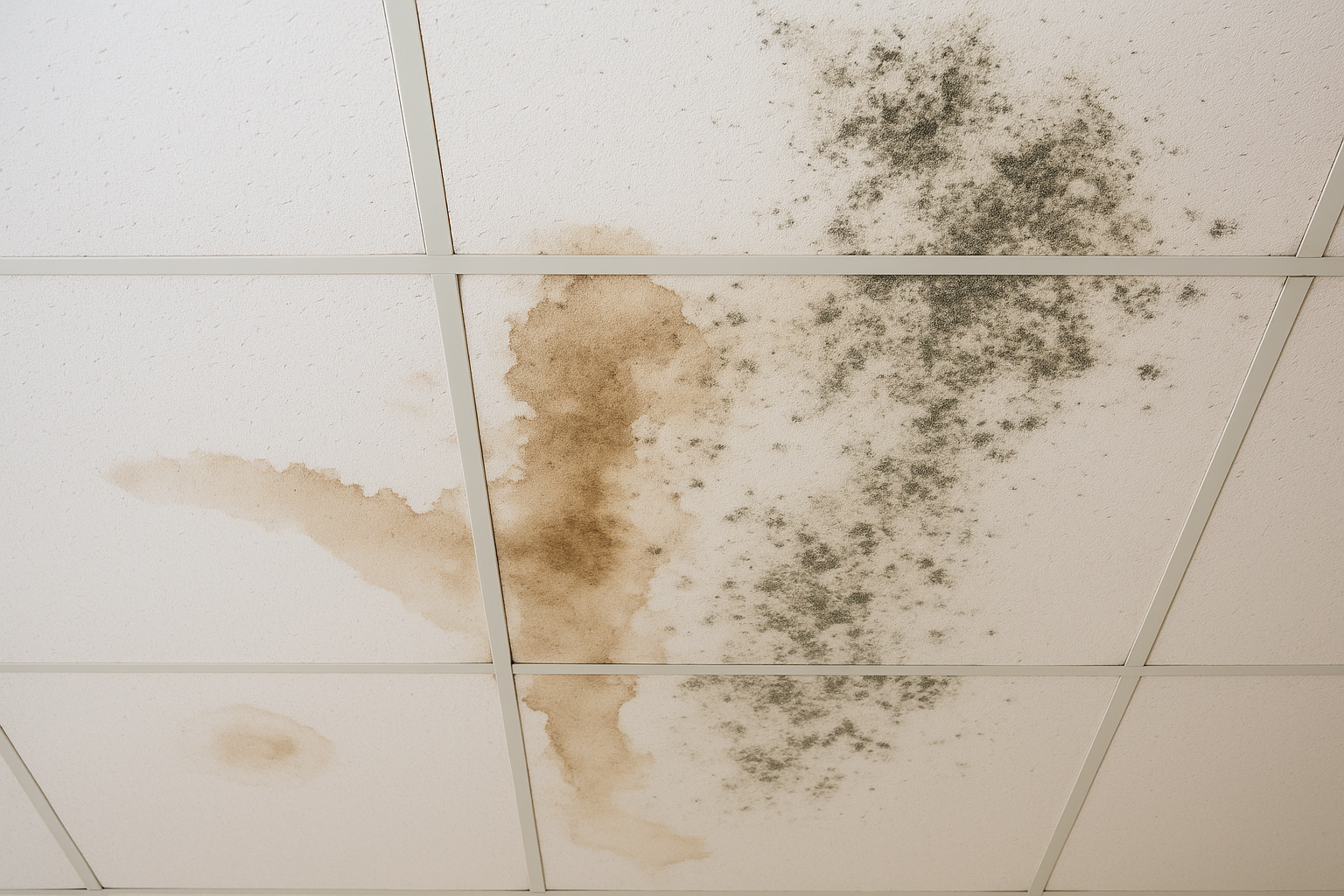
One of the most evident indicators of a roof leak is water stains on your ceiling or walls. These stains often appear as discolored marks in yellow, brown, or copper hues. Such stains suggest that water has seeped through your roofing material and is pooling in your ceiling. It’s crucial to investigate these as soon as possible to prevent further damage.
In the San Gabriel Valley’s climate, with its mix of sun and occasional rain, water stains can worsen rapidly. If left unaddressed, they can lead to mold growth, which poses health risks and complicates repairs. Regular inspections can help you catch these signs early.
Musty Odors
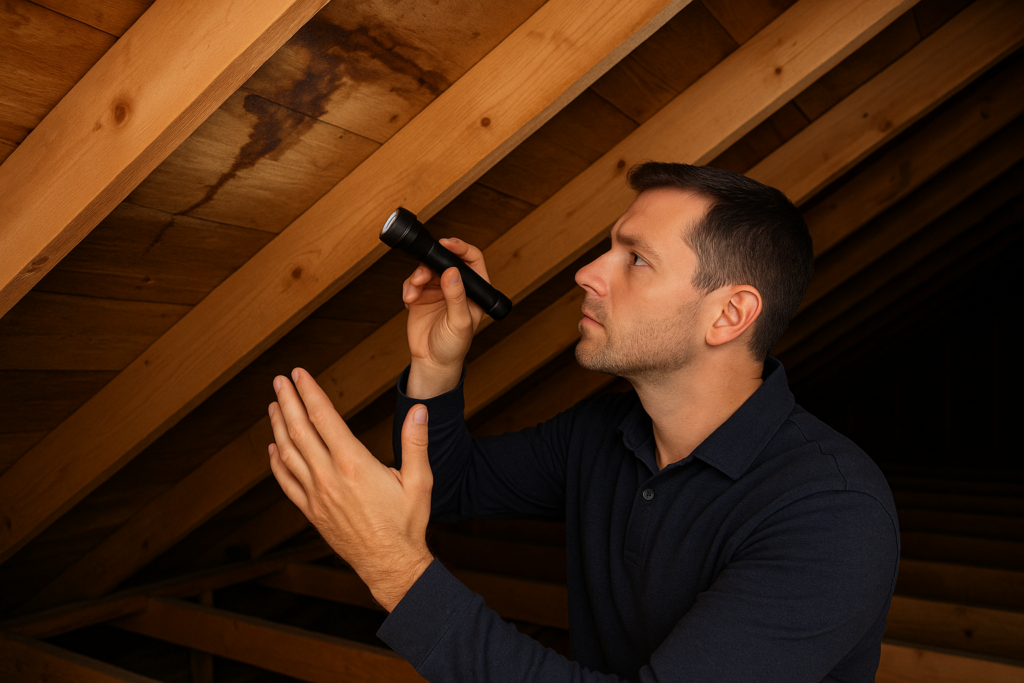
A persistent, musty odor in your home is often a silent sign of a leak somewhere in your roofing system. This smell indicates mold or mildew growth, which thrives in moist environments. Mold can develop quickly, especially during the humid months in Southern California, making it vital to address as soon as detected.
When trying to **identify roof leaks**, pay attention to these odors. They can guide you to hidden leaks that water stains alone might not reveal. Mold remediation costs can range significantly, from $500 to $6,000, depending on the extent of the damage, so early detection is cost-effective.
Damaged or Missing Shingles
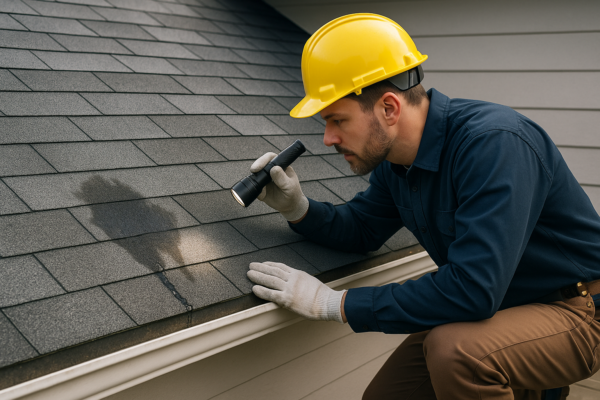
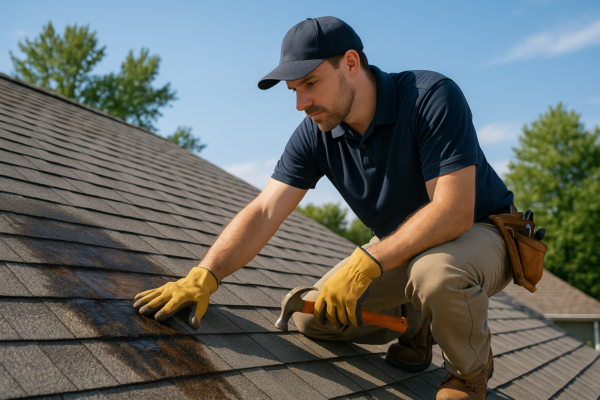
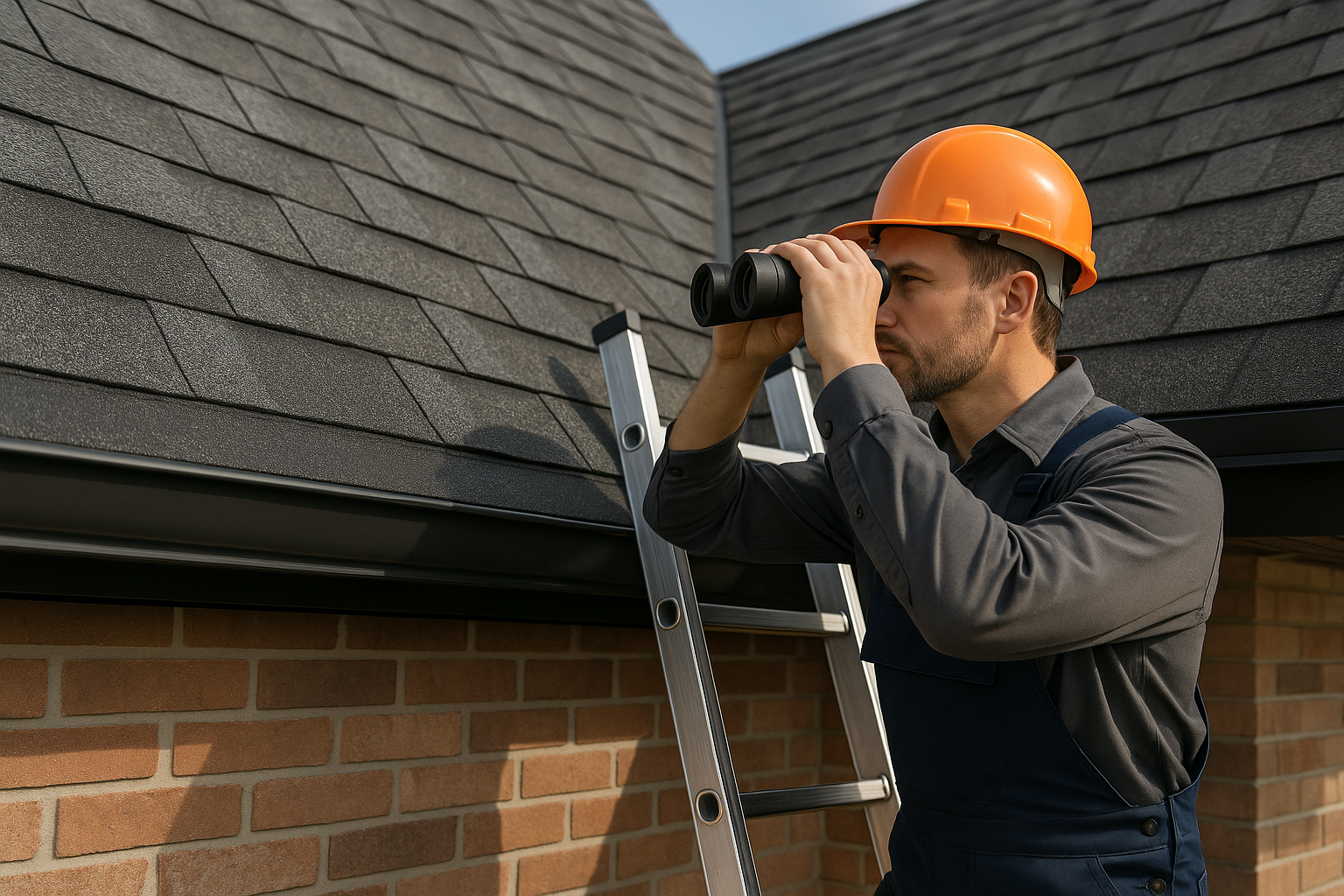
Shingles serve as the first line of defense against the elements. Damage to shingles, such as curling, cracking, or outright missing pieces, can be a major red flag for potential leaks. During your routine maintenance checks, particularly after storms, inspect your shingles from the ground with binoculars or have a professional do it for safety.
In the **San Gabriel Valley**, wind and sun can cause shingles to degrade faster. Damaged shingles not only allow water to seep through but can also lead to structural issues if not promptly repaired. For more information on choosing the right materials, see our guide on the best roofing materials for leaks.
Effective Methods to Detect Roof Leaks
Conducting Visual Inspections
Regular visual inspections of your roof can help in **identifying roof leaks** before they become severe. Walk around your home and look for visible signs of damage. Use binoculars to inspect the shingles, gutters, and flashing. Pay special attention to areas where different surfaces meet, such as chimneys, skylights, and vent pipes.
Visual inspections are particularly effective after severe weather events typical in Southern California, such as heavy rain or strong winds. By catching potential issues early, you can address them with targeted repairs, saving both time and money. For an in-depth look at repair options, consider reading about roof leak repair.
Using Water Testing Techniques
Water testing is a hands-on method to **identify roof leaks**. This process involves spraying water on different sections of your roof while another person checks the interior for leaks. It’s an effective way to pinpoint the exact location of a leak, particularly in dry weather when natural rain is absent.
While this method is straightforward, it requires caution. Ensure the water pressure isn’t too strong to prevent further damage. Additionally, it’s advisable to perform this test with an assistant to immediately spot leaks. For complex roofs, hiring a professional to conduct this test might be safer and more effective.
Professional Roof Inspections
For comprehensive leak detection, professional roof inspections are invaluable. Certified roofers have the expertise to spot subtle signs of leaks that homeowners might miss. They also have access to specialized equipment like infrared cameras, which can detect moisture beneath the roof surface.
Regular professional inspections are recommended, especially for commercial properties subject to more stringent regulations. For more on commercial roofing requirements, explore our article on commercial roofing inspection requirements.
Preventive Measures to Avoid Roof Leaks
Regular Maintenance and Repairs
Consistent maintenance is key to preventing roof leaks. This includes cleaning gutters, trimming overhanging branches, and removing debris from the roof. Regular maintenance not only extends the life of your roof but also helps in the early detection of potential leak sources.
The cost of routine maintenance is minimal compared to major repairs, which can range from $1,000 to $10,000 depending on the severity and type of roofing material. For guidance on selecting durable materials, check out our insights on materials to fix roof leaks.
Investing in Quality Roofing Materials
Investing in high-quality materials is a proactive way to avoid leaks. Materials like metal, slate, and high-grade asphalt shingles offer better protection against the elements and have longer lifespans. While these materials may have a higher upfront cost, their durability can reduce long-term repair expenses.
For businesses, choosing the right roofing material is crucial for compliance and durability. To explore more about material choices, visit benefits of metal roofing for businesses.
Understanding Local Weather Patterns
Knowing the unique weather patterns of Southern California can help in planning preventative maintenance. The region’s mix of sun, occasional heavy rains, and wind can take a toll on your roof. Scheduling inspections and maintenance before and after the rainy season can help mitigate potential leak risks.
For commercial properties, understanding these patterns is even more critical due to the larger surface area and potential compliance issues. Learn more about local regulations in our article on commercial roofing laws.
Frequently Asked Questions
What are the first signs of a roof leak?
The first signs of a roof leak often include water stains on ceilings and walls, musty odors indicating mold growth, and visibly damaged or missing shingles. Regular inspections can help catch these signs early.
How often should I inspect my roof for leaks?
It’s recommended to inspect your roof at least twice a year, ideally in the spring and fall. Additionally, inspections should be conducted after major storms to ensure no damage has occurred.
What should I do if I find a leak?
If you discover a leak, it’s important to address it promptly to prevent further damage. Start by containing the water to minimize interior damage, then contact a professional roofer to assess and repair the leak.
Can I perform roof repairs myself?
While minor repairs might be manageable for experienced DIYers, it’s generally advisable to hire professionals. Roofing work can be dangerous and complex, requiring specific tools and expertise for effective and safe repairs.
Conclusion
Detecting and addressing roof leaks early is crucial for maintaining the structural integrity of your home and avoiding costly repairs. By understanding **how to identify roof leaks** and implementing preventive measures, you can protect your investment and ensure the longevity of your roof. Regular inspections, quality materials, and professional assistance are key components of effective leak prevention and management. For comprehensive roof leak repair services, consult with experienced professionals to keep your home safe and secure.