
Understanding Commercial Roofing Regulations by State
When it comes to **commercial roofing**, understanding the **state guidelines** and regulations is crucial for ensuring compliance and longevity of your roofing system. This comprehensive guide will help you navigate the intricate world of **commercial roofing regulations** across different states, ensuring your business remains safe and compliant.

Key Takeaways
- Understanding **commercial roofing regulations** is essential for compliance and safety.
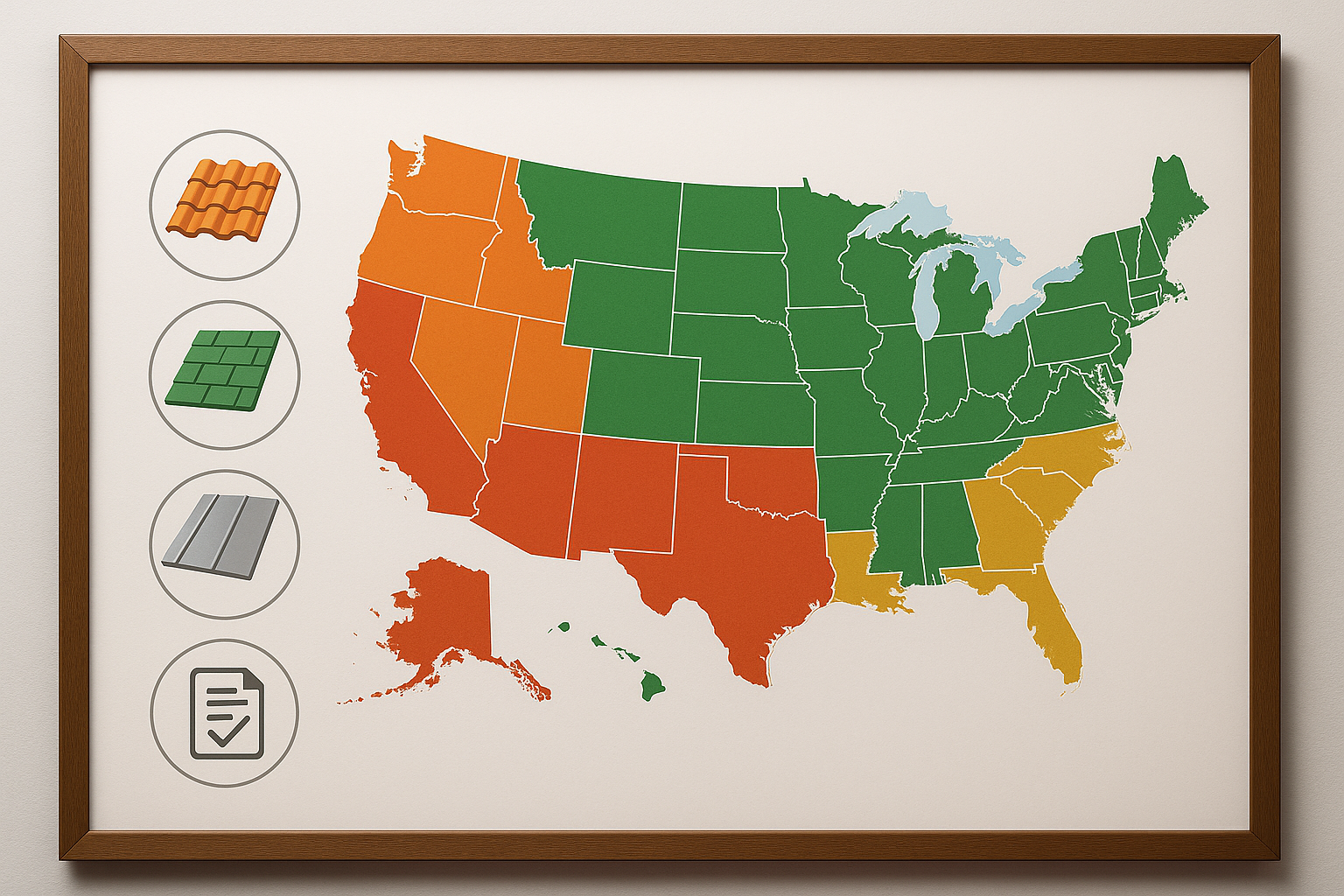
- Different states have varying guidelines affecting materials, installation, and maintenance.
- Adhering to state guidelines can help avoid fines and prolong roof lifespan.
- Professional consultation can ensure compliance with all relevant regulations.
- Considerations include local climate, building codes, and energy efficiency standards.
State-Specific Commercial Roofing Regulations
California Roofing Regulations
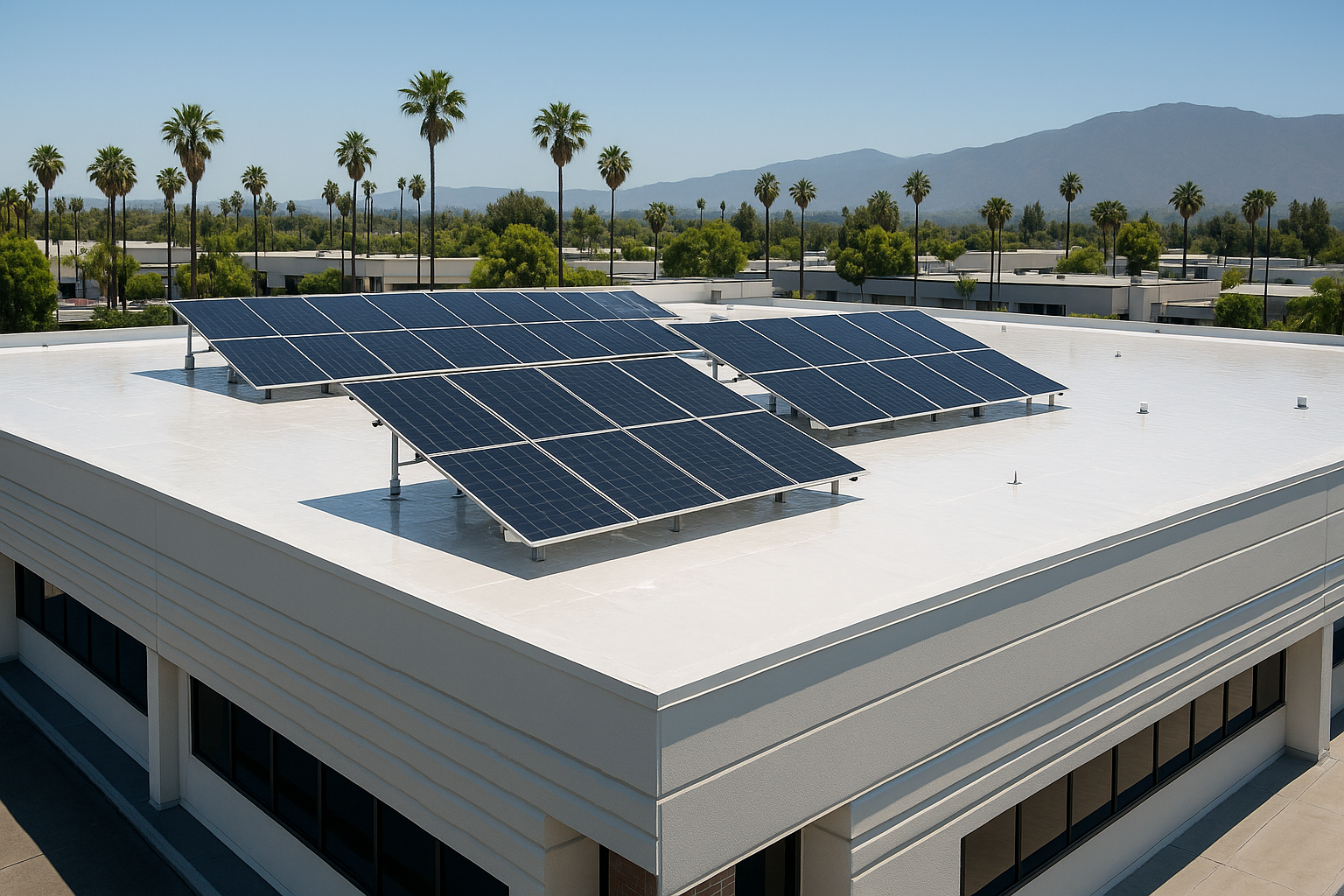
In California, **commercial roofing regulations** are particularly stringent due to the state’s commitment to environmental sustainability and energy efficiency. The California Building Standards Code, also known as Title 24, plays a significant role in shaping roofing practices. Commercial roofs must adhere to energy efficiency standards, which include specific requirements for roofing materials and installation practices. For instance, reflective roofing materials are often mandated to reduce energy consumption.
Moreover, California’s seismic activity necessitates that roofing systems are designed to withstand potential earthquakes. This means utilizing materials and installation techniques that enhance structural integrity. Engaging with a professional to ensure compliance is recommended. You can explore more about energy efficient roofing materials to meet these stringent standards.
Texas Roofing Guidelines
Texas, with its diverse climate ranging from humid to arid, imposes **commercial roofing regulations** that cater to these variations. In regions prone to storms, like the Gulf Coast, wind resistance is a critical factor. Roofing materials must be tested for high wind performance, and specific installation methods are required to prevent damage during extreme weather events.
The Texas Department of Insurance provides guidelines for roofing systems, particularly in areas affected by hurricanes. It’s important to select materials that not only comply with these regulations but also offer durability. Comparing different durability options for commercial roofs can help in making an informed decision.
Florida Roofing Requirements
Florida’s **commercial roofing regulations** are primarily influenced by the state’s susceptibility to hurricanes. The Florida Building Code mandates rigorous testing for roofing materials to ensure they can withstand high winds and heavy rain. Additionally, the code requires regular maintenance and inspections to maintain compliance.
For businesses in Florida, investing in **commercial roofing** that meets these standards is crucial. This often involves selecting materials like metal or reinforced asphalt, which offer superior resilience. For a detailed cost analysis, you can refer to our comparison of commercial roofing materials.
Common Challenges in Meeting Roofing Regulations
Balancing Cost and Compliance
One of the primary challenges businesses face is balancing the cost of compliance with **commercial roofing regulations**. While adhering to these guidelines can be expensive, non-compliance can result in hefty fines and increased liability. It’s essential to budget wisely, considering both the immediate and long-term costs. For guidance on budgeting for roofing compliance, see our budgeting guide for commercial roofing repairs.
The table below provides a comparison of the estimated costs associated with different roofing materials and their compliance levels:
| Roofing Material | Average Cost per Square Foot | Compliance Level |
|---|---|---|
| Metal | $7 – $12 | High |
| Asphalt | $3 – $6 | Medium |
| TPO (Thermoplastic Olefin) | $5 – $8 | High |
Understanding Material Requirements
Each state may have distinct requirements regarding the roofing materials used on commercial buildings. These requirements often focus on energy efficiency, durability, and weather resistance. In states like California and Florida, materials that enhance energy efficiency and withstand severe weather are prioritized.
For businesses, selecting the right materials is key to meeting **state guidelines**. Considerations should include the lifespan and environmental impact of materials. For more insights, see our article on the lifespan of commercial roofing materials.
Adapting to Climate-Specific Guidelines
The climate in which your business operates significantly impacts the **commercial roofing regulations** you must follow. For example, in Southern California, where sun exposure is intense, using reflective materials that meet state energy codes is crucial. In contrast, states with colder climates may emphasize insulation and snow load capacity.
It’s beneficial to consult with a roofing professional knowledgeable about local regulations to ensure your roof meets all necessary standards. For information on roofing materials best suited for specific climates, you might find our 2023 guide on commercial roofing materials useful.
Practical Tips for Ensuring Compliance
Regular Inspections and Maintenance
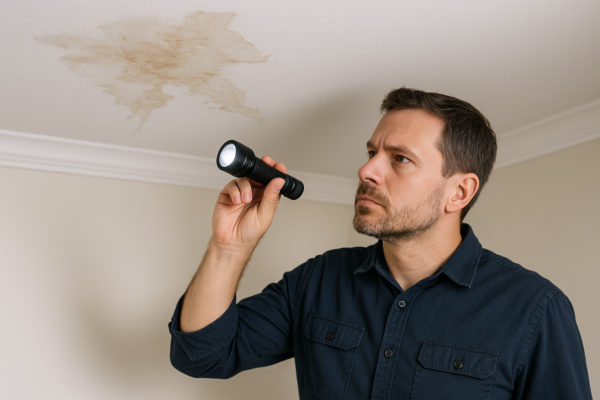
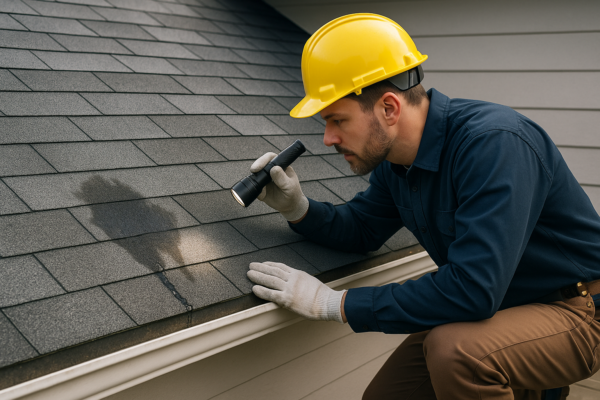
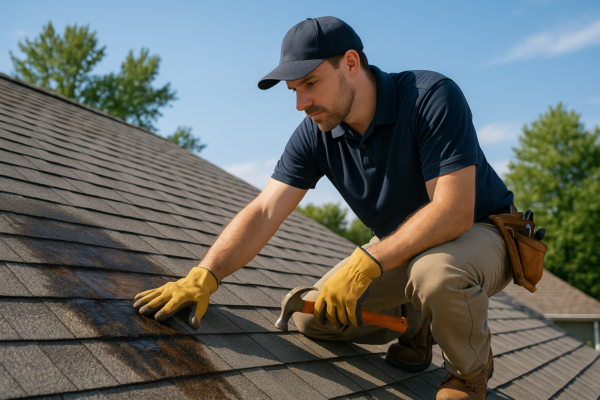
Regular inspections are vital for maintaining compliance with **commercial roofing regulations**. Scheduled maintenance not only extends the life of your roof but also ensures adherence to state guidelines. Inspections should focus on identifying potential issues such as leaks, material degradation, or structural weaknesses.
- Schedule bi-annual inspections to catch issues early.
- Maintain records of all inspections and repairs as evidence of compliance.
- Utilize professional services to ensure thorough inspections.
For more on maintenance strategies, you can read about repairing leaks and maintaining commercial roofs.
Staying Informed About Regulation Changes
State **commercial roofing regulations** are subject to change, often in response to environmental developments or technological advancements. Staying informed about these changes is essential for maintaining compliance. Subscribe to local building code updates or partner with a professional roofing service that monitors these changes on your behalf.
For a proactive approach, consider regular consultations with roofing experts to stay ahead of regulatory updates. This can prevent non-compliance issues and ensure your roof remains up to date with the latest standards. Learn more about the importance of proactive compliance in our article on commercial roofing costs.
Leveraging Professional Expertise
Engaging with professional roofing services offers significant advantages in navigating **commercial roofing regulations**. Experienced contractors can provide valuable insights into state-specific requirements and help implement cost-effective solutions that ensure compliance.
Professional expertise is particularly beneficial when dealing with complex regulations or when undertaking significant roofing projects. For more on how professionals can assist, explore our installation cost guide for commercial roofing.
Frequently Asked Questions
What are the most common commercial roofing regulations by state?
Common **commercial roofing regulations** include material specifications, energy efficiency standards, and structural integrity requirements. Regulations vary by state, influenced by local climate conditions and environmental policies. It’s essential to consult local building departments for specific guidelines.
How often should commercial roofs be inspected to meet regulations?
To meet **state guidelines**, commercial roofs should be inspected at least twice a year. Regular inspections help identify potential compliance issues early, ensuring that your roof adheres to all relevant regulations and remains in good condition.
What is the penalty for non-compliance with commercial roofing regulations?
Penalties for non-compliance can range from fines and increased insurance premiums to mandatory repairs or replacements. In severe cases, non-compliance can lead to temporary business closure until the issues are resolved.
Can state regulations affect the choice of roofing materials?
Yes, state **commercial roofing regulations** can significantly influence the choice of materials. Factors such as energy efficiency, fire resistance, and weather durability are often dictated by state codes, impacting material selection.
Conclusion
Understanding and adhering to **commercial roofing regulations state guidelines** is crucial for the safety, efficiency, and longevity of your business’s roof. By staying informed, budgeting wisely, and leveraging professional expertise, you can ensure your roof complies with all relevant standards. For more detailed insights and professional guidance, visit our commercial roofing services page.