Top 5 Essential Maintenance Practices to Extend the Life of Your Commercial Roofing System
Understanding what maintenance practices can extend the life of a commercial roofing system is crucial for property owners looking to protect their investment. With the right strategies, you can not only prevent costly repairs but also enhance the longevity of your roof. In the San Gabriel Valley, where environmental factors like sun exposure and occasional storms can take their toll, strategic maintenance is even more critical. By adhering to these essential practices, you can ensure that your commercial roof remains in optimal condition for years to come.
Key Takeaways
- Regular inspections can prevent minor issues from becoming major problems.
- Proper cleaning and debris removal is essential for maintaining roof integrity.
- Addressing leaks promptly can save on extensive future repairs.
- Understanding the specific maintenance needs of your roofing material is crucial.
- Professional maintenance services can provide peace of mind and enhance durability.
Regular Inspections: The Cornerstone of Roof Longevity
Importance of Routine Inspections
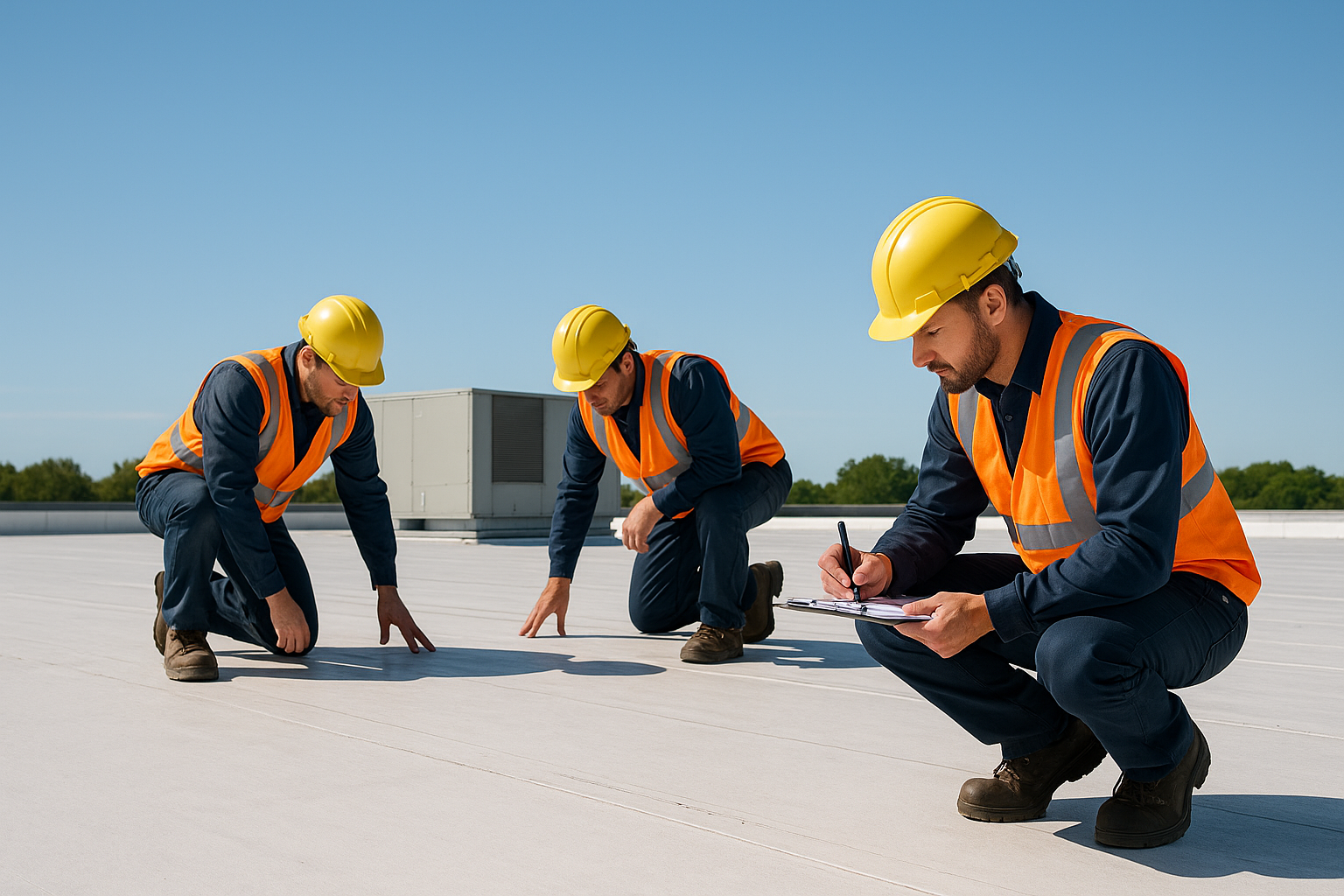
Frequent inspections are one of the most effective maintenance practices that can significantly extend the life of your commercial roofing system. A thorough inspection allows you to identify potential issues such as leaks, punctures, or damaged flashing before they escalate into more serious problems. According to industry standards, it’s advisable to conduct a comprehensive roof inspection at least twice a year, preferably in the spring and fall.
Inspections are particularly crucial in regions like Southern California, where sun damage and thermal expansion can contribute to roofing wear and tear. Regular checks ensure your roof’s structural integrity remains intact, preventing issues like water infiltration that can lead to costly repairs. For more insights, explore our detailed guide on preventing costly commercial roof repairs.
What to Look for During Inspections
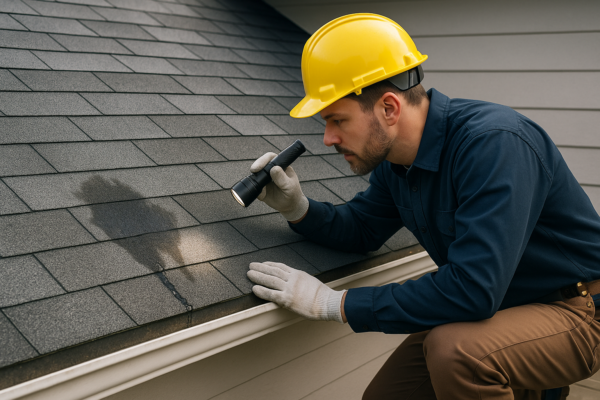
During an inspection, focus on several key areas to determine what maintenance practices can extend the life of a commercial roofing system. Check for signs of water damage, such as discoloration or mold growth, which can indicate leaks or inadequate drainage. The flashing around vents or skylights should be intact and free of rust or gaps.
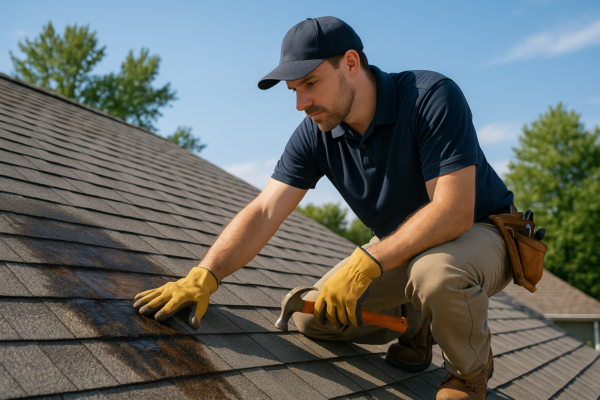
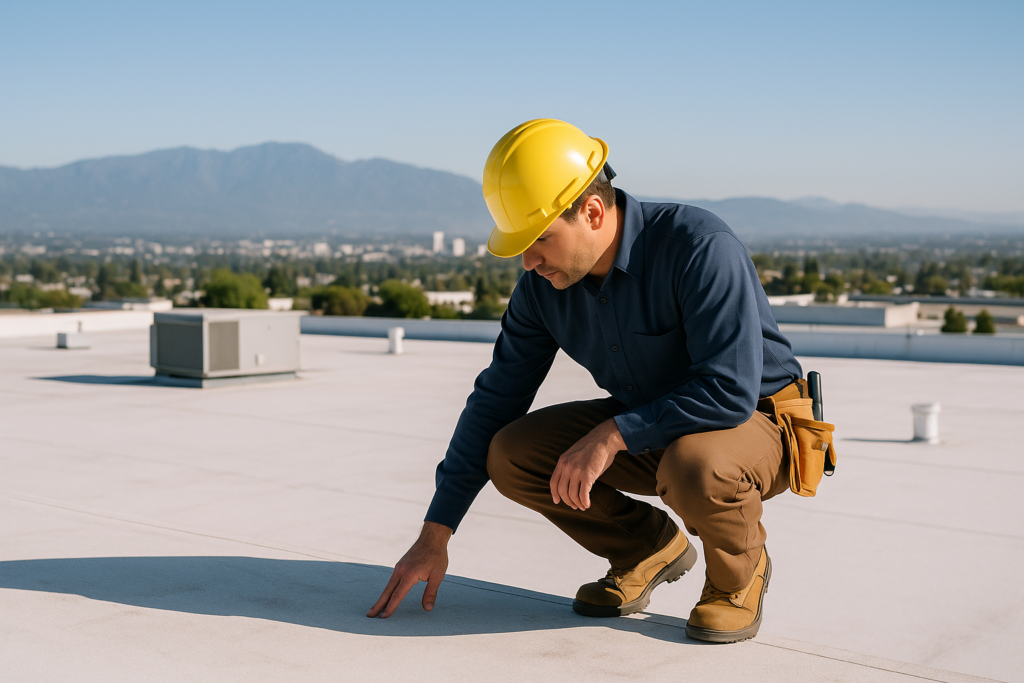
Also, examine the roof surface for cracks, blisters, or punctures. These are often indicators of underlying issues that need addressing. For flat roofs, ensure that there are no areas of ponding water, which can exacerbate material degradation. Our article on factors leading to roofing leaks in commercial buildings provides further details on what to watch for.
Professional versus DIY Inspections
While some property managers may opt for DIY inspections, hiring a professional can offer several advantages. Professionals are trained to identify subtle issues that might be overlooked by an untrained eye. They also have the necessary tools and safety equipment to conduct a thorough examination.
Engaging professional services might incur a cost, but this investment can save you significant expenses in the long run by catching issues early. A professional inspection typically ranges from $200 to $600, depending on the roof size and complexity. To understand more about inspection requirements, visit our page on commercial roofing inspection requirements.
Cleaning and Debris Removal: Essential Maintenance Tasks
Why Regular Cleaning Matters
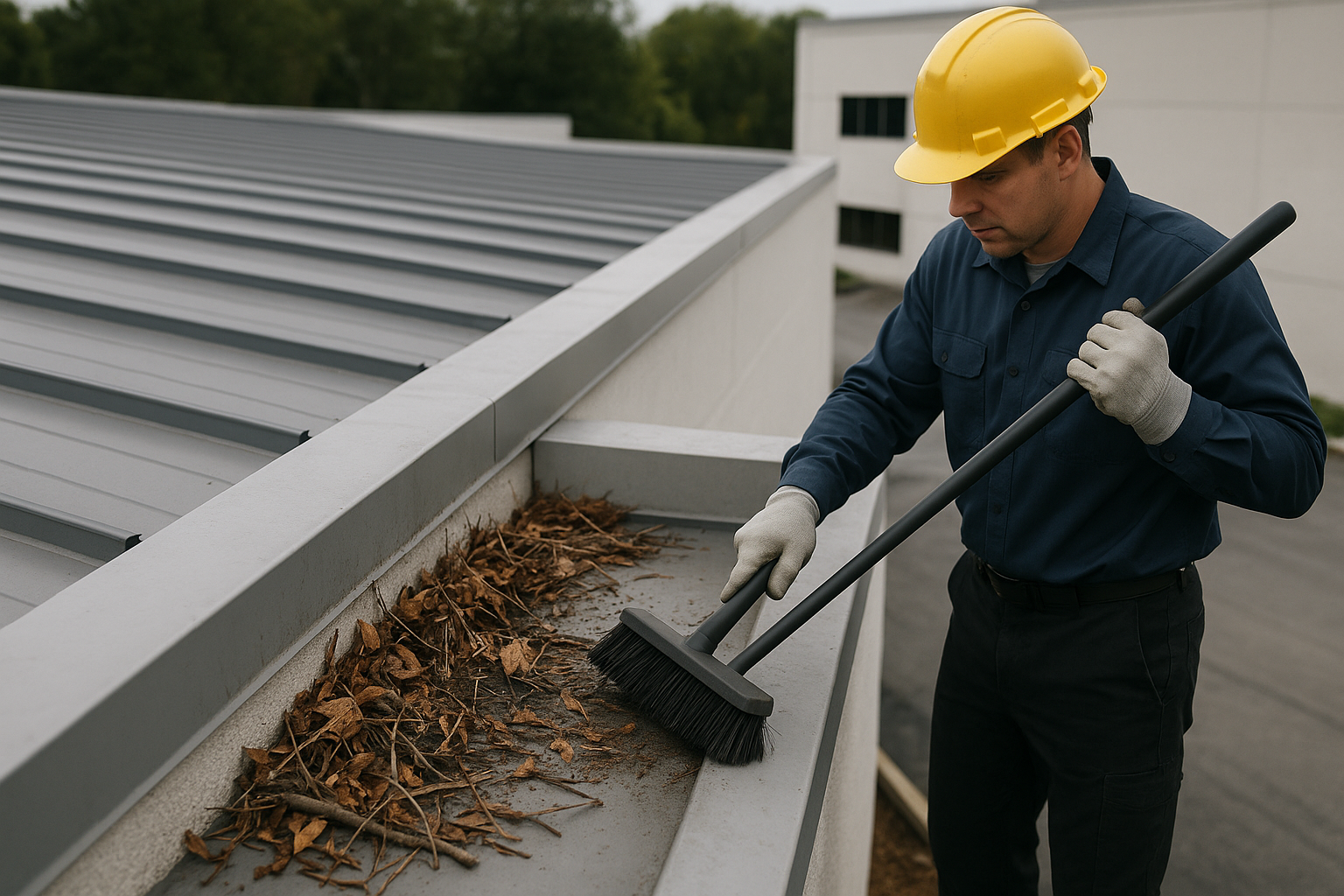
Keeping your commercial roof clean is not just about aesthetics; it’s an important part of what maintenance practices can extend the life of a commercial roofing system. Debris such as leaves, branches, and dirt can accumulate on your roof, leading to clogged drainage systems and increased load on the roof structure. This can accelerate wear and tear, especially in areas prone to heavy winds and rainfall.
In Southern California, wind can carry debris that might accumulate on your roof, obstructing water flow and causing pooling. Regular cleaning ensures your drainage systems function properly, minimizing the risk of water damage. Learn more about the importance of commercial roofing maintenance for your business.
Effective Cleaning Techniques
Effective cleaning involves removing all debris from the roof surface, gutters, and downspouts. Use a soft-bristled broom or a leaf blower to clear debris without damaging the roofing material. For more stubborn dirt or stains, a low-pressure wash can be employed, but it’s essential to ensure that the pressure is not too high, as it can damage the roofing membrane.
Regular cleaning should be scheduled at least quarterly, with more frequent sessions after severe weather events. This proactive approach minimizes the risk of clogs and helps maintain the roof’s structural integrity. For properties with significant tree coverage, monthly cleaning may be necessary to prevent excessive buildup.
Comparing Cleaning Costs
| Cleaning Method | Average Cost | Pros and Cons |
|---|---|---|
| Manual Cleaning | $150 – $300 | Cost-effective but labor-intensive; suitable for minor debris |
| Leaf Blower | $100 – $250 | Efficient for large areas; may not remove all debris |
| Low-Pressure Wash | $250 – $500 | Thorough cleaning; requires professional handling to avoid damage |
| Professional Service | $300 – $700 | Comprehensive and safe; higher cost but more reliable |
Prompt Leak Repairs: Prevent Future Damage
Identifying and Repairing Leaks
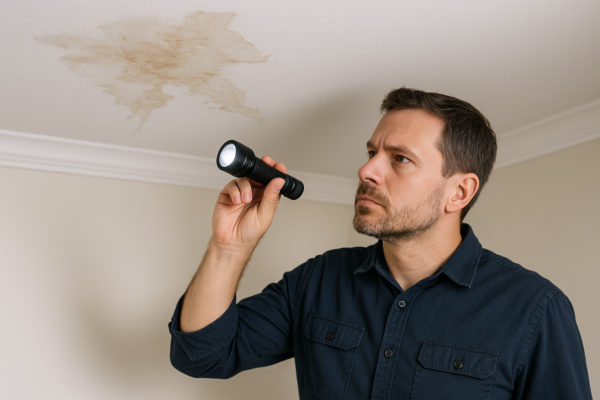
Addressing leaks promptly is another critical component of what maintenance practices can extend the life of a commercial roofing system. Leaks can cause significant damage if left unchecked, leading to structural issues and mold growth. It’s essential to identify leaks early, often indicated by water stains on ceilings or walls, musty odors, or visible water drips.
When a leak is detected, immediate action is necessary. Whether it’s a minor patch or a more extensive repair, addressing the issue quickly can prevent further damage and additional costs. For detailed repair solutions, consider our roof leak repair services.
Common Causes of Roof Leaks
Several factors can contribute to roof leaks, including damaged flashing, poor installation, or aged roofing materials. Harsh weather conditions, such as heavy rain or wind, can exacerbate these issues. In California, sun exposure can also cause roofing materials to deteriorate over time, increasing leak risks.
Regular maintenance, including checking and repairing flashing and other vulnerable areas, can reduce the likelihood of leaks. For more information on the causes of leaks, see our article on factors that lead to roofing leaks in commercial buildings.
Benefits of Professional Leak Repairs
While some minor leaks might seem manageable, professional repairs offer several benefits. Professionals can accurately diagnose the issue and provide long-term solutions rather than temporary fixes. They also ensure that repairs comply with warranty requirements, preserving your roof’s coverage.
Professional repairs can range from $500 for minor patches to $3,000 or more for extensive repairs involving structural work. Engaging professional services can ultimately save you money by preventing further damage and maintaining your roof’s integrity. For more on warranty expectations, visit our page on warranties in commercial roofing services.
Frequently Asked Questions
How often should I schedule roof maintenance?
It’s recommended to schedule roof maintenance at least twice a year, typically in the spring and fall. However, more frequent inspections may be necessary after severe weather events or if your property has significant tree coverage.
What are the signs that my commercial roof needs immediate attention?
Signs that your roof may need immediate attention include visible leaks, water stains on ceilings, unusual odors indicating mold, and physical damage such as cracks or missing flashing. Regular inspections can help catch these issues early.
Can regular maintenance extend the life of any roofing material?
Yes, regular maintenance can extend the life of most commercial roofing materials, including TPO, EPDM, and metal roofs. Each material has specific maintenance requirements that should be followed to maximize lifespan.
Is professional maintenance worth the cost?
Professional maintenance is often worth the cost as it ensures thorough inspections and repairs, potentially saving you from significant expenses down the line. Professionals have the expertise to identify and address issues that might be overlooked otherwise.
Conclusion
Implementing these essential maintenance practices can significantly extend the life of your commercial roofing system. By conducting regular inspections, ensuring thorough cleaning, and addressing leaks promptly, you can protect your investment and avoid costly repairs. Understanding what maintenance practices can extend the life of a commercial roofing system is vital for any property owner. Consider partnering with professional roofing services to ensure your roof remains in peak condition for years to come.