Signs Your Commercial Roof Needs Immediate Attention
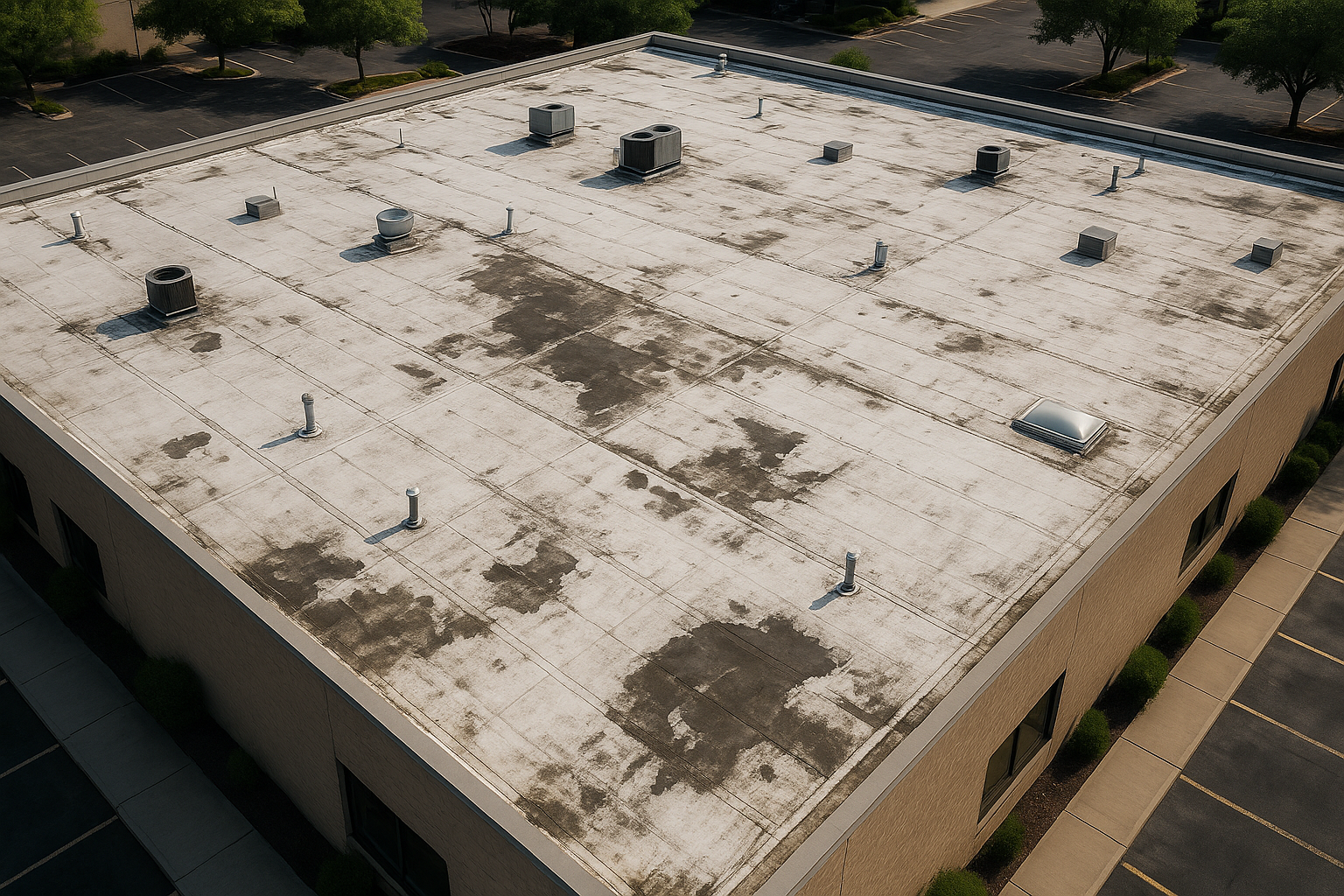
The integrity of your commercial roof is crucial for the safety and operational efficiency of your business. Recognizing the **signs of commercial roof damage** early can save you from costly repairs and extensive downtime. This comprehensive guide will help you identify these warning signs and understand the necessary steps to protect your investment.
Key Takeaways
- Regular inspections are essential to identify early signs of damage in commercial roofs.
- Weather conditions in Southern California can exacerbate roofing issues.
- Timely repairs can prevent costly damage and extend the lifespan of your roof.
- Understanding local regulations helps ensure compliance and avoid legal issues.
- Different roofing materials have varying lifespans and maintenance requirements.
Common Signs of Commercial Roof Damage
Visible Water Damage
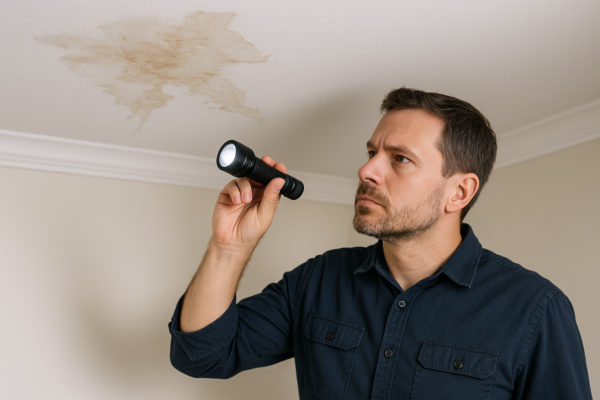
Water damage is one of the most apparent **signs of commercial roof damage**. Stains on ceilings or walls often indicate a leak. Regular inspections are crucial, especially after heavy rains common in Southern California. To learn more about commercial roofing inspection requirements, click here.
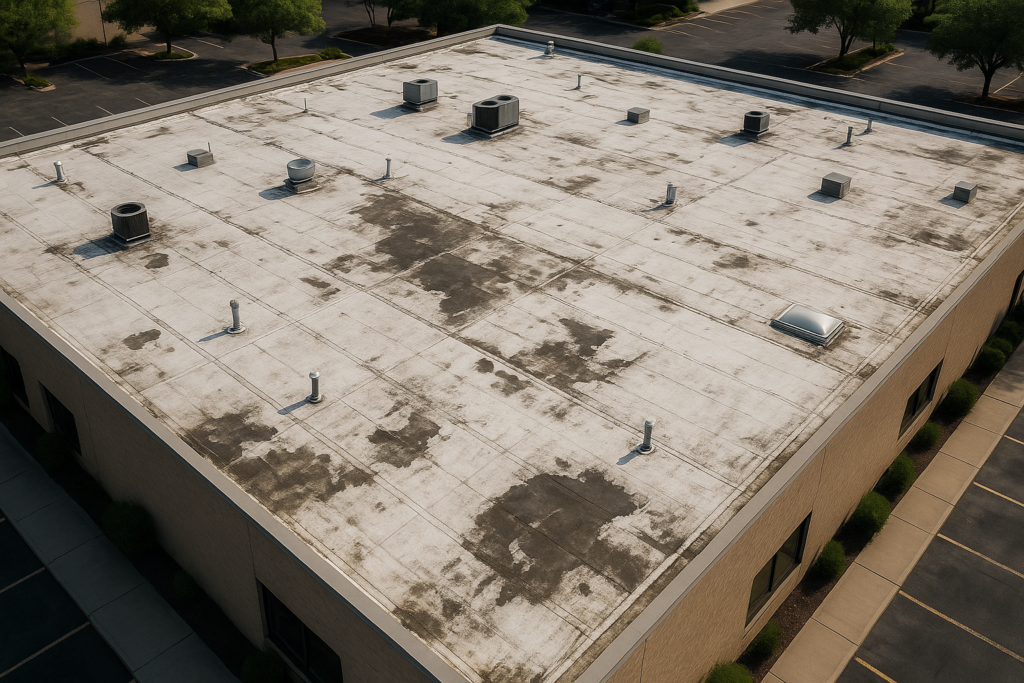
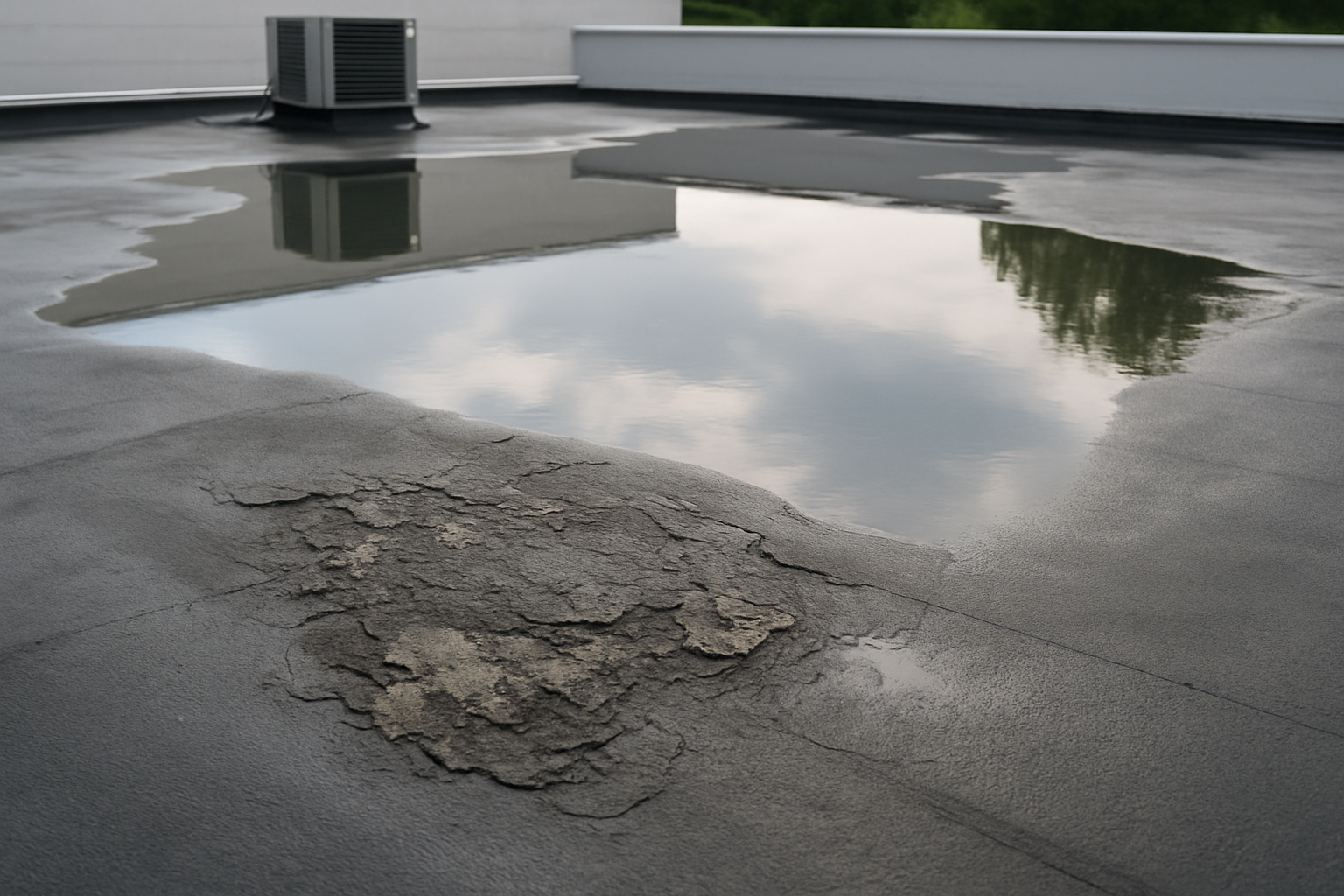
Water damage can lead to mold growth, which poses health risks to employees and customers. It’s essential to address leaks promptly to avoid more severe structural damage. You might also notice puddles or standing water on the roof, which can accelerate deterioration.
Damaged or Missing Roofing Materials
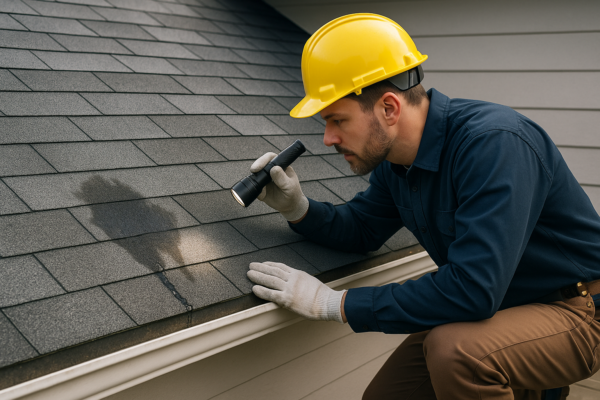
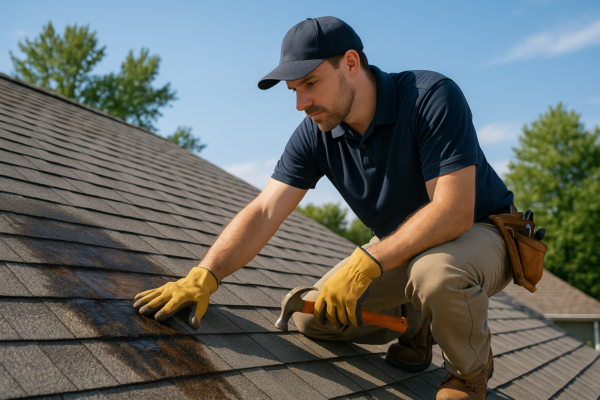
Another critical **sign of commercial roof damage** is the presence of damaged or missing roofing materials. This issue is particularly prevalent with materials like shingles, tiles, or panels. Harsh sunlight and sudden temperature changes in California can cause materials to crack or warp. If your business uses metal roofing, consider the benefits of metal roofing for greater durability.
Missing materials can expose underlying layers to the elements, increasing the risk of leaks. Regular maintenance and swift replacement of damaged components are crucial to maintaining structural integrity.
Increased Energy Costs
An often-overlooked **sign of commercial roof damage** is a sudden increase in energy costs. When a roof is compromised, it can affect the building’s insulation, forcing HVAC systems to work harder. This inefficiency not only raises utility bills but can also reduce the lifespan of heating and cooling systems.
Ensuring your roof is properly insulated and repaired can lead to significant savings. Consider consulting with experts to explore roof leak repair options that improve energy efficiency.
Impact of Southern California Weather on Commercial Roofs
Sun Damage
The intense Southern California sun can cause extensive damage to commercial roofs. UV rays can degrade roofing materials over time, leading to cracks and structural weaknesses. It’s important to select roofing materials that are resistant to UV damage. For a comprehensive comparison of materials, check out the cost comparison of commercial roofing materials available.
Investing in UV-resistant coatings or materials like TPO or EPDM can significantly delay degradation and extend the life of your roof. Regular maintenance and inspections can help you stay ahead of sun-related damage.
Heavy Rains and Storms
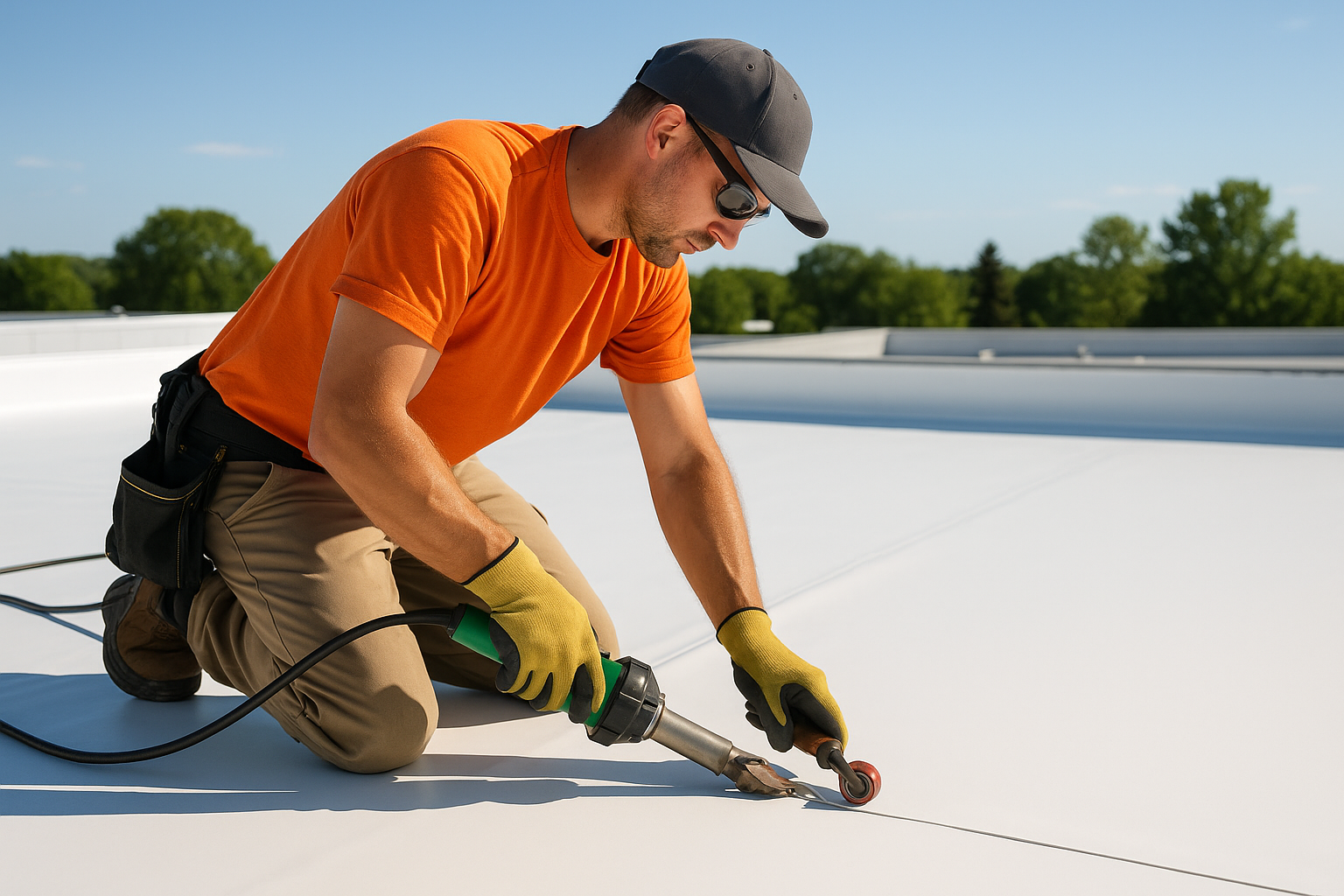
While Southern California is known for its dry climate, heavy rains and storms can occur, leading to potential roof damage. **Signs of commercial roof damage** from storms include loosened or missing shingles, leaks, and damaged flashing. Ensuring your roof is storm-ready can prevent significant issues.
Consider a pre-storm inspection to identify and fortify vulnerable areas. Learn more about roofing material lifespan and how different types withstand harsh weather conditions.
Wind Damage
High winds can lift roofing materials, breaking seals and exposing the underlayment. This type of damage can lead to leaks and structural vulnerabilities. After a windy event, inspect your roof for displaced materials or debris accumulation.
Regularly clearing rooftops of debris and checking for wind damage can help maintain roof integrity. For detailed guidance, explore the different commercial roofing types suited for windy conditions.
Preventive Measures and Solutions
Regular Maintenance and Inspections
Consistent maintenance is crucial in identifying **signs of commercial roof damage** early. Regular inspections can help pinpoint areas in need of repair before they escalate. Adhering to local commercial roofing laws is also essential to ensure compliance and safety.
- Schedule bi-annual roof inspections to catch potential issues early.
- Conduct post-storm assessments to identify immediate repair needs.
- Hire certified professionals for thorough evaluations.
Choosing the Right Roofing Material
The choice of roofing material significantly impacts the longevity and resilience of your roof. For instance, metal roofing offers excellent durability and resistance to various weather conditions. Compare metal vs asphalt roofing to determine which is best for your commercial building.
Understanding the pros and cons of each material can guide you in making an informed decision that aligns with your budget and environmental conditions.
Compliance with Building Codes
Ensuring compliance with local building codes is critical. Non-compliance can lead to fines and increased liability. Familiarize yourself with building codes for commercial roofing to avoid legal issues.
Working with a licensed contractor ensures that all repairs and installations meet regulatory standards. This proactive approach not only protects your investment but also enhances the safety and efficiency of your building.
Frequently Asked Questions
How often should a commercial roof be inspected?
It’s recommended to inspect your commercial roof at least twice a year, ideally in the spring and fall. Additionally, inspections should be conducted after significant weather events to assess any potential damage.
What are the most durable roofing materials for commercial buildings?
Metal and single-ply membranes such as TPO and EPDM are among the most durable materials for commercial roofs. They offer excellent resistance to UV rays, weather changes, and physical wear.
How can I reduce the risk of roof damage from storms?
To minimize storm damage, ensure your roof is well-maintained and free of debris. Reinforce vulnerable areas and consider materials that offer superior weather resistance. Regular inspections can also help identify and address potential weaknesses.
Are there specific regulations for commercial roofing in California?
Yes, California has specific regulations that govern commercial roofing to ensure safety and compliance. It’s crucial to stay informed about these regulations by consulting resources like roofing regulations for commercial properties.
Conclusion
Identifying the **signs of commercial roof damage** early can save your business significant time and money. Regular maintenance, strategic material choices, and adherence to local building codes are essential steps in maintaining a safe and efficient commercial property. By staying vigilant and proactive, you can ensure your roof remains a robust line of defense against the elements. For more information, visit our Roof Leak Repair Services.