Common Roofing Problems and How to Fix Them
As a homeowner in the San Gabriel Valley, understanding the **common roofing problems and solutions** that may arise is crucial for maintaining the integrity of your roof. From leaks to damaged shingles, addressing these issues promptly will save you time and money. This guide provides insights into common roofing problems, practical solutions, and essential maintenance tips to help you keep your roof in top condition.
Key Takeaways
- Regular maintenance and timely repairs can prevent most common roofing problems.
- Identifying leaks early can save significant repair costs.
- Understanding different roofing materials helps in choosing the right solution for repairs.
- Professional inspections are crucial for long-term roof health.
Identifying Common Roofing Problems
Roof Leaks
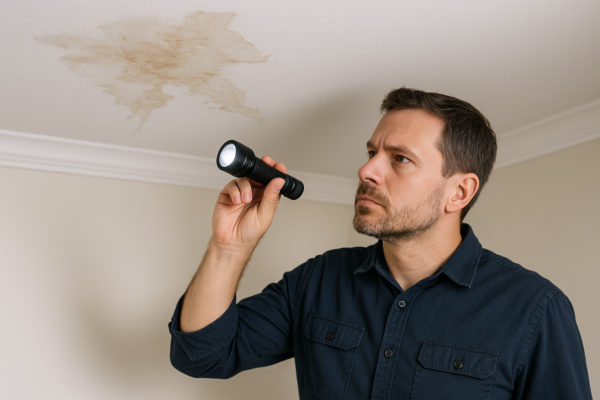
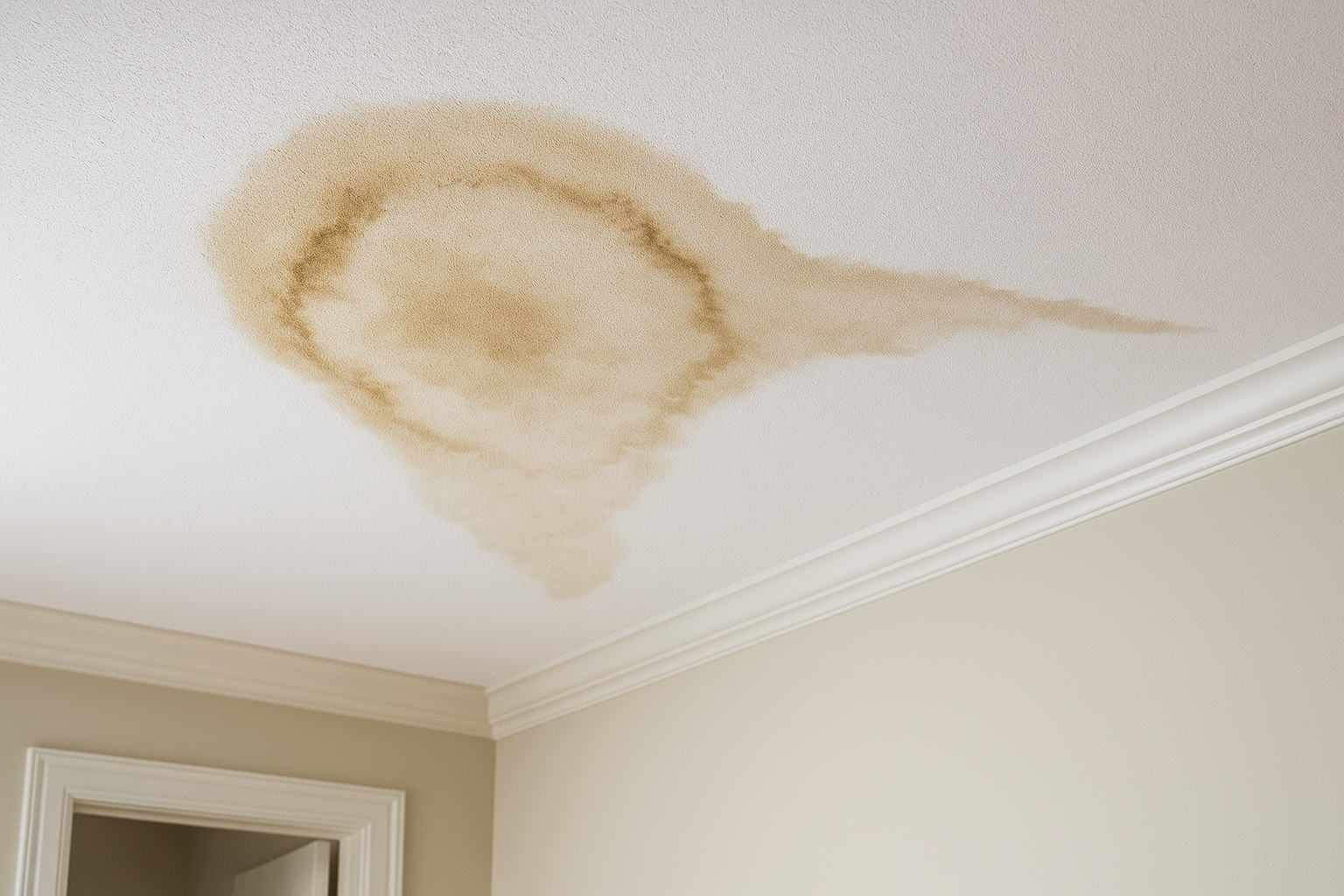
One of the most prevalent **common roofing problems** is leaks, especially in areas like Southern California where unpredictable weather can exacerbate minor issues. Leaks often originate from damaged or missing shingles, compromised flashing, or clogged gutters. Identifying the source of a leak can be challenging but is crucial to prevent further damage.
To tackle this issue, start by inspecting your attic for water stains or mold, which are indicative of a leak. Once you’ve identified a leak, consider repairing it yourself with patch kits available for around $30-$50, or contact professionals for a comprehensive roof leak repair service.
Damaged Shingles
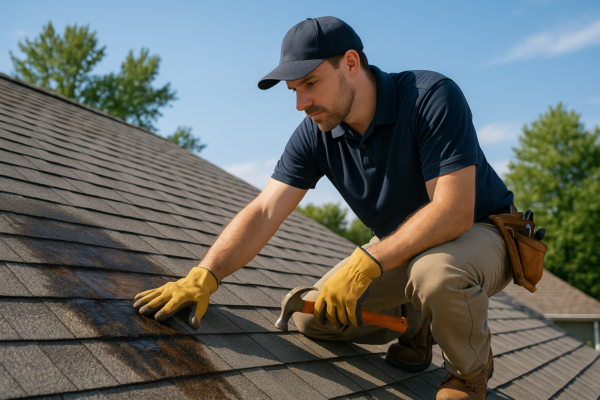
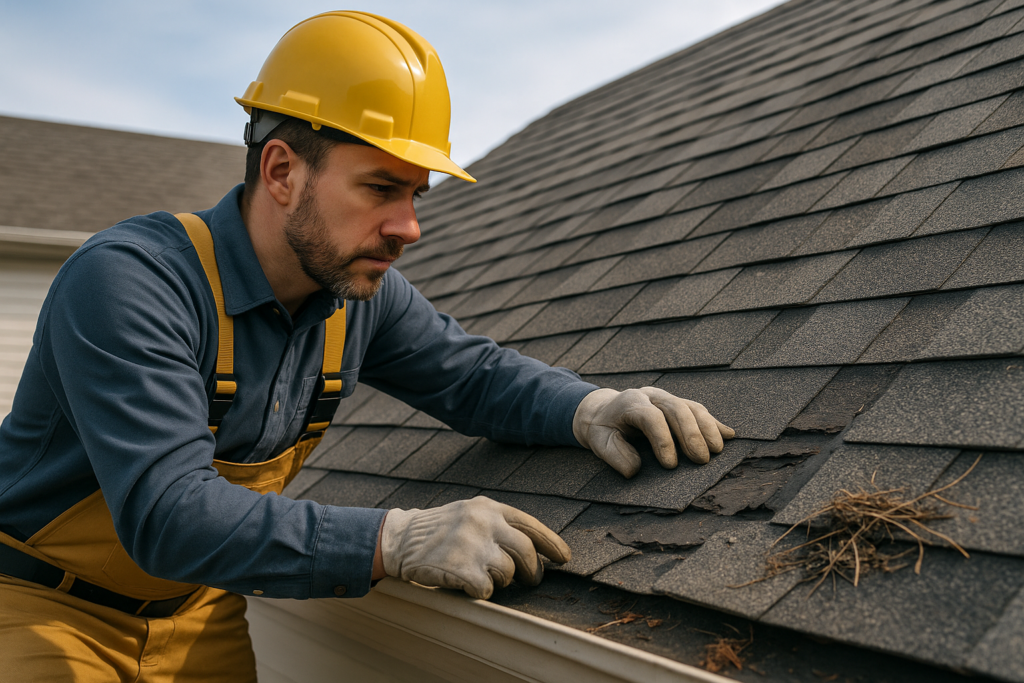
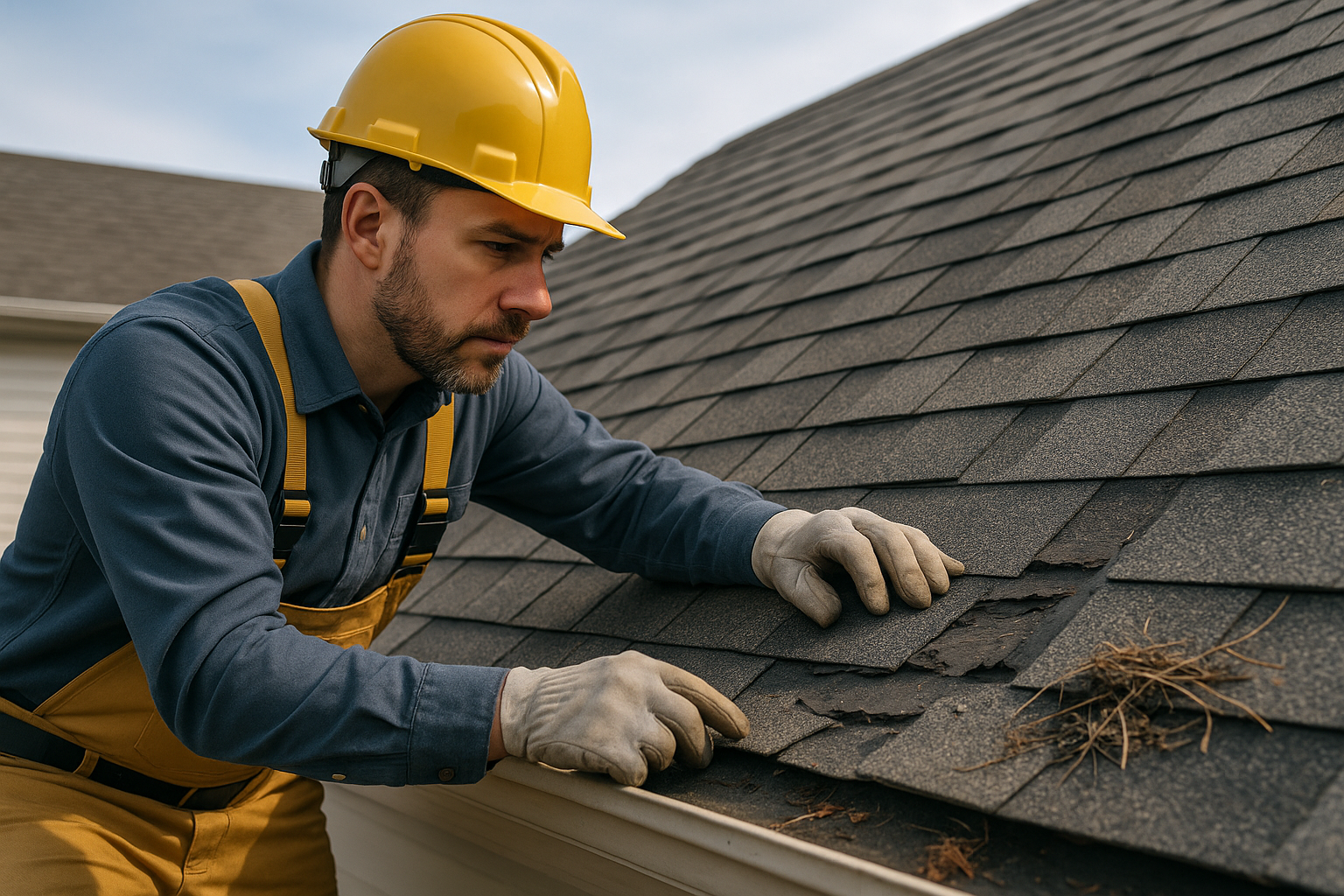
Shingles can suffer from various types of damage, such as cracking, curling, or blistering, due to prolonged sun exposure or storms. In California, the intense sun can cause asphalt shingles to become brittle and crack over time. Regularly inspecting your roof for damaged shingles and promptly replacing them is essential to prevent leaks and further structural problems.
For replacements, the cost of shingles varies based on material. Asphalt shingles are the most affordable, ranging from $100 to $150 per square, while metal shingles can cost between $300 to $500 per square. Choosing low maintenance metal roofing options might initially be more expensive but offer long-term benefits.
Flashing Failures
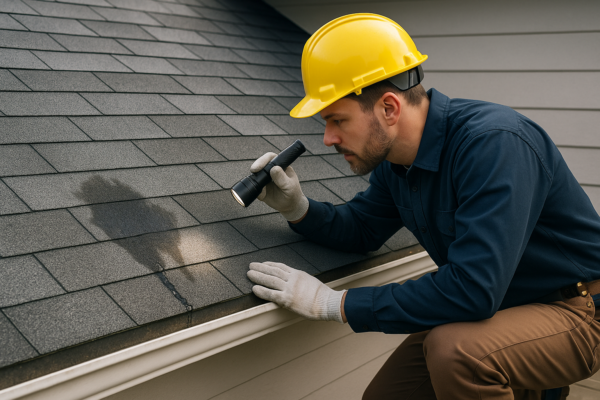
Flashing is designed to create a watertight barrier at roof intersections, such as around chimneys and vent pipes. If the flashing is improperly installed or deteriorates, it can lead to significant water damage. Inspect your roof’s flashing for signs of rust or detachment and repair or replace as needed.
Using metal flashing, which costs about $5 to $10 per linear foot, can be a more durable option compared to other materials. Regular inspections and maintenance can help avoid costly repairs in the future. For more detailed guidance, browse our preventive maintenance tips.
Proactive Roof Maintenance Strategies
Regular Inspections
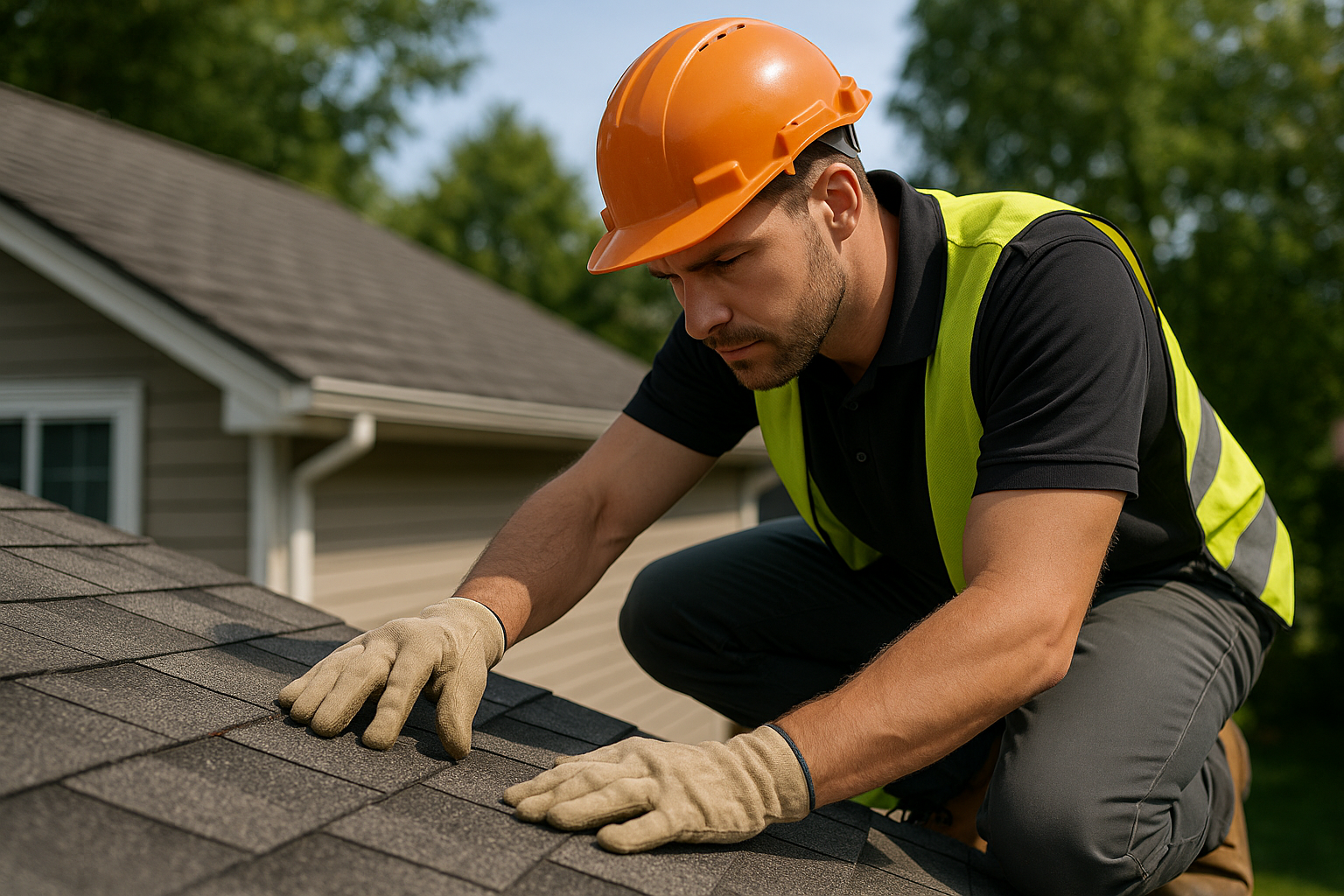
Conducting regular roof inspections is a proactive measure to identify potential issues before they escalate. Ideally, you should inspect your roof biannually and after major storms. During inspections, look for signs of wear and tear, such as missing shingles, rusted flashing, or debris accumulation.
Hiring a professional for detailed inspections can cost around $200 to $500, but it can save you from costly repairs by identifying issues early. Learn more about the essentials of roof maintenance for comprehensive guidance.
Cleaning Gutters and Downspouts
Clogged gutters and downspouts can cause water to back up, leading to leaks and potential roof damage. Regular cleaning, especially in the fall when leaves accumulate, is crucial. A simple gutter cleaning can cost as little as $75 to $150, making it an affordable preventive measure.
Ensure downspouts are directing water at least three feet away from the house foundation to prevent intrusion. Consider installing gutter guards to minimize debris buildup, which can further reduce maintenance needs.
Seasonal Maintenance
Seasonal maintenance is crucial for adapting to the varying weather conditions in Southern California. In the hot summer months, ensure your roof is adequately ventilated to prevent heat damage. During the rainy season, check for leaks and clear any debris from the roof surface.
Following a seasonal roof maintenance checklist can help you stay on top of necessary tasks, ensuring your roof remains in optimal condition year-round.
Choosing the Right Roofing Materials
Asphalt Shingles
Asphalt shingles are the most common roofing material due to their affordability and ease of installation. They are suitable for most residential roofs and come in various styles and colors. However, they may not last as long as other materials under the intense California sun, typically requiring replacement every 15-20 years.
When considering asphalt shingles, evaluate the manufacturer’s warranty and the material’s resistance to UV rays. Investing in high-quality shingles can extend the life of your roof and reduce maintenance needs.
Metal Roofing
Metal roofing is gaining popularity due to its durability and energy efficiency. It reflects solar heat, which can reduce cooling costs by up to 25%. While the initial installation cost is higher, typically between $300 to $800 per square, the longevity and low maintenance requirements make it a cost-effective choice.
Metal roofs can last 40-70 years with minimal maintenance, making them an excellent option for long-term savings. Explore the benefits of metal roofing to determine if it’s right for your home.
Flat Roofing Solutions
Flat roofs are common in both residential and commercial properties. They require unique materials such as TPO, EPDM, or modified bitumen, each offering distinct advantages. TPO and EPDM are known for their durability and energy efficiency, while modified bitumen is prized for its cost-effectiveness.
Ensuring proper installation and regular maintenance can prevent issues like ponding water and leaks. For more information, consider exploring flat roof waterproofing solutions to enhance durability.
Frequently Asked Questions
How often should I have my roof inspected?
It is recommended to have your roof inspected at least twice a year, typically in the spring and fall. Additionally, inspections should be conducted after significant weather events to address any immediate damage.
What are the signs of a failing roof?
Common signs include missing or damaged shingles, water stains on ceilings, visible sagging, and increased energy bills due to poor insulation. Addressing these issues early can prevent more extensive damage.
Can I perform roof repairs myself?
While minor repairs like replacing a few shingles can be done by homeowners, more complex issues such as leaks or flashing repairs are best handled by professionals to ensure safety and effectiveness.
What is the average lifespan of a roof?
The lifespan of a roof varies based on material. Asphalt shingles typically last 15-20 years, metal roofs can last 40-70 years, and flat roofing materials range from 10-30 years depending on maintenance and installation quality.
Conclusion
Understanding and addressing **common roofing problems and solutions** is essential for maintaining your home’s integrity and value. Regular inspections, timely repairs, and choosing the right materials can significantly extend the life of your roof. For professional assistance and more detailed guidance, consider exploring the comprehensive roofing services offered by Roof Titan. Taking these proactive steps will ensure your roof remains in excellent condition, protecting your home for years to come.