Essential Guide to Commercial Flat Roofing Solutions Near You
Choosing the right **commercial flat roofing contractors near me** can be a daunting task, especially when considering the array of solutions available for your business. Whether you’re dealing with frequent roof leaks or exploring new installations, understanding the best options can significantly impact your property’s longevity and energy efficiency. This guide will help you navigate the essential aspects of commercial flat roofing, ensuring you make informed decisions.
Key Takeaways
- Understanding the different types of **commercial flat roofing solutions** can prevent costly repairs.
- Choosing the right contractor ensures quality installation and maintenance.
- Regular maintenance and timely repairs extend the life of your commercial roof.
- Investing in eco-friendly and energy-efficient roofing options can reduce energy costs.
- Contacting local professionals for consultations and estimates can offer significant insights and savings.
Types of Commercial Flat Roofing Solutions
Built-Up Roofing (BUR) Systems
Built-up roofing, commonly known as BUR, has been a staple in the commercial roofing industry for decades. This type of roof consists of multiple layers of bitumen and reinforcing fabrics which create a durable membrane. It is particularly popular due to its excellent waterproofing capabilities and resistance to UV rays.
In Southern California, where the sun is often intense, BUR systems provide a reliable solution. The layers act as a barrier against the heat, helping to maintain a cooler interior environment. The typical cost for BUR systems ranges between $4 to $7 per square foot, depending on the materials used and the complexity of the roof structure.
For more detailed information on **flat roof installation**, you can explore our comprehensive guide on commercial flat roof installation.
Modified Bitumen Roofing
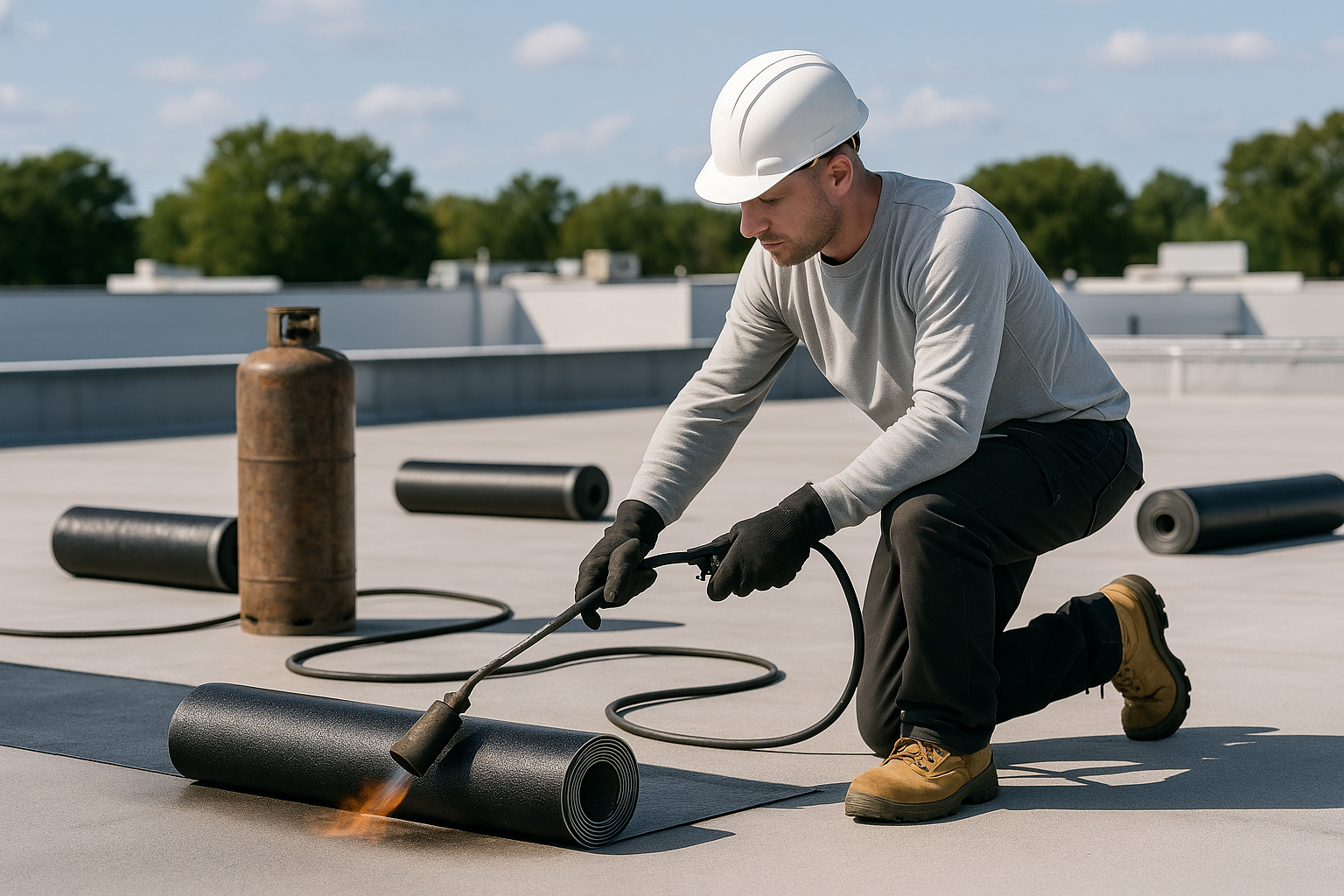
Modified bitumen roofing is an evolution of the BUR system. It features a combination of asphalt and polymerized rubber or plastic, offering enhanced flexibility and strength. This roofing type is ideal for buildings that experience a wide range of temperatures, as it can expand and contract without cracking.
The installation process for modified bitumen involves laying down sheets that are either torch-applied, cold-applied, or self-adhered. This versatility allows for a customized approach depending on your building’s specific needs. Costs typically fall between $3 to $6 per square foot.
Considering a modified bitumen roof? Learn about its advantages and how it compares with other **commercial roofing types** by visiting our complete guide to commercial roofing types.
Single-Ply Membrane Roofing
Single-ply membrane roofing is an increasingly popular choice for commercial properties due to its straightforward installation and cost-effectiveness. This roofing system consists of sheets of rubber or synthetic materials that are ballasted, mechanically fastened, or chemically adhered to insulation, creating a layer of protection.
Among the single-ply options, EPDM and TPO are the most common. EPDM, or ethylene propylene diene terpolymer, is known for its durability and resistance to UV radiation. TPO, or thermoplastic polyolefin, offers excellent energy efficiency and is often selected for its reflective properties. The cost for single-ply roofing can range from $5 to $12 per square foot, depending on the material and installation method.
Explore the benefits of TPO roofing systems for your commercial property to determine if this is the right choice for your business.
Choosing the Right Commercial Flat Roofing Contractors
Evaluating Contractor Experience and Reputation
When searching for **commercial flat roofing contractors near me**, it’s crucial to assess their experience and reputation. A reputable contractor should have extensive experience in handling various flat roofing systems and a track record of successful installations and repairs. Checking online reviews and asking for references can provide insight into a contractor’s reliability and quality of work.
In addition to reputation, ensure the contractor is licensed and insured. This protects you from potential liabilities and ensures that the contractor abides by industry standards and local regulations. For more on what to look for in a contractor, see our article on local commercial roofing contractors.
Understanding the Scope of Services
Before hiring a contractor, it’s important to understand the range of services they offer. A comprehensive contractor should provide installation, maintenance, and repair services. Regular maintenance is vital for extending the lifespan of your roof and preventing costly repairs.
Additionally, inquire if the contractor offers emergency repair services. Unexpected damages, such as those caused by storms, require prompt attention to prevent further damage. For a detailed look at maintenance and repair services, check our roof leak repair services guide.
Obtaining Estimates and Comparing Quotes
Once you’ve narrowed down your list of potential contractors, request detailed estimates for your project. A thorough estimate should include the cost of materials, labor, and any additional fees. Comparing quotes from multiple contractors can help you identify the best value for your investment.
Remember, the lowest quote isn’t always the best choice. Consider the quality of materials and the contractor’s expertise. Investing in a high-quality installation can save you money on future repairs and replacements.
For more insights into cost considerations, visit our article on the cost of commercial roofing installation.
Maintaining Your Commercial Flat Roof
Regular Inspections and Maintenance
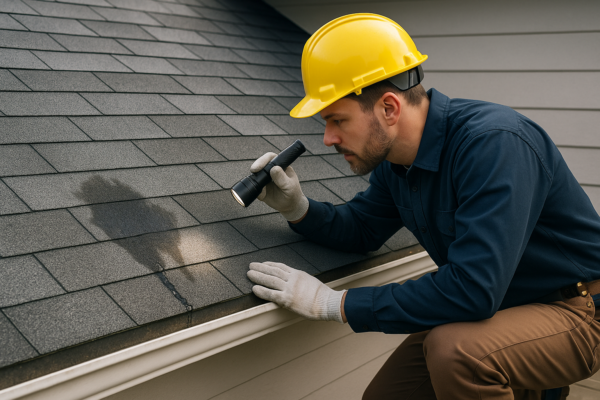
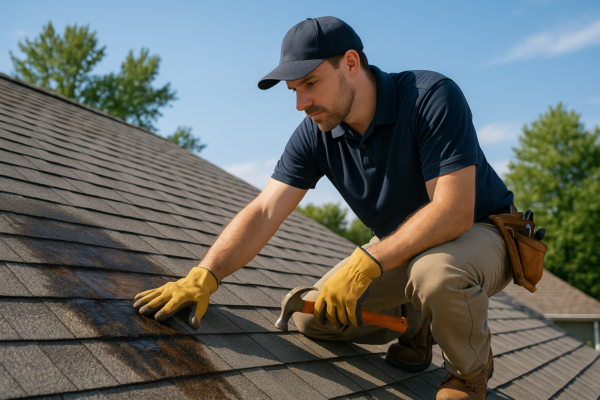
Maintaining your commercial flat roof is essential for prolonging its lifespan and preventing potential issues. Regular inspections can identify minor problems before they escalate into costly repairs. It’s recommended to schedule inspections at least twice a year, ideally in the spring and fall.
During inspections, check for signs of wear and tear, such as cracks, blisters, and ponding water. Addressing these issues promptly can prevent further damage and extend the life of your roof. For a detailed guide on maintenance practices, you can explore our comprehensive roofing services in California.
Addressing Common Flat Roof Issues
Flat roofs, while durable, are susceptible to certain issues. Ponding water, caused by poor drainage, can lead to leaks and structural damage if not addressed quickly. Similarly, UV exposure can deteriorate roofing materials over time, leading to cracks and splits.
To mitigate these issues, ensure proper drainage systems are in place and consider applying UV-resistant coatings. These coatings can reflect sunlight, reducing heat absorption and prolonging the roof’s life. For more on repairing flat roof issues, see our guide on flat roof repair near you.
Implementing Eco-Friendly Solutions
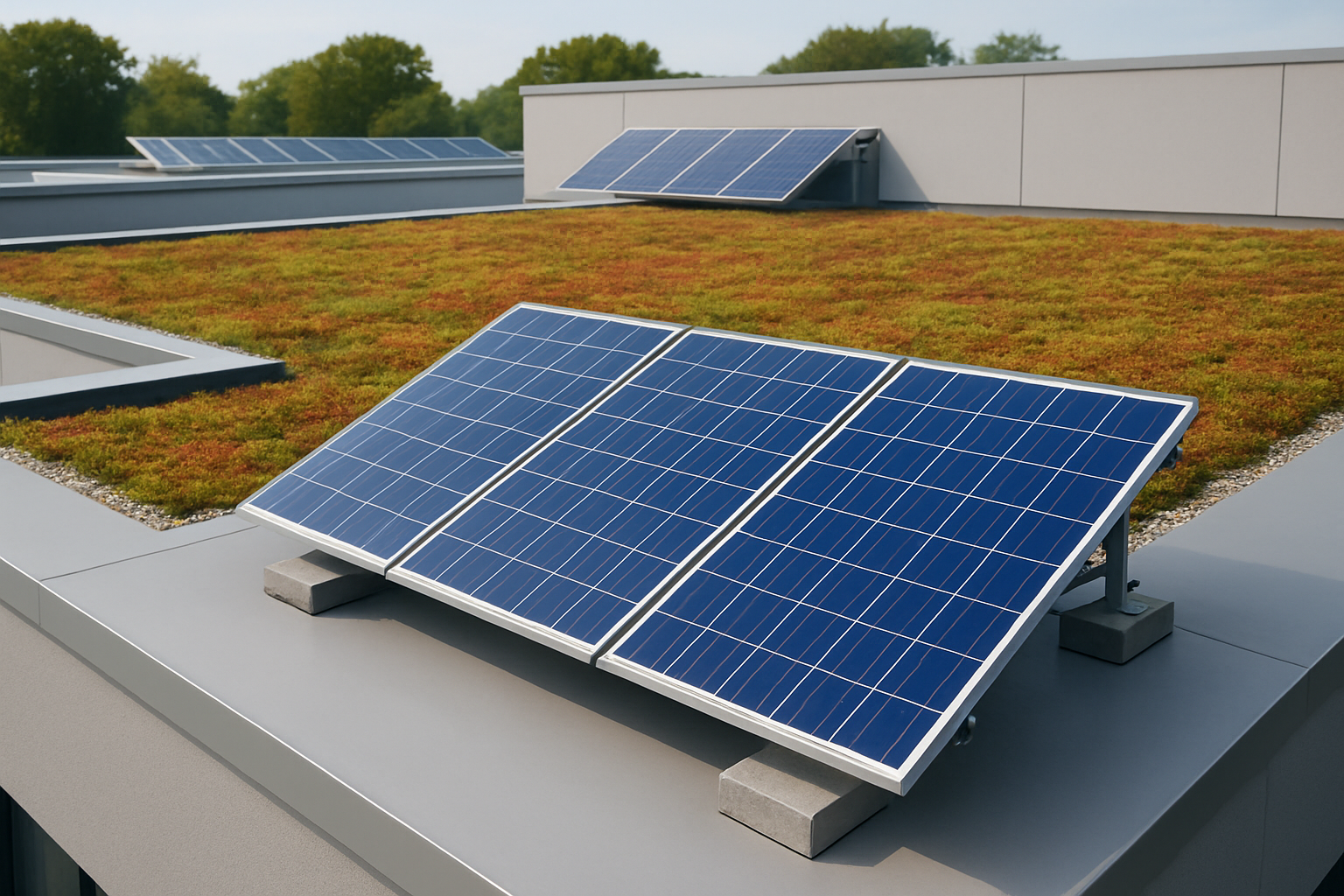
As sustainability becomes increasingly important, many businesses are turning to eco-friendly roofing solutions. Green roofs, which incorporate vegetation, provide natural insulation and reduce energy costs. Additionally, they help manage stormwater runoff and improve air quality.
Another option is the use of reflective roofing materials, such as TPO or cool roofs, which can significantly lower cooling costs by reflecting solar radiation. For businesses in Southern California, where energy efficiency is crucial, these solutions offer both environmental and economic benefits.
Explore our article on eco-friendly commercial roofing solutions for a deeper understanding of sustainable options.
Frequently Asked Questions
What are the most durable materials for a commercial flat roof?
Some of the most durable materials for commercial flat roofs include EPDM, TPO, and modified bitumen. These materials offer excellent resistance to weather elements and UV exposure. For a detailed comparison, see our article on highly durable roofing materials.
How often should I have my commercial flat roof inspected?
It’s recommended to have your commercial flat roof inspected at least twice a year, typically before and after the harshest weather seasons. Regular inspections can help identify potential issues early and prevent costly repairs down the line.
Can I install solar panels on a commercial flat roof?
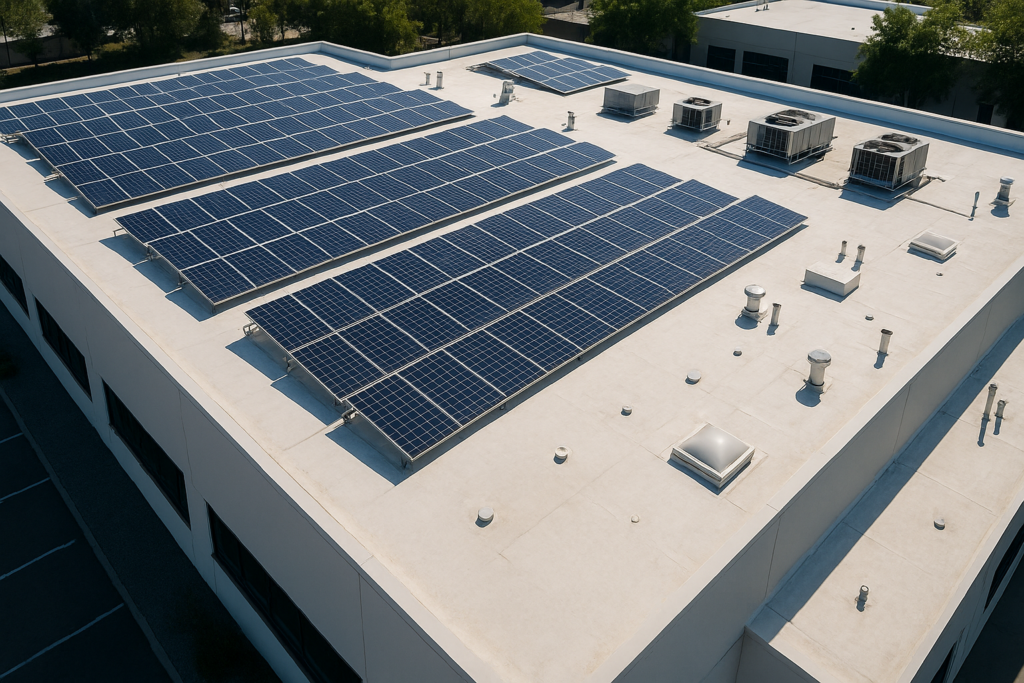
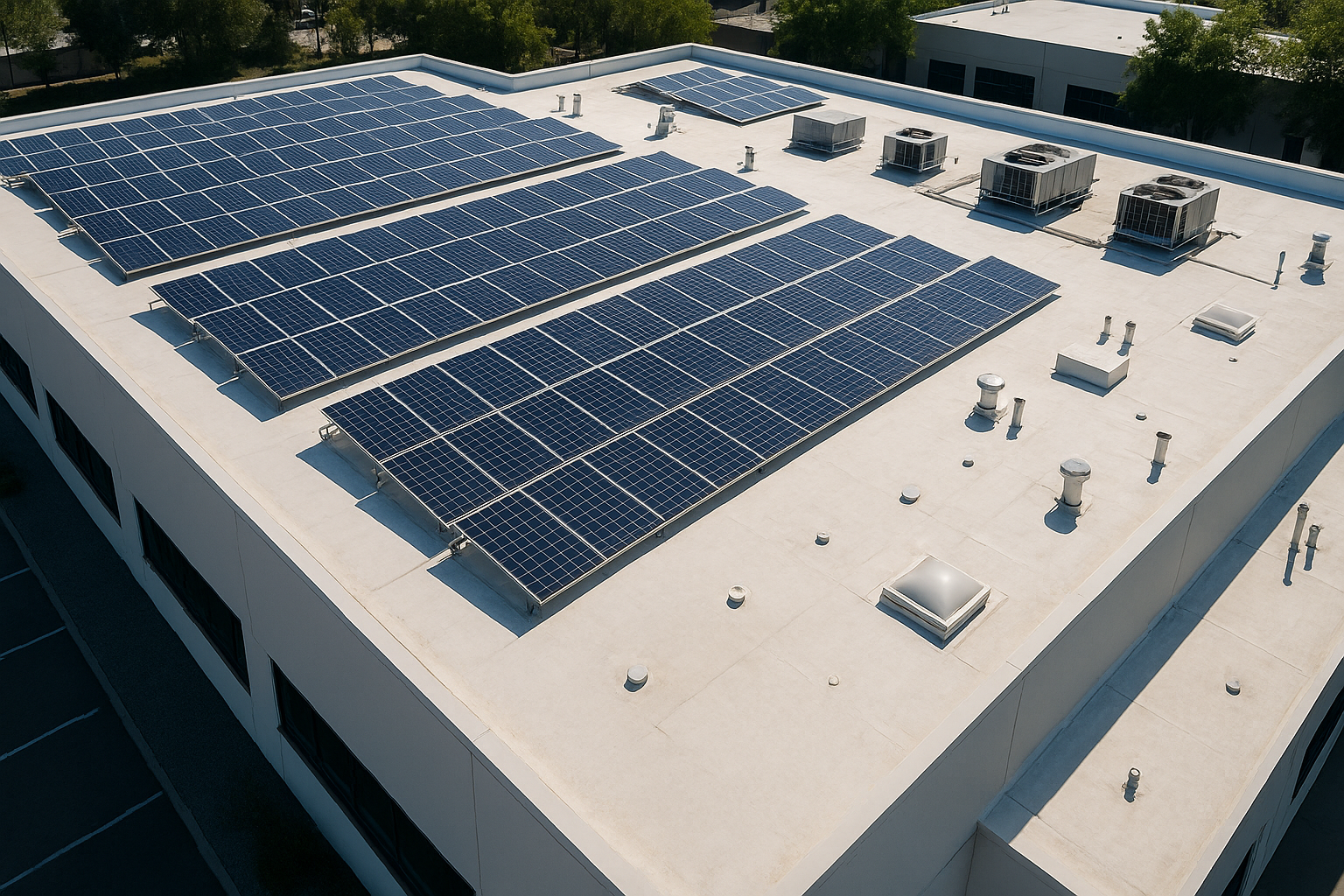
Yes, commercial flat roofs are ideal for solar panel installations. Their flat surface allows for optimal placement and angle adjustment of solar panels, maximizing energy efficiency. Ensure your roof structure can support the additional weight and consult with a professional for the best results.
What are the benefits of choosing a green roof for my business?
Green roofs offer numerous benefits, including improved insulation, reduced energy costs, and enhanced stormwater management. They also contribute to better air quality and provide a natural aesthetic. For more information, explore our guide on eco-friendly commercial roofing solutions.
Conclusion
Choosing the right **commercial flat roofing contractors near me** is a critical step in ensuring the longevity and efficiency of your business’s roof. By understanding the different types of roofing solutions, evaluating potential contractors, and maintaining your roof, you can protect your investment and enhance your property’s value. For additional insights and to get a free consultation, visit our commercial roofing services page and connect with a professional today.