Understanding the Cost Variations: What Roofing Material Fits Your Budget Best?
When considering a new roof, a common question is, “Can I expect price differences between various roofing materials?” With numerous options available, each with unique qualities and costs, homeowners often seek to understand these variations to make informed decisions. This guide delves into the factors influencing roofing material costs, helping you determine the best fit for your budget.
Key Takeaways
- Different roofing materials come with distinct cost implications, affecting your overall roofing budget.
- Materials like asphalt shingles offer affordability, while metal and slate provide durability at a higher cost.
- Climate considerations in California can influence the ideal roofing choice for energy efficiency and longevity.
- Understanding installation and maintenance costs is crucial for a comprehensive budget plan.
Factors Influencing Roofing Material Costs
Material Types and Their Basic Costs
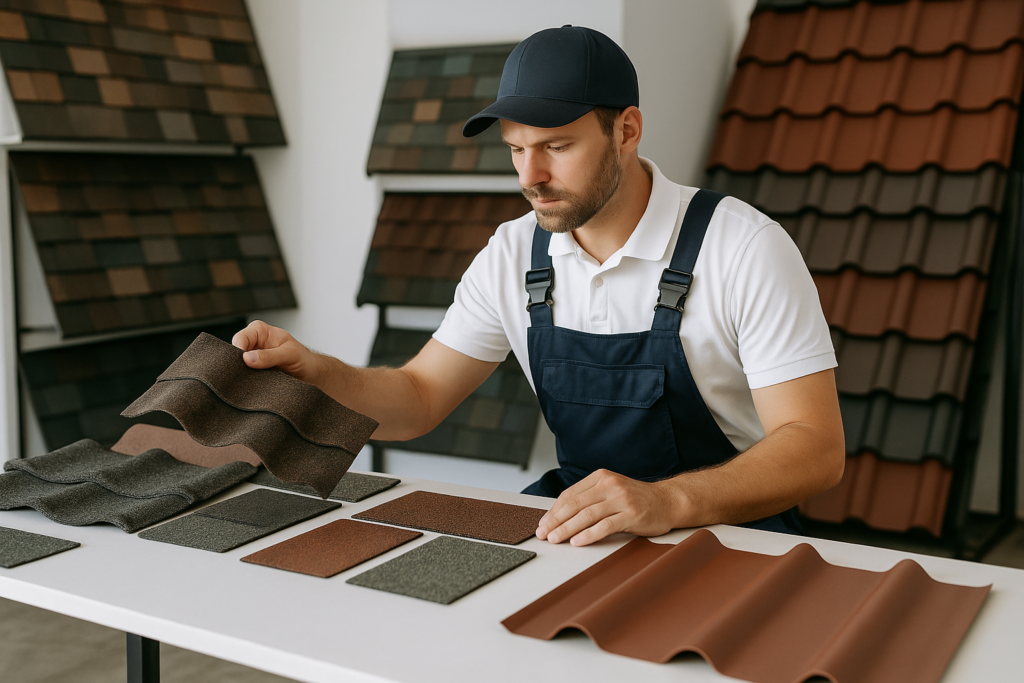
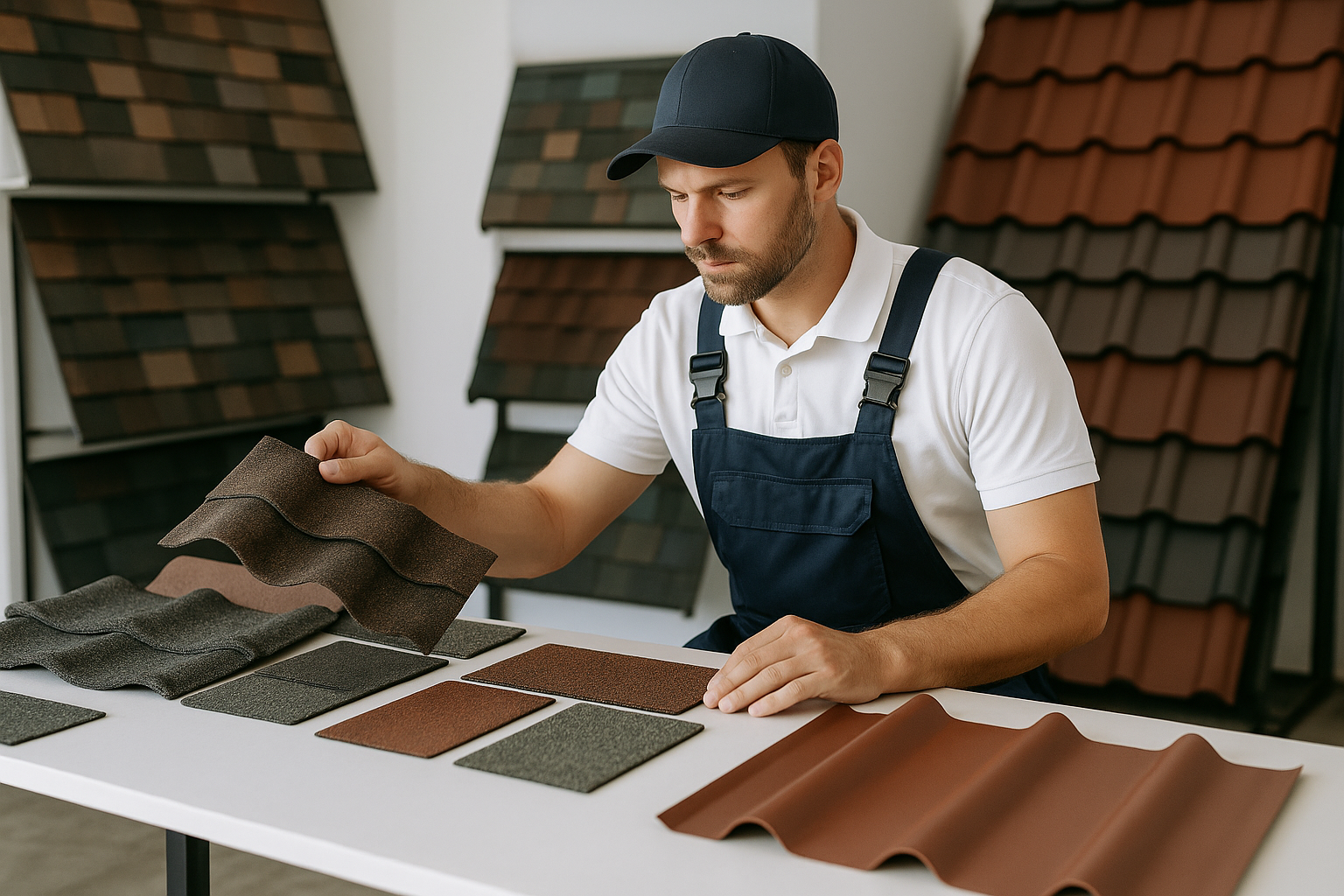
When evaluating “Can I expect price differences between various roofing materials?“, it’s essential to start with basic costs. Common materials vary significantly in price:
| Material | Average Cost per Square Foot | Durability (Years) |
|---|---|---|
| Asphalt Shingles | $1.50 – $5.50 | 15-30 |
| Metal Roofing | $7.00 – $12.00 | 40-70 |
| Slate Tiles | $10.00 – $30.00 | 75-100 |
| Clay Tiles | $8.00 – $25.00 | 50-100 |
| Wood Shakes | $6.00 – $12.00 | 30-50 |
These numbers highlight how costs can vary widely. For instance, metal roofing offers long-term durability and energy efficiency benefits, potentially offsetting higher initial costs. On the other hand, asphalt shingles remain a popular choice for budget-conscious homeowners.
Installation Complexity and Labor
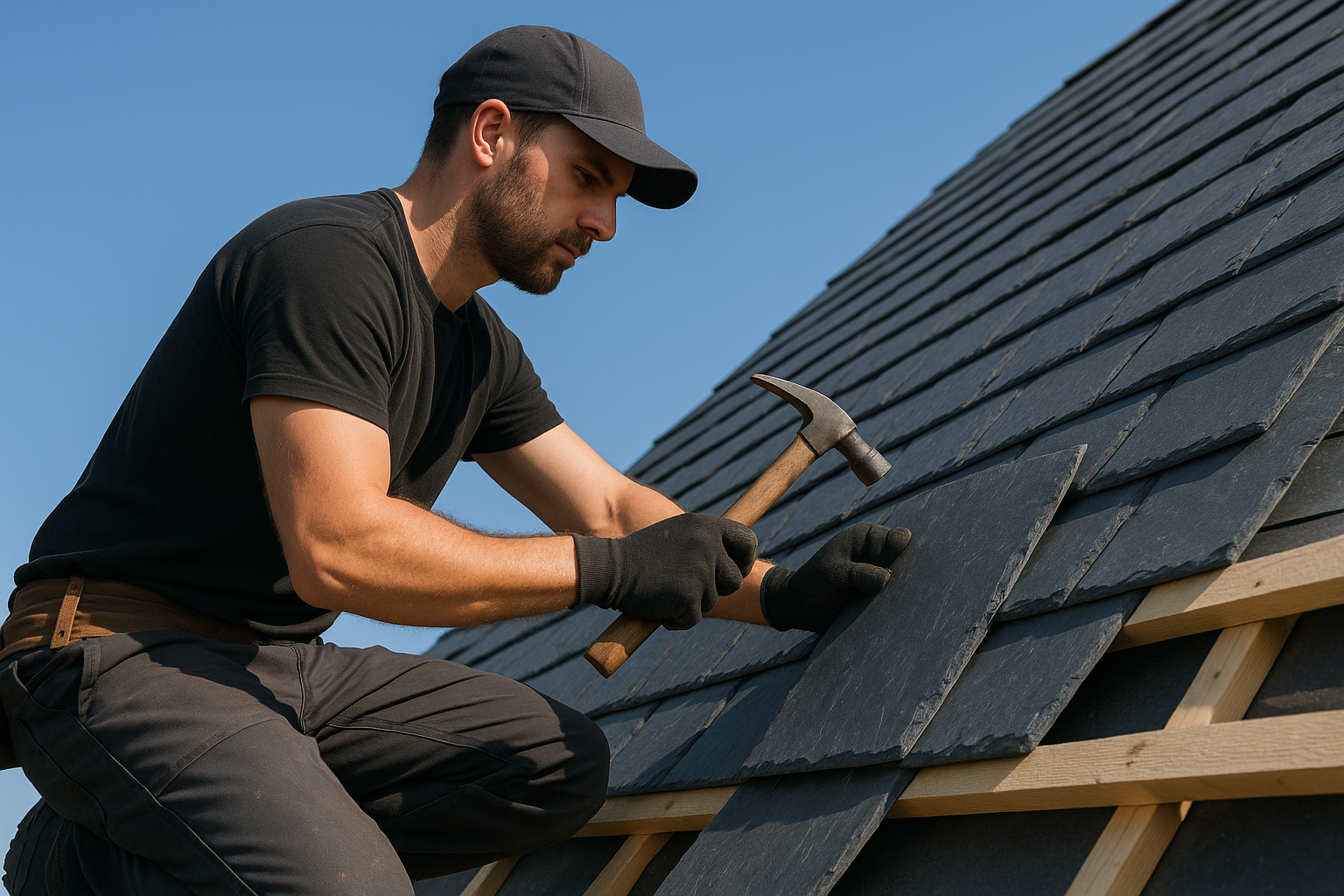
Beyond material costs, installation complexity plays a crucial role. Materials like slate and clay tiles require specialized skills and tools, often increasing labor costs. For instance, commercial roofing cost estimates factor in both materials and labor, highlighting the importance of skilled installation.
In Southern California, where climate conditions can vary, ensuring proper installation is crucial to prevent issues like leaks. You can explore more about roof leak repairs to understand potential pitfalls of improper installation.
Maintenance and Longevity
Long-term maintenance is another critical consideration. Materials like metal and slate, though initially expensive, often lead to lower maintenance costs over time due to their durability. Conversely, wood shakes, while aesthetically pleasing, may require regular treatments to maintain their integrity against pests and weather.
Understanding these factors can guide you in choosing materials that balance upfront costs with long-term savings. For detailed insights into how different materials affect project budgets, you can refer to the types of commercial roofing available.
Comparing Roofing Materials for Different Needs
Climate Considerations in California
The California climate, particularly in the San Gabriel Valley, poses unique challenges. Hot summers and occasional heavy rains necessitate materials that offer both heat resistance and robust waterproofing. For example, metal roofs reflect sunlight, significantly reducing cooling costs during summer months.
For more tailored advice on choosing the best material for your specific location, you might explore environmental regulations for roofing materials and their impact on roofing choices.
Energy Efficiency and Insulation
Energy efficiency is a growing concern for many homeowners. Materials like metal and certain types of asphalt shingles are designed to reflect more sunlight and heat, contributing to lower energy bills. When evaluating “Can I expect price differences between various roofing materials?“, consider potential energy savings alongside material costs.
A comprehensive understanding of these factors is crucial for making informed decisions that align with environmental goals and budget constraints.
Style and Aesthetic Preferences
While functional considerations are paramount, aesthetics play a significant role in your decision. Slate and clay tiles offer a classic, timeless look but at a premium price. Asphalt shingles, available in various colors and styles, provide versatility at a lower cost.
- Consider how the material complements your home’s exterior design.
- Think about resale value; some materials may enhance your home’s market appeal.
- Ensure the choice aligns with local architectural guidelines.
For more guidance on complying with local standards, visit local commercial roofing laws.
Cost-Effective Roofing Solutions
Budget-Friendly Options
If budget constraints are your primary concern, asphalt shingles are often the go-to option. They offer a balance of affordability, ease of installation, and a reasonable lifespan. However, it’s important to consider potential long-term maintenance costs.
To ensure you’re making a well-rounded decision, explore potential hidden fees in roofing estimates that might affect your budget.
Long-Term Investment Choices
For those willing to invest more initially, metal and slate roofs provide excellent longevity and low maintenance, often proving cost-effective over time. These materials are particularly beneficial in areas with harsh weather conditions, ensuring durability and reducing repair costs.
Learn more about the benefits of metal roofing to understand how it might suit your long-term investment goals.
Balancing Cost and Quality
Striking a balance between cost and quality involves careful consideration of both immediate and future expenses. Homeowners should evaluate not only the initial outlay but also potential savings from reduced energy bills and maintenance.
For detailed insights into balancing these factors, consider reading about the factors influencing roofing project pricing.

Frequently Asked Questions
How do I choose between different roofing materials?
Consider factors such as your budget, the local climate, aesthetic preferences, and long-term maintenance needs. Consulting resources on roof inspections and environmental regulations can also provide valuable guidance.
Can roofing material affect my home’s energy efficiency?
Yes, materials like metal and reflective asphalt shingles can significantly impact energy costs by reflecting more sunlight and heat. This leads to lower cooling expenses, particularly in sunny climates like Southern California.
Are there hidden costs I should be aware of when choosing roofing materials?
Potential hidden costs can include installation complexity, maintenance needs, and local compliance requirements. It’s crucial to get detailed estimates and understand all associated expenses, as outlined in roofing estimates contracts.
What are the most durable roofing materials?
Slate and metal roofs are among the most durable options, often lasting over 50 years with minimal maintenance. Their high initial cost is typically offset by their long lifespan and reduced need for repairs.
Conclusion
Understanding “Can I expect price differences between various roofing materials?” is pivotal for making informed roofing decisions. By considering factors such as material costs, installation complexities, and long-term maintenance, you can choose a roofing solution that aligns with your budget and meets your specific needs. Whether you’re opting for the affordability of asphalt shingles or the longevity of metal roofing, ensure all decisions are backed by comprehensive research and professional guidance. For more information, visit our Roof Leak Repair Services.