Understanding How Weather Conditions Affect the Durability of Commercial Roofing Materials
In the diverse climate of Southern California, understanding how weather impacts the lifespan of commercial roofing materials is essential for business owners. From intense sun exposure to unexpected storms, each weather condition uniquely affects roofing durability and maintenance needs. This article will explore the various ways weather influences commercial roofing, providing you with valuable insights to protect your investment effectively.
Key Takeaways
- Extreme weather conditions, including heat, rain, and wind, significantly affect the lifespan of commercial roofing materials.
- Regular maintenance and timely repairs are critical to extend your roof’s life and mitigate weather-related damage.
- Different roofing materials respond differently to weather; selecting the right one for your climate is crucial.
- Understanding local climate impacts helps optimize roofing choices and prolongs roof durability.
The Impact of Temperature on Commercial Roofing
Heat and UV Radiation Effects
The intense heat and UV radiation prevalent in Southern California can severely degrade roofing materials. Prolonged exposure to high temperatures causes roofing materials, such as asphalt shingles and membranes, to expand and contract. This thermal cycling leads to cracks and eventual deterioration.
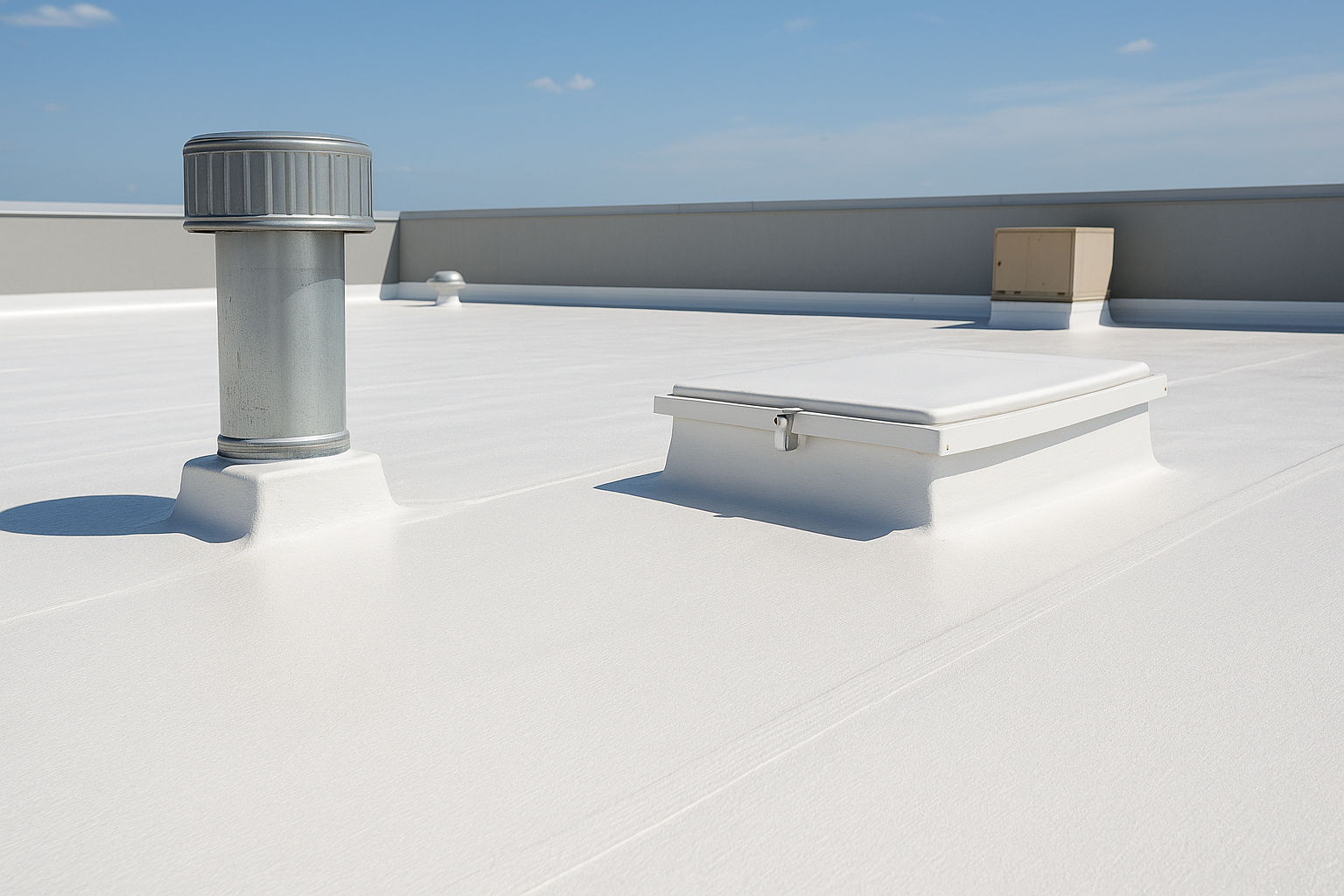
UV radiation further exacerbates the problem by breaking down the chemical bonds in roofing materials, resulting in fading, brittleness, and reduced waterproofing capabilities. To mitigate these effects, consider materials with high UV resistance and reflective coatings that reduce heat absorption.
Cold Weather and Thermal Shock
While extreme cold is less common in California, sudden temperature drops can still pose risks to roofing systems. Thermal shock occurs when rapid temperature changes cause materials to expand and contract quickly, leading to stress fractures. This is particularly problematic for metal roofing, which is susceptible to such thermal movements.
To combat thermal shock, using flexible materials like TPO or EPDM can be beneficial. These materials maintain their structural integrity over a wide temperature range, offering resilience against sudden weather changes.
Comparing Roofing Materials for Temperature Resilience
| Material | Temperature Resilience | Average Lifespan (years) |
|---|---|---|
| Asphalt Shingles | Moderate | 15-20 |
| Metal Roofing | High | 40-70 |
| TPO Membrane | High | 25-30 |
| EPDM Rubber | High | 20-25 |
The Role of Precipitation in Roofing Durability
Rainwater and Drainage Issues
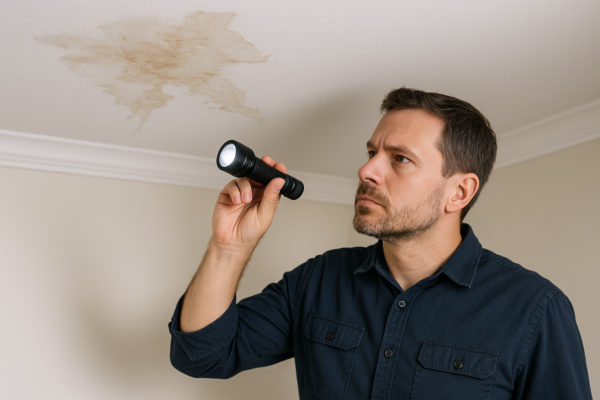
Heavy rainfall, although infrequent, can lead to significant roofing challenges if your roof lacks adequate drainage. Poor drainage results in ponding water, which can penetrate roofing membranes and cause leaks. Ensuring your roofing system includes proper slope and drainage is crucial to mitigate these risks.
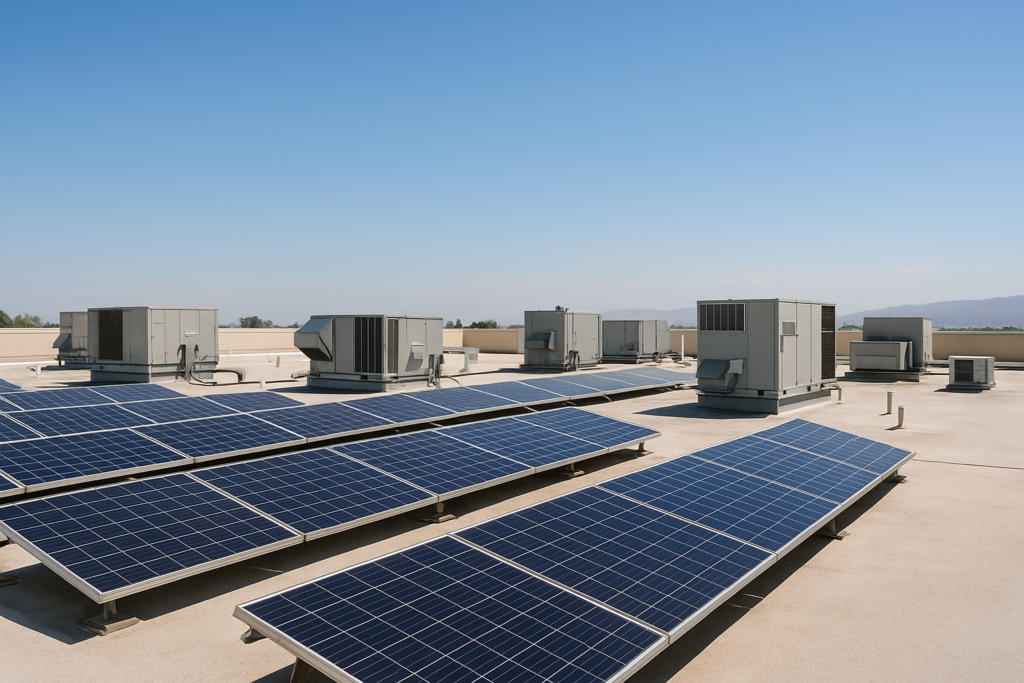
Regular inspections and maintenance, such as clearing debris from gutters and drains, can prevent water accumulation. For more comprehensive water protection, consider installing a waterproof membrane on your flat roof. Learn about various flat roofing options for commercial properties to enhance drainage and waterproofing strategies.
Snow and Ice Considerations
Though rare, snow and ice can occasionally affect roofs in higher altitudes or during unusual cold fronts. These elements add weight and can cause ice dams, leading to water infiltration beneath roofing materials. Commercial roofs should be designed to handle such loads and prevent ice dam formation.
Materials like metal or asphalt shingles with proper insulation can effectively manage snow loads. Regular maintenance to remove snow buildup is also essential to prevent ice-related damage.
Practical Tips for Managing Precipitation Effects
- Regularly clean and inspect gutters and drainage systems to ensure optimal water flow.
- Consider adding a waterproof membrane to protect against leaks in flat roofing systems.
- Plan for occasional snow or ice by reinforcing roof structure and insulation.
Wind and Storm Impacts on Roofing Systems
High Winds and Material Stability
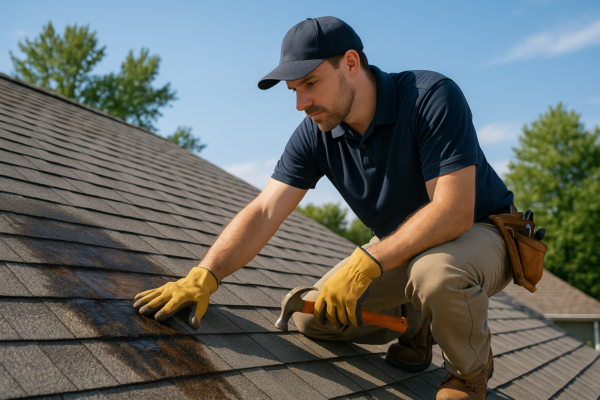
High winds are a common concern in Southern California, posing a risk to the integrity of roofing systems. Winds can lift shingles and other materials, causing them to detach and expose the roof deck to the elements. This process not only leads to immediate damage but also accelerates the deterioration of the underlying structure.
Choosing materials with high wind resistance, such as metal roofing, can significantly reduce wind-related damage. Additionally, ensuring that all materials are correctly installed and secured is paramount. Review roofing material lifespan comparisons to understand which options offer the best wind resistance for your area.
Storm Damage and Emergency Repairs
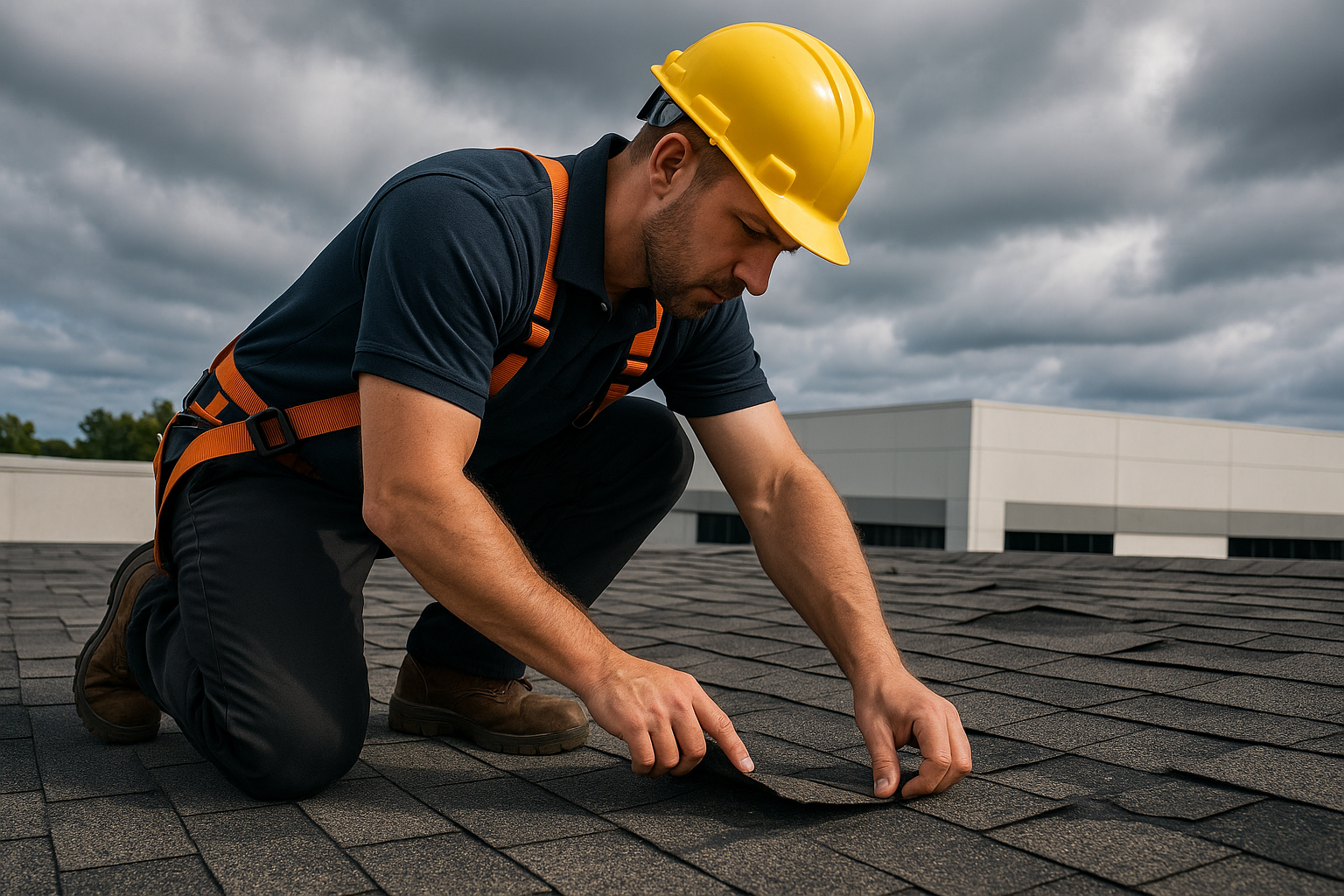
Storms can cause sudden, severe damage to commercial roofing systems. From fallen branches to hail impact, the aftermath of a storm can leave roofs vulnerable to leaks and structural damage. It’s crucial to have a plan in place for emergency roof repairs to mitigate further harm and maintain business operations.
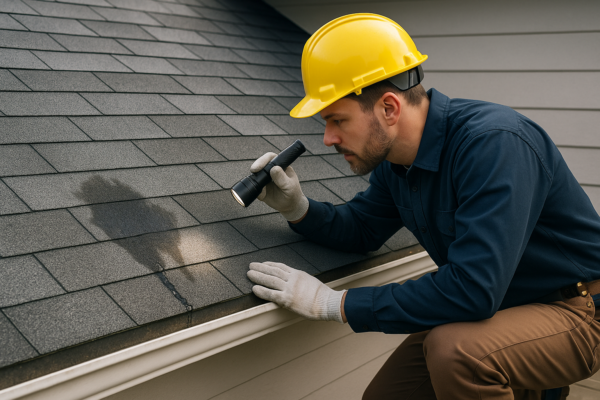
Regular inspections before and after storm seasons help identify potential vulnerabilities, allowing for timely repairs and reinforcements. Investing in durable materials and ensuring proper installation can also minimize the impact of storm damage.
Insurance and Warranties for Storm Damage
Understanding your insurance coverage and available warranties is vital for managing storm-related repairs. Many roofing contractors offer warranties that cover specific types of storm damage, providing peace of mind and financial protection. It’s essential to know what warranties to expect in commercial roofing services to ensure your investment is well-protected.
Additionally, reviewing your insurance policy to confirm coverage for natural disasters can prevent unexpected expenses. Keep detailed records of all maintenance and repairs to support any claims you may need to file.
Frequently Asked Questions
How does weather impact the lifespan of commercial roofing materials?
Weather conditions such as heat, UV radiation, rain, snow, and wind can significantly affect the durability and lifespan of commercial roofing materials. Each type of weather poses unique challenges, from thermal expansion and contraction to water damage and material erosion.
Which roofing materials are best for high-temperature areas like Southern California?
In high-temperature areas, materials with reflective properties and UV resistance, such as TPO membranes and metal roofing, are ideal. These materials reduce heat absorption and withstand thermal cycling better than traditional asphalt shingles.
What steps can I take to protect my roof from storm damage?
To protect your roof from storm damage, ensure regular maintenance and inspections, choose high wind-resistant materials, and have a plan for emergency repairs. Additionally, verify your insurance coverage and warranties for peace of mind.
Conclusion
Understanding how weather impacts the lifespan of commercial roofing materials is crucial for maintaining the integrity and longevity of your roof. By selecting appropriate materials, implementing effective maintenance strategies, and planning for potential weather-related challenges, you can safeguard your commercial property against the diverse climate conditions of Southern California. For more information on how to best protect your investment, explore our detailed guides on commercial roofing options and maintenance.