How Energy Efficiency Influences Your Choices and Costs for Commercial Roofing Solutions
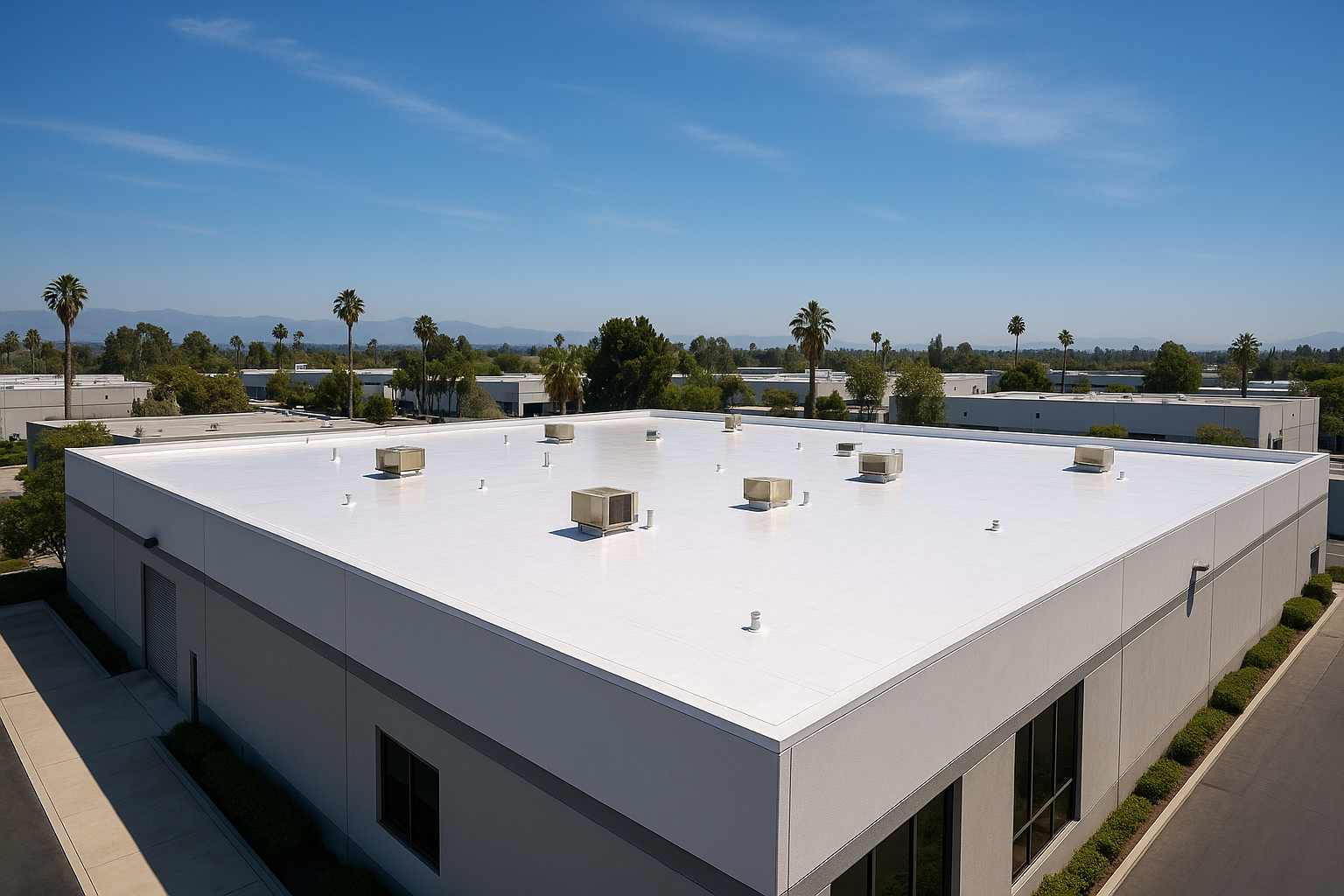
When considering the question, “How will energy efficiency impact my commercial roofing choices and costs?” it’s crucial to understand the significant influence energy efficiency has on both the selection of materials and the financial implications of commercial roofing solutions. Energy-efficient roofing not only reduces utility expenses but also extends the lifespan of the roof, making it an essential consideration for any business owner.
Key Takeaways
- Energy efficiency is a pivotal factor in commercial roofing choices, impacting both cost savings and environmental benefits.
- Reflective roofing materials can significantly reduce cooling costs in warm climates like Southern California.
- Initial investment in energy-efficient materials may be higher, but long-term savings and tax incentives can offset costs.
- Understanding different roofing materials and their energy efficiency ratings is essential for making informed decisions.
- Regular maintenance can enhance the energy efficiency and longevity of your commercial roof.
Energy-Efficient Roofing Materials
Reflective Roofing Options
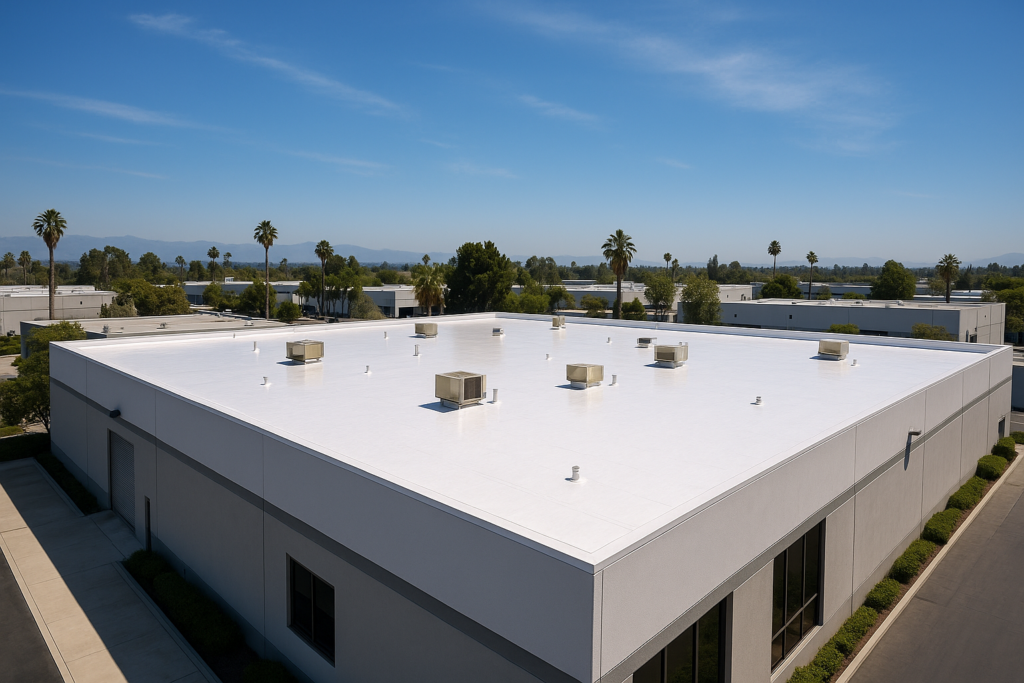
In regions like Southern California, where the sun is intense for most of the year, choosing a reflective roofing material can drastically reduce cooling costs. Materials such as TPO (Thermoplastic Olefin) and reflective coatings can reflect up to 90% of solar radiation, thereby lowering the building’s internal temperature and reducing the need for air conditioning.
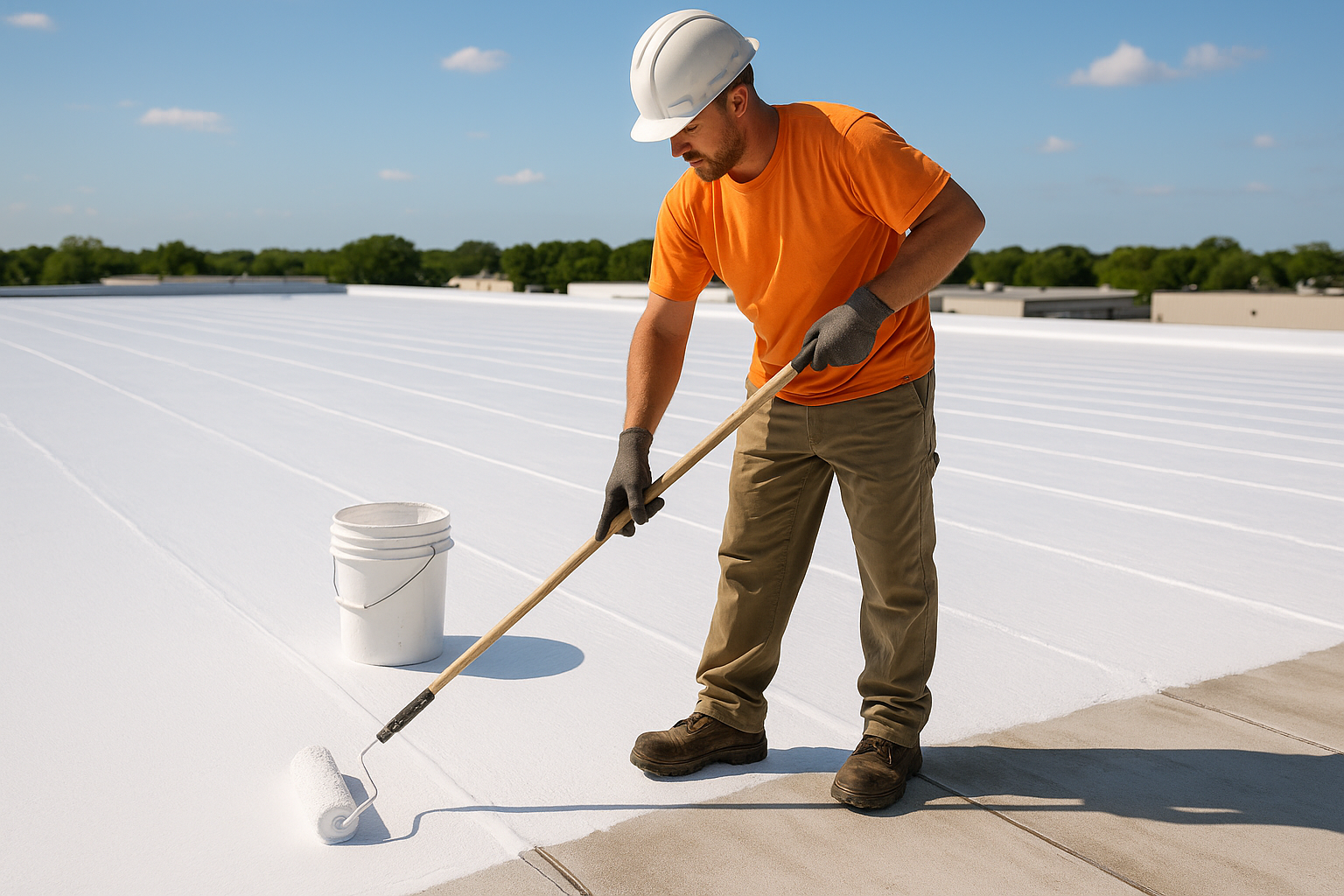
These roofing options are particularly beneficial in urban areas where “heat islands” exacerbate the ambient temperature. By selecting reflective materials, you not only save on energy costs but also contribute to reducing urban heat.
To explore more about energy-efficient roofing materials and their benefits, you can visit our detailed guide.
Insulation and Its Impact
Insulation plays a critical role in maintaining the energy efficiency of a commercial roof. Proper insulation prevents heat transfer, keeping the building warmer in winter and cooler in summer. Materials such as spray foam, polyisocyanurate panels, and fiberglass batts are commonly used for their excellent thermal resistance properties.
For a typical commercial building, investing in high-quality insulation can reduce heating and cooling costs by up to 30%. The thickness and type of insulation required will depend on your specific climate needs and building design.
Understanding the impact of local climate conditions can further guide you in choosing the right insulation for your roof.
Green Roofing Systems
Green roofs, or “living roofs,” are an innovative solution that combines energy efficiency with environmental responsibility. They consist of a waterproof membrane topped with soil and vegetation, providing natural insulation and reducing urban heat. Although the initial installation cost can be high, ranging from $10 to $25 per square foot, the long-term benefits include improved air quality, reduced stormwater runoff, and enhanced energy savings.
Green roofing systems are particularly advantageous in California’s mild climate, where they thrive and offer substantial environmental benefits. For more information on how these systems can be integrated into commercial buildings, see our section on energy-efficient commercial roofing options.
Cost Implications of Energy-Efficient Roofing
Initial Investment vs. Long-Term Savings
The upfront cost of energy-efficient roofing materials is often higher than traditional options. However, this initial investment is offset by long-term savings on utility bills and maintenance costs. For instance, installing a cool roof can reduce cooling energy use by 7% to 15% annually, providing a return on investment within 5 to 7 years.
Comparatively, traditional asphalt shingles may cost $1.50 to $3 per square foot, while energy-efficient TPO membranes might cost $5 to $10 per square foot. Despite the higher initial cost, the energy savings and potential energy tax credits can make TPO a more cost-effective choice in the long run.
| Roofing Material | Initial Cost (per sq ft) | Estimated Energy Savings |
|---|---|---|
| Asphalt Shingles | $1.50 – $3.00 | Low |
| TPO Membrane | $5.00 – $10.00 | 7% – 15% annually |
| Green Roof | $10.00 – $25.00 | High |
| Metal Roofing | $7.00 – $12.00 | 10% – 25% annually |
Understanding Energy Tax Credits
One of the significant financial benefits of investing in energy-efficient roofing is the availability of federal and state tax incentives. These credits can significantly reduce the net cost of installation. For example, the federal government offers a tax credit of up to 10% for energy-efficient improvements, including roofing.
In California, additional incentives may be available, contributing further to cost savings. It’s essential to stay informed about these opportunities to maximize your investment. Learn more about maximizing savings through commercial roofing energy tax credits.
Maintenance and Repairs
Regular maintenance is crucial for preserving the energy efficiency of your commercial roof. Inspections should be conducted bi-annually to check for damage and ensure that reflective coatings remain intact. Addressing small issues promptly can prevent costly repairs and maintain the roof’s efficiency.
For guidance on maintaining your roof, explore our article on maintenance practices that can extend the lifespan of your commercial roofing.
Practical Tips for Enhancing Roof Energy Efficiency
Choosing the Right Materials and Design
When selecting materials for your commercial roof, consider both the environmental conditions and the building’s architectural design. Energy-efficient materials such as cool roofing products, metal, and green roofs can be tailored to suit your specific needs. Ensure that the roofing system is compatible with your building’s design to optimize energy performance.
Considerations should include the building’s orientation, the slope of the roof, and the local climate. For comprehensive guidance, read about the different commercial roofing types available for your business.
Incorporating Solar Solutions
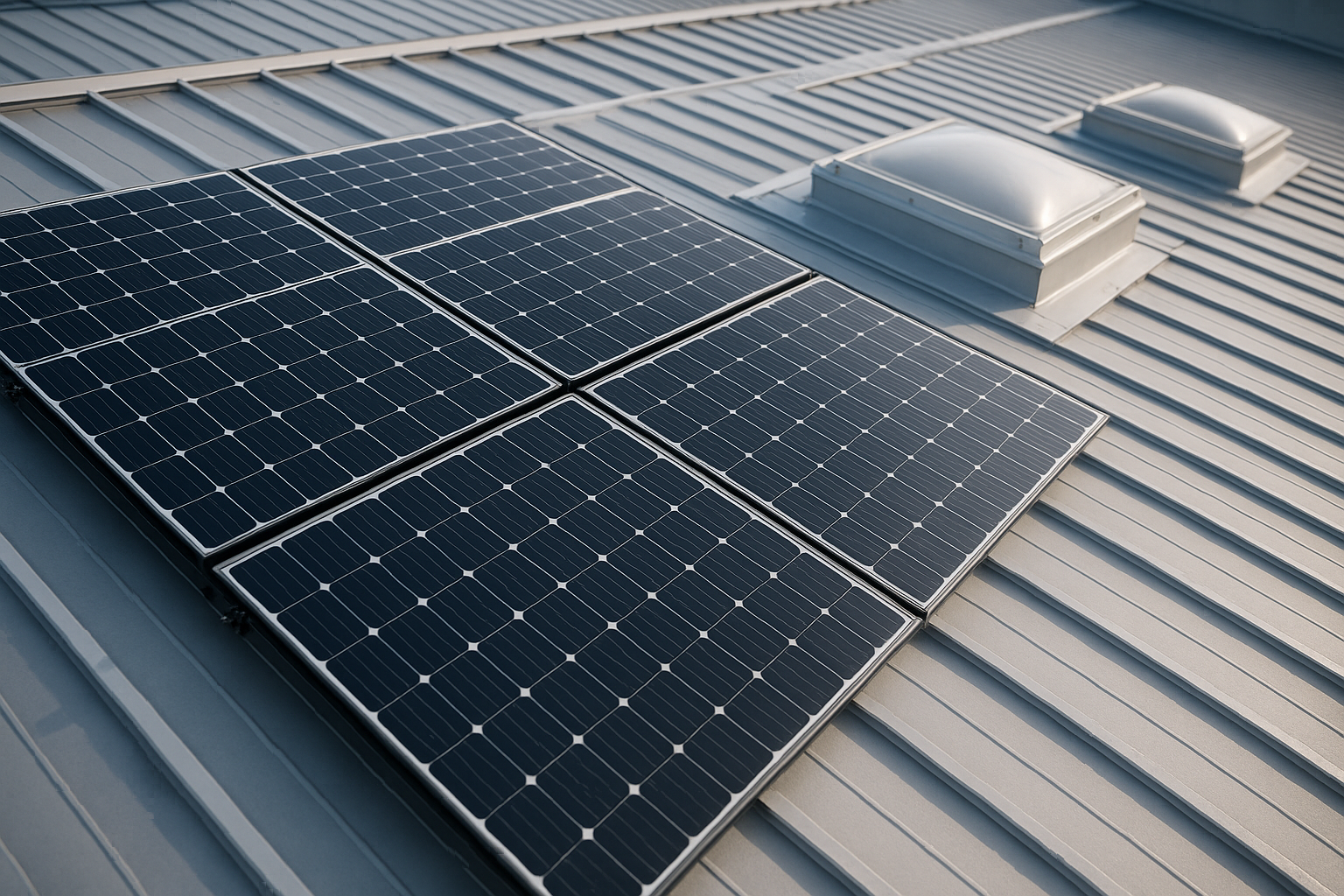
Solar panels can be an effective addition to an energy-efficient roofing system. By generating electricity on-site, you can further reduce reliance on external power sources and lower energy costs. California’s abundant sunshine provides an ideal environment for solar integration.
The cost of installing solar panels has decreased significantly in recent years, and the availability of tax incentives makes it an attractive option for commercial properties. To explore how solar solutions can complement your roofing system, visit our section on metal roofing benefits for energy efficiency.
Regular Inspections and Upgrades
Regular inspections and timely upgrades are essential to maintaining your roof’s energy efficiency. Over time, materials may degrade or become less effective at reflecting heat. Upgrading to newer, more efficient products can provide better performance and cost savings.
Staying proactive with inspections can help identify potential issues before they escalate, ensuring that your roof remains in optimal condition. For professional assistance, learn how to choose the right commercial roofing contractor to help with inspections and upgrades.
Frequently Asked Questions
What are the main benefits of energy-efficient roofing for businesses?
Energy-efficient roofing provides numerous benefits, including reduced energy bills, improved indoor comfort, extended roof lifespan, and potential tax incentives. Additionally, it contributes to environmental sustainability by decreasing the building’s carbon footprint.
How do energy-efficient roofs perform in different climates?
Energy-efficient roofs are designed to perform well in a variety of climates. In hot, sunny regions like Southern California, reflective and cool roofs can significantly lower cooling costs. In colder climates, well-insulated roofs help retain heat, reducing heating expenses.
Can energy-efficient roofing materials withstand severe weather conditions?
Yes, many energy-efficient roofing materials are designed to withstand severe weather conditions, including high winds, heavy rain, and hail. For example, TPO and metal roofing offer excellent durability and weather resistance. Learn more in our article on weather impact on roofing materials.
What should I consider when upgrading to an energy-efficient roof?
When upgrading to an energy-efficient roof, consider the initial cost versus long-term savings, the suitability of materials for your climate, and potential tax incentives. It’s also important to select a reputable contractor experienced in energy-efficient installations. For more insights, check out our guide on roof leak repair services.
Conclusion
Understanding “How will energy efficiency impact my commercial roofing choices and costs?” is fundamental to making informed decisions that benefit both your business and the environment. By investing in energy-efficient materials and practices, you can enjoy significant cost savings, improved building performance, and a reduced environmental footprint. As you explore your options, remember to consider local climate conditions, potential tax incentives, and the long-term benefits of your roofing investment. For more information, visit our Roof Leak Repair Services.