Understanding Commercial Roofing Compliance Standards Explained
When it comes to commercial roofing, adhering to **compliance standards for roofing contractors** is not just about following the law—it’s about ensuring safety, durability, and efficiency. Understanding these standards can help you make informed decisions for your commercial property, ensuring that your roof meets all necessary regulations and performs optimally in Southern California’s unique climate conditions.
Key Takeaways
- Compliance standards ensure the safety and longevity of commercial roofs.
- California’s specific climate conditions require specialized roofing solutions.
- Understanding different material options can impact compliance and performance.
- Regular inspections and maintenance play a crucial role in meeting compliance standards.
- Working with knowledgeable local contractors ensures adherence to state and local regulations.
Understanding Compliance Standards
Importance of Compliance in Commercial Roofing
Compliance standards for roofing contractors are essential for maintaining the structural integrity and safety of commercial buildings. These standards are designed to protect both the building’s occupants and the investment itself. By adhering to these guidelines, you prevent potential hazards such as leaks, which can lead to costly repairs and disruptions. It is crucial to work with contractors who understand and adhere to these regulations, particularly in regions like California where environmental factors such as seismic activity and extreme weather are considerations.
In California, specific regulations like Title 24 also emphasize energy efficiency, mandating that commercial roofs contribute to the building’s overall energy savings. This means choosing the right materials and designs that not only comply with safety standards but also enhance the building’s energy performance. Contractors should provide you with options that meet both federal and state guidelines.
State-Specific Guidelines in California
California’s building codes are some of the strictest in the United States due to its diverse climate and environmental challenges. The state’s guidelines for commercial roofing highlight the necessity for durable materials that can withstand seismic activity and high winds. Additionally, the state’s climate zones require roofing solutions that cater to varying temperature ranges, from coastal humidity to desert heat.
For instance, Title 24 mandates specific energy standards that aim to reduce energy consumption in commercial buildings. This includes the use of reflective roofing materials that minimize heat absorption, thereby lowering cooling costs. A knowledgeable contractor will ensure that your building complies with these regulations, potentially saving you thousands in energy expenses annually.
Common Compliance Violations and How to Avoid Them
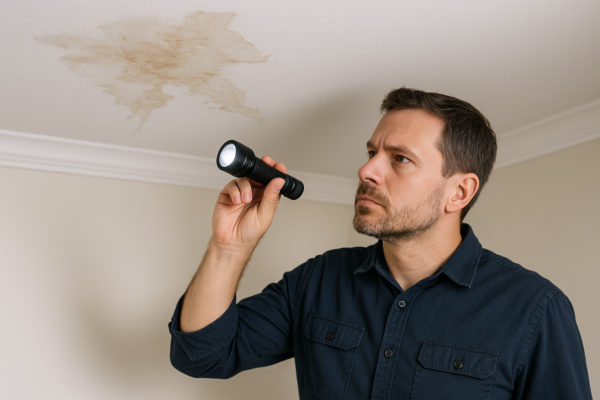
Failure to adhere to **compliance standards for roofing contractors** can result in significant fines and the need for costly corrections. Common violations include inadequate insulation, improper installation of roofing materials, and failure to meet energy efficiency standards. To avoid these pitfalls, it’s imperative to schedule regular inspections and maintenance services that identify potential issues before they become major problems.
Contractors should also provide detailed documentation of their work processes and materials used. This transparency not only ensures compliance but also helps in future inspections and repairs. By maintaining a comprehensive record, you can easily address any compliance-related queries that may arise.
Choosing the Right Materials for Compliance
Comparison of Roofing Materials
Selecting the right roofing material is key to ensuring compliance with regional standards. Different materials offer varying benefits and comply with different aspects of building codes. Here’s a look at some common commercial roofing materials:
| Material | Benefits | Compliance Considerations |
|---|---|---|
| Metal Roofing | Durable, long lifespan, reflective | Meets energy standards, requires proper installation |
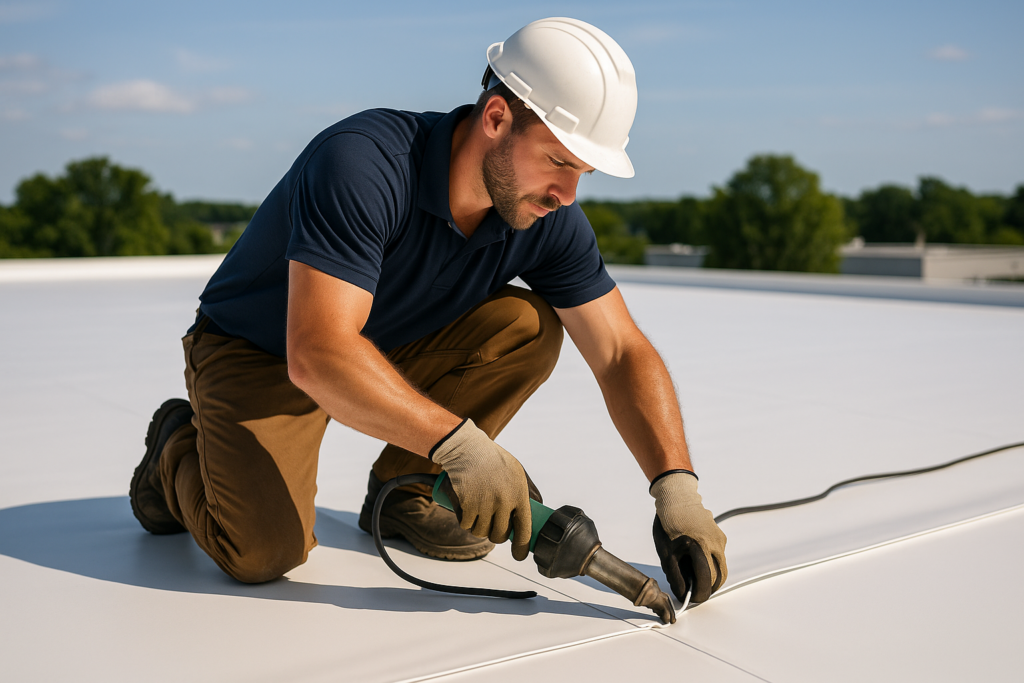
| TPO Membrane | Cost-effective, energy-efficient | Must be installed by certified professionals |
| Asphalt Shingles | Affordable, easy to install | Less ideal for energy efficiency |
| EPDM Rubber | Flexible, resistant to UV rays | Requires specific installation techniques |
Choosing the right material depends on several factors, including the building’s location, budget, and energy efficiency goals. For example, while metal roofs are excellent for reflecting heat and reducing energy costs, they can be more expensive upfront. Conversely, TPO membranes offer a balance between cost and energy efficiency but require skilled installation to meet compliance standards.
Energy Efficiency and Compliance
Energy efficiency is a significant component of compliance standards for commercial roofs. In California, energy codes require roofs to contribute to the overall energy reduction goals of a building. This often involves the use of cool roofing materials that reflect more sunlight and absorb less heat. Options like TPO and reflective metal roofs are popular choices for achieving these standards.
Investing in energy-efficient materials not only helps with compliance but can also reduce electricity bills and increase the building’s resale value. By selecting materials that meet these standards, you’re making a sustainable choice that benefits both the environment and your bottom line.
Durability and Lifespan Considerations
The durability of roofing materials is another critical factor in compliance. Long-lasting materials not only reduce the frequency of replacements but also ensure that the roof maintains its protective features over time. Materials like metal and EPDM are known for their durability, with lifespans that can exceed 40 years when properly maintained.
Regular maintenance is essential to preserve the longevity of your roof. This includes scheduling inspections with professionals who can identify and address potential issues before they escalate. By understanding the durability of different commercial roofing options, you can make informed decisions that ensure compliance and minimize long-term costs.
Working with Compliance-Focused Contractors
Benefits of Hiring Local Contractors
Hiring local contractors who are familiar with California’s specific regulations ensures that your roofing project meets all compliance standards. Local contractors understand the nuances of the regional climate and building codes, which is crucial for selecting the right materials and installation techniques.
Moreover, local contractors often have established relationships with suppliers and regulatory bodies, which can expedite the approval process for permits and inspections. When you engage experts who specialize in local commercial roofing, you gain peace of mind knowing that your project is in capable hands.
- Verify contractor licenses and certifications.
- Ask for references and past project examples.
- Ensure they provide detailed compliance documentation.
- Discuss warranties and guarantees on materials and workmanship.
Navigating Permits and Inspections
Obtaining necessary permits for commercial roofing is a crucial step in the compliance process. Permits ensure that the roofing work meets all local building codes and safety standards. Failure to secure permits can lead to legal issues and project delays.
Experienced contractors can guide you through the permit application process, ensuring that all paperwork is completed accurately and submitted on time. They will also prepare your roof for inspections, addressing any potential issues beforehand to ensure a smooth approval process.
Ensuring Long-Term Compliance Through Maintenance
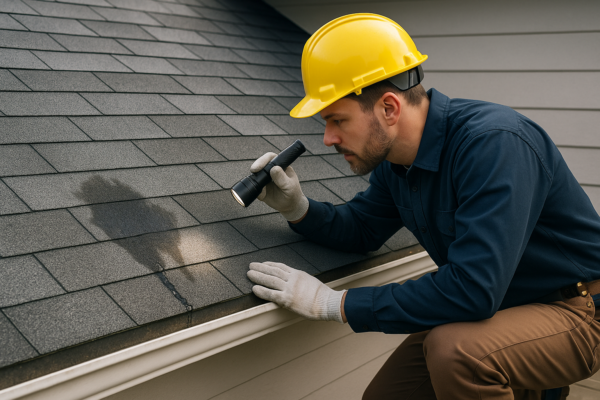
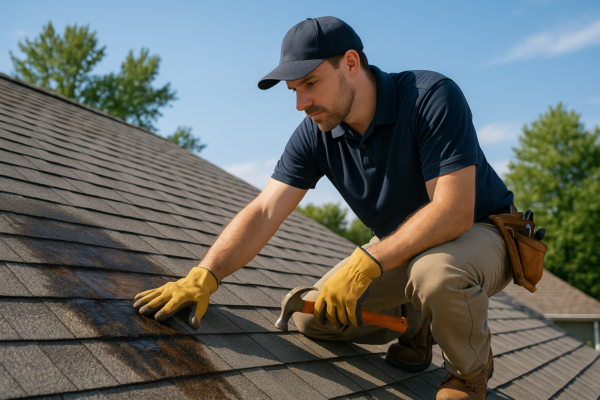
Regular maintenance is key to ensuring ongoing compliance with roofing standards. Scheduled inspections and maintenance help identify early signs of wear or damage, allowing you to address these issues before they compromise the roof’s integrity or violate compliance standards.
Routine maintenance tasks include clearing debris, checking for leaks, and examining the roof’s overall condition. By performing these tasks, you can extend the lifespan of your roof and maintain compliance with safety and energy efficiency standards. Regular maintenance not only protects your investment but also ensures that your roof continues to meet all regulatory requirements over time.

Frequently Asked Questions
What are the primary compliance standards for commercial roofing in California?
California’s compliance standards for commercial roofing include guidelines for energy efficiency, material durability, and safety. Title 24 is a key regulation focusing on energy consumption, requiring roofs to have reflective surfaces to reduce heat absorption. Building codes also emphasize the use of materials that can withstand seismic activity and other local environmental conditions.
How do I ensure my commercial roof meets compliance standards?
To ensure compliance, hire experienced contractors who are well-versed in local building codes and regulations. Conduct regular inspections and maintenance, and choose materials that meet both federal and state energy efficiency standards. Maintain detailed records of all installations and repairs to streamline future inspections.
What are the consequences of non-compliance with roofing standards?
Non-compliance with roofing standards can lead to significant fines, increased insurance premiums, and costly repairs. It may also result in legal disputes and damage to the building’s reputation. Ensuring compliance not only avoids these issues but also enhances the building’s safety and value.
Can I perform roofing work without a permit in California?
Most commercial roofing projects in California require permits to ensure compliance with safety and building codes. Performing work without the necessary permits can result in legal penalties and force you to redo the work at additional cost. Always consult with your contractor to determine the permits needed for your project.
Conclusion
Understanding and adhering to **compliance standards for roofing contractors** is crucial for the safety, efficiency, and longevity of commercial roofs. By choosing the right materials, working with knowledgeable contractors, and maintaining regular inspections, you can ensure that your commercial roof meets all necessary standards. This not only protects your investment but also contributes to a safer and more sustainable building environment. For more information on how to comply with these standards, visit our commercial roofing services page.