
The Key Factors That Determine Commercial Roofing Project Costs Explained Clearly
Understanding what factors influence the pricing of commercial roofing projects can be crucial for any business owner planning to install or repair a roof. In Southern California, where climate conditions demand durable materials and techniques, several elements can affect overall project expenses. This guide will break down these cost components and offer practical advice to help you make informed decisions.

Key Takeaways
- Material selection significantly impacts costs; options range from asphalt to high-end metal roofing.
- Labor expenses vary based on roof complexity and the expertise required.
- Geographic location and local regulations can affect pricing due to permit requirements and labor rates.
- Weather conditions in Southern California influence material choices and installation timing.
- Regular inspections and maintenance can prevent costly repairs over time.
Materials and Their Impact on Costs
Types of Roofing Materials
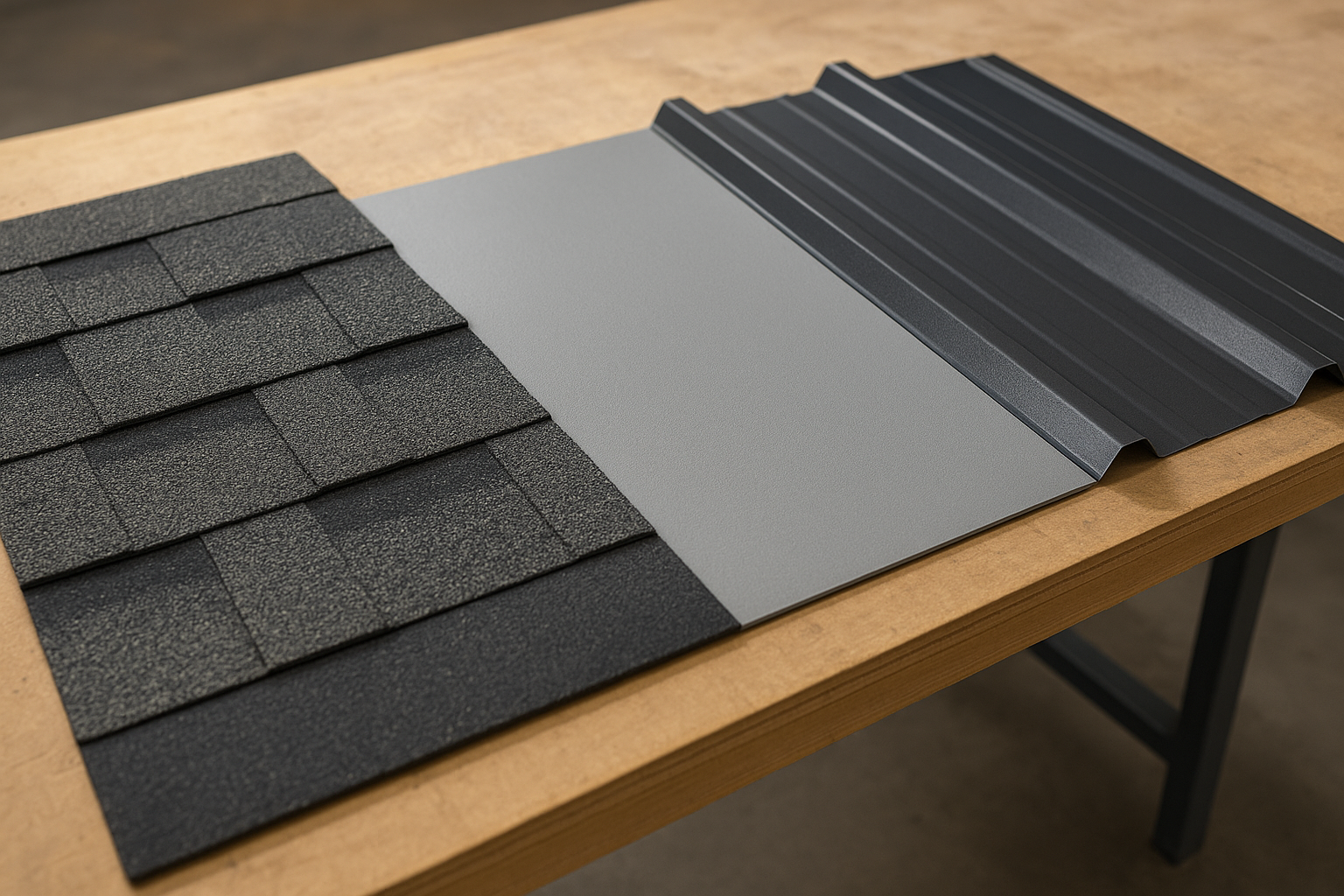
The choice of material is one of the most significant factors in determining the cost of a commercial roofing project. Options include asphalt shingles, TPO, EPDM, and metal roofing. Asphalt shingles are generally the most affordable, with prices ranging from $1 to $4 per square foot. However, for those interested in the benefits of metal roofing for businesses, costs can rise to $7 to $12 per square foot due to its durability and longevity.
EPDM and TPO roofing are popular for flat roofs, costing between $5 and $9 per square foot. These materials are favored for their energy efficiency and weather resistance, particularly important in the Southern California climate. You can explore different commercial roofing types to find the best fit for your property.
Material Longevity and Maintenance
While initial costs are a primary concern, the longevity and maintenance of roofing materials should not be overlooked. For example, while asphalt shingles are cheaper upfront, they may require more frequent repairs and replacements compared to metal or TPO roofing. Metal roofs, although pricier, can last up to 50 years with minimal maintenance, making them a wise long-term investment.
Regular maintenance can extend the life of your roof and prevent expensive repairs. For detailed advice on maintenance, learn more about roofing inspection requirements and best practices.
Comparing Material Costs
| Material | Cost per Square Foot | Expected Lifespan |
|---|---|---|
| Asphalt Shingles | $1 – $4 | 15 – 20 years |
| Metal Roofing | $7 – $12 | 40 – 70 years |
| TPO | $5 – $9 | 15 – 20 years |
| EPDM | $6 – $10 | 20 – 25 years |
Labor and Installation Complexity
Understanding Labor Costs
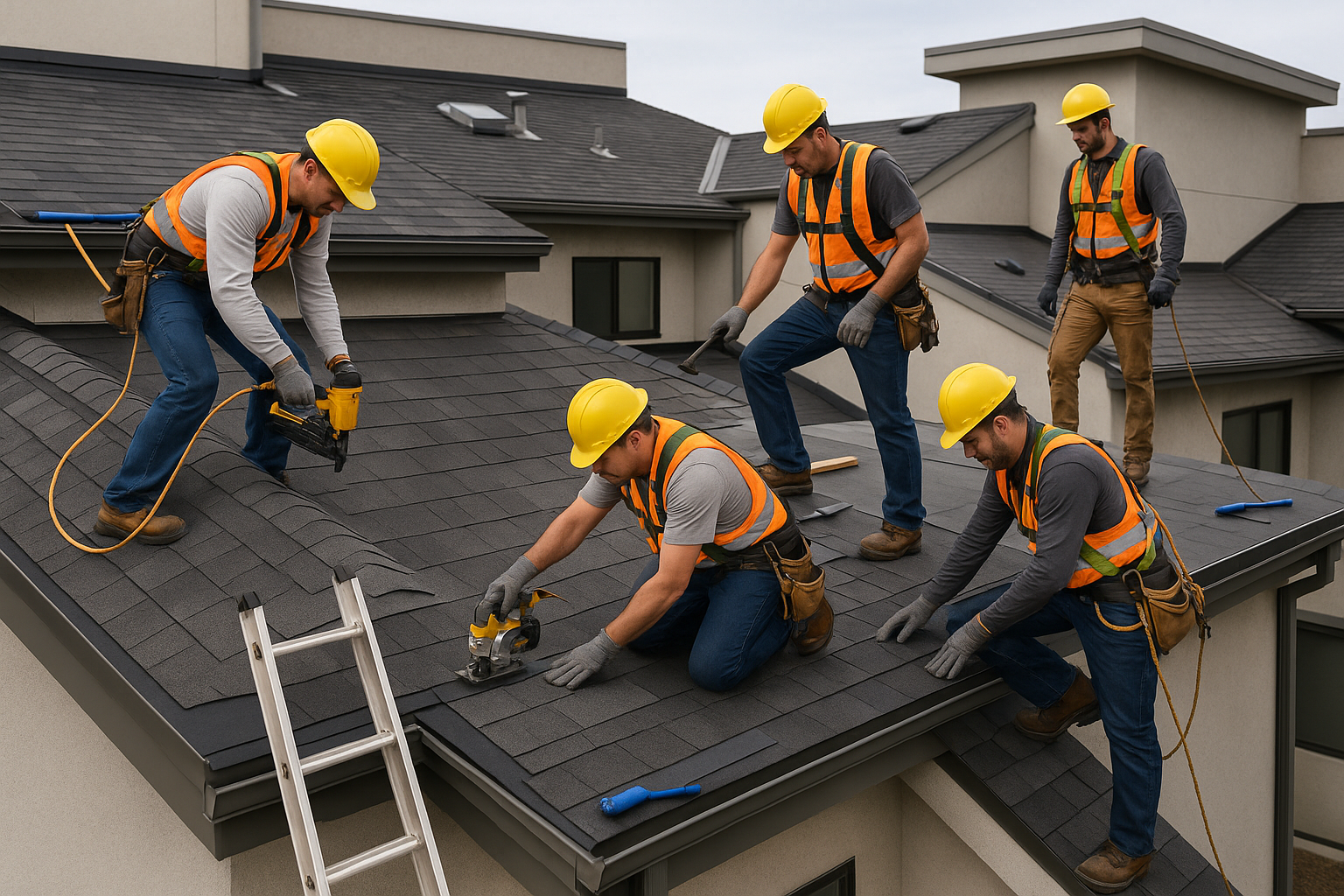
Labor costs are another critical component when considering what factors influence the pricing of commercial roofing projects. These costs can vary significantly based on the complexity of the roof design and the skill level required for installation. Simple flat roofs generally incur lower labor costs compared to more complex sloped roofs with multiple angles and valleys.
In Southern California, labor rates can range from $50 to $150 per hour, depending on the roofing contractor’s experience and the project’s demands. It’s essential to hire skilled labor to ensure quality installation, which can prevent future issues and save money in the long run.
Complexity and Project Timeline
The complexity of the roofing project also affects the timeline, which in turn impacts costs. A straightforward installation might take a few days, whereas a complex roof with intricate designs could take weeks. Delays can increase labor costs, especially if additional work is needed to address unexpected challenges. Understanding these dynamics can help you prepare financially and logistically.
For a more accurate estimate, consider reading about commercial roofing cost estimates to align your budget with your project’s needs.
Practical Tips to Manage Labor Costs
- Request detailed quotes from multiple contractors to compare pricing and services.
- Schedule roofing projects during off-peak seasons to potentially negotiate better rates.
- Ensure the contractor is licensed and insured to avoid additional legal or financial liabilities.
- Clarify the scope of work and any potential extras before signing a contract.
Regulations, Permits, and Environmental Considerations
Understanding Local Regulations
In California, local building codes and permit requirements can significantly impact the cost of a commercial roofing project. Compliance with these regulations is non-negotiable and can add to the overall expense. Permits are necessary for most roofing projects, and fees vary depending on the location and scope of work.
For a comprehensive understanding of what is required, it’s beneficial to review the permit requirements and building codes applicable to your area.
Environmental Impact and Sustainability
Increasingly, businesses are considering the environmental impact of their roofing choices. Sustainable materials and energy-efficient designs can lead to higher upfront costs but offer long-term savings through energy efficiency and potential tax incentives. Reflective roofing materials, for instance, can reduce cooling costs by 15-20% annually, making them an attractive option in sunny climates like Southern California.
These considerations not only affect initial expenses but also contribute to ongoing savings and corporate responsibility efforts. Choosing environmentally friendly options can also enhance your business’s public image.
Permit Costs and Fees
Permit costs can vary widely but typically range from $100 to $500. The complexity of the project and the location can influence these fees. It’s crucial to factor in these expenses when budgeting for your roofing project to avoid unexpected financial surprises.
To ensure compliance and avoid costly penalties, consult with professionals who understand the local commercial roofing laws and regulations.
Frequently Asked Questions
How does the type of roofing material affect costs?
The type of material significantly impacts costs, with options like asphalt being more affordable than metal. However, more expensive materials often offer longer lifespans and better durability, which can lead to cost savings over time.
What role does labor play in roofing project expenses?
Labor is a major component of roofing costs, influenced by the complexity of the project and the expertise required. Skilled labor ensures quality installation, which can prevent future problems and added expenses.
Are there any hidden costs in commercial roofing projects?
Yes, hidden costs can include permit fees, unexpected repairs, and compliance with local regulations. It’s essential to work with experienced contractors who can provide transparent and comprehensive estimates.
How can I reduce the overall cost of my roofing project?
To reduce costs, compare multiple contractor quotes, schedule projects during off-peak seasons, and select materials that offer the best balance of cost and durability for your needs.
Conclusion
In understanding what factors influence the pricing of commercial roofing projects, it’s clear that material choice, labor, and regulatory requirements are key components. By considering these elements and consulting with experienced professionals, you can make informed decisions that balance cost with quality and compliance. Regular maintenance and inspections will further ensure that your investment remains sound over the long term. For more detailed insights, explore our commercial roofing services and related resources to guide your next project.