How Metal Roofing Enhances Energy Efficiency
When it comes to improving your home’s energy efficiency, few solutions are as effective as installing **metal roofing**. Recognized for its durability and sustainability, **metal roofing energy efficiency benefits** are particularly advantageous for homeowners in Southern California. This article explores how metal roofing can reduce energy costs, increase indoor comfort, and contribute to environmental sustainability.
Key Takeaways
- **Metal roofing** can significantly reduce energy costs by reflecting solar heat.
- Cool roof technology enhances the natural reflective properties of metal roofs.
- Metal roofs have a long lifespan, often exceeding 50 years with minimal maintenance.
- In Southern California’s climate, metal roofing offers optimal resistance to heat and UV exposure.
- Metal roofing materials are highly recyclable, promoting environmental sustainability.
Understanding Metal Roofing and Energy Efficiency
The Science Behind Metal Roofing’s Energy Efficiency
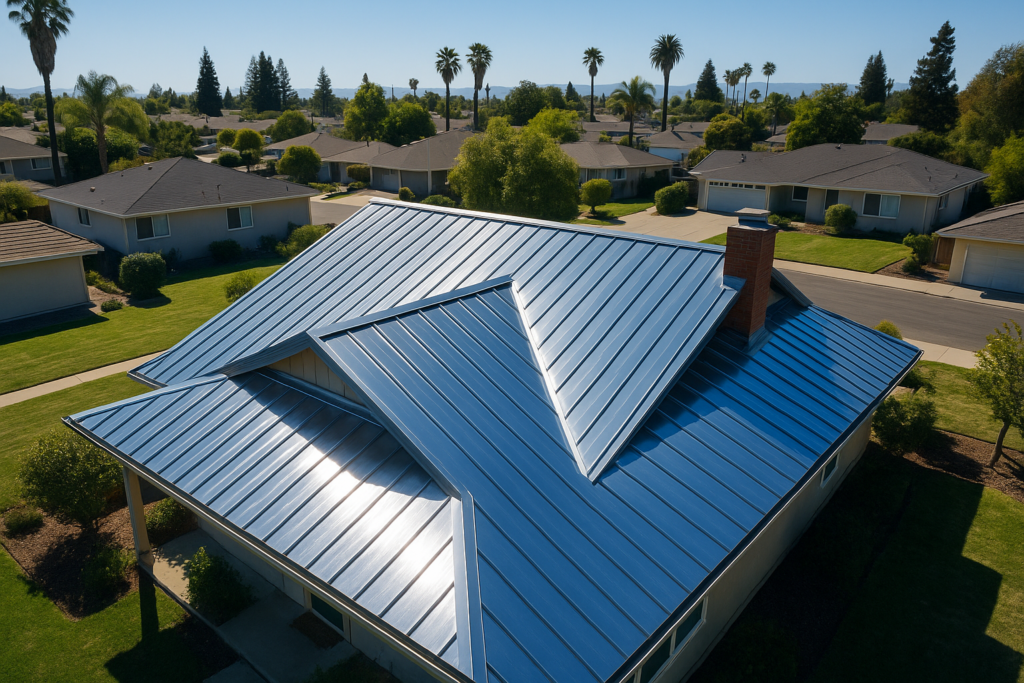
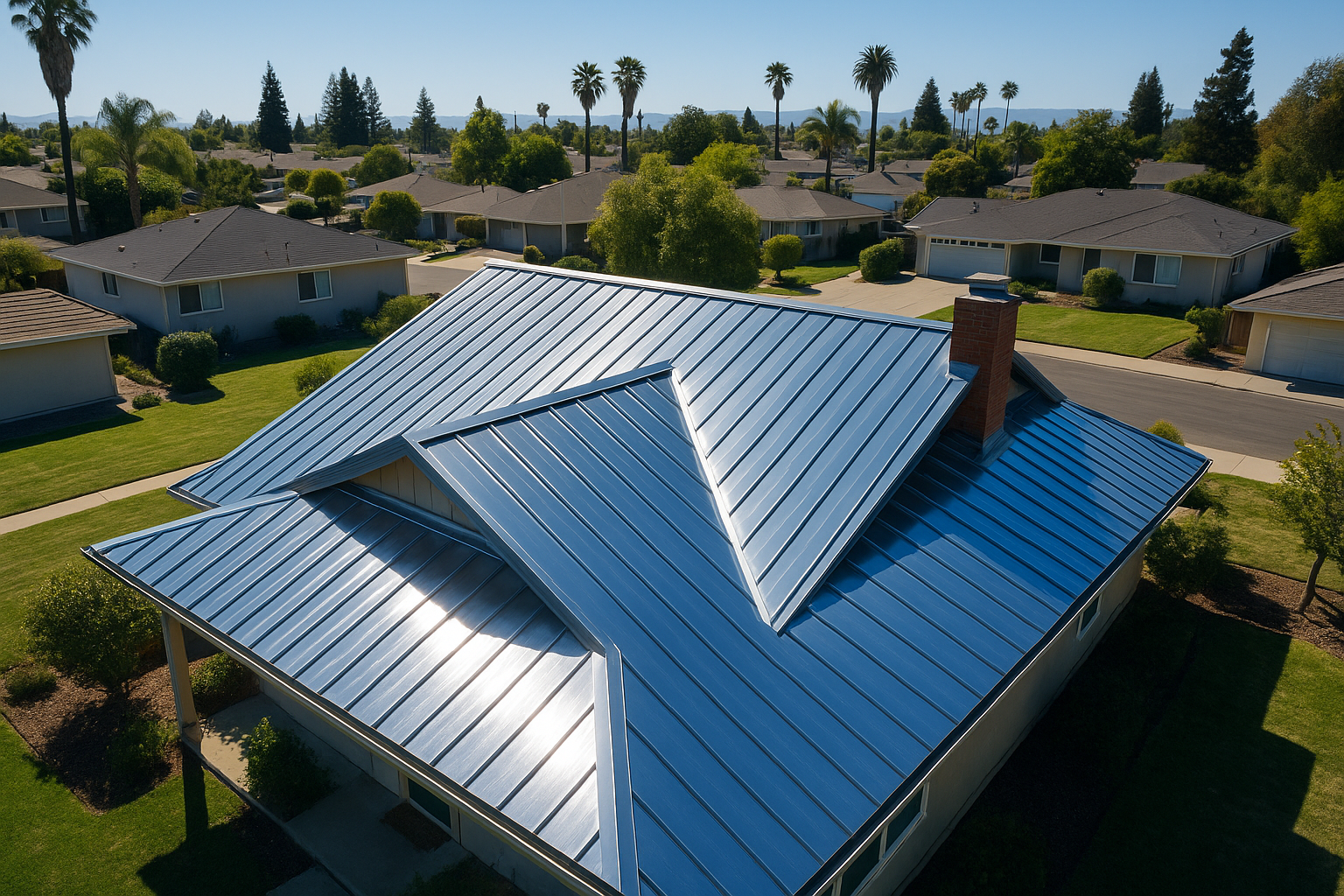
**Metal roofing energy efficiency benefits** stem primarily from its reflective properties. Metal roofs reflect a significant portion of solar radiation, which reduces the amount of heat transferred into your home. This is especially beneficial in areas like Southern California, where temperatures can soar. By reflecting up to 70% of solar energy, metal roofs help keep indoor spaces cooler, reducing the need for air conditioning.
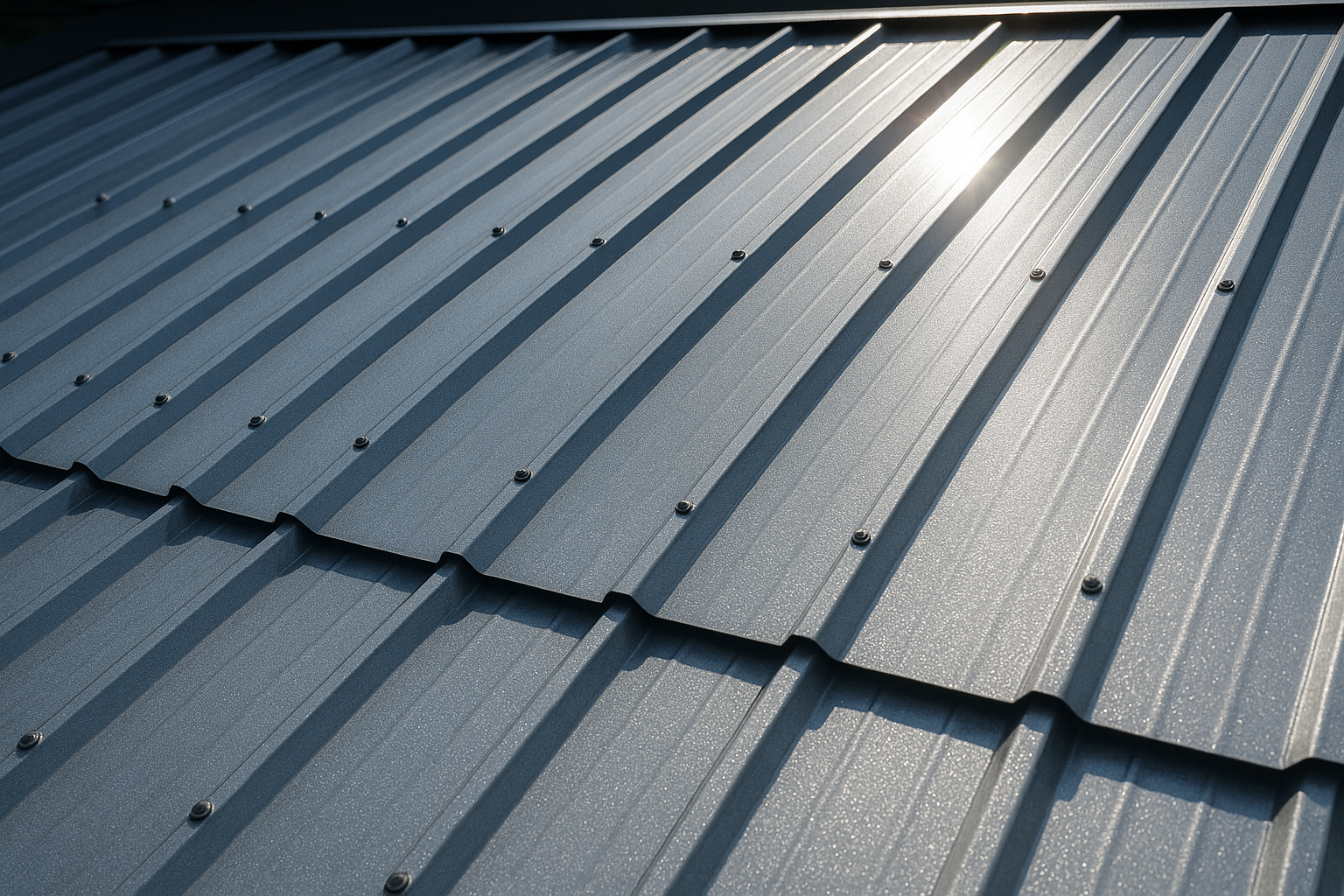
Reflective coatings, often applied to enhance the natural reflectivity of metal, can increase this efficiency. These coatings are available in various colors and finishes, allowing homeowners to choose options that best suit their aesthetic preferences while maximizing energy savings.
Comparing Metal Roofing to Other Roofing Materials
When comparing **metal roofing energy efficiency benefits** to other materials like asphalt shingles or concrete tiles, metal roofs outperform in several key metrics. Asphalt shingles, for example, absorb a lot of heat, which increases cooling costs. Concrete tiles have better thermal mass properties but lack the reflective capabilities of metal.
| Roofing Material | Average Lifespan | Reflective Properties |
|---|---|---|
| Metal Roofing | 50+ years | High |
| Asphalt Shingles | 20-30 years | Low |
| Concrete Tiles | 50+ years | Moderate |
Additionally, metal roofs are more sustainable. They are often made from recycled materials and are 100% recyclable at the end of their lifespan, unlike asphalt shingles which contribute significantly to landfill waste. To learn more about the energy-efficient flat roofing options available, consider exploring other sustainable materials.
Long-Term Cost Savings with Metal Roofing
The initial cost of a metal roof can be higher than traditional roofing materials, generally ranging from $8 to $16 per square foot installed. However, the **cost savings with metal roofing** are realized over its extended lifespan and reduced energy costs. Homeowners can expect to save approximately 20-30% annually on cooling costs due to the reflective qualities of metal roofs.
Furthermore, the durability of metal roofing means less frequent repairs and replacements compared to other materials. This long-term resilience makes metal roofing a cost-effective solution. If you’re considering a roofing upgrade, explore the cost savings with metal roofing for your business or home.
Climate-Specific Benefits of Metal Roofing
Performance in Southern California’s Climate
Given Southern California’s hot and sunny climate, the **energy efficiency benefits** of metal roofing are even more pronounced. Metal roofs’ ability to reflect solar heat reduces the heat island effect common in urban areas, helping to maintain cooler ambient temperatures. This is particularly beneficial in densely populated regions where buildings are closely packed.
The durability of metal roofing also offers protection against the harsh UV rays prevalent in this region. Unlike other materials that can degrade under constant sun exposure, metal retains its integrity and appearance over time. This makes it an ideal choice for the region, as detailed in our commercial metal roofing benefits guide.
Environmental Impact and Sustainability
**Metal roofing energy efficiency benefits** extend beyond just cost savings. Metal is one of the most environmentally friendly roofing materials available. It is often manufactured using recycled content, and its recyclability means that it contributes less to landfill waste. This is an important consideration for homeowners looking to reduce their environmental footprint.
Additionally, many metal roofs come with cool roof coatings that meet Energy Star standards, further enhancing their efficiency and sustainability. By choosing metal roofing, you are investing in a solution that supports a greener planet. To understand the broader environmental advantages, you might explore the EPDM roofing benefits for commercial properties.
Comparative Analysis: Metal vs. Other Roofing Types
When considering different roofing types, it’s crucial to weigh **metal roofing energy efficiency benefits** against other options. For instance, while EPDM and TPO membranes are popular for their waterproofing capabilities, metal roofing offers superior reflective properties and longevity.
- EPDM Roofing: Known for its durability in flat roofing applications, EPDM is more affordable but less reflective than metal.
- TPO Roofing: Offers good reflectivity similar to metal but may require more maintenance.
- Metal Roofing: Provides exceptional longevity and energy efficiency with minimal maintenance needs.
For a detailed comparison of commercial roofing types, consult our guide on different commercial roofing types available.
Maintenance and Longevity of Metal Roofing
Minimal Maintenance Requirements
One of the most appealing aspects of **metal roofing** is its low maintenance requirements. Unlike asphalt shingles that may require frequent inspections and repairs due to cracking or curling, metal roofs are highly resistant to weather-related damage. This resistance reduces the need for regular maintenance, saving homeowners both time and money.
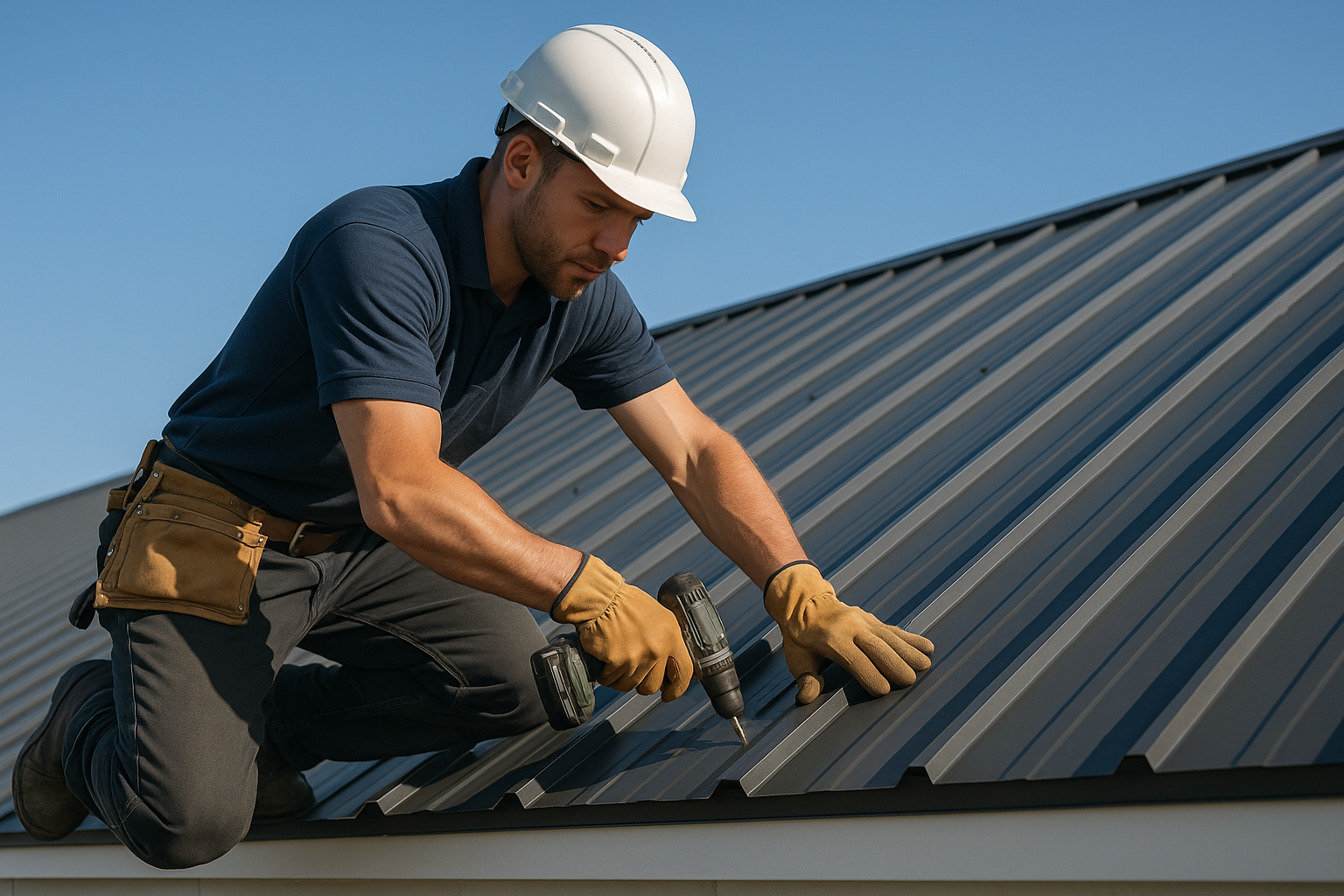
Regular maintenance for metal roofs typically involves periodic cleaning and inspection to ensure fasteners and seams remain secure. This simple upkeep routine can extend the lifespan of your roof significantly, as opposed to more maintenance-intensive materials like asphalt. Learn more about effective waterproofing solutions for flat roofs.
Durability and Long-Term Value
Metal roofs are celebrated for their durability. With a lifespan often exceeding 50 years, they offer long-term value that outpaces many other roofing materials. This longevity is partly due to their resistance to common roofing issues such as mold, mildew, and insect infestations, which can plague other roofing types.
In addition to their resilience, metal roofs maintain their aesthetic appeal over time. They are available in a variety of styles and colors, allowing homeowners to achieve the desired look without sacrificing performance. For a robust discussion on durable roofing materials, see our insights on the best materials for commercial roofs.
Metal Roofing and Insurance Benefits
Installing a **metal roof** can also lead to insurance benefits. Many insurers offer reduced premiums for homes with metal roofs due to their fire resistance and durability against extreme weather conditions. This can further enhance the cost-effectiveness of metal roofing over its lifespan.
Moreover, the fire-resistant nature of metal roofs provides peace of mind for homeowners, particularly in wildfire-prone areas like California. This added protection can be a decisive factor for many when choosing roofing materials.
Frequently Asked Questions
How does metal roofing improve energy efficiency?
**Metal roofing energy efficiency benefits** primarily come from its ability to reflect solar radiation, reducing heat transfer into the building. This decreases the need for air conditioning, thereby lowering energy costs.
Is metal roofing suitable for Southern California?
Yes, metal roofing is highly suitable for Southern California due to its reflective properties that combat high temperatures and UV exposure, making it a perfect match for the region’s climate.
What is the cost comparison between metal roofing and other roofing materials?
While the initial cost of metal roofing can be higher, ranging from $8 to $16 per square foot, the long-term savings in energy costs and reduced maintenance often make it more economical than materials like asphalt shingles.
Can metal roofing be installed on existing roofs?
Yes, metal roofing can often be installed over existing roofs, reducing the waste and cost associated with roof removal. However, it’s essential to consult with a professional to assess the specific circumstances of your roof.
Conclusion
In conclusion, the **metal roofing energy efficiency benefits** are undeniable, especially in climates like Southern California. From reflecting solar heat to offering long-term durability, metal roofs provide both economic and environmental advantages. They are a superior choice for homeowners looking to invest in sustainability and cost savings. For further insights on commercial applications and benefits, visit our commercial roofing page to explore all your options.