Understanding Commercial Roofing Permit Requirements Today
Embarking on a commercial roofing project involves navigating a complex web of regulations and permits. Understanding **commercial roofing permit requirements** is crucial for ensuring compliance and avoiding costly delays. This guide provides comprehensive insights into the permitting process, helping you make informed decisions for your business’s roofing needs.
Key Takeaways
- Acquiring the right permits is essential for legal compliance in any commercial roofing project.
- Permits vary by location, project scope, and roofing material.
- Failure to secure necessary permits can lead to fines and project delays.
- Understanding the differences between roofing materials can affect permit requirements.
- Consulting with professional roofing services can simplify the permitting process.
Understanding Permit Requirements
The Importance of Permits in Commercial Roofing
Permits are vital in ensuring that your commercial roofing project adheres to local building codes and safety regulations. In California, adherence to these regulations is especially critical due to the state’s stringent building standards designed to address seismic activity and environmental concerns. Obtaining the correct **commercial roofing permit requirements** helps prevent legal issues and ensures that your roof is safe and durable.
Permits also cover aspects like structural integrity and energy efficiency. For example, using energy-efficient roofing materials can sometimes streamline the permitting process, as they align with California’s environmental goals. To explore energy-efficient options, consider reviewing energy-efficient roofing materials for commercial use.
Types of Permits Needed
There are several types of permits you might need, depending on your project’s scope and location. These include building permits, electrical permits if solar panels are involved, and special permits for historical buildings or those in high-wind areas. Each type of permit ensures different facets of your project are up to code.
For instance, if you’re considering a metal roof, understanding the **commercial roofing permit requirements** for metal versus asphalt can significantly impact your project’s timeline and cost. Learn more about these differences in metal vs asphalt roofing.
Common Permit Challenges
One of the most common challenges is the variability of permit requirements across different jurisdictions. A project in Los Angeles may have different stipulations than one in San Francisco or San Diego. Additionally, changes in building codes can affect your permit validity, requiring updates or additional documentation.
To mitigate these challenges, it’s advisable to work with a roofing contractor familiar with local regulations or to consult experts in commercial roofing to ensure all aspects are covered. This can prevent unexpected delays and costs.
Factors Influencing Permit Requirements
Impact of Roofing Material
The choice of roofing material can significantly influence the **commercial roofing permit requirements**. For example, materials like TPO or PVC might require specific permits due to their installation processes and environmental benefits. Understanding these differences is crucial when planning your project.
Here’s how different materials compare in terms of permit impact:
| Material | Typical Permit Complexity | Environmental Considerations |
|---|---|---|
| Asphalt Shingles | Moderate | Medium |
| Metal Roofing | High | High |
| TPO | Low | High |
For detailed insights on material lifespan and suitability for your business, refer to our guide on roofing material lifespan for commercial roofs.
Location-Specific Regulations
In California, regulations can differ widely from one city to another, influenced by local climate and environmental policies. For instance, coastal regions may have stricter guidelines to combat salt air corrosion, whereas inland areas may focus more on thermal efficiency.
Understanding these geographic nuances is essential for compliance. Engaging with local authorities early in your planning phase can provide clarity and help streamline the permitting process. Additionally, utilizing resources like durability of commercial roofing options can guide you in selecting materials that meet both durability and regulatory needs.
Project Scope and Size
The extent of your roofing project can also dictate the **commercial roofing permit requirements**. Larger projects often require more comprehensive permits due to their potential impact on the surrounding environment and infrastructure. Additionally, multi-story buildings may necessitate additional structural assessments.
It’s vital to have a clear understanding of your project’s scope before beginning the permit application process. This includes having detailed architectural plans and a realistic timeline. A thorough budget plan, such as those discussed in budgeting for commercial roofing repair, can aid in preparing for potential financial requirements associated with these permits.
Steps to Secure a Commercial Roofing Permit
Initial Planning and Documentation
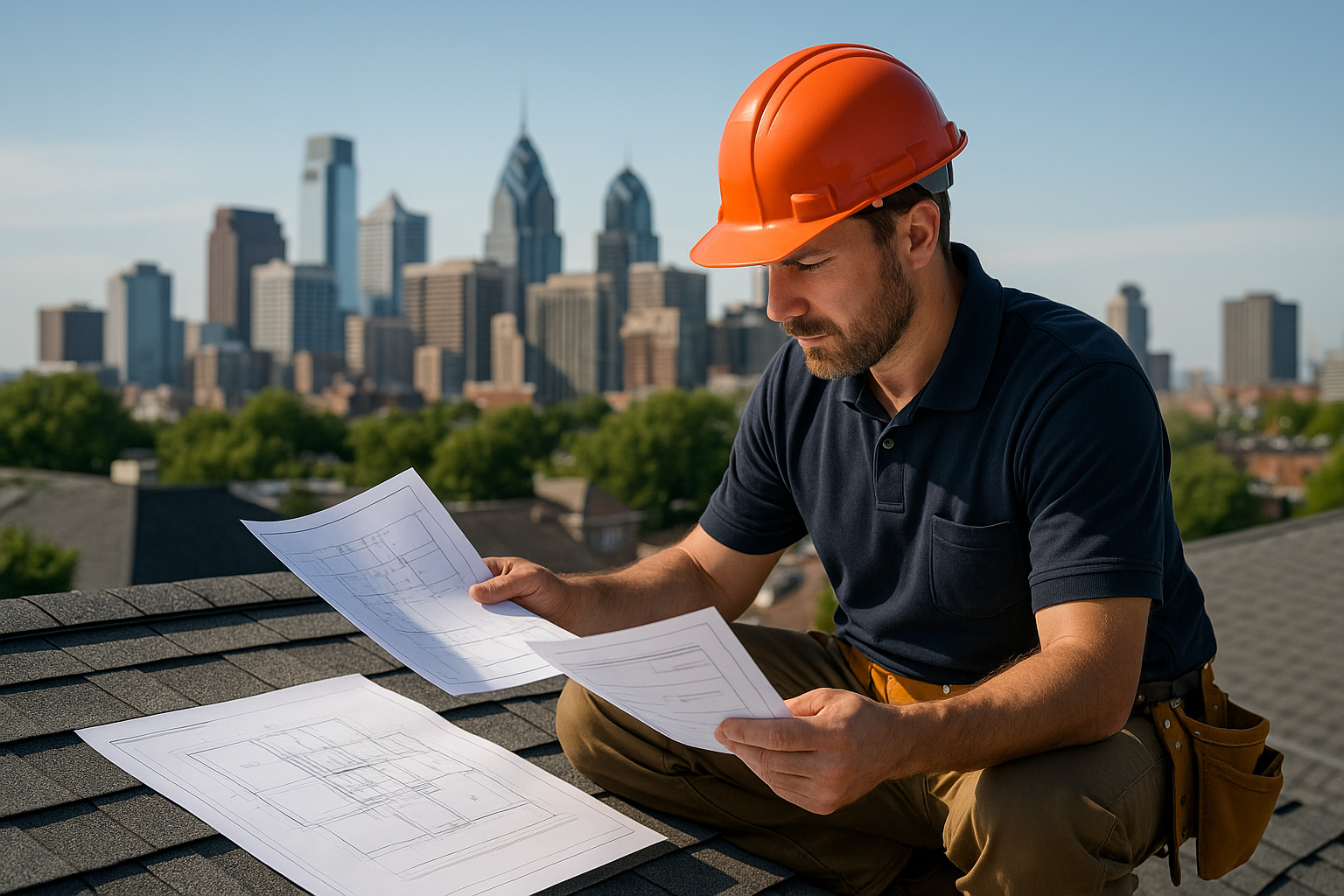
Start by gathering all necessary documentation, including architectural drawings, structural assessments, and material specifications. This preliminary step is crucial for ensuring that your application proceeds smoothly. The more detailed and accurate your documents, the fewer the chances of encountering delays.
Consulting with a professional can be invaluable at this stage. They can help ensure that your plans meet local building codes and highlight any potential issues that might arise during the permit review process. To understand the financial aspect of these preparations, exploring a quote for commercial roofing installation can be beneficial.

Application Submission Process
Once your documentation is in order, the next step is submitting your permit application to the relevant local authority. This process can vary in complexity depending on the jurisdiction and the specific requirements of your project. Typically, this involves completing a detailed application form and paying a fee, which can range from a few hundred to several thousand dollars, depending on the project’s scale.
Be prepared for an inspection phase, where a building inspector will review your site to ensure compliance with submitted plans. This step is critical to moving forward with your project. Understanding how much commercial roofing can cost can provide a better sense of overall project expenses, as seen in this comprehensive guide.
Inspection and Approval
After submitting your application, a building inspector will conduct a site visit to verify that your project complies with local codes and the submitted plans. This inspection stage is crucial for obtaining final approval and beginning your roofing project. Any discrepancies found during this phase may require adjustments to your plans or additional documentation.
Once the inspection is successfully completed, you will receive approval, and your project can officially commence. To ensure a smooth process, maintaining a good relationship with local inspectors and staying informed about any changes in building codes are vital steps.
Frequently Asked Questions
What happens if I don’t obtain the necessary permits?
Failing to secure the appropriate permits can result in significant fines, legal issues, and even the requirement to dismantle completed work. Moreover, it can lead to difficulties in selling the property in the future if the work is not up to code.
How long does it typically take to get a commercial roofing permit?
The timeline for obtaining a permit varies widely depending on the project’s location and complexity. Generally, it can take anywhere from a few weeks to several months. Planning ahead and ensuring all documentation is accurate can help expedite the process.
Can I start roofing work while waiting for permit approval?
It is not advisable to start any roofing work before receiving all necessary permits. Doing so can lead to penalties and the requirement to halt construction until permits are obtained. Always wait for official approval before beginning your project.
Are there specific permits needed for solar roofing installations?
Yes, solar roofing installations typically require additional electrical permits beyond the standard building permit. These permits ensure that the solar components are safely integrated into the existing electrical system.
Conclusion
Navigating the complex landscape of **commercial roofing permit requirements** is essential for any successful roofing project. By understanding the types of permits needed, the factors influencing these requirements, and the steps to obtaining them, you can ensure compliance and avoid costly setbacks. Embracing the expertise of professional roofing services and staying informed about local regulations will help you achieve a seamless and efficient roofing process. For more insights, explore the many commercial roofing options available to maximize your building’s potential.