
Essential Maintenance Practices to Reduce the Risk of Costly Commercial Roof Repairs
Commercial roofing is a significant investment for any business, and understanding what maintenance practices can prevent costly commercial roof repairs is essential for prolonging the life of your roof. By implementing a comprehensive maintenance routine, you can avoid unexpected expenses and ensure the safety of your property. This guide will cover key maintenance strategies and how they can help prevent damage, especially relevant to businesses in Southern California.

Key Takeaways
- Regular inspections are crucial to identifying potential issues early and can help prevent major repairs.
- Proper cleaning and debris removal can significantly reduce the risk of water damage.
- Understanding the climate-specific challenges in California can aid in better roof maintenance planning.
- Investing in preventive maintenance can save businesses thousands in repair costs.
- Partnering with professional roofing services ensures your roof is maintained to industry standards.
Regular Inspections: The First Line of Defense
The Importance of Routine Roof Inspections
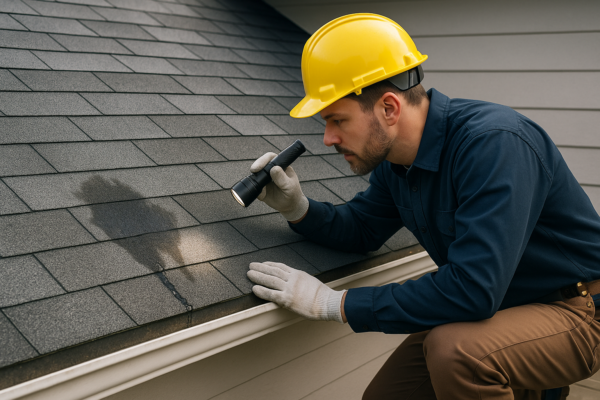
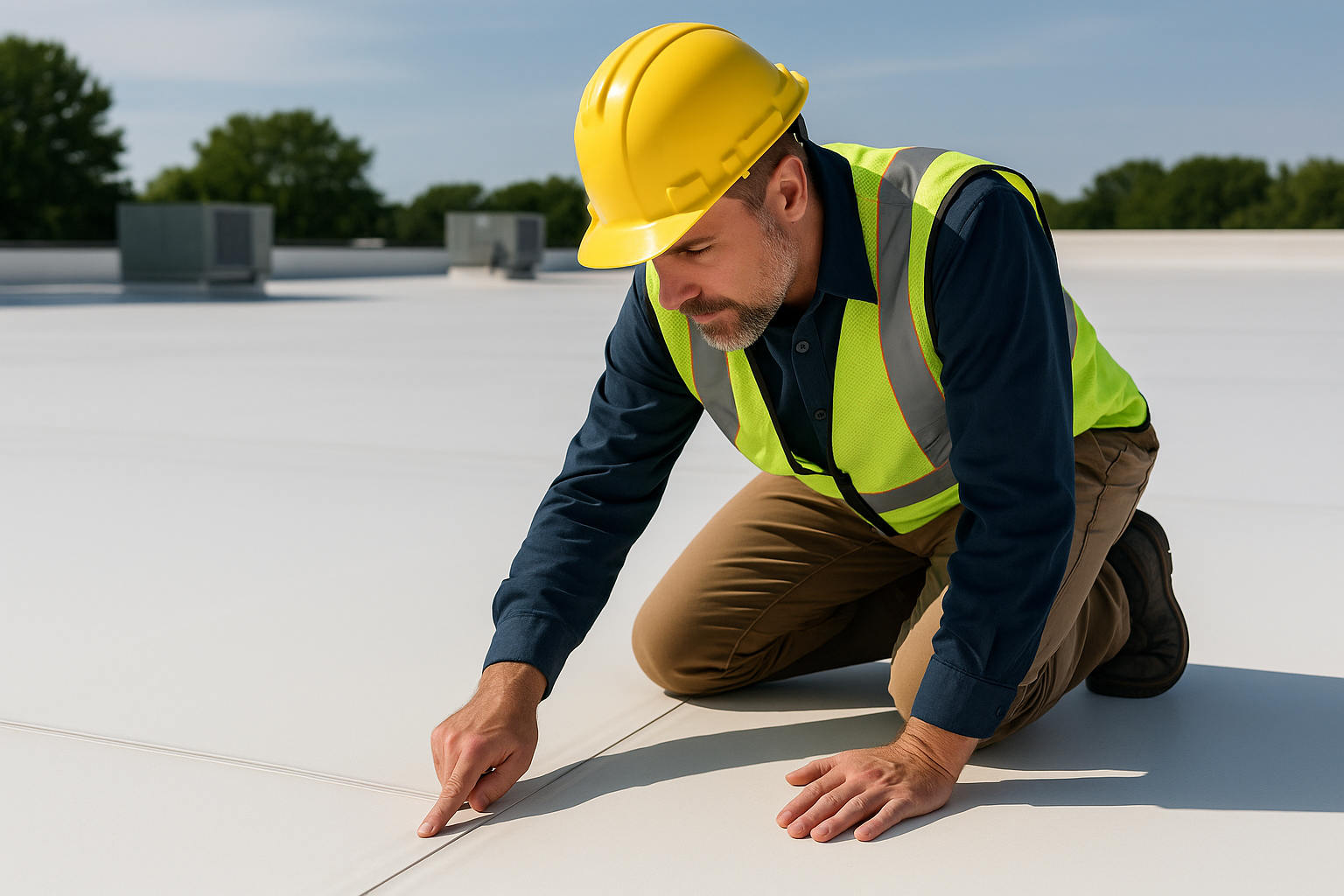
Regular roof inspections are vital for identifying potential problems before they escalate into costly repairs. A professional inspection should be conducted at least twice a year, ideally in the spring and fall. These inspections help in spotting early signs of damage, such as cracks, leaks, or material wear, which are common issues in commercial roofing.
According to industry standards, regular inspections can extend the life of a roof by up to 30%. For instance, commercial roofing services in Southern California, where weather conditions vary significantly, can help tailor these inspections to target climate-specific vulnerabilities.
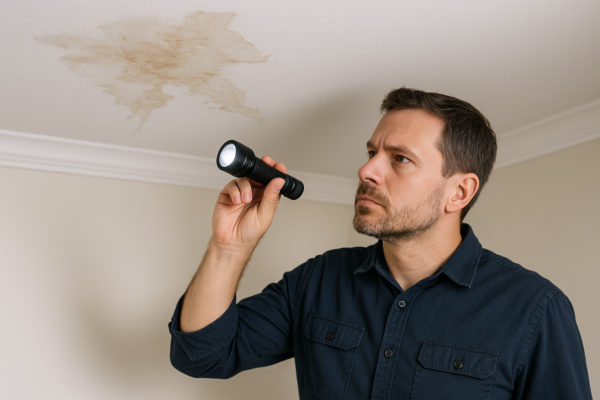
By incorporating these inspections into your maintenance routine, you can address minor issues such as clogged drains or loose shingles before they develop into major problems. This proactive approach is particularly beneficial in preventing roof leaks, which can lead to interior damage and mold growth.
Choosing the Right Inspection Frequency
Determining the appropriate frequency for roof inspections depends on several factors, including the type of roofing material, age of the roof, and local weather patterns. In regions like Southern California, where the climate can range from dry summers to wet winters, more frequent inspections may be warranted.
Table: Recommended Inspection Frequency Based on Roof Type
| Roof Type | Inspection Frequency | Additional Notes |
|---|---|---|
| Flat Roof | Quarterly | Prone to pooling water, requires regular checks |
| Metal Roof | Biannually | Inspect for rust and sealant integrity |
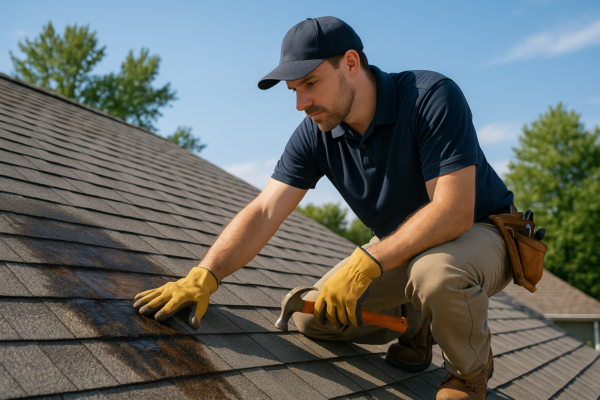
| Shingle Roof | Annually | Check for missing or damaged shingles |
Using this table as a guideline, businesses can better plan their roof maintenance services to align with their specific roofing type and needs.
Professional vs. DIY Inspections
While some business owners might be tempted to conduct roof inspections themselves, hiring a professional offers numerous advantages. Professionals are trained to spot subtle signs of damage that an untrained eye might miss. Moreover, they have the right tools and safety equipment to conduct thorough inspections without risking injury.
Investing in professional inspections, as outlined in our inspection requirements guide, is an effective way to ensure that your roof remains in optimal condition.
Preventive Maintenance: A Cost-Effective Strategy
Debris Removal and Cleaning
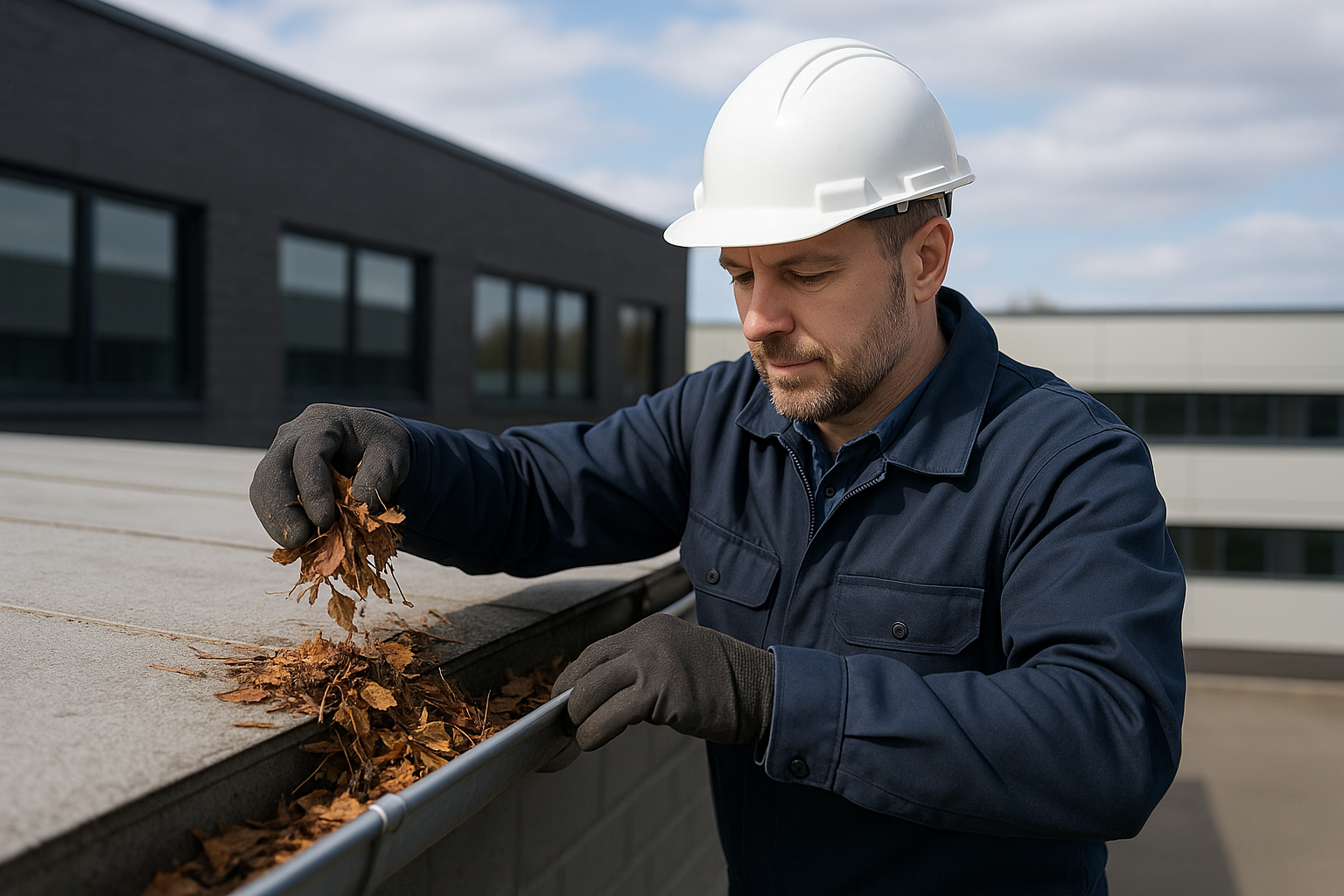
One of the most effective maintenance practices is regular cleaning and debris removal. Leaves, branches, and other debris can accumulate on your roof, leading to water pooling and potential leaks. In Southern California, where the dry season can lead to significant leaf accumulation, this practice is particularly crucial.
Regular cleaning can help prevent water damage and extend the life of roofing materials. It also minimizes the risk of clogged drains, which, if left unchecked, can lead to severe water intrusion issues. This is especially relevant for flat roofing systems, which are more susceptible to water pooling.
Sealing and Weatherproofing
Sealing and weatherproofing are essential components of any preventive maintenance routine. Regularly inspecting and maintaining sealants and weatherproofing materials can prevent moisture ingress and extend the life of the roof. For example, applying a fresh coat of sealant every few years can significantly reduce the risk of leaks, especially in metal and flat roofing systems.
Effective weatherproofing is crucial in areas like Southern California, where unexpected rainstorms can occur. By ensuring that your roof is adequately sealed, you can protect against sudden leaks and the accompanying damage they can cause.
For more detailed guidance on this, refer to our preventive maintenance tips.
Routine Maintenance Tips
Implementing a regular maintenance schedule can prevent costly repairs and extend the life of your commercial roof. Here are some practical tips to consider:
- Schedule biannual professional inspections to catch potential issues early.
- Clean gutters and downspouts regularly to ensure proper drainage.
- Trim overhanging branches to reduce debris accumulation and prevent damage from falling limbs.
- Check and maintain rooftop equipment such as HVAC units to ensure they are not causing undue stress on the roofing materials.
Following these tips can help businesses avoid the pitfalls of neglected maintenance and reduce the risk of unexpected repairs.
Addressing Weather-Related Challenges
Impact of Southern California Climate on Roofing
The climate in Southern California presents unique challenges for commercial roofing. The region’s hot, dry summers and occasional heavy rainfalls can lead to a range of roofing issues, from thermal expansion and contraction to water intrusion. Understanding these climate-specific challenges is crucial for effective roof maintenance.
For example, during the dry season, roofs can suffer from heat-related wear and tear, which can lead to cracks and splits in roofing materials. Conversely, the wet season can exacerbate issues like leaks and water damage if roofs are not properly sealed.
Businesses should consider these factors when planning maintenance schedules and selecting roofing materials, as outlined in our importance of maintenance guide.
Seasonal Maintenance Practices
Adjusting your maintenance practices to the seasons can help mitigate the effects of the climate on your roof. During the dry summer months, focus on ensuring that your roof is free of debris and that any signs of heat damage are addressed promptly.
In the wetter months, it’s crucial to inspect sealants and weatherproofing materials to ensure they are intact and functioning correctly. This proactive approach can prevent water damage and the costly repairs that can follow.
For a comprehensive overview of how seasonal changes affect roofing, consult our article on factors leading to roof leaks.
Future-Proofing Your Roof
Future-proofing your commercial roof involves selecting durable materials and employing maintenance practices that account for future climate variability. This includes using materials that are resistant to UV rays and temperature fluctuations, common in Southern California.
Additionally, integrating advanced technologies such as reflective coatings can reduce heat absorption and energy costs. These strategies not only enhance the longevity of your roof but also contribute to improved energy efficiency.
Frequently Asked Questions
What are the most common causes of commercial roof damage?
Common causes of commercial roof damage include weather-related issues, such as storms and extreme temperatures, as well as poor maintenance practices. Regular inspections and timely repairs can mitigate these risks.
How much can regular maintenance save on repair costs?
Regular maintenance can save up to 50% on repair costs by addressing minor issues before they evolve into major problems. This proactive approach helps prevent costly repairs and extends the life of your roof.
Is professional maintenance more effective than DIY?
Yes, professional maintenance is generally more effective than DIY due to the expertise and specialized equipment professionals bring. They can identify and address issues that might be overlooked by non-experts.
How often should I schedule professional roof inspections?
Professional roof inspections should be scheduled at least twice a year, in the spring and fall. However, in areas with extreme weather conditions, more frequent inspections may be necessary to ensure optimal roof health.
Conclusion
Implementing effective maintenance practices is key to reducing the risk of costly commercial roof repairs. By understanding what maintenance practices can prevent costly commercial roof repairs, businesses can proactively manage their roofing systems, ensuring durability and performance. From regular inspections and debris removal to addressing climate-specific challenges, these strategies provide a comprehensive approach to roof care. For those looking to optimize their commercial roofing maintenance, partnering with professional services like Roof Titan ensures that your investments are protected and your business operations remain uninterrupted.