Frequently Asked Questions
Can a metal roof be installed on top of shingles?
Yes, a metal roof can be installed on top of shingles, provided the existing shingles are in good condition and the roof structure can support the additional weight of the metal roofing system.
Is titanium good for roofing?
Titanium is generally not a common or recommended material for residential roofing. Titanium roofs can be durable, but they are typically more expensive and better suited for specialized applications rather than standard home roofing.
Can you put a metal roof over an asphalt roof?
Yes, it is possible to install a metal roof over an existing asphalt roof, provided the asphalt roof is in good condition and can support the additional weight of the metal roof.
Is tamko titan a 30 year shingle?
The Tamko Titan is a 30-year architectural shingle, designed to provide long-lasting protection and enhanced aesthetics for residential roofs.
What materials are best for roofing?
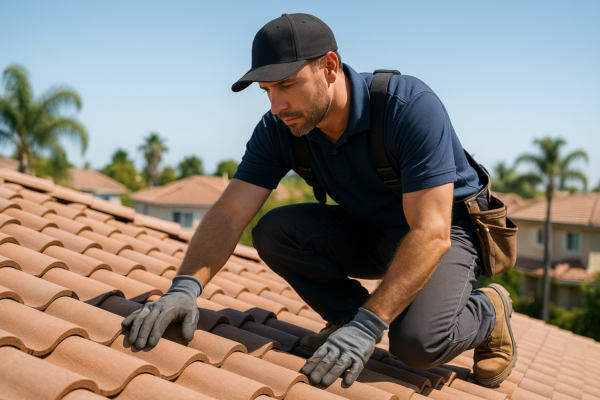
The best roofing materials depend on factors such as climate, building type, and budget. Common options include asphalt shingles, metal, tile, and flat roofing materials like EPDM or TPO.
How durable are metal roofs?
Metal roofs are renowned for their exceptional durability, often lasting 40-70 years with proper maintenance. They are highly resistant to weather elements, fire, and pests, making them a reliable choice for long-term roofing solutions.
What are the benefits of titanium roofing?
The benefits of titanium roofing include its durability, longevity, and low maintenance requirements. Titanium roofs are resistant to corrosion, fire, and weather extremes, making them a highly reliable and long-lasting roofing solution.
Can metal roofs reduce cooling costs?
Metal roofs can reduce cooling costs. Metal roofs reflect solar heat, which can significantly lower the energy required for cooling a building, leading to reduced utility bills and a more energy-efficient home or commercial property.
How long do metal roofs last?
Metal roofs typically last 40 to 70 years, making them a durable and long-lasting roofing option. The lifespan of a metal roof can vary depending on factors such as the quality of the material, installation, and climate conditions.
What is the installation process for metal roofs?
The installation process for metal roofs typically involves securing the metal panels to the roof's frame, ensuring proper overlapping and sealing to prevent leaks, and integrating the panels with flashing, trim, and vents for a seamless and weatherproof finish.
Are titanium roofs suitable for heavy snowfall?
Titanium roofs are well-suited for areas with heavy snowfall due to their exceptional strength and durability. The high load-bearing capacity of titanium makes it an ideal choice for roofs that need to withstand significant snow accumulation.
What is the cost of titanium roofing?
The cost of titanium roofing can vary depending on factors such as the size of the roof, the complexity of the installation, and the local market conditions. Generally, titanium roofing is more expensive than traditional roofing materials, with average costs ranging from $10,000 to $30,000 for a typical residential installation.
How do I maintain a metal roof?
Maintaining a metal roof involves regularly inspecting for any damage or rust, clearing debris, and ensuring proper sealant and paint application to prevent leaks and extend the roof's lifespan.
What are the pros and cons of shingles?
The pros of shingles include their affordability, easy installation, and wide range of style options. The cons include their shorter lifespan compared to other roofing materials and potential susceptibility to weather damage.
How do asphalt roofs compare to metal roofs?
Asphalt roofs are generally more affordable but have a shorter lifespan compared to metal roofs, which are more durable and energy-efficient but can be more expensive upfront.
Can I install metal roofing myself?
Installing metal roofing yourself is possible, but it requires specific skills, tools, and safety precautions. It's generally recommended to hire a professional roofing contractor for a proper and safe metal roof installation.
What are the options for shingle roofing?
The options for shingle roofing include asphalt, wood, slate, and metal shingles. Each type offers different features like durability, appearance, and cost, allowing homeowners to choose the best fit for their needs and preferences.
How do titanium shingles perform in storms?
Titanium shingles are highly durable and resistant to damage from high winds, hail, and other severe weather conditions, making them an excellent choice for roofing in storm-prone areas.
Is it worth investing in metal roofing?
Investing in metal roofing can be worthwhile due to its durability, longevity, and energy-efficiency, which may offset the higher initial cost over time through reduced maintenance and energy savings.
What is the difference between shingles and metal?
The key difference between shingles and metal roofing is the material. Shingles are typically made of asphalt, wood, or composite materials, while metal roofs are composed of metal panels, such as steel, aluminum, or copper.
Which is better: asphalt or metal roofing?
The choice between asphalt or metal roofing depends on factors such as cost, durability, and energy efficiency. Asphalt roofs are generally more affordable, while metal roofs offer longer lifespan and better thermal performance.
Do metal roofs require additional insulation?
Metal roofs generally do require additional insulation to improve their thermal performance and energy efficiency. The metal material on its own has limited insulating properties, so adding insulation is important to regulate temperature and reduce heating/cooling costs.
How to choose the right roofing material?
Choosing the right roofing material depends on factors like climate, budget, and aesthetic preferences. Considering factors such as durability, energy efficiency, and maintenance requirements can help select the most suitable roofing option for your needs.
Can I add a roof over existing shingles?
Adding a new roof over existing shingles is possible, but it's crucial to ensure the existing roof is in good condition and can support the additional weight. Proper ventilation and insulation should also be considered.
What lifespan can I expect from titanium roofing?
Titanium roofing can provide a lifespan of 50 to 100 years, making it a durable and long-lasting roofing option. The exceptional corrosion resistance and weather-proof properties of titanium contribute to its exceptional longevity.
Are there energy-efficient options for roofing?
Yes, there are energy-efficient roofing options available, such as reflective metal roofing, cool asphalt shingles, and solar roof tiles, which can help reduce energy consumption and lower utility costs.
Is titanium roofing worth the cost?
The cost of titanium roofing may be higher, but it offers exceptional durability, longevity, and low maintenance, making it a worthwhile investment for many homeowners.
What are common issues with asphalt roofs?
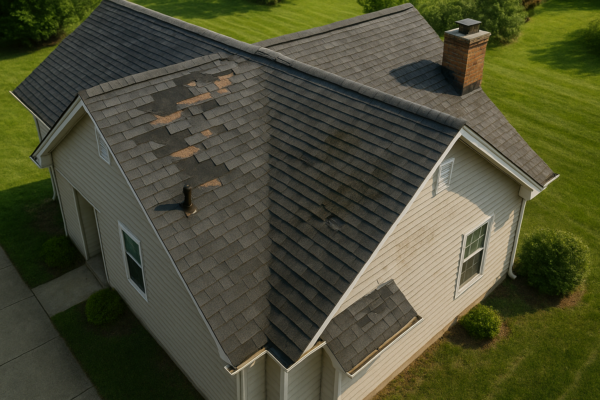
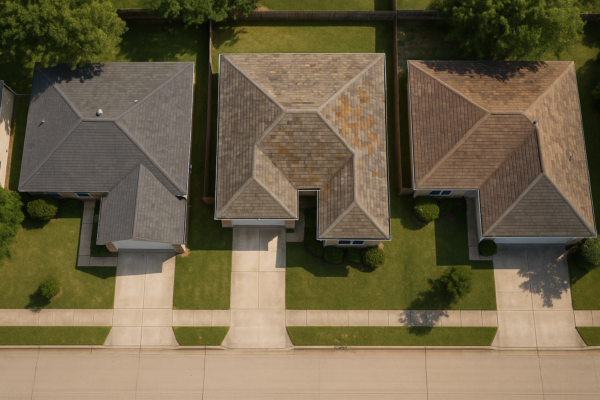
Common issues with asphalt roofs include cracking, blistering, and granule loss, which can lead to leaks and reduced lifespan. Regular maintenance and prompt repairs are crucial to address these problems and extend the roof's performance.
How to inspect a roof for damage?
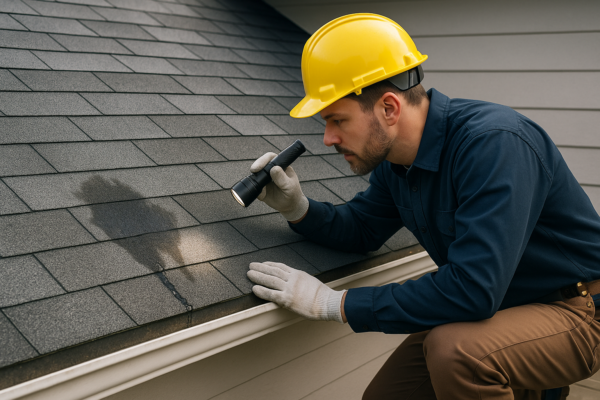
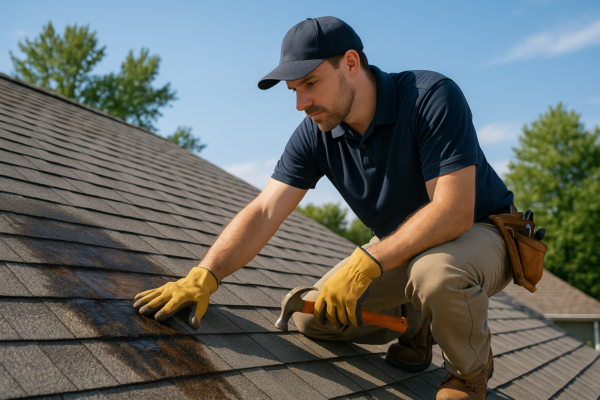
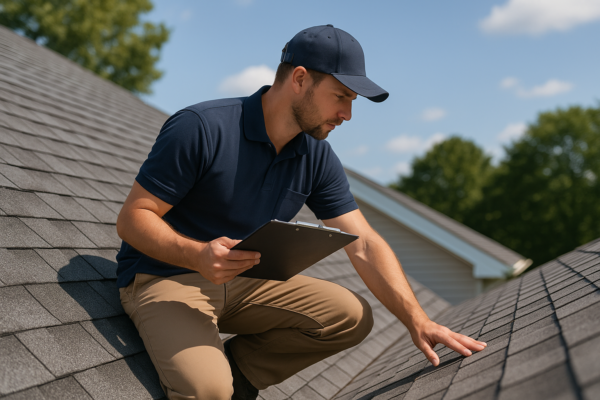
Inspecting a roof for damage involves a visual examination of the roof's surface, flashing, and gutters to identify issues like missing or damaged shingles, leaks, or signs of deterioration.
What factors affect roofing material choice?
The key factors that affect roofing material choice include the building's architectural style, climate, budget, and desired aesthetic. Considerations such as durability, maintenance requirements, and environmental impact also play a significant role in the selection process.