Signs Your Commercial Roof Is Damaging Your Business
The **impact of roof damage on business** can be far-reaching and costly, affecting everything from operational efficiency to employee safety. As a business owner, it’s crucial to understand the risks associated with neglecting roof maintenance and repairs. This guide will help you identify the signs of roof damage and explain how it can affect your bottom line.
Key Takeaways
- Roof damage can lead to increased energy costs, structural issues, and safety hazards.
- Identifying signs of damage early can save you from costly repairs or replacements.
- Different roofing materials have varying lifespans and maintenance needs.
- Regular inspections and maintenance are essential for prolonging your roof’s lifespan.
- Professional assessment is crucial for accurate diagnosis and repair planning.
Understanding the Impact of Roof Damage on Business Operations
Increased Energy Costs
One of the most immediate effects of a damaged roof is the increase in energy costs. When your commercial roof is compromised, it can no longer insulate your building effectively. This means your HVAC system must work harder to maintain comfortable temperatures, leading to higher utility bills. According to the U.S. Department of Energy, about 30% of a building’s heating energy is lost through the roof.
In Southern California, where temperatures can soar, ensuring your roof’s insulation is intact is vital for energy efficiency. Businesses that invest in eco-friendly roofing materials can reduce energy consumption by up to 40%. This not only cuts costs but also contributes to sustainability efforts.
Structural Damage Risks
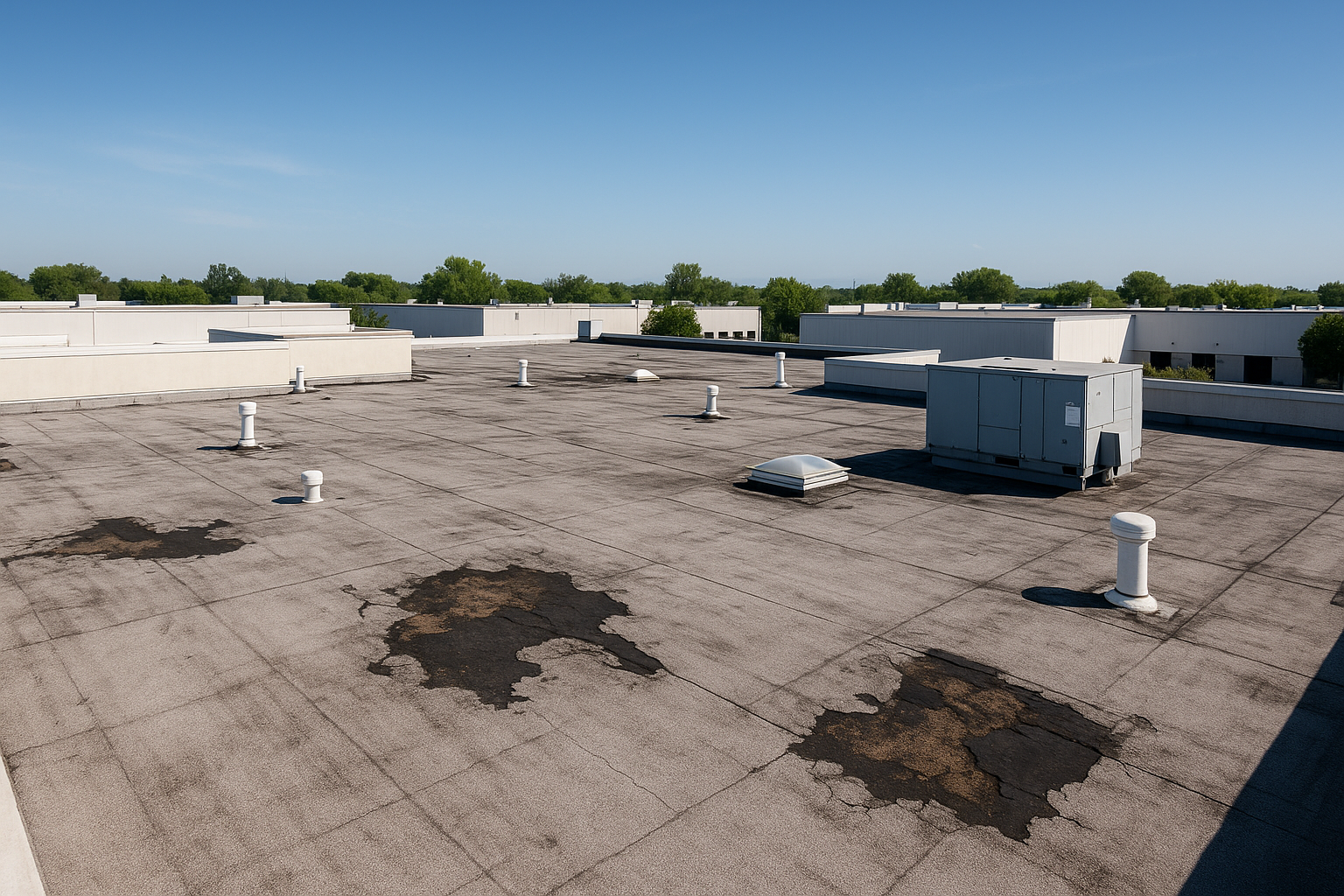
A compromised roof can lead to serious structural issues. Water intrusion is a common problem when roofs are damaged. Over time, water seeping into the building can cause wood rot, mold growth, and even structural collapse. This can be particularly concerning during the rainy season in California, where unexpected storms can exacerbate existing damage.
Regular inspections can help you spot issues like water stains or mold growth early. For a detailed understanding, consider reading about roof damage indicators that require immediate attention.
Safety Hazards for Employees and Customers
The safety of your employees and customers is paramount. A damaged roof poses several safety hazards, including loose debris that could fall and injure someone, or structural weaknesses that could lead to accidents. The **impact of roof damage on business** safety protocols cannot be overstated.
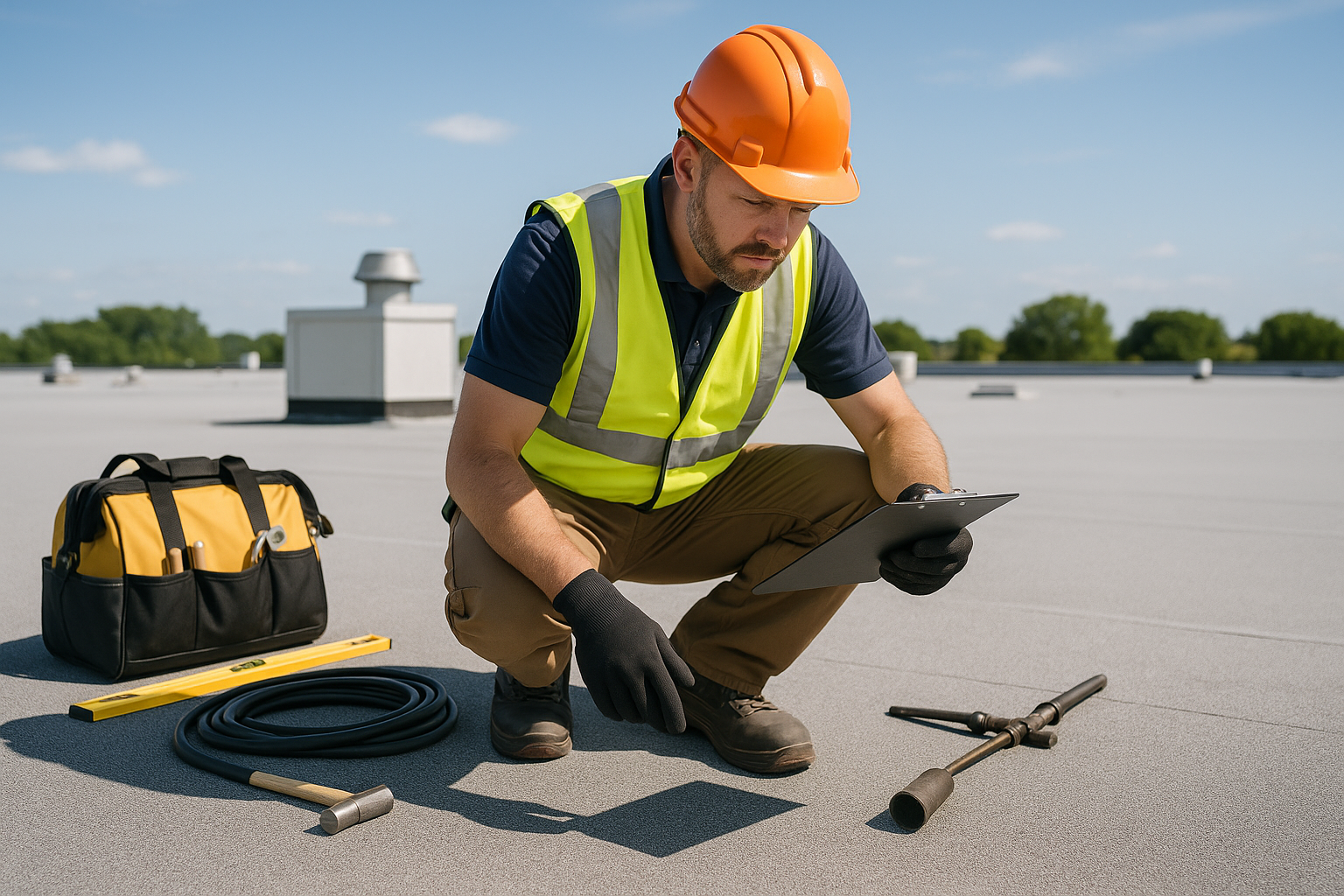
Ensuring your roof is in good condition is part of maintaining a safe workplace. If you notice any signs of wear, such as sagging or visible cracks, it’s crucial to have a professional assessment done. Learn more about identifying commercial roof damage signs that need immediate repair.
Identifying Warning Signs of Roof Damage
Visible Wear and Tear
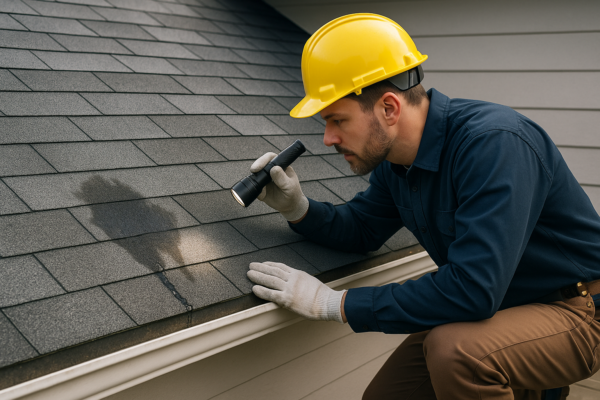
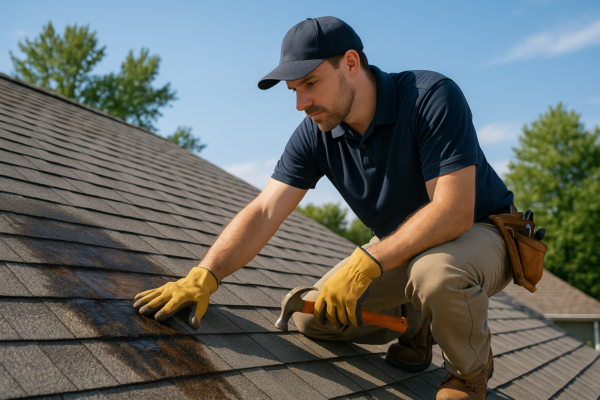
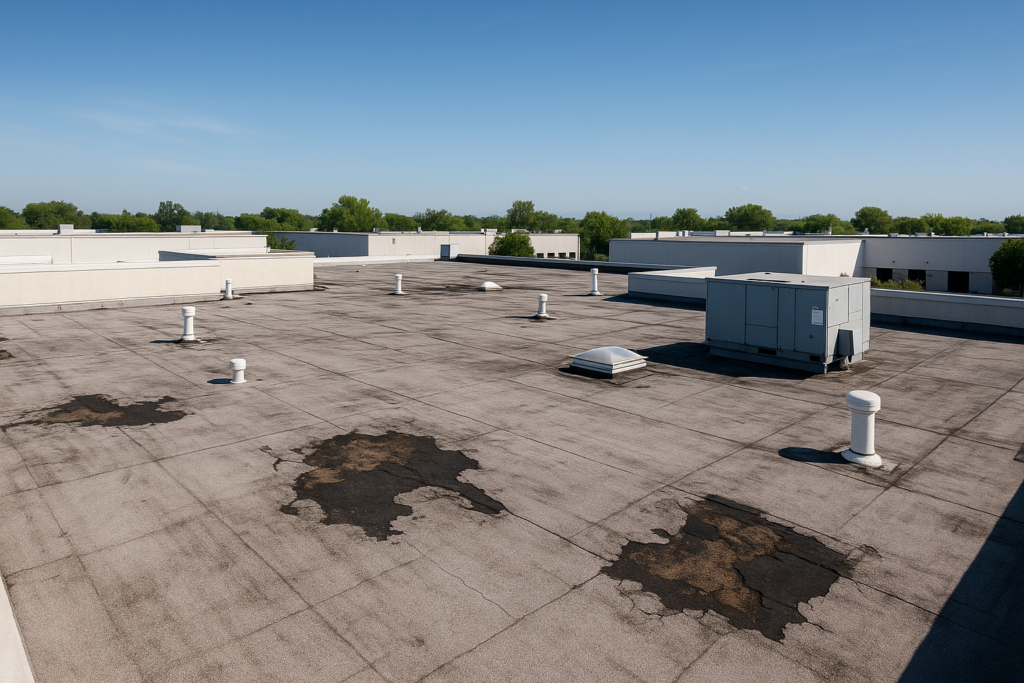
Regular visual inspections of your roof can help you spot signs of wear and tear. Common indicators include cracked or missing shingles, visible rust on metal roofs, and blistering or bubbling on flat roofs. These signs suggest that your roof may not be effectively protecting your building.
For businesses in the San Gabriel Valley, where the climate can vary from hot and dry to occasionally wet, maintaining your roof’s integrity is crucial. Check out our guide on spotting visible signs of wear to catch issues early.
Water Leaks and Stains
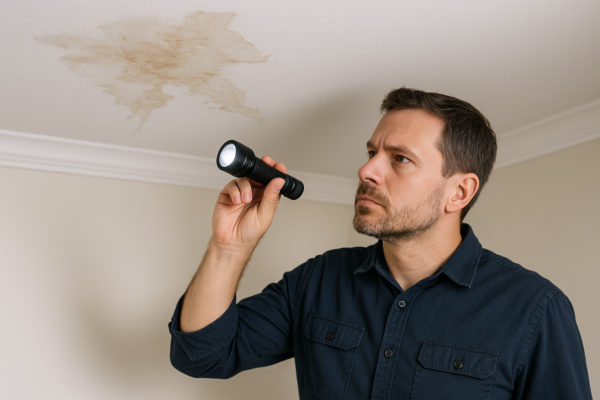
Water stains on ceilings or walls are often the first sign of a leaking roof. These stains can vary in color from yellow to brown and often have a musty odor. The presence of mold or mildew around these areas indicates prolonged exposure to moisture, which can lead to health issues for employees and customers.
If you notice any leaks, it’s important to address them quickly. Learn more about effective roof leak repair strategies to prevent further damage.
Temperature Fluctuations Inside the Building
Unexplained temperature changes within your building can also signal roof damage. A well-insulated roof should maintain a consistent temperature inside the building. If certain areas are noticeably warmer or cooler, it might indicate that your roof’s insulation is compromised.
These fluctuations can affect employee productivity and customer comfort, ultimately impacting your business operations. Regular maintenance and understanding different roofing materials can help you choose the best option for maintaining consistent indoor temperatures.
Choosing the Right Roofing Solution for Your Business
Commercial Roof Types Comparison
Selecting the right roofing material is essential for minimizing the **impact of roof damage on business** efficiency and safety. Here’s a comparison of some popular commercial roofing options:
| Roofing Material | Average Lifespan | Maintenance Level |
|---|---|---|
| Asphalt Shingles | 15-20 years | Moderate |
| Metal Roofing | 40-70 years | Low |
| Flat Roofing | 20-30 years | High |
| Eco-Friendly Options | Varies | Varies |
Understanding the different commercial roofing types can help you make an informed decision that aligns with your business needs and budget.
Cost-Benefit Analysis of Roof Replacement
Replacing a commercial roof is a significant investment, but it can save money in the long run. Consider the cost of repairs, potential energy savings, and the lifespan of new materials. On average, roof replacement costs range from $5 to $12 per square foot, depending on the material and complexity of the installation.
Explore roof replacement costs to understand what to expect and how to budget effectively for this crucial upgrade.
Benefits of Regular Roof Maintenance
Regular roof maintenance is key to extending the life of your commercial roof and reducing the **impact of roof damage on business** operations. Scheduled inspections can identify minor issues before they become major problems, saving you time and money.
- Schedule bi-annual inspections to assess roof condition.
- Clean gutters and downspouts to prevent water buildup.
- Trim overhanging branches that could damage the roof surface.
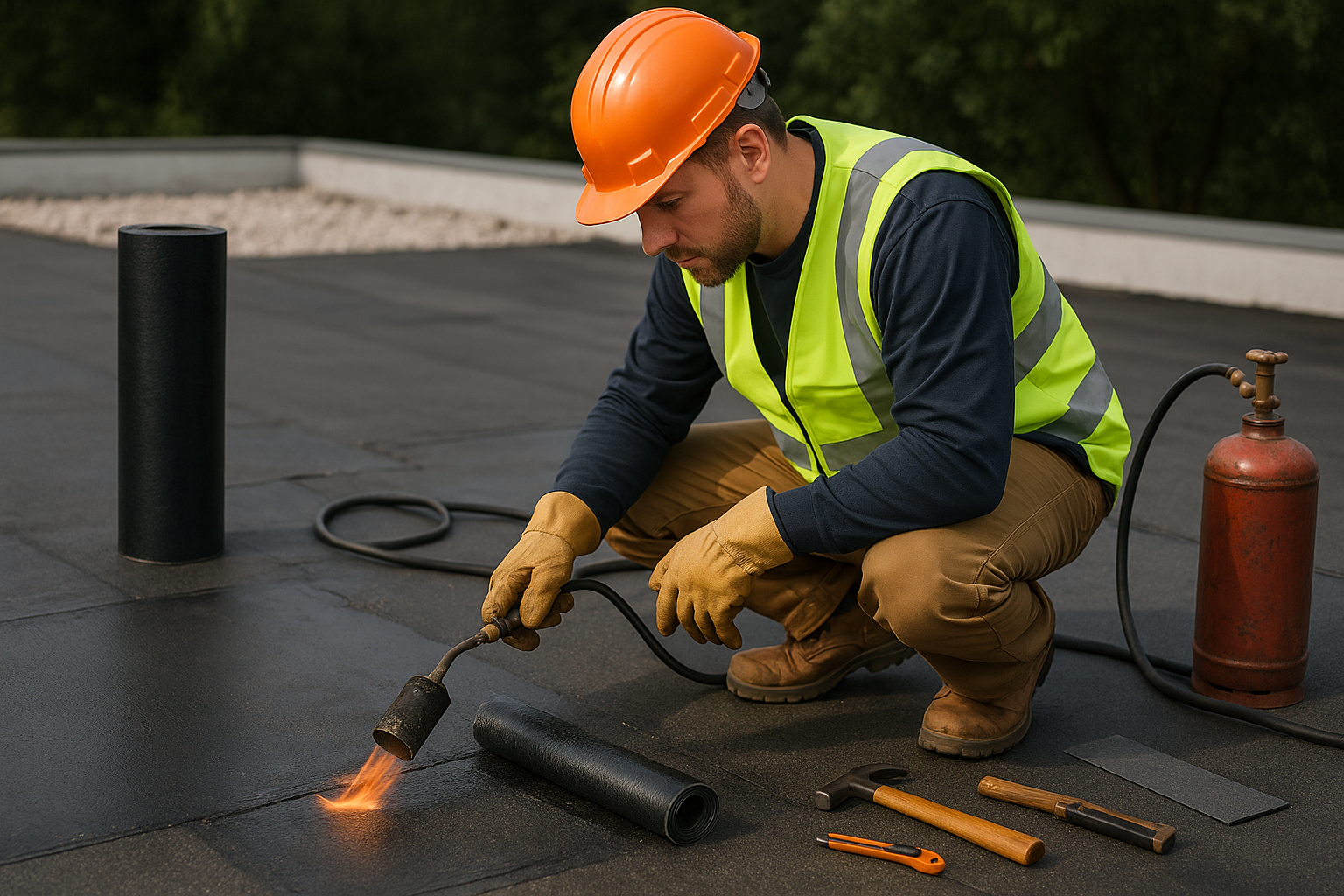
- Repair small leaks promptly to avoid further damage.
For more detailed maintenance advice, check out our comprehensive DIY roof maintenance tips.
Frequently Asked Questions
What are the most common causes of commercial roof damage?
Common causes of commercial roof damage include weather events such as storms or heavy rain, poor installation, lack of maintenance, and natural wear and tear. It’s important to conduct regular inspections to catch any potential issues early.
How can I tell if my commercial roof needs repairs or replacement?
Signs that your roof may need repairs or replacement include persistent leaks, visible signs of wear, significant energy bill increases, and noticeable temperature fluctuations inside your building. Consulting with a professional can provide a thorough assessment.
How often should I have my commercial roof inspected?
It is recommended to have your commercial roof inspected at least twice a year, preferably in the spring and fall. Additionally, inspections should be conducted after any major weather events to assess potential damage.
What are the benefits of choosing eco-friendly roofing materials?
Eco-friendly roofing materials can offer benefits such as improved energy efficiency, reduced environmental impact, and potential tax incentives. They can also enhance the aesthetic appeal of your building while contributing to sustainability goals.
Conclusion
The **impact of roof damage on business** can be severe, affecting everything from energy costs to safety and structural integrity. By identifying and addressing signs of damage early, you can protect your investment and ensure smooth business operations. Regular maintenance, informed material choices, and professional assessments are key to minimizing risks. For further insights, explore our commercial roofing services and find the best solutions tailored to your business needs.