
Signs Your Commercial Roof Needs Inspection Now
As a business owner in Southern California, your commercial property’s roof is one of the most critical components of your building’s infrastructure. Recognizing when it requires a **commercial roof inspection checklist** can save you from costly repairs and extend the life of your roof. Understanding the signs of damage is essential for maintaining your building’s value and ensuring the safety of your occupants.

Key Takeaways
- Regular inspections using a **commercial roof inspection checklist** can prevent costly damage and extend roof life.
- Visible signs of wear and damage, such as leaks and pooling water, indicate the need for immediate inspection.
- Understanding local commercial roofing regulations is critical for compliance and safety.
- Professional inspections identify hidden issues that untrained eyes might miss, ensuring thorough assessment.
- Investing in routine maintenance and inspections can significantly reduce long-term repair costs.
Common Signs Your Commercial Roof Needs Inspection
Water Leaks and Stains
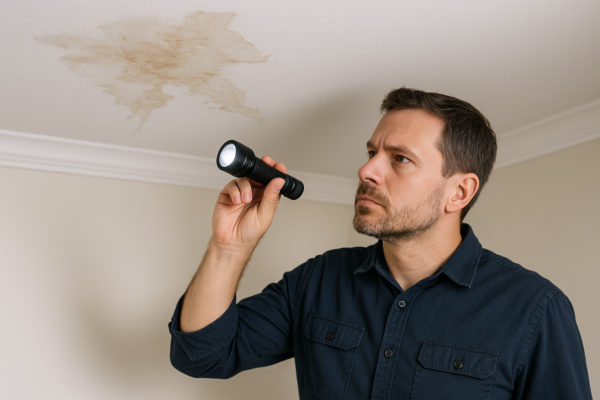
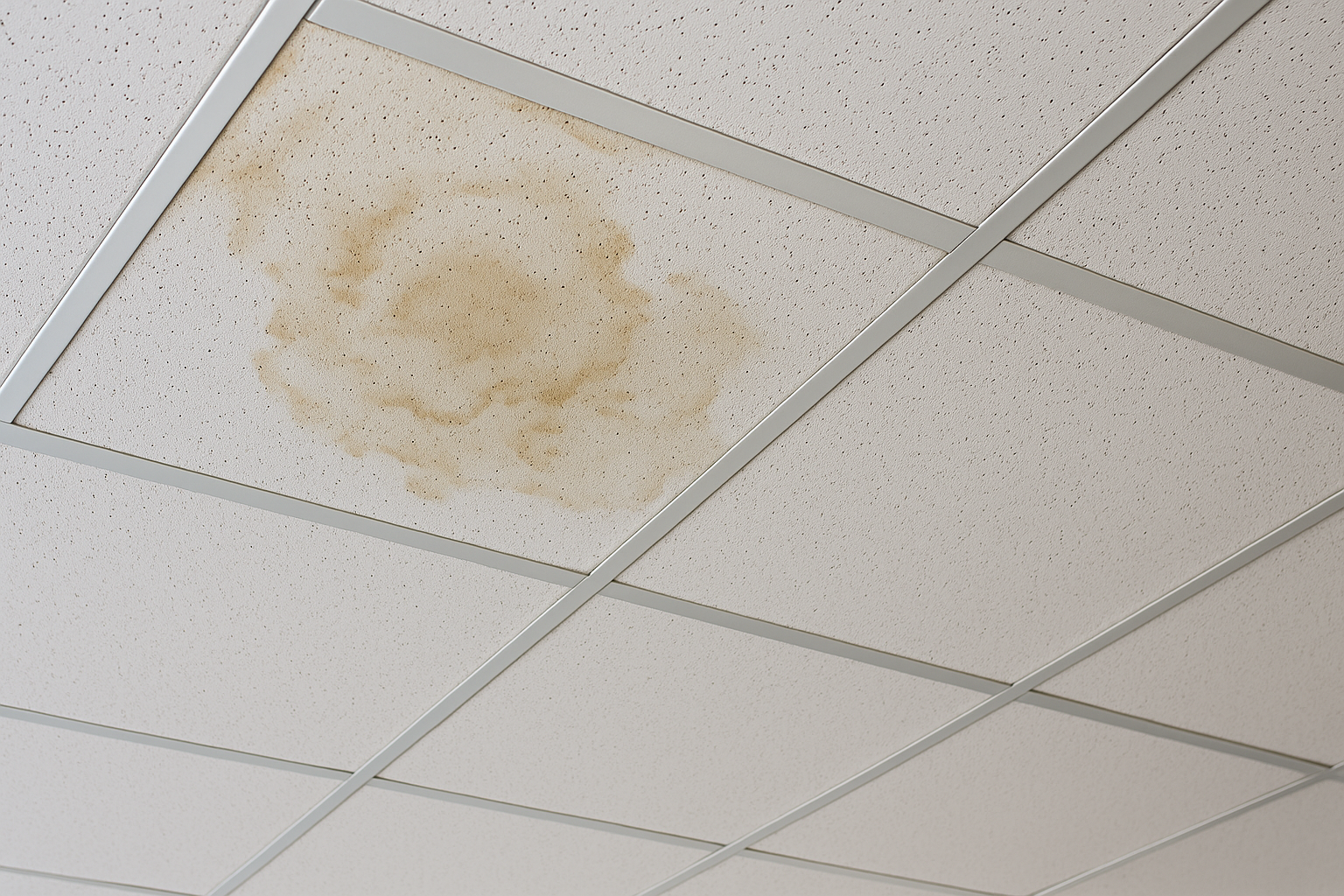
One of the most apparent signs that your commercial roof needs an inspection is water leakage. If you notice water stains on ceilings or walls, it may indicate a breach in the roofing material. These issues can worsen over time, leading to structural damage and mold growth. Immediate attention is crucial, and you might want to consider professional roof leak repair services to address these issues effectively.
In Southern California, where heavy rains can occur, even small leaks can become significant problems. Therefore, regularly inspecting for leaks should be a part of your **commercial roof inspection checklist**. This proactive approach can save you from expensive repairs and potential health hazards associated with mold.
Pooling Water
Flat roofs, common in commercial buildings, are particularly prone to pooling water. If water remains on your roof for more than 48 hours, it can lead to membrane deterioration and structural issues. Regular inspections can help identify drainage problems and ensure that your roofing system directs water away efficiently.
To address pooling, you might need a professional to adjust the slope of your roof or install additional drainage solutions. Staying proactive with your **commercial roof inspection checklist** is key to catching these issues before they escalate into major repairs.
Visible Damage and Wear
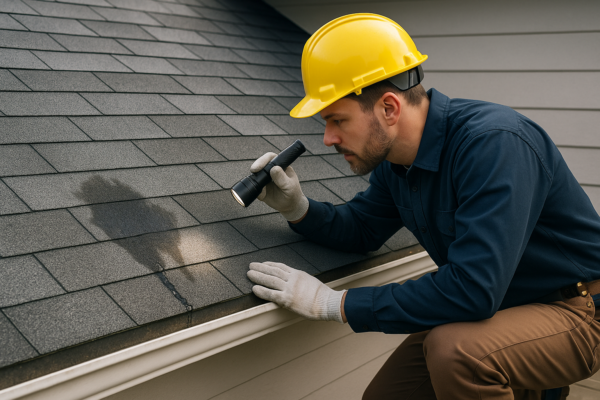
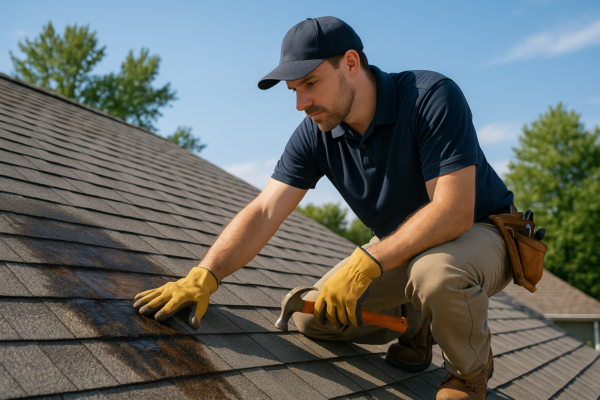
Regularly checking for visible signs of wear, such as cracks, blisters, or punctures, is vital. These issues often result from weather-related stress, like intense sun exposure typical in Southern California. Over time, UV rays can cause roofing materials to become brittle and crack. For more detailed guidance, consider learning about signs of commercial roof damage that require immediate attention.
During inspections, prioritize areas around rooftop equipment, as they are common sites for damage. Ensuring these areas are secure can prevent costly repairs and extend the life of your roof. It’s also beneficial to explore the indicators of roof damage for businesses to better understand what to look for.
The Importance of Professional Inspections
Expertise and Experience
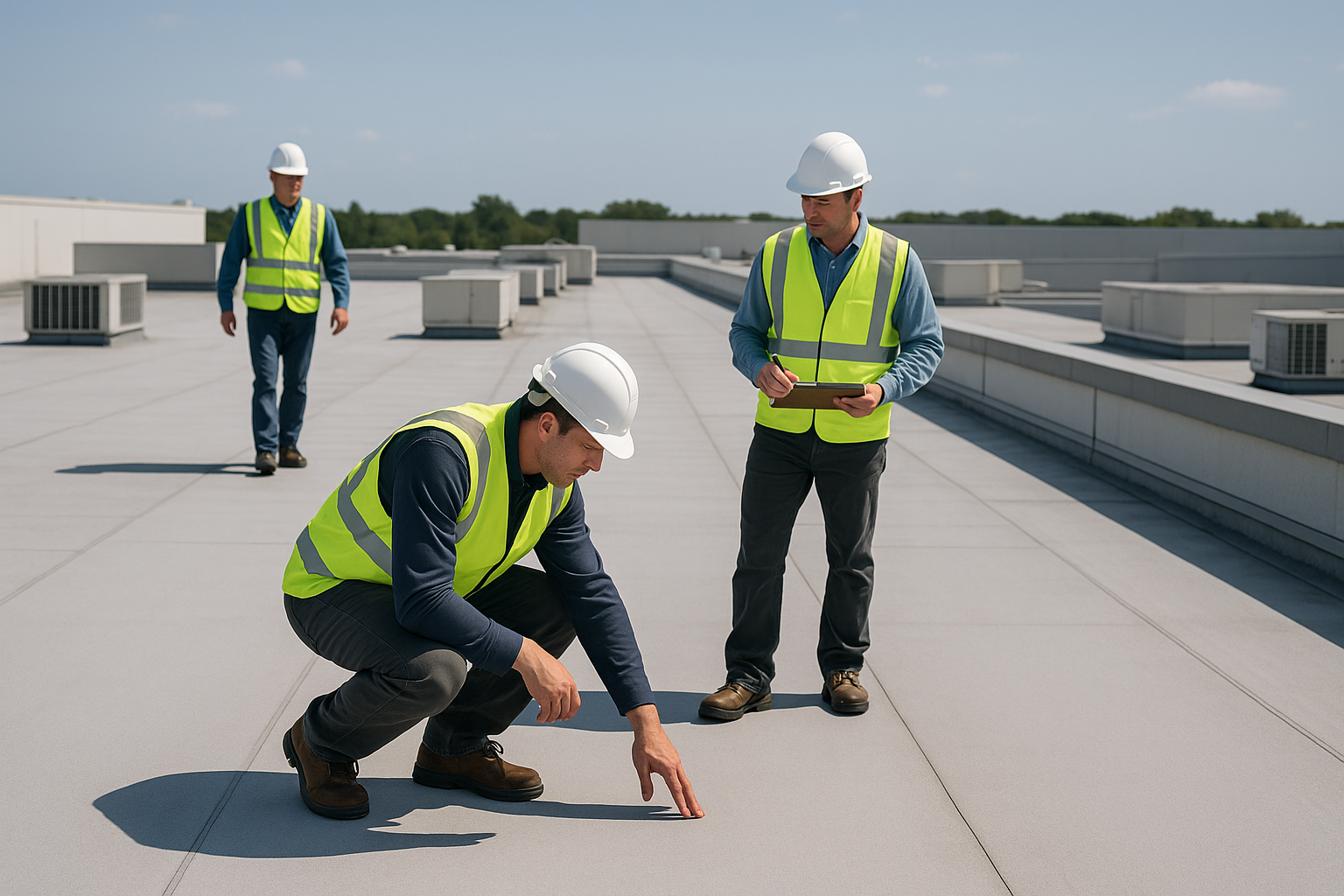
While visual inspections can identify obvious issues, a professional brings the expertise to spot less apparent problems. A trained eye can detect early signs of deterioration that might be overlooked by untrained personnel. Professionals are equipped with tools and techniques designed to provide a comprehensive assessment, ensuring that nothing is missed.
Routine professional inspections should be part of your **commercial roof inspection checklist**. These inspections can help prevent future issues by catching problems early and providing tailored maintenance recommendations.
Comprehensive Assessment
Professional inspections offer a thorough evaluation of your roofing system, including structure, materials, and drainage systems. Inspectors look at every aspect, from the surface materials to the underlying support systems, ensuring all components are functioning correctly. This comprehensive approach helps identify potential issues before they become major problems.
Moreover, having a detailed inspection report can be beneficial for insurance purposes and when planning future maintenance. This documentation is invaluable in proving the condition of your roof over time, protecting you in the case of insurance claims or disputes.
Compliance with Local Regulations
Commercial roofing in California is subject to specific regulations and codes to ensure safety and durability. Understanding these regulations is crucial for maintaining compliance. Regular inspections can help ensure that your roof meets all local standards and avoids costly fines or legal issues. For more information on this topic, consider reading about local commercial roofing laws you must know for compliance.
Additionally, keeping up with safety regulations in commercial roofing ensures that your building remains a safe environment for employees and customers alike.
Cost and Long-Term Benefits of Regular Inspections
Cost-Effectiveness of Routine Inspections
While the upfront cost of a professional inspection might seem high, it is a worthwhile investment. Regular inspections can significantly reduce long-term repair costs by identifying issues early. On average, inspections range from $200 to $500, depending on the size and complexity of the roof. When compared to potential repair costs that can reach thousands of dollars, inspections are a cost-effective solution.
Implementing a **commercial roof inspection checklist** ensures that inspections are conducted regularly, allowing for budget-friendly maintenance planning and avoiding unexpected expenses.
Extending Roof Lifespan
Routine inspections contribute directly to extending the lifespan of your commercial roof. By identifying and addressing issues early, the overall wear and tear on the roof is minimized, leading to fewer repairs and replacements over time. This proactive maintenance approach can extend a roof’s life by several years, maximizing your initial investment.
Preventative maintenance, guided by regular inspections, is a strategic approach to maintaining the integrity of your roof. For further insights into how different materials impact lifespan, explore understanding different commercial roofing types for your business.
Improved Energy Efficiency
An often overlooked benefit of regular roof inspections is the potential for improved energy efficiency. Identifying and repairing leaks, insulation issues, or damaged membranes can lead to better temperature regulation within the building, reducing heating and cooling costs. This improvement not only saves money but also contributes to a more sustainable building operation.
For properties in Southern California, where energy costs can be high, ensuring your roof is energy efficient can have a substantial impact on your bottom line.
Frequently Asked Questions
How often should I schedule a commercial roof inspection?
It is recommended to schedule **commercial roof inspections** at least twice a year, typically in the spring and fall. However, following any severe weather events or when visible damage is noticed, additional inspections may be necessary to assess and address any potential issues.
What should be included in a commercial roof inspection checklist?
A **commercial roof inspection checklist** should include checking for visible damage, assessing drainage systems, inspecting flashing and seals, and evaluating the roof’s structural integrity. It should also involve checking for any signs of water damage or leaks and ensuring compliance with local building codes.
Can I perform roof inspections myself?
While you can perform basic visual inspections, it is highly recommended to hire professionals for thorough assessments. Professionals have the expertise to identify subtle signs of damage and the tools to assess areas that are difficult to inspect safely or thoroughly on your own.
What are the risks of neglecting regular roof inspections?
Neglecting regular roof inspections can lead to undetected issues that worsen over time, resulting in costly repairs, structural damage, and potential safety hazards. It can also lead to non-compliance with local regulations, risking fines or legal issues.
Conclusion
Recognizing the signs that your commercial roof needs an inspection is crucial for maintaining the integrity and safety of your building. By utilizing a **commercial roof inspection checklist**, you can proactively address potential issues, ensuring your roof remains in optimal condition. Regular professional inspections provide a comprehensive assessment that can save you money in the long run and extend the life of your roof. For more insights into maintaining your commercial roof, visit our commercial roofing services page to explore all available options.