Repairing vs. Replacing a Commercial Roof: Cost Breakdown You Need to Know
When it comes to maintaining your business property, understanding what is the price range for repairing versus replacing a commercial roof can be crucial. The decision between repair and replacement depends on several factors, including cost, condition, and long-term benefits. In this guide, we’ll break down the essential information you need to make an informed choice.
Key Takeaways
- Repairing a commercial roof is often less expensive upfront, but replacement might offer better long-term value.
- The **price range** for repairs varies based on the extent of damage and roof type, often falling between $5 to $15 per square foot.
- Replacement costs can range from $7 to $30 per square foot, depending on materials and labor.
- Consider the age and condition of the roof, as these factors heavily influence the decision.
- Regular inspections and maintenance can extend the lifespan of your roof, reducing the need for costly interventions.
Understanding the Costs of Repairing a Commercial Roof
Factors Influencing Repair Costs
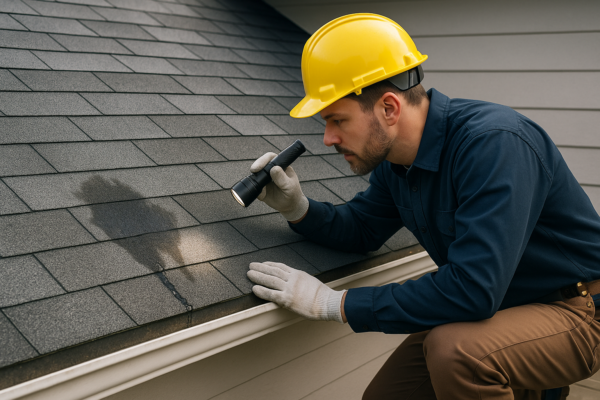
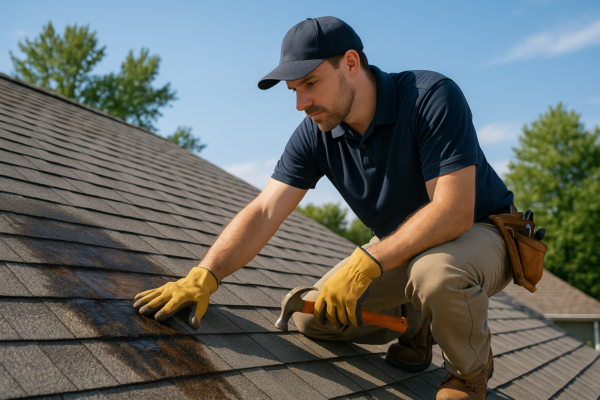
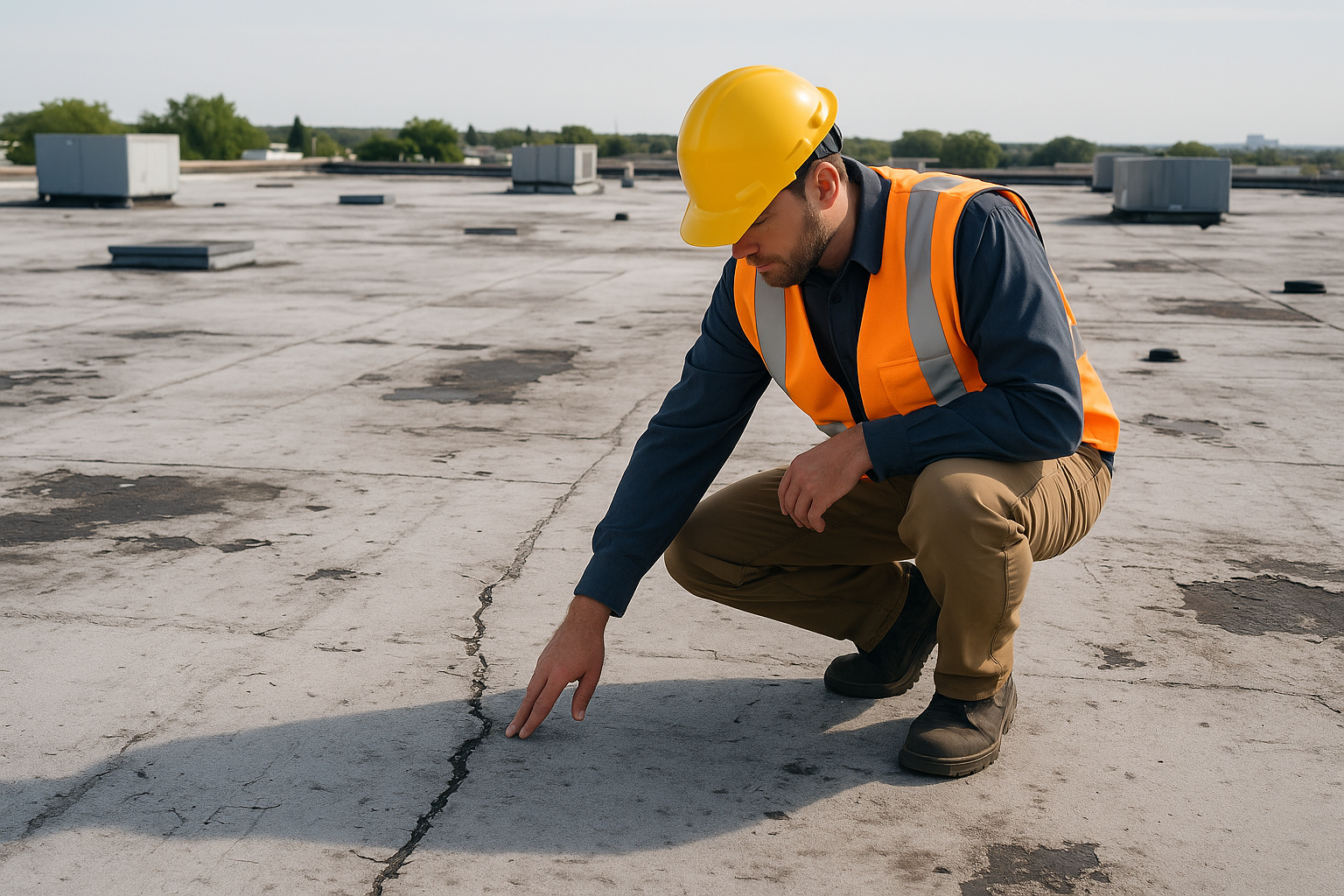
The cost of repairing a commercial roof is influenced by several factors. Primarily, the extent and type of damage play a significant role. For minor repairs, such as fixing leaks or replacing a few damaged shingles, you might spend between $5 and $15 per square foot. However, more extensive repairs involving structural components can increase the costs significantly.
Material type is another critical factor. For instance, repairing a metal roof might cost more than an asphalt roof due to material costs and specialized labor. Additionally, the geographical location and current market conditions in Southern California can affect pricing.
Common Repair Scenarios and Their Costs
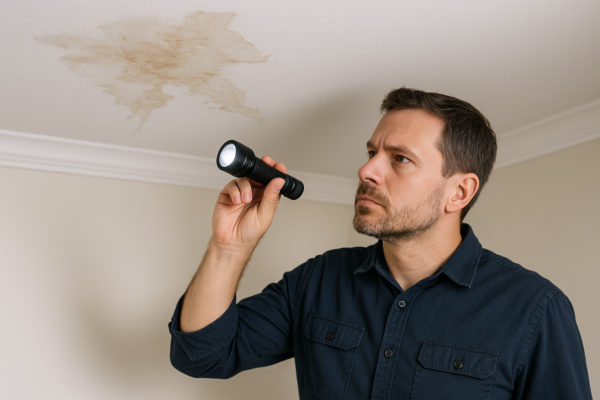
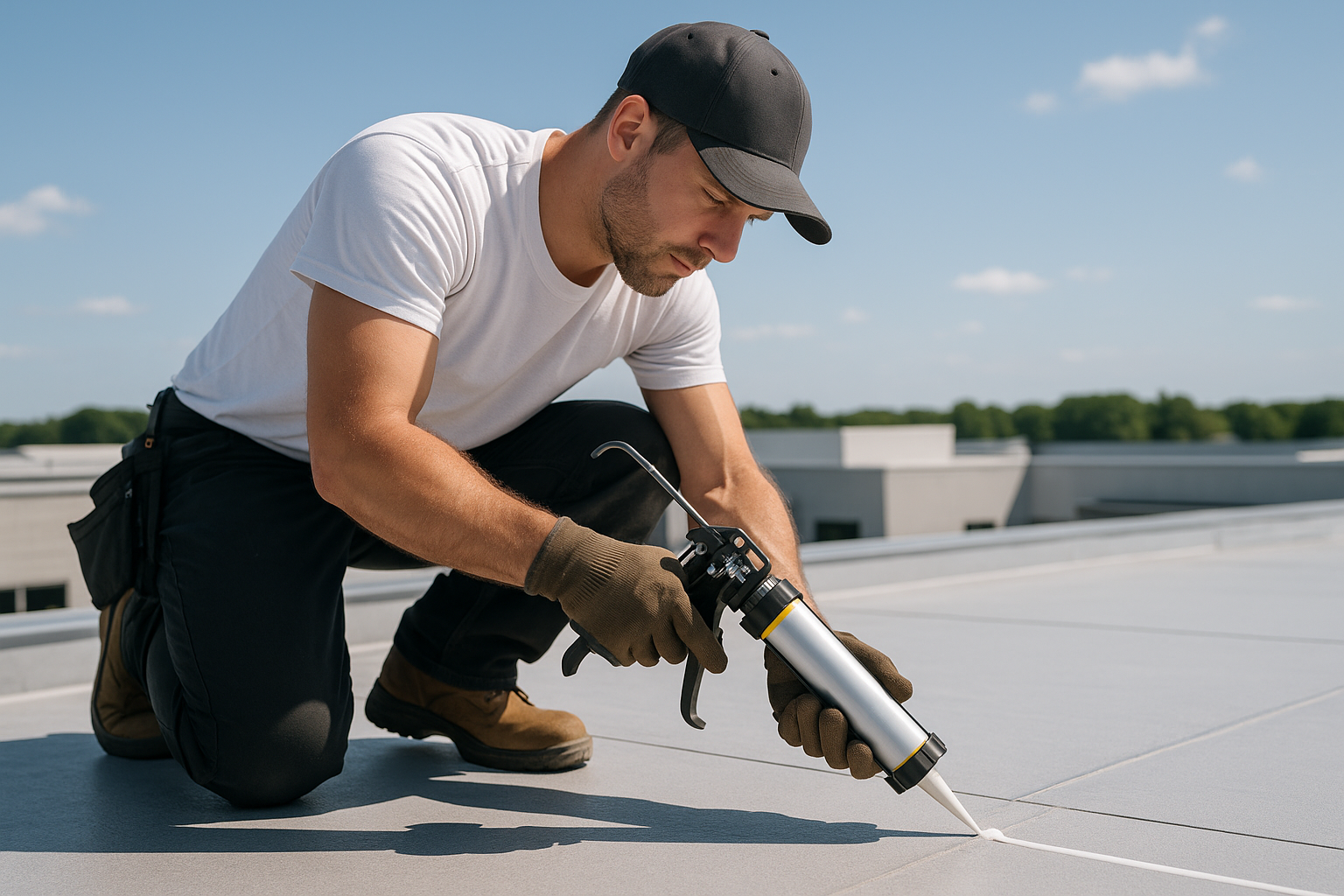
Typical repair scenarios include fixing leaks, replacing flashing, and sealing seams. For example, addressing a minor leak typically costs around $450 to $700, depending on the severity and accessibility. Flashing repairs can range from $300 to $1,000, especially if they involve hard-to-reach areas or extensive rust damage.
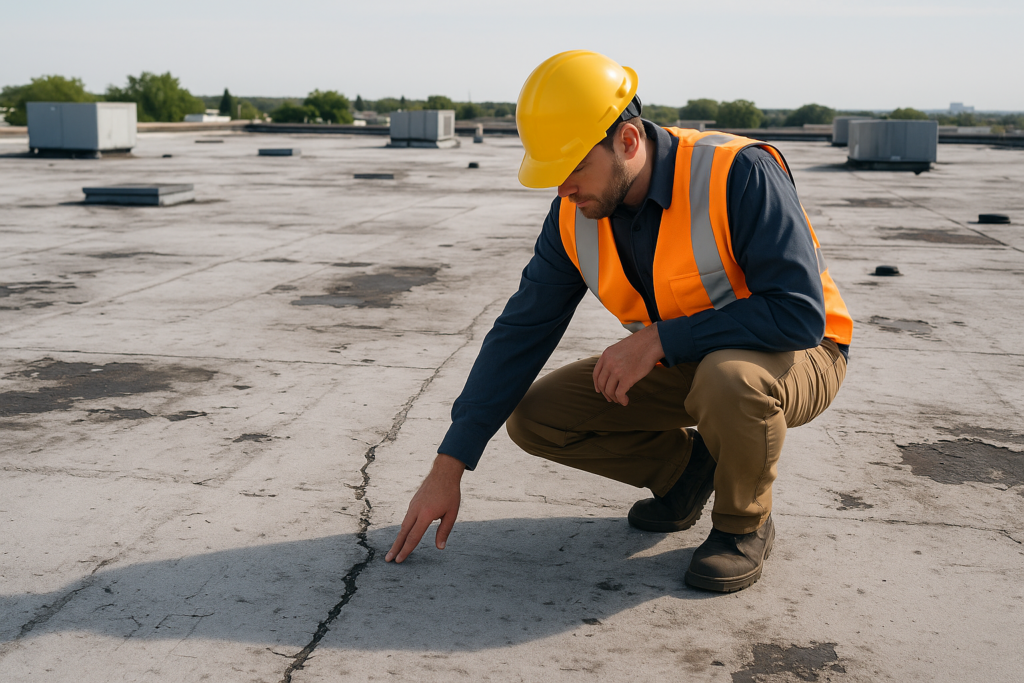
Seam repairs for flat roofs, which are common in commercial buildings, might cost between $500 and $1,200. The total cost will depend on the size of the area and the type of sealant used. To better understand these costs, you can request an estimate tailored to your situation.
Cost-Effective Repair Tips
- Schedule regular inspections to catch issues early and avoid costly repairs.
- Choose durable materials that offer warranties to reduce future repair costs.
- Work with experienced contractors who specialize in commercial roofing.
- Consider seasonal maintenance to prevent damage from weather-related stressors, especially in Southern California’s varied climate.
- Invest in high-quality sealants for flat roofs to prevent water ingress.
Weighing the Costs of Replacing a Commercial Roof
When Replacement Becomes Necessary
At times, replacement is the more viable option, particularly if the roof is nearing the end of its typical lifespan, which for most commercial roofs is between 20 to 30 years. Replacement may also be necessary if damage is widespread or if the roof has been repaired multiple times, as repeated repairs can add up to substantial costs without resolving underlying issues.
Replacement costs can range widely from $7 to $30 per square foot, depending on the materials chosen and labor costs. For accurate pricing, it’s essential to consider how labor costs affect the overall expense, as well as the specific requirements of your building and location.
Material Selection and Pricing
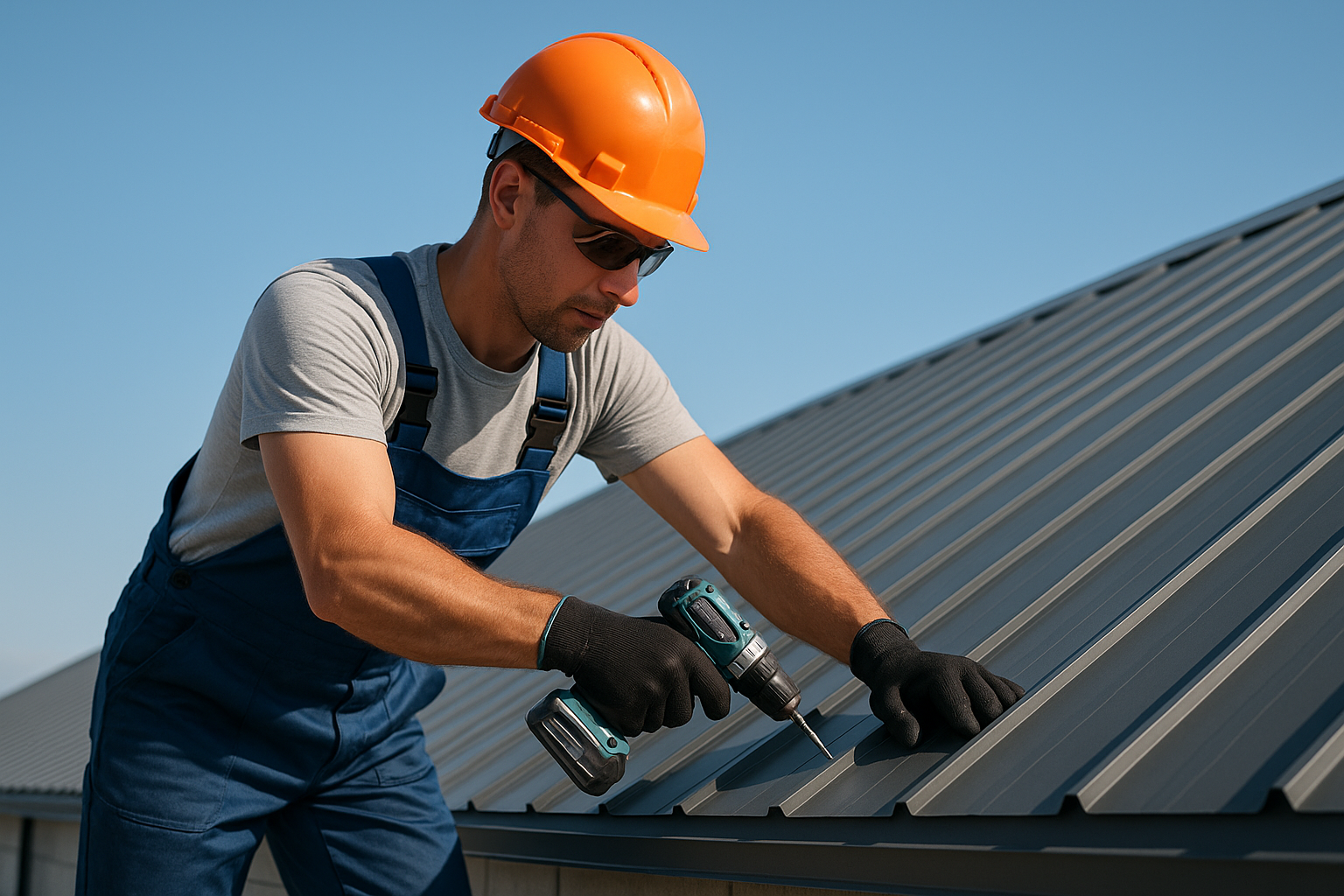
The choice of material significantly impacts the replacement cost. For instance, **metal roofing** is a durable option that can cost between $15 and $30 per square foot. In contrast, **TPO roofing**, known for its energy efficiency, might be priced at $7 to $12 per square foot. Understanding the price differences in roofing materials is crucial for making an informed decision.
Other popular materials such as asphalt or modified bitumen provide cost-effective alternatives, typically ranging from $10 to $20 per square foot. When considering materials, it’s also wise to account for the climate in Southern California and how each material responds to local weather conditions.
Cost Comparison Table: Repair vs. Replacement
| Cost Factor | Repair Costs | Replacement Costs |
|---|---|---|
| Minor Roof Leaks | $450 – $700 | N/A |
| Metal Roof Repairs | $5 – $15 per sq. ft. | $15 – $30 per sq. ft. |
| Asphalt Shingle Replacement | $300 – $1,000 | $10 – $20 per sq. ft. |
| Flat Roofing Seam Repairs | $500 – $1,200 | $7 – $12 per sq. ft. |
| Comprehensive Replacement | N/A | $7 – $30 per sq. ft. |
Evaluating Long-Term Benefits and Considerations
Durability and Lifespan
While regular inspections and maintenance can prolong the life of a roof, replacement often provides the promise of enhanced durability and a reset on the lifespan. New roofs can come with warranties that cover materials and workmanship for up to 25 years, depending on the chosen material and provider.
In Southern California, where intense sun and occasional rain can test roofing materials, opting for a replacement that offers improved thermal performance and UV resistance can be particularly advantageous. This can lead to energy savings and reduced HVAC costs over time.
Financial Considerations and ROI
Investing in a new roof can also enhance the overall value of your property. Not only does it improve curb appeal, but it also provides potential savings on energy bills and minimizes the risk of costly emergency repairs. Financing options can make this investment more manageable, allowing for budget-friendly payment plans.
When comparing the **price range for repairing versus replacing a commercial roof**, it’s important to consider how the long-term benefits of replacement can provide a better return on investment, particularly if the current roof frequently needs repairs.
Environmental Impact and Sustainability
Many businesses today are concerned with sustainability, and roofing choices can contribute to environmental goals. Replacing a roof can provide opportunities to upgrade to more sustainable materials, such as cool roofs or recycled-content materials. These options not only reduce the building’s carbon footprint but can also qualify for tax incentives or rebates.
Furthermore, incorporating green roofing solutions can help manage stormwater runoff and reduce urban heat island effects, contributing positively to the local environment. Businesses should weigh these factors when deciding whether to repair or replace their roof.
Frequently Asked Questions
How do I know if my commercial roof needs repair or replacement?
If your roof is experiencing frequent leaks, visible damage, or is over 20 years old, it might be time to consider replacement. However, if issues are minor and infrequent, repairs could suffice. A professional inspection can help determine the best course of action.
What is the typical lifespan of a commercial roof?
The lifespan of a commercial roof varies by material, with most lasting between 20 to 30 years. Factors such as climate, maintenance, and material quality heavily influence longevity. Regular maintenance can extend a roof’s life significantly.
Are there any incentives for replacing a commercial roof?
Yes, there can be incentives for using energy-efficient materials, such as tax credits or rebates. Additionally, new installations may result in energy savings that lower operational costs. It’s advisable to consult with a local roofing expert to explore available options.
Can I finance a commercial roof replacement?
Yes, many roofing companies offer financing options that spread the cost over time, making it more manageable. It’s a good idea to explore financing options that suit your budget and financial situation.
Conclusion
Determining what is the price range for repairing versus replacing a commercial roof involves considering multiple factors, including costs, longevity, and material benefits. While repairs may be more cost-effective in the short term, replacement can offer improved durability, energy savings, and property value. By understanding the cost implications and benefits of each option, you can make the best decision for your commercial property. Regular maintenance and professional consultations are key to maximizing your roof’s performance and lifespan. For more detailed guidance, visit our commercial roofing services page.