Local Commercial Roofing Laws You Must Know
Understanding **Local Commercial Roofing Laws** is crucial for any business owner in the San Gabriel Valley area. These regulations not only ensure safety and compliance but also protect your investment in roofing infrastructure. This guide will delve into the essentials of commercial roofing laws, including permit requirements, building codes, and safety regulations to keep you informed and compliant.
Key Takeaways
- Comprehending **Local Commercial Roofing Laws** helps avoid legal issues and ensures a safe roofing environment.
- Permits are mandatory for most commercial roofing projects, affecting project timelines and costs.
- Building codes dictate materials and designs, impacting the overall durability of your roof.
- Safety regulations are non-negotiable and protect both workers and the public.
- Staying informed on state and local laws can prevent costly fines and repairs.
Understanding Commercial Roofing Permits
Why Permits Are Necessary
Obtaining a permit is often the first step in adhering to **local commercial roofing laws**. Permits ensure that your roofing project meets all the necessary safety and building standards set by local authorities. In California, these regulations are particularly stringent because of the state’s unique climate and seismic activity. Without a proper permit, you risk legal repercussions, including fines and project delays.
For instance, in the San Gabriel Valley, specific permits are needed for different types of commercial roofing projects. The cost of obtaining a permit can vary, but generally, you can expect to pay between $500 and $2,000, depending on the scope of the project. It’s advisable to consult with experts in commercial roofing permit requirements to navigate the intricacies of the process efficiently.
Types of Permits Required
Different permits are required based on the nature and scale of the roofing work. Here’s a breakdown of common permit types:
- Building Permit: This is mandatory for any major construction, including roof replacements and extensive repairs.
- Electrical Permit: Required if the roofing work involves electrical components, such as solar panel installations.
- Plumbing Permit: Necessary for projects involving drainage modifications or installations.
Understanding these permits is crucial because failure to obtain the appropriate documentation can halt your project. Moreover, permits ensure that your roof complies with building codes, which dictate materials and structural integrity.

Impact on Project Timelines
Securing permits can significantly impact your project timeline. The process of applying for and receiving permits can take several weeks, depending on the complexity of your project and the efficiency of your local building department. For example, if you’re planning a large-scale roof replacement, it’s crucial to account for this time in your project schedule to avoid delays.
Additionally, some jurisdictions require inspections at various stages of the project. These inspections ensure compliance with **local commercial roofing laws** and can further extend the timeline. It’s advisable to coordinate closely with your roofing contractor to streamline this process and minimize downtime.
Complying with Building Codes
Understanding Building Codes
Building codes are a set of regulations that govern the design and construction of commercial roofs. These codes ensure that your roof is safe, durable, and energy-efficient. In California, building codes are influenced by the state’s unique weather patterns, including hot summers and the potential for seismic activity. Adhering to these codes is crucial for both safety and legal compliance.
For instance, the California Building Code requires specific materials and construction techniques to withstand seismic forces. Additionally, energy efficiency standards mandate the use of reflective materials to reduce cooling costs during the hot summer months. Familiarity with roofing regulations for commercial properties is essential to ensure compliance and sustainability.
Materials and Design Standards
The choice of materials and design plays a significant role in adhering to building codes. Here’s a comparison of common materials and their compliance with local regulations:
| Material | Compliance with Seismic Codes | Energy Efficiency Rating |
|---|---|---|
| Asphalt Shingles | Moderate | Low |
| Metal Roofing | High | High |
| EPDM Rubber | High | Moderate |
| TPO Membrane | High | High |
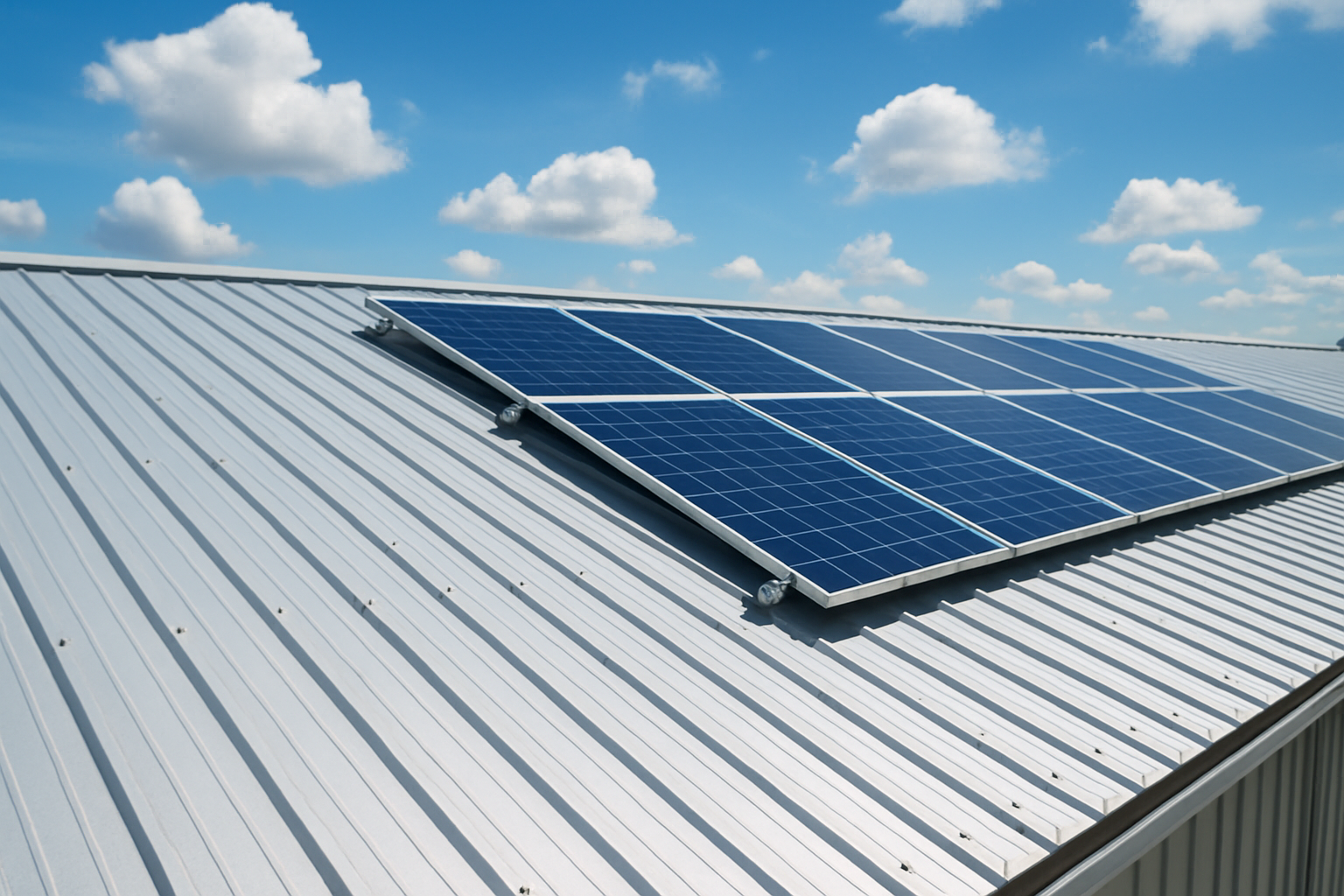
Choosing the right materials can greatly affect the longevity and performance of your roof. For example, metal roofing is highly valued for its durability and energy efficiency, making it an excellent choice for compliance with both seismic and energy codes.
Legal Implications of Non-Compliance
Failing to comply with building codes can have serious legal and financial consequences. Non-compliance can result in hefty fines, forced removal or modification of the roof, and even litigation. Furthermore, insurance companies may refuse to cover damages if the roof does not meet local building codes, leaving you vulnerable to significant losses.
To avoid these pitfalls, it’s crucial to work with local commercial roofing experts who are familiar with the latest codes and regulations. They can provide guidance and ensure that your roofing project adheres to all necessary standards.
Ensuring Safety Compliance
Understanding Safety Regulations
Safety regulations are a critical component of **local commercial roofing laws**. These regulations are designed to protect the safety of both workers and the public during roofing projects. In California, safety standards are particularly rigorous due to the potential hazards associated with roofing work, such as falls, electrical hazards, and exposure to harmful materials.
Compliance with safety regulations is not just a legal requirement but also a moral obligation. Ensuring a safe working environment can prevent accidents and injuries, reduce liability, and promote a positive company image. For a comprehensive understanding of these regulations, consider reviewing safety regulations in commercial roofing.
Implementing Safety Measures
Implementing effective safety measures is essential for compliance. Here are some key practices to ensure safety on your commercial roofing project:
- Use of Personal Protective Equipment (PPE): Ensure all workers wear helmets, harnesses, and other necessary PPE.
- Regular Safety Training: Provide ongoing training sessions to keep workers informed about the latest safety practices.
- Risk Assessments: Conduct thorough risk assessments before and during the project to identify potential hazards.
- Emergency Procedures: Establish clear emergency procedures and ensure all workers are familiar with them.
These measures not only comply with **local commercial roofing laws** but also enhance the overall safety and efficiency of your project. Moreover, adherence to safety standards can prevent costly accidents and potential legal liabilities.
Consequences of Non-Compliance
Non-compliance with safety regulations can lead to severe consequences, including fines, shutdowns, and increased insurance premiums. In the event of an accident, you could also face legal action from injured workers or affected parties. Therefore, it is imperative to prioritize safety and work with contractors who prioritize compliance with state guidelines for commercial roofing.
Failure to comply with safety regulations not only endangers workers but can also result in significant financial losses for your business. By adhering to these safety standards, you protect your employees, your reputation, and your bottom line.
Frequently Asked Questions
What are the key components of local commercial roofing laws?
**Local commercial roofing laws** comprise building codes, permit requirements, and safety regulations. Building codes dictate the materials and designs permitted, while permits ensure compliance with safety and construction standards. Safety regulations protect workers and the public during roofing projects.
How do I know if my roofing project requires a permit?
Most commercial roofing projects require a permit, especially those involving significant repairs or replacements. It’s essential to check with your local building department or consult with a professional roofing contractor to determine the specific permits needed for your project.
What happens if I don’t comply with building codes?
Non-compliance with building codes can result in fines, project delays, and even legal action. Additionally, your insurance may not cover damages if the roof fails to meet code standards, leaving you financially liable for repairs or replacements.
Why is safety compliance crucial in commercial roofing?
Safety compliance is vital to prevent accidents and ensure the well-being of workers and the public. It also protects your business from legal liabilities and financial losses associated with accidents or non-compliance fines.
Conclusion
In summary, understanding and adhering to **Local Commercial Roofing Laws** is essential for any business engaging in roofing projects in the San Gabriel Valley. From obtaining the necessary permits to complying with building codes and safety regulations, these laws protect your investment and ensure the safety and legality of your roofing endeavors. By staying informed and working with knowledgeable contractors, you can navigate these regulations effectively and avoid costly pitfalls. For further insights, consider exploring more about commercial roofing services and related regulations.