
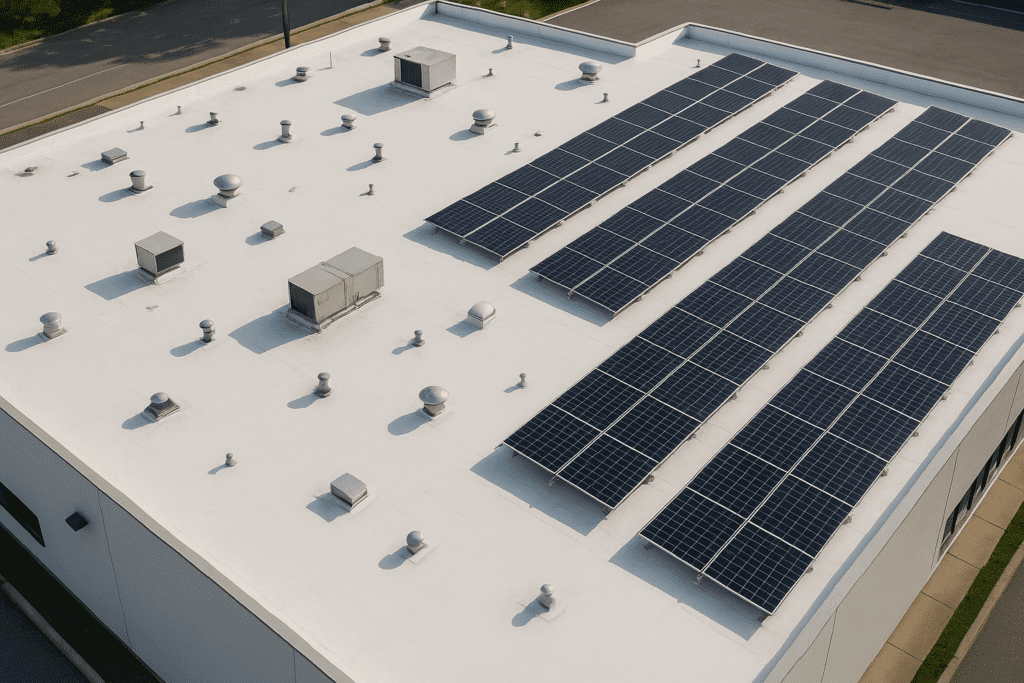
Understanding Commercial Roofing Regulations for Your Property
When managing a commercial property, ensuring compliance with **roofing regulations for commercial properties** is essential. These rules and guidelines are designed to ensure safety, efficiency, and durability, especially important in regions like Southern California with its unique climate challenges. This comprehensive guide will help you navigate the complex landscape of commercial roofing regulations, providing practical tips and insights.

Key Takeaways
- Understanding **roofing regulations for commercial properties** is crucial for compliance and safety.
- Specific materials and systems, like EPDM and metal roofing, meet regulatory standards efficiently.
- Permits and building codes vary by state and local jurisdictions, impacting project timelines and costs.
- Efficiency in roofing materials can provide long-term cost savings and environmental benefits.
- Staying updated on regulatory changes is key to maintaining compliance and avoiding fines.
Regulatory Overview for Commercial Roofing
Understanding Building Codes
The fundamental aspect of **roofing regulations for commercial properties** is adherence to building codes. These codes dictate the materials, structural integrity, and safety measures required for commercial roofs. In California, the building codes are particularly stringent due to seismic activity and environmental considerations. The California Building Standards Code, for instance, mandates specific requirements to enhance structural resilience against earthquakes.
Building codes are periodically updated to include new technologies and safety standards. It is crucial to stay informed about these updates to ensure your property remains compliant. For example, the use of specific materials like EPDM roofing is favored due to its durability and compliance with local standards.
Permit Requirements and Processes
Obtaining the necessary permits is a critical step in any commercial roofing project. Permits ensure that the planned work complies with local zoning laws and safety regulations. The process can be complex, requiring detailed plans and specifications of the proposed roofing system. Engaging with professionals who understand these requirements can streamline the process.
Different cities within California have varied permit processes. For instance, Los Angeles requires a detailed inspection process, which can affect project timelines and costs. It’s advisable to consult with experts who can navigate these local requirements effectively. Learn more about specific permit requirements for commercial roofing.
Compliance with Energy Efficiency Standards
In addition to structural safety, **roofing regulations for commercial properties** increasingly emphasize energy efficiency. The Title 24 energy standards in California require roofs to meet specific efficiency benchmarks, which can lead to reduced energy costs and environmental impact. Investing in energy-efficient materials such as cool roofs or solar reflective systems can also offer financial incentives.
Energy-efficient roofing materials not only comply with regulations but also provide long-term savings. These include options like reflective coatings and thermoplastic membranes. For more detailed insights into energy-efficient options, visit our page on energy-efficient roofing materials for commercial use.
Choosing Compliant Roofing Materials
Material Durability and Lifespan
Selecting the right materials is vital to ensure compliance with **roofing regulations for commercial properties**. Materials like metal and EPDM are not only durable but also align well with regulatory standards. Metal roofing, for instance, offers excellent longevity and can withstand various weather conditions common in Southern California. This resilience makes it a preferred choice for many business owners.
Here’s a comparison of common commercial roofing materials based on their lifespan and regulatory compliance:
| Material | Average Lifespan (years) | Compliance Benefits |
|---|---|---|
| EPDM | 25-30 | High UV resistance and flexibility |
| Metal | 40-70 | Fire resistance and energy efficiency |
| TPO | 15-20 | Heat reflective and cost-effective |
| Asphalt | 20-25 | Cost-effective but less efficient |
| Modified Bitumen | 10-20 | Good for flat roofs in specific climates |
For a deeper dive into the durability of these materials, check out our article on durability of commercial roofing options.
Cost Considerations and Material Selection
While compliance is crucial, cost remains a significant consideration for many property owners. The price of materials varies widely, with metal and TPO often being more expensive upfront but offering long-term savings through durability and efficiency. When selecting materials, it’s important to balance initial costs with regulatory compliance and potential savings on energy and maintenance.
A detailed cost analysis can be found on our cost comparison of commercial roofing materials page, which provides insights into making informed decisions that align with your budget and regulatory requirements.
Sustainable Roofing Solutions
As sustainability becomes a priority, many businesses are considering eco-friendly roofing options. Sustainable materials not only meet **roofing regulations for commercial properties** but also enhance a building’s environmental performance. Options like green roofs and solar panels are gaining popularity for their ability to reduce carbon footprints and energy costs.
For more information on how sustainable roofing can benefit your commercial property, visit our article on sustainable roofing solutions.
Maintaining Compliance and Ensuring Longevity
Regular Inspections and Maintenance
Once your commercial roofing system is in place, regular inspections and maintenance are vital to ensure continued compliance with **roofing regulations for commercial properties**. Inspections help identify potential issues early, preventing costly repairs and ensuring the roof remains in good condition.
It’s recommended to conduct biannual inspections, ideally before and after the harshest weather seasons. This proactive approach can extend your roof’s lifespan and maintain its compliance with regulatory standards. For specific inspection services, consider exploring our roof leak repair solutions.
Adapting to Regulatory Changes
Regulations are not static; they evolve with new technology and environmental standards. Staying informed about these changes is crucial for maintaining compliance. Engaging with roofing professionals who are up-to-date with the latest regulations can help you adapt your roofing strategy accordingly.
Businesses should regularly consult resources like the state guidelines for commercial roofing regulations to ensure they are fully compliant with any new requirements.
Practical Tips for Compliance
- Engage with certified roofing contractors familiar with local codes and regulations.
- Keep detailed records of all inspections and maintenance activities.
- Regularly review and update your roofing budget to accommodate potential regulatory changes.
- Consider energy-efficient upgrades to meet evolving environmental standards.
- Stay informed about changes in building codes and permit requirements.
Frequently Asked Questions
What are the key roofing regulations for commercial properties in California?
California’s roofing regulations emphasize seismic resilience, energy efficiency, and environmental protection. The California Building Standards Code outlines specific requirements for materials and construction methods to ensure safety and durability.
How often should commercial roofs be inspected?
It is recommended to inspect commercial roofs biannually, ideally in the spring and fall, to identify and address any potential issues before they escalate. Regular inspections help maintain compliance with **roofing regulations for commercial properties**.
Are permits always required for commercial roofing projects?
Yes, permits are typically required for commercial roofing projects. They ensure that the proposed work complies with local zoning laws and building codes. The specific requirements can vary by location, so it’s important to consult local authorities or professionals.
Can sustainable roofing options meet regulatory standards?
Yes, sustainable roofing options like green roofs and solar panels often exceed regulatory standards by enhancing energy efficiency and reducing environmental impact, aligning well with California’s stringent environmental regulations.
Conclusion
Understanding and adhering to **roofing regulations for commercial properties** is crucial for ensuring safety, compliance, and efficiency. By choosing the right materials, staying updated on regulatory changes, and maintaining regular inspections, you can protect your commercial property and enhance its value. For more detailed guidance, explore our resources on commercial roofing solutions and ensure your property is well-prepared to meet all necessary regulations.
