
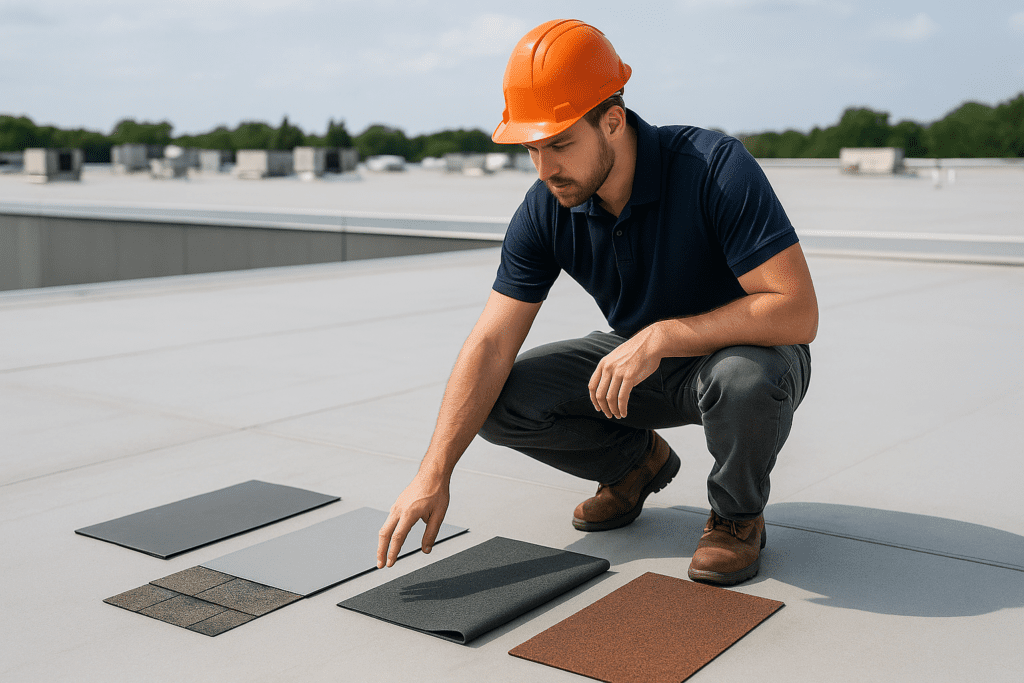
Roofing Material Lifespan: Which Lasts Longer?
When it comes to commercial roofing, understanding the **roofing material lifespan for commercial roofs** is crucial for business owners in the San Gabriel Valley. Choosing the right material can significantly impact maintenance costs and long-term performance. In this comprehensive guide, you’ll discover how different materials compare in terms of longevity and what factors can influence their durability.

Key Takeaways
- **Roofing material lifespan for commercial roofs** varies depending on the type of material, with some lasting up to 50 years.
- Proper maintenance and climate considerations, such as the Southern California sun, play a significant role in the lifespan of a roof.
- Investing in durable materials can lead to long-term savings on repairs and replacements.
- Understanding the cost versus longevity trade-off is essential for selecting the right roofing material.
- Explore options like TPO, EPDM, and metal roofing for their unique benefits and lifespans.
Understanding Roofing Material Lifespan
Factors Affecting Roofing Material Lifespan
Several factors influence the **roofing material lifespan for commercial roofs**. The first consideration is the material itself. Options such as metal, TPO, and EPDM have varying longevity, with metal often outlasting other choices. For instance, metal roofs can last 40-70 years, whereas TPO and EPDM typically offer 15-25 years of service.
Climate is another critical factor. In Southern California, the intense sun can cause materials like asphalt to degrade faster. Regular maintenance can mitigate this effect, prolonging the life of your roof. Ensuring that you **choose materials suited for the climate** is imperative to maximize lifespan.
Regular inspections and repairs also play a vital role. Scheduling routine checks can help you identify potential issues early, preventing costly damage. Roof leak repair is one such service that can preserve your roof’s integrity.
Comparison of Popular Roofing Materials
When choosing a roofing material, understanding the **cost comparison of commercial roofing materials** is essential. The table below outlines the typical lifespan, cost, and maintenance requirements for common materials:
| Material | Lifespan (Years) | Maintenance Needs |
|---|---|---|
| Metal | 40-70 | Low |
| TPO | 15-25 | Moderate |
| EPDM | 15-25 | Moderate |
| Asphalt Shingles | 15-30 | High |
| Built-Up Roofing | 20-30 | High |
As you can see, **metal roofing materials** offer an impressive lifespan, making them a popular choice for commercial properties. Learn more about the benefits of metal roofing to determine if it’s right for your business.
Practical Tips for Extending Roof Lifespan
Extending the **roofing material lifespan for commercial roofs** involves proactive measures. Here are some practical tips:
- Schedule regular professional inspections to catch issues early.
- Ensure proper drainage and ventilation to prevent water damage and mold growth.
- Consider reflective coatings to deflect sunlight and reduce thermal shock.
- Invest in high-quality materials suited for your specific climate.
By following these tips, you can enhance the durability of your commercial roof, ensuring it protects your assets for years to come.
Comparing Longevity of Roofing Materials
Metal Roofing
**Metal roofing** stands out for its impressive longevity and durability. In commercial settings, it can last between 40 and 70 years, thanks to its resistance to harsh weather conditions and fire. Metal roofs are also highly energy-efficient, reflecting solar heat to reduce cooling costs. This makes them an excellent choice for businesses looking to minimize energy expenses.
Moreover, metal roofing requires minimal maintenance, which further enhances its appeal. Regular checks are recommended, but the need for extensive repairs is rare. To explore more about the best metal roofing materials available, consider your specific business needs and local climate conditions.
TPO Roofing
Thermoplastic Polyolefin (TPO) is a popular choice for flat roofs due to its cost-effectiveness and energy efficiency. TPO roofs typically last 15-25 years, with proper maintenance. They are known for their reflective properties, which help reduce cooling costs in warmer climates like Southern California.
While TPO roofing offers a good balance of performance and affordability, it does require regular inspections to ensure seams and edges remain intact. For a deeper dive into flat roofing options, consider how TPO might fit into your business’s roofing strategy.
EPDM Roofing
Ethylene Propylene Diene Monomer (EPDM) is another common material for commercial roofs, known for its durability and ability to withstand extreme temperatures. EPDM roofs generally last 15-25 years, similar to TPO, but offer superior resistance to UV rays and ozone, which is crucial in sun-drenched areas.
Regular maintenance is essential to prevent issues related to water pooling and punctures. Discover more about durability of commercial roofing options to ensure you select the best material for your property.
Frequently Asked Questions
What is the longest-lasting roofing material for commercial buildings?
Metal roofing is generally considered the longest-lasting material for commercial buildings, with a lifespan of 40-70 years. Its durability and resistance to weathering make it a top choice for longevity.
How does the Southern California climate affect roofing material lifespan?
The Southern California climate, characterized by intense sun and minimal rainfall, can accelerate the degradation of certain roofing materials, like asphalt. Choosing materials with UV resistance and implementing regular maintenance can mitigate these effects.
Is it worth investing in more expensive roofing materials?
Investing in higher-quality materials often results in long-term savings. Durable materials like metal or TPO, while initially more expensive, reduce the need for frequent repairs and replacements, offering better value over time.
Can maintenance extend the lifespan of a commercial roof?
Yes, regular maintenance is crucial in extending the lifespan of a commercial roof. Routine inspections and timely repairs can prevent minor issues from escalating into major problems, thereby prolonging the roof’s durability.
Conclusion
Understanding the **roofing material lifespan for commercial roofs** is essential for making informed decisions that can save your business money and ensure long-term protection. Whether you choose metal, TPO, or EPDM, consider factors like climate, maintenance needs, and budget. By investing in the right materials and regular upkeep, you can maximize the longevity and performance of your commercial roof, safeguarding your investment for years to come. For more insights, explore the comprehensive commercial roofing guide to help make the best choice for your property.
