Commercial Roofing Cost Estimates Explained
When considering the installation or replacement of a commercial roof, understanding the **commercial roofing cost estimate** is crucial for effective budgeting. With various materials, labor costs, and environmental factors influencing the final price, this guide will help you navigate through the complexities of estimating costs for your commercial roofing project. For a more personalized estimate, you can explore Roof Titan’s commercial roofing services.
Key Takeaways
- Commercial roofing costs can vary significantly based on materials, labor, and location.
- Understanding different roofing types helps in choosing the most cost-effective option for your business.
- Regular maintenance and energy-efficient options can reduce long-term costs.
- Contacting professionals for a detailed **commercial roofing cost estimate** is essential for accurate budgeting.
- Explore various roofing types and their benefits to find the best fit for your commercial property.
Factors Influencing Commercial Roofing Costs
Materials and Their Costs
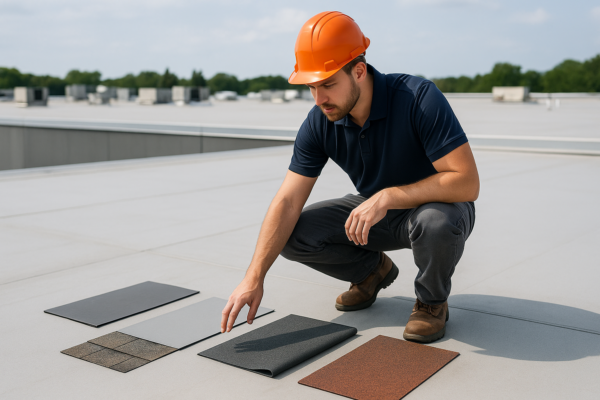
The choice of roofing material is one of the most significant factors affecting your **commercial roofing cost estimate**. Each material offers different benefits and price points, influencing both the initial expense and long-term maintenance costs. For instance, **metal roofing** is known for its durability and energy efficiency, making it a popular choice despite a higher upfront cost. Learn more about the durability of metal roofing and how it can benefit your business.
Here is a comparison of common roofing materials and their estimated costs per square foot:
| Material | Cost per Square Foot | Expected Lifespan |
|---|---|---|
| Asphalt Shingles | $3.50 – $7.00 | 15-30 years |
| Metal Roofing | $7.00 – $12.00 | 40-70 years |
| Single-Ply Membrane | $3.00 – $5.00 | 25-30 years |
| Built-Up Roofing | $5.50 – $9.00 | 15-30 years |
| Green Roofs | $10.00 – $25.00 | 30-50 years |
Labor and Installation
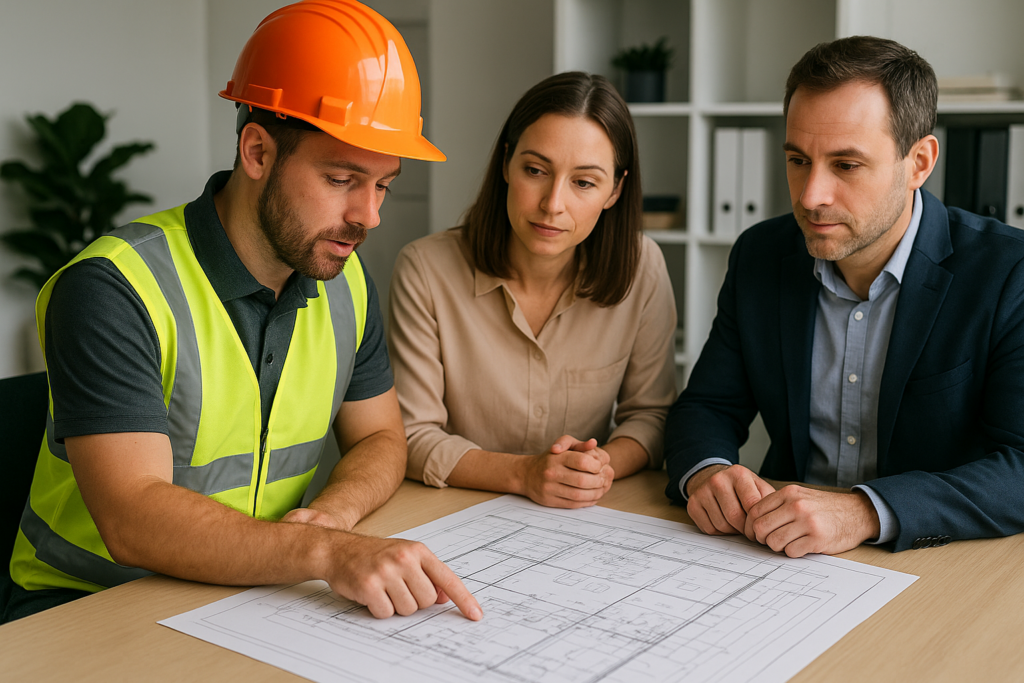
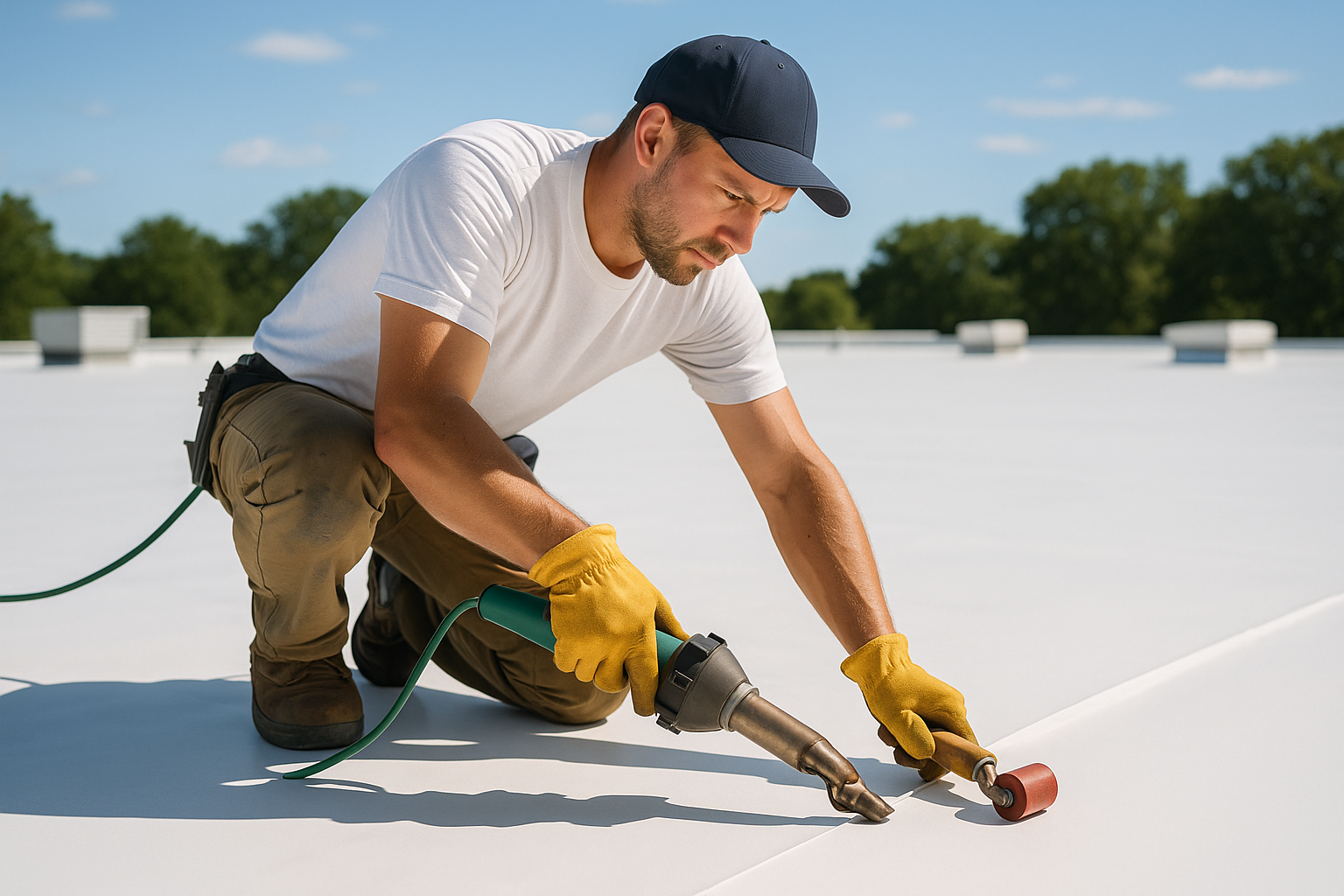
Labor costs can significantly impact your **commercial roofing cost estimate**. Factors such as roof accessibility, height, and project complexity can increase labor expenses. Hiring experienced and reputable contractors ensures quality workmanship, which can save costs in the long term by reducing the need for frequent repairs. Explore how local roofing experts can provide reliable installation services for your business.
Additionally, the type of roofing system being installed also affects labor costs. For example, green roofs require more expertise and time to install compared to traditional asphalt shingles, leading to higher labor costs.
Location and Environmental Considerations
The location of your property plays a crucial role in determining the **commercial roofing cost estimate**. In Southern California, where the climate includes significant sun exposure and occasional heavy rains, certain materials like cool roofing systems can be especially beneficial. These systems help reduce heat absorption, potentially lowering your building’s energy costs. Learn more about cool roofing technologies and their benefits for commercial buildings.
Additionally, local permits and regulations may add to the overall cost. It’s essential to factor in any regional specifics that might affect installation, such as wind uplift requirements near coastal areas.
Choosing the Right Roofing System
Types of Commercial Roofing
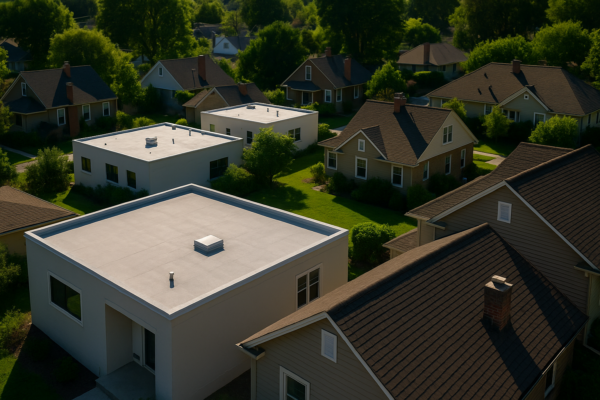
Understanding the various types of commercial roofing systems available can help you make an informed decision that suits your budget and business needs. Common options include single-ply membranes, built-up roofing (BUR), and metal roofs. Each comes with its own set of advantages and price considerations. For example, single-ply membranes are cost-effective and offer good insulation, while BUR systems provide excellent durability and protection from the elements.
For a comprehensive guide on different roofing types, you might find it helpful to explore different commercial roofing systems and their specific benefits.
Sustainable and Energy-Efficient Options
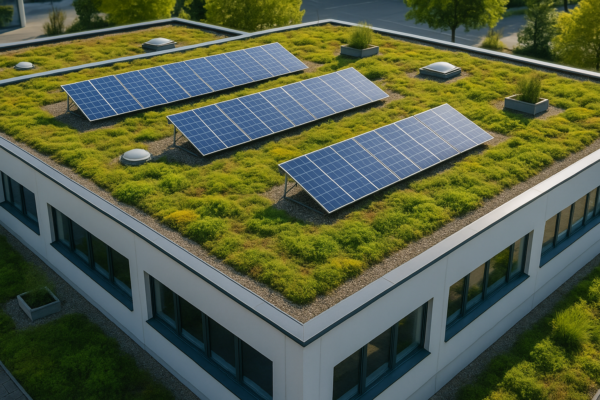
Incorporating sustainable and energy-efficient materials can be a smart investment for your commercial property. These options not only contribute to environmental conservation but can also significantly lower your utility bills over time. Options like green roofs and solar panels are gaining popularity due to their long-term savings potential. Additionally, investing in energy-efficient roofing can make you eligible for tax credits, providing further financial benefits.
For more insights on how to maximize energy savings, consider reading about energy-efficient commercial roofing options.
Long-Term Maintenance and Costs
Regular maintenance is essential to prolong the lifespan of your commercial roof and prevent costly repairs. Scheduling periodic inspections and addressing minor issues promptly can save significant amounts of money in the long run. For instance, cleaning gutters and checking for leaks can prevent water damage that might necessitate expensive repairs.
Discover essential tips for preventive maintenance that can help maintain your roof’s integrity and performance.
Frequently Asked Questions
What is the average cost of a commercial roof installation?
The average cost of a **commercial roofing cost estimate** typically ranges from $5.00 to $12.00 per square foot, depending on the materials and complexity of the installation. For a precise quote, it is best to consult with a professional roofing company.
How can I reduce the cost of my commercial roofing project?
To reduce your **commercial roofing cost estimate**, consider opting for energy-efficient materials that qualify for tax credits, choose durable materials to minimize repairs, and ensure regular maintenance to extend the roof’s lifespan. Additionally, obtaining multiple quotes from reputable contractors can help secure competitive pricing.
Are there financing options available for commercial roofing?
Yes, many roofing companies offer financing options to help manage the cost of large projects. It’s advisable to discuss financing solutions with your contractor to find a plan that suits your budget.
How often should I schedule maintenance for my commercial roof?
Regular maintenance should be scheduled at least twice a year, ideally in spring and fall. This helps identify and address potential issues before they escalate, ensuring the longevity and performance of your roof.
Conclusion
Understanding the various components of a **commercial roofing cost estimate** is essential for budget planning and making informed decisions. From selecting the right materials to considering long-term maintenance and energy efficiency, each factor plays a crucial role in determining overall costs. For personalized advice and detailed estimates, consider reaching out for a free consultation with a professional roofing company like Roof Titan. By staying informed and proactive, you can ensure that your commercial roofing project is both cost-effective and long-lasting.