DIY Roof Maintenance Tips for Your Business
Taking proactive steps in maintaining your commercial roof is essential to extending its lifespan and avoiding costly repairs. By following comprehensive DIY roof maintenance advice for businesses, you can ensure your roof remains in top condition, safeguarding your property and operations. This guide provides you with practical tips to effectively manage your roof maintenance tasks.
Key Takeaways
- Regular inspections can prevent minor issues from becoming major problems.
- Seasonal maintenance is crucial for adapting to Southern California’s climate.
- Proper cleaning and debris removal enhance the roof’s performance and longevity.
- Understanding different roofing materials helps tailor maintenance strategies.
- Utilizing professional services for complex repairs ensures quality and safety.
Regular Inspection and Maintenance
Understanding the Importance of Routine Inspections
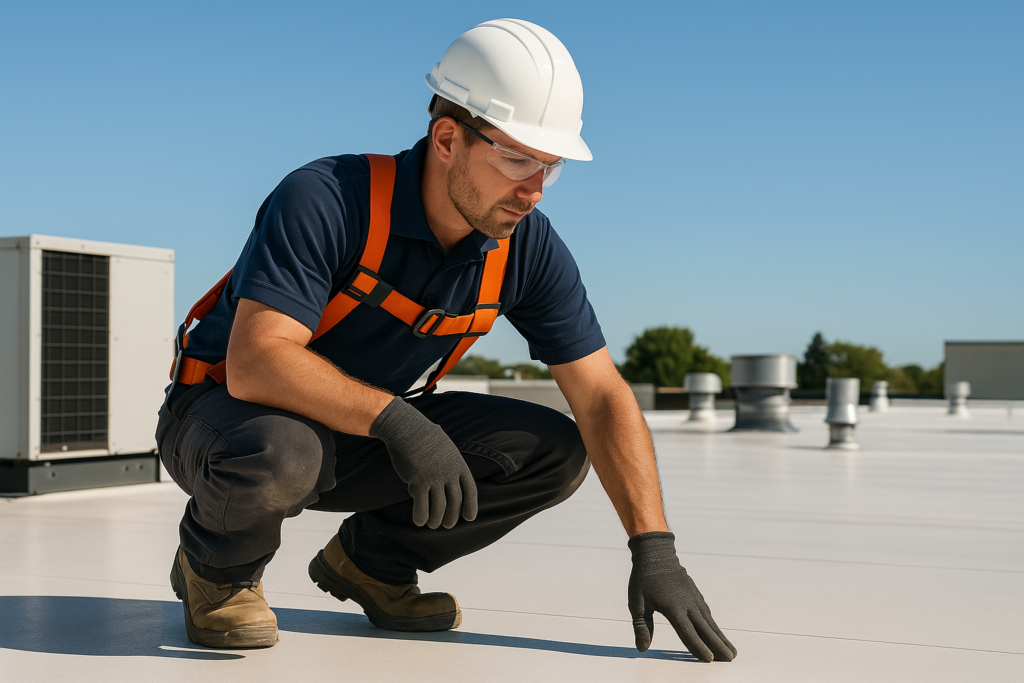
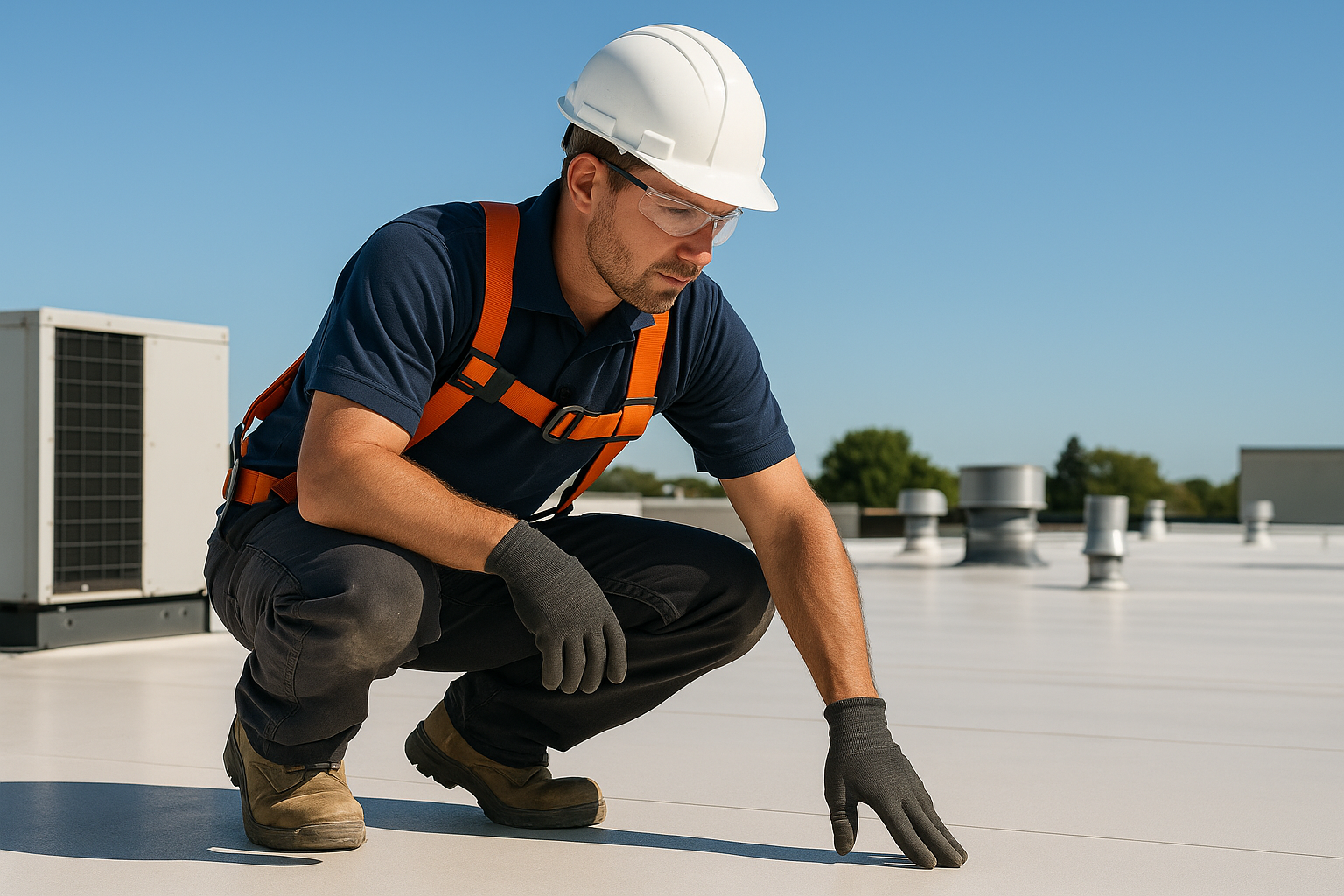
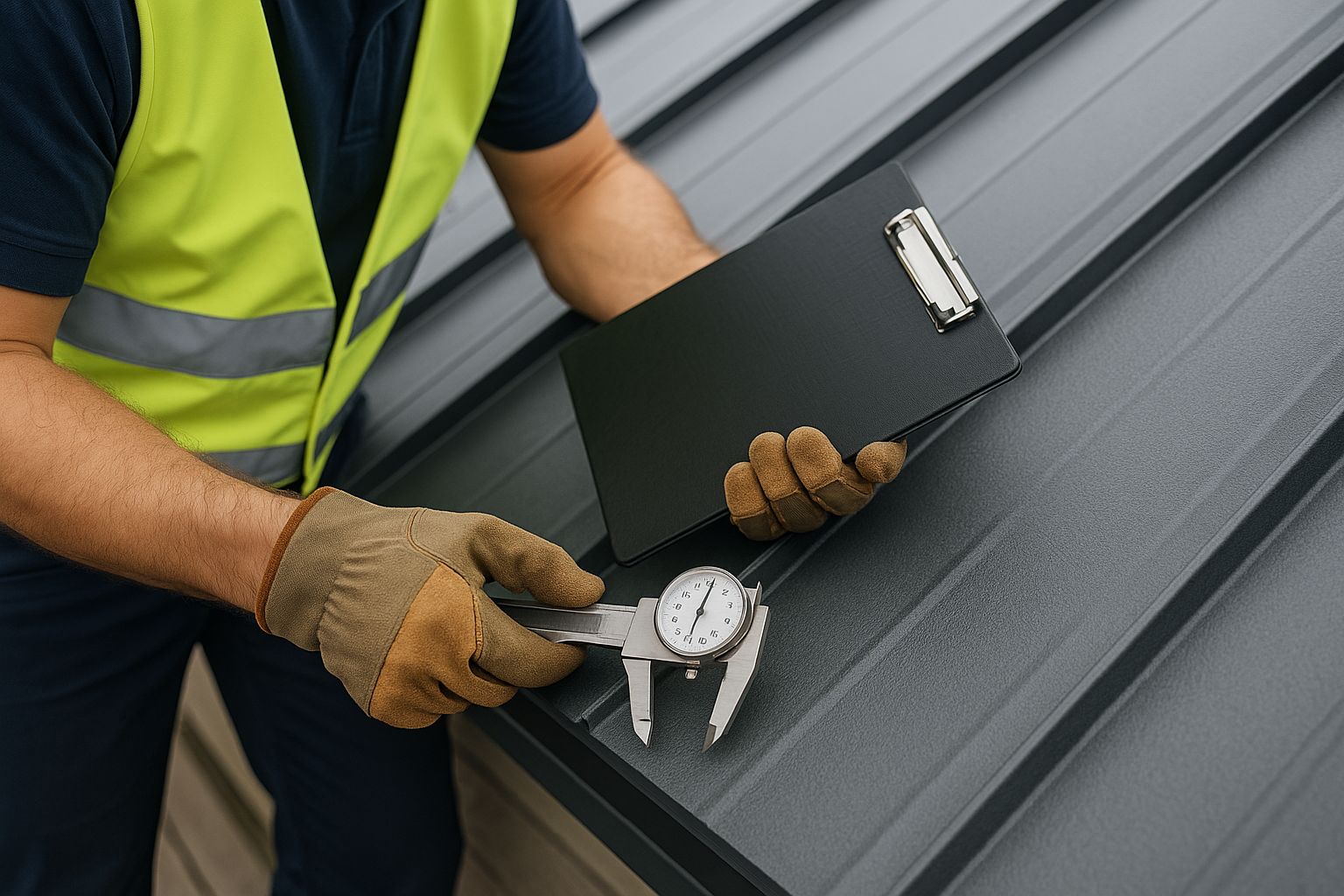
Routine inspections form the backbone of effective DIY roof maintenance advice for businesses. By scheduling regular checks, you can identify and address potential issues before they escalate, saving time and money. Inspections should occur at least twice a year, ideally during spring and fall, to prepare for weather changes.
During inspections, focus on identifying common issues such as leaks, damaged shingles, or clogged gutters. These problems, if left unchecked, can lead to significant damage. For more detailed guidance, explore our commercial roofing maintenance page for expert tips.
Enlisting a professional for an annual inspection can complement your efforts. Professionals have the tools and expertise to detect subtle signs of wear that you might miss. For more on this, see our roof inspection tips for businesses.
Utilizing a Seasonal Maintenance Checklist
Adapting your maintenance routine to the seasons is crucial in Southern California, where weather can vary significantly. A well-maintained roof can withstand both the summer heat and winter rains. Our seasonal roof maintenance checklist provides a structured approach to managing these changes.
Key seasonal tasks include checking for water pooling during the rainy season and inspecting for UV damage after summer. These proactive measures help mitigate damage and enhance the roof’s resilience.
Incorporate season-specific tasks into your routine to prevent small issues from turning into significant problems. For instance, during fall, ensure gutters and downspouts are clear of leaves and debris to prevent water damage.
Comparing DIY and Professional Maintenance
Deciding between handling maintenance tasks yourself and hiring professionals involves weighing cost against expertise. DIY maintenance can be cost-effective for minor tasks but may not be suitable for complex issues. Here’s a comparison:
| Aspect | DIY Maintenance | Professional Maintenance |
|---|---|---|
| Cost | Low – $0 to $200 for tools and materials | Higher – $200 to $500 per inspection |
| Expertise | Basic knowledge required | Advanced, including structural integrity checks |
| Time Commitment | Varies, typically 3-5 hours per session | 1-3 hours, depending on roof size |
While DIY approaches can handle simple tasks like cleaning gutters and minor repairs, professional services ensure thorough inspections and repairs that comply with industry standards.
Cleaning and Debris Management
Importance of Regular Cleaning
Maintaining a clean roof is a critical component of DIY roof maintenance advice for businesses. Debris accumulation can lead to water pooling, which promotes leaks and structural damage. Regular cleaning helps maintain the roof’s drainage capabilities, preventing costly repairs.
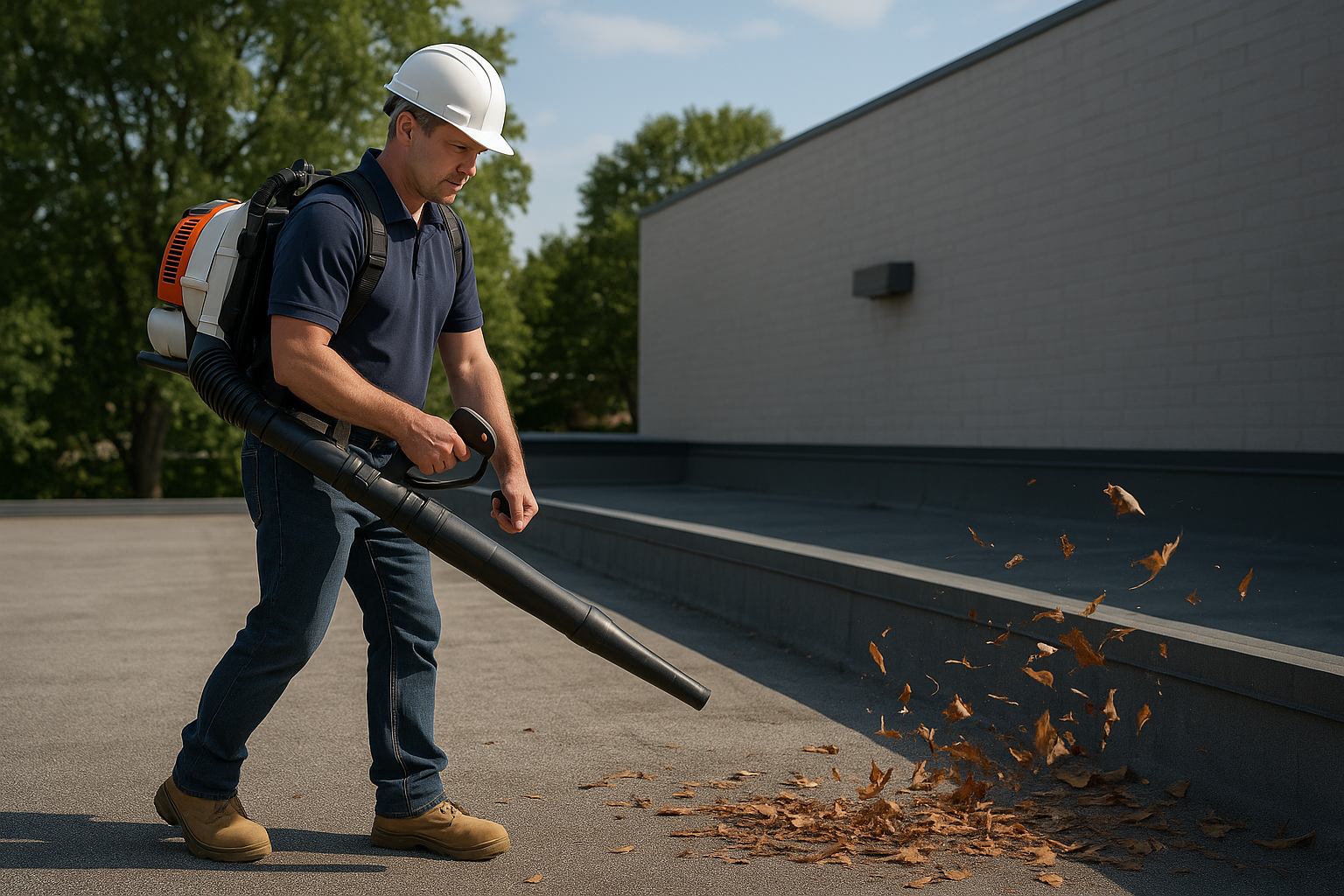
Ensure that debris such as leaves, branches, and dirt are removed from your roof regularly. This is especially important in the fall when leaves can clog gutters and downspouts. For effective strategies, consider our essential maintenance tips.
Implementing a regular cleaning schedule can significantly extend the lifespan of your roofing materials. This process not only prevents damage but also enhances the aesthetic appeal of your building.
Practical Tips for Effective Debris Management
- Inspect the roof for debris after storms or high winds.
- Use a soft broom or blower to remove loose materials.
- Check and clean gutters and downspouts to ensure proper drainage.
- Trim overhanging branches that may deposit debris on the roof.
- Hire professionals for thorough cleaning if debris accumulation is significant.
These practical steps can be integrated into your maintenance routine to maintain a clean and efficient roofing system. Regular debris management prevents water damage and enhances the roof’s longevity.
Dealing with Stubborn Stains and Mold
Mold and algae growth can occur in damp, shaded areas of the roof, particularly in humid climates. These growths not only discolor the roof but can also compromise its integrity. Use safe cleaning solutions or professional services to remove stubborn stains.
Mixing equal parts of water and bleach can effectively remove mold and algae. Apply the solution carefully and rinse thoroughly to avoid damage to the roofing material. For persistent issues, professional cleaning is recommended.
Consistent cleaning and monitoring can mitigate mold growth, preserving the roof’s appearance and functionality. For more insights, refer to our guide on managing roof leaks and damage.
Repairs and Maintenance Strategies
Identifying and Repairing Minor Damages
Identifying minor damages early is a cornerstone of DIY roof maintenance advice for businesses. Small issues like cracked shingles or minor leaks should be addressed promptly to prevent escalation. Regular inspections help spot these issues before they compromise the roof’s structure.
Minor repairs such as sealing small leaks or replacing damaged shingles can often be handled with basic tools. Ensure you use high-quality sealants and materials to match your existing roof. For comprehensive repair strategies, explore our commercial roof maintenance tips.
If damages are more extensive or involve structural elements, professional repair services are recommended. These services provide advanced solutions and ensure that repairs comply with safety standards.
Preventive Maintenance Practices
Preventive maintenance is key to avoiding expensive repairs and extending the life of your roof. Implementing a proactive maintenance plan reduces the risk of unexpected failures and enhances the roof’s performance.
Key practices include ensuring proper ventilation, inspecting insulation, and regularly checking for signs of wear and tear. By addressing these areas, you can prevent heat buildup and moisture accumulation, both of which are detrimental to roofing materials.
For a detailed understanding of preventive strategies, consult our article on essential preventive maintenance tips. This resource offers a comprehensive approach to maintaining your roofing system effectively.
Utilizing Professional Services for Complex Repairs
While DIY roof maintenance advice for businesses can cover many aspects, complex repairs often require professional expertise. Hiring a professional roofing service ensures that repairs are done correctly and safely, reducing the risk of further damage.
Professionals provide a thorough evaluation of your roof and offer solutions that address underlying issues. Their expertise in handling advanced materials and technology guarantees that repairs enhance the roof’s durability and performance.
Investing in professional services for complex issues can ultimately save money by preventing recurrent problems and extending the roof’s lifespan. For more information on choosing the right service, visit our guide on top commercial roof maintenance services.
Frequently Asked Questions
How often should I inspect my commercial roof?
It’s advisable to inspect your commercial roof at least twice a year, preferably during spring and fall. Additionally, inspections should be conducted after major weather events to assess any potential damage.
What are the common signs of roof damage?
Common signs of roof damage include missing or cracked shingles, water stains on ceilings, leaks, and visible wear around roof penetrations such as vents. Regular inspections can help identify these issues early.
Can I perform all roof maintenance tasks myself?
While many maintenance tasks can be performed yourself, such as cleaning and minor repairs, more complex issues like large leaks or structural damage should be handled by professionals to ensure safety and compliance with building codes.
What is the cost of professional roof maintenance?
The cost of professional roof maintenance varies based on the scope of work and roof size. Generally, routine inspections and minor repairs can range from $200 to $500 per visit. For more extensive services, costs can be higher.
Conclusion
Implementing effective DIY roof maintenance advice for businesses is crucial for ensuring the longevity and effectiveness of your commercial roofing system. By conducting regular inspections, performing seasonal maintenance, and utilizing professional services for complex repairs, you can protect your investment and avoid costly damages. Remember, a well-maintained roof not only enhances the building’s aesthetic but also provides a safe environment for your business operations.