Your Guide to Roof Leak Repairs: Step-by-Step Process and Timeline Explained
When you discover a roof leak, understanding what should be expected during the repair process and its timeline is crucial. As a homeowner in the San Gabriel Valley, ensuring your roof is leak-free is essential for protecting your property. In this guide, we’ll explore the step-by-step process and timeline for roof leak repairs to help you make informed decisions. If you’re looking for expert services, learn more about Roof Leak Repair Services from Roof Titan, your local roofing specialists.
Key Takeaways
- The roof leak repair process begins with a thorough inspection, followed by damage assessment and repair planning.
- Typical repair timelines can vary based on the extent of damage, but most repairs are completed within 1-3 days.
- Understanding the cost factors can help you budget effectively for your roof leak repair.
- Choosing a qualified roof repair specialist is essential for ensuring long-lasting results.
- Proactive measures and regular maintenance can prevent future leaks and extend the life of your roof.
Understanding the Roof Leak Repair Process
Initial Inspection and Damage Assessment
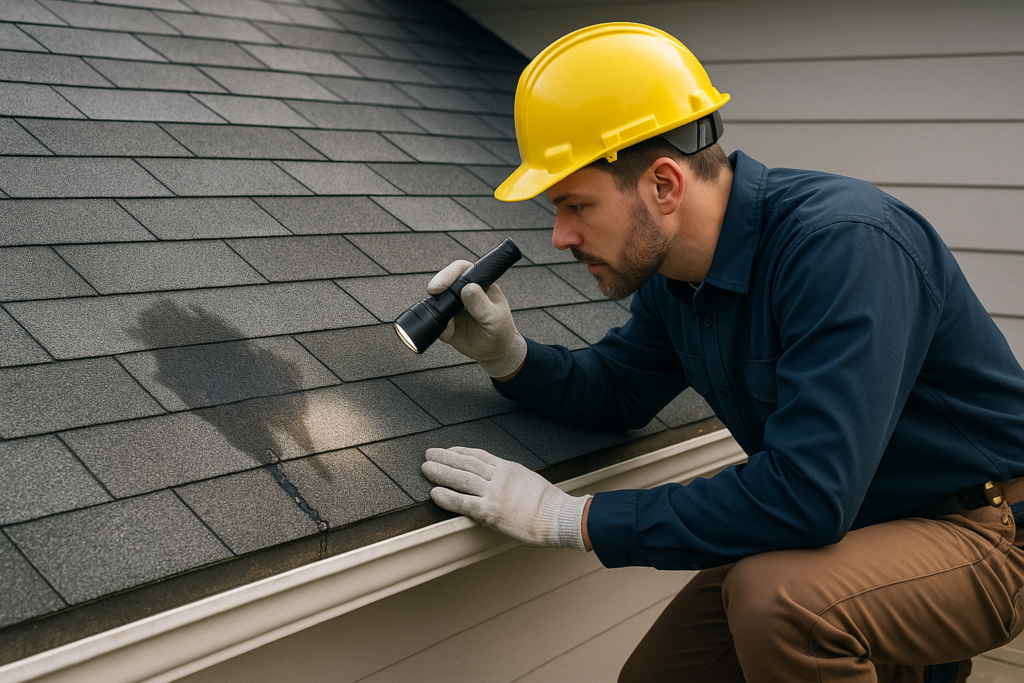
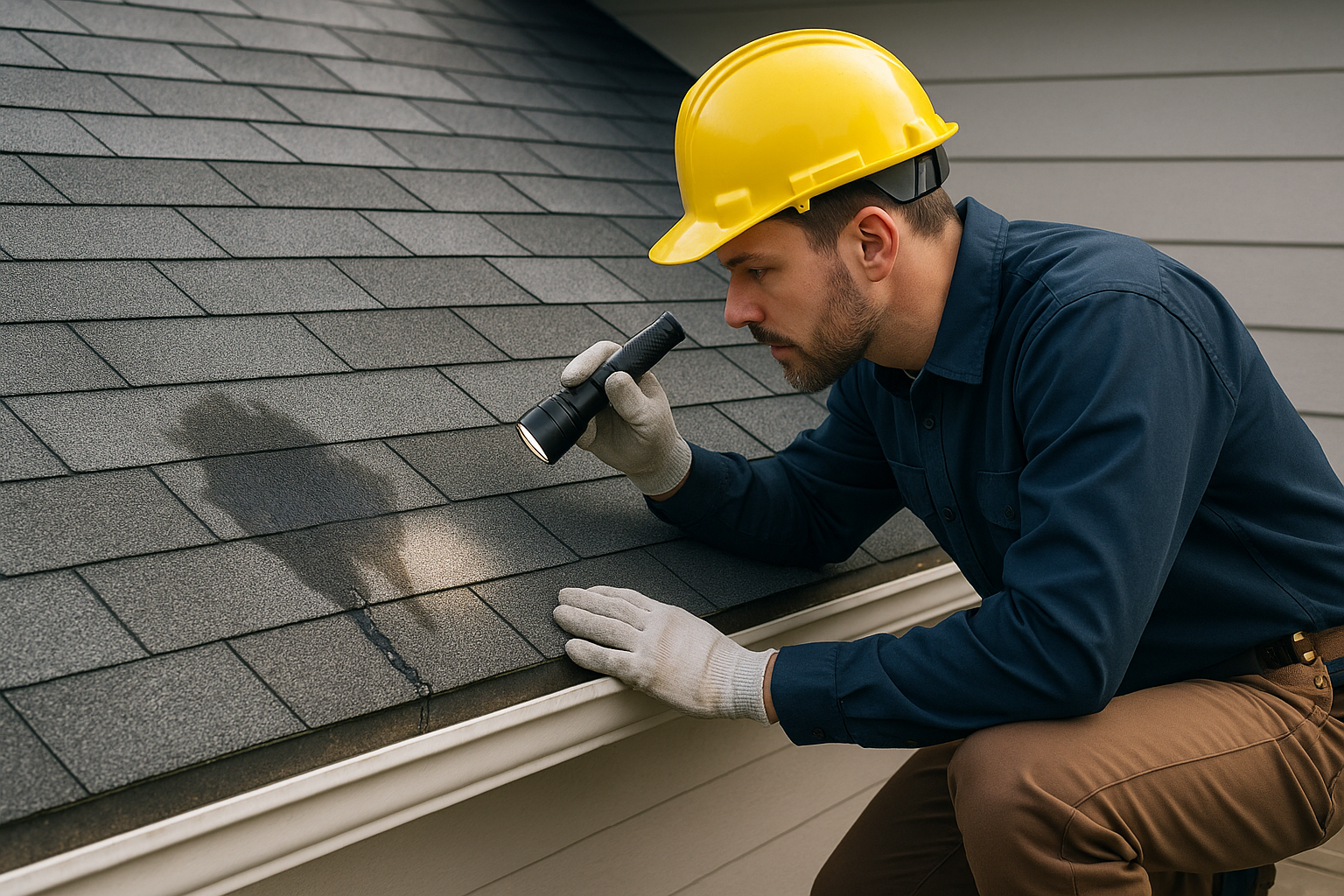
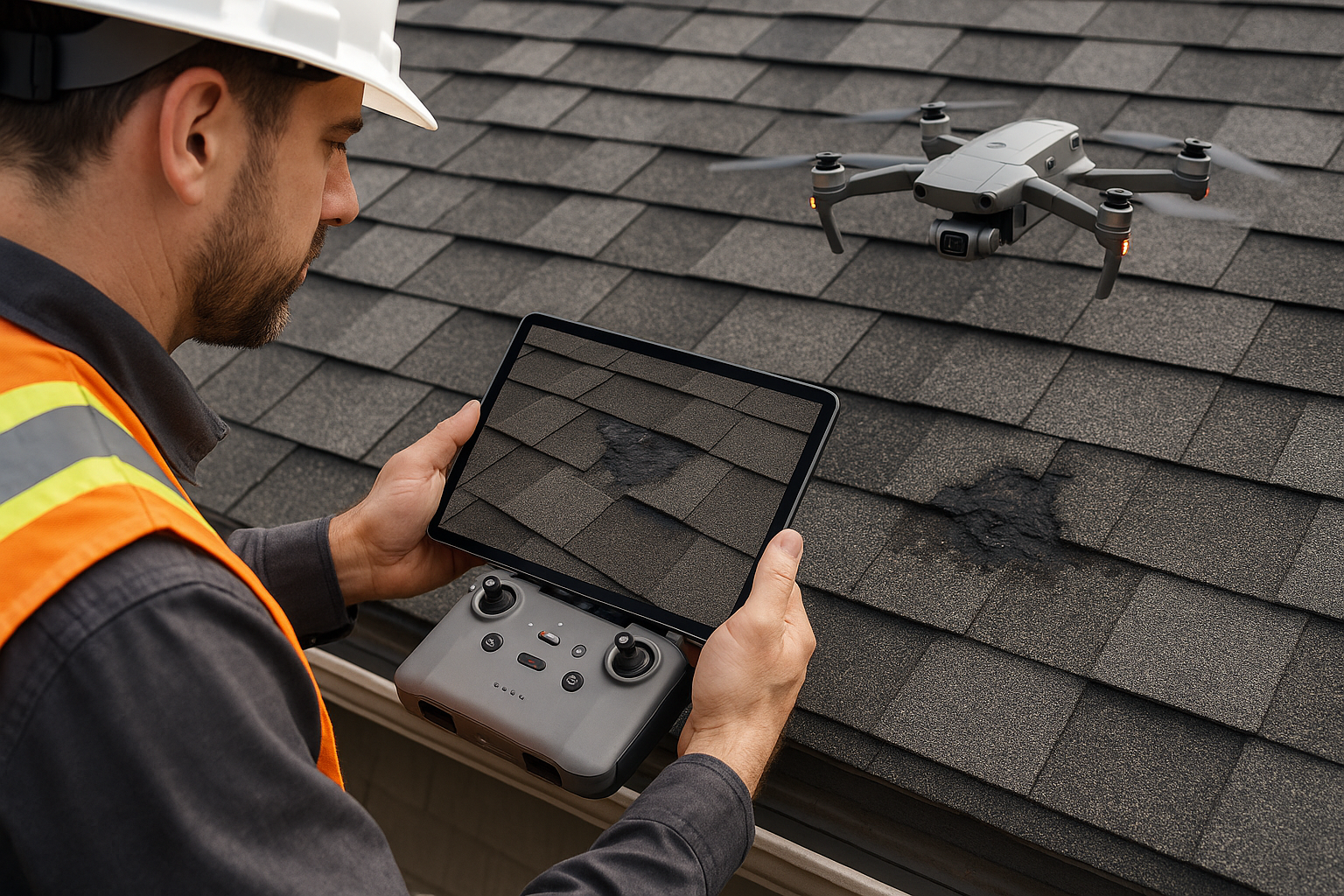
The first step in the **roof leak repair process** is a comprehensive inspection. A professional roofer will examine your roof to identify the source of the leak and assess the extent of the damage. This step is crucial as it determines the scope of the repair work needed. In Southern California, where weather conditions can be unpredictable, timely inspections are vital to prevent further damage.
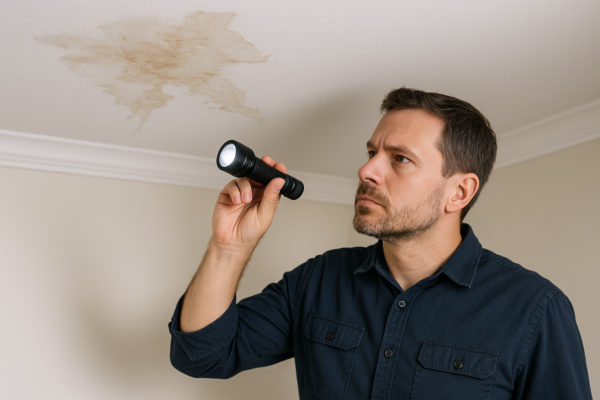
During the inspection, the roofer will look for signs of water damage, such as stains on ceilings or walls, mold growth, or visible roof damage like missing or curled shingles. If you suspect a leak, learn what to do immediately by visiting our guide on immediate actions to take when you discover a roof leak.
Once the damage is assessed, the roofer will provide a detailed report outlining the necessary repairs and an estimated timeline. This initial phase typically takes a few hours to a day.
Repair Planning and Material Selection
After the inspection, the next step is planning the repairs and selecting the right materials. The choice of materials can affect both the cost and the longevity of the repair. Common materials used in **roof leak repairs** include asphalt shingles, metal panels, and sealants.
For homeowners considering different material options, it’s important to compare their benefits and costs. For instance, while asphalt shingles are cost-effective, metal roofing offers greater durability and energy efficiency. To explore more about roofing materials, visit our article on the benefits of metal roofing.
The repair planning phase also involves scheduling the repair work, considering factors like weather conditions and resource availability. This phase can take 1-2 days, depending on the complexity of the repair.
Execution of Repairs
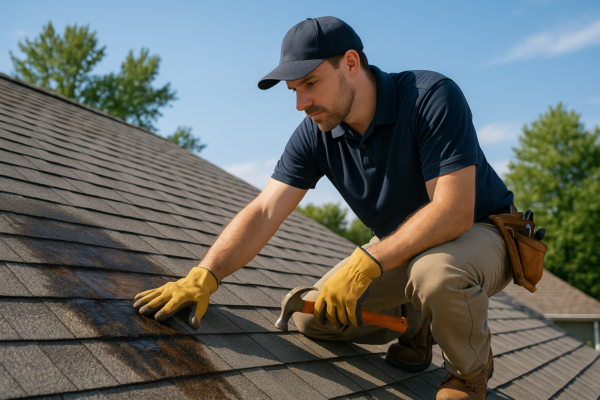
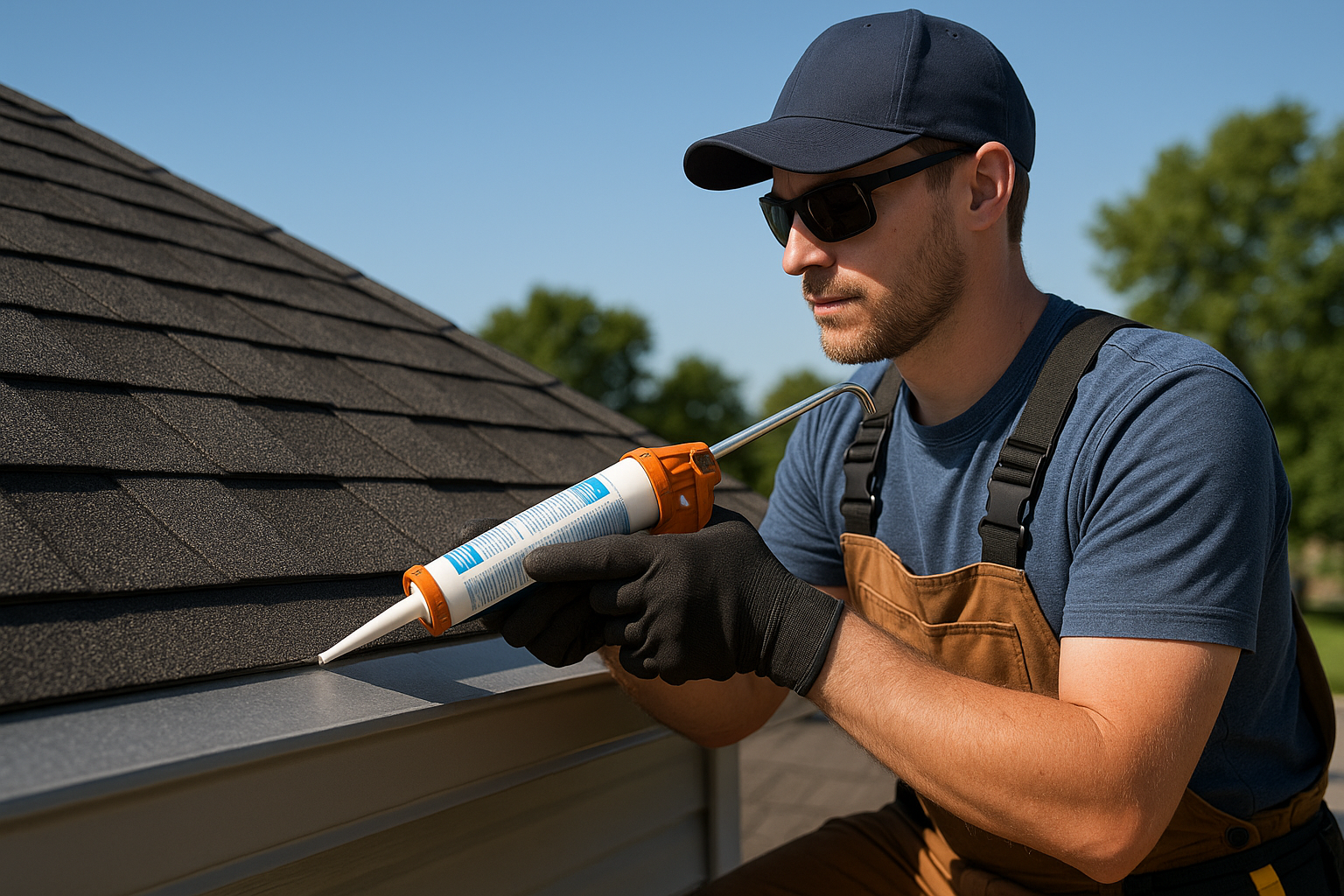
With a plan in place, the actual repair work begins. This involves removing damaged materials, repairing structural components, and installing new materials. The timeline for this phase varies based on the severity of the leak and the type of roof.
Typically, minor repairs, such as replacing a few shingles, can be completed in just a day. More extensive repairs, like fixing underlying structural issues, might take several days. For businesses, understanding what to expect during a commercial roofing project can help prepare for potential disruptions. Learn more about commercial roofing project disruptions.
Throughout the repair process, communication with your roofing contractor is key. Regular updates ensure that you are informed about the progress and any unforeseen challenges that might arise.
Factors Impacting Roof Leak Repair Timeline
Extent of the Damage
The extent of the **roof leak damage** is one of the most significant factors influencing the repair timeline. Minor leaks caused by a few missing shingles can be repaired quickly, often within a day. However, more severe damage, such as extensive water infiltration or structural damage, requires a longer repair process.
In cases of widespread damage, it’s essential to address not only the visible issues but also potential hidden problems that might lead to future leaks. A qualified roof repair specialist can help pinpoint these issues. Learn more about what to expect from qualified roof repair specialists.
Understanding the scope of the damage helps set realistic expectations for the timeline and cost of the repair.
Weather Conditions
The weather plays a crucial role in the **roof leak repair timeline**. In regions like Southern California, where rain can be sporadic, it’s important to plan repairs around the forecast to avoid delays. Ideally, repairs should be scheduled during dry weather to ensure materials adhere properly and work can proceed without interruptions.
Unexpected rain can delay repairs, as wet conditions can compromise the quality of the repair work. This is why roofing contractors often check weather forecasts and plan accordingly, ensuring that your roof is repaired promptly and effectively.
Proactive planning and scheduling are essential to minimize weather-related disruptions and complete the repairs within a reasonable timeframe.
Availability of Materials and Labor
Another factor that can impact the repair timeline is the availability of materials and labor. High demand for roofing services, especially during peak seasons, can lead to delays in obtaining necessary materials or booking skilled labor.
To avoid potential delays, it’s advisable to work with a reputable roofing company that has established relationships with suppliers and a reliable team of skilled workers. This ensures that your repair project is prioritized and completed within the expected timeline.
For more insights into managing roofing project timelines, explore our article on commercial roofing services.
Cost Considerations for Roof Leak Repairs
Understanding Repair Costs
When planning for **roof leak repairs**, understanding the cost implications is vital. Repair costs can vary significantly based on factors such as the extent of the damage, the type of roof, and the materials used. On average, homeowners can expect to pay between $300 and $1,500 for roof leak repairs, with more extensive repairs costing upwards of $3,000.
It’s important to get detailed estimates from multiple contractors to compare costs and services. This ensures that you receive fair pricing and quality work. For a deeper dive into repair costs, check out our guide on budgeting for roof leak repairs.
Additionally, some roofing companies offer free estimates, providing a no-obligation assessment of your repair needs. Learn more about what to expect from free roof repair estimates.
Choosing Cost-Effective Solutions
While it might be tempting to opt for the cheapest repair option, it’s important to consider the long-term implications. Choosing cost-effective solutions that provide lasting results can save you money in the long run by preventing future leaks and extending the life of your roof.
Investing in high-quality materials and skilled labor is a wise decision. A well-executed repair not only addresses the current problem but also enhances the overall durability of your roof. To understand what to expect from affordable roof repair services, visit our article on affordable roof repair expectations.
By balancing cost and quality, you can ensure that your roof leak repair is both effective and economical.
Insurance and Warranties
Insurance and warranties can play a significant role in reducing the financial burden of **roof leak repairs**. Homeowners insurance may cover some repair costs, especially if the damage is due to a covered peril like a storm. It’s important to review your policy and work with your insurer to understand the coverage options.
Additionally, many roofing contractors offer warranties on their work, providing peace of mind that any issues arising from the repair will be addressed at no extra cost. Ensure that you get detailed information on warranty terms when choosing a contractor.
Understanding your insurance and warranty options can help mitigate costs and ensure that your repair investment is protected.
Frequently Asked Questions
How long does a typical roof leak repair take?
The timeline for a roof leak repair can vary depending on the extent of the damage, the type of roof, and weather conditions. Most minor repairs can be completed within a day, while more extensive repairs might take several days. It’s important to consult with your roofing contractor to get a more accurate timeline based on your specific situation.
Can I attempt to repair a roof leak myself?
While minor repairs might seem manageable, it’s generally not recommended to attempt roof leak repairs yourself. Professional roofers have the expertise, tools, and safety equipment needed to perform repairs effectively and safely. DIY repairs can often lead to further damage or incomplete fixes, costing more in the long run.
What should I do if I notice a leak during a storm?
If you discover a roof leak during a storm, it’s important to take immediate action to minimize damage. Use buckets or containers to catch dripping water and move valuables away from the affected area. Once the weather permits, contact a professional roofer to assess and repair the damage. For immediate steps, refer to our guide on actions to take during a roof leak.
Conclusion
Understanding **what to expect during the roof leak repair process and its timeline** is essential for homeowners facing roof issues. From initial inspections to executing repairs, each step plays a critical role in restoring the integrity of your roof. By planning effectively, choosing the right materials, and working with qualified professionals, you can ensure a successful repair that protects your home for years to come. For more detailed information and expert services, consider exploring Roof Titan’s roof leak repair services.