Understanding the Roof Leak Repair Process: What to Expect and How Long It Takes
When faced with a roof leak, understanding the **roof leak repair process** and its timeline is crucial for homeowners. Knowing **what to expect during the roof leak repair process** can help you prepare and ensure a smooth experience. This article provides a comprehensive guide to help you navigate the repair process effectively.
Key Takeaways
- The roof leak repair process typically begins with a thorough inspection to identify the source and extent of the damage.
- Repairs can vary significantly in complexity and duration, from a few hours to several days.
- Choosing a qualified roof repair specialist is essential for effective and long-lasting results.
- Costs for roof leak repairs in Southern California can range from $300 to $1,500, depending on the severity and materials used.
- Understanding the timeline and necessary steps can help reduce stress and ensure your home is protected.
Initial Steps in the Roof Leak Repair Process
Inspection and Assessment
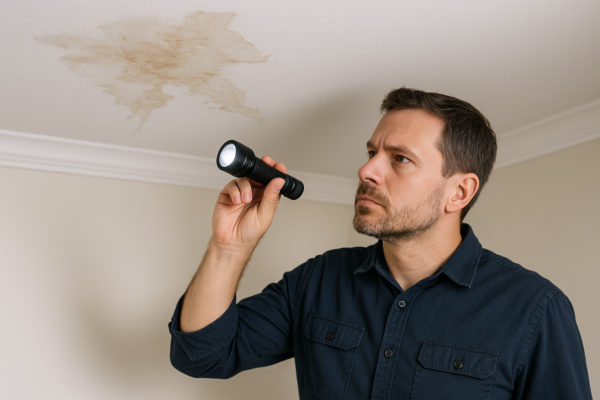
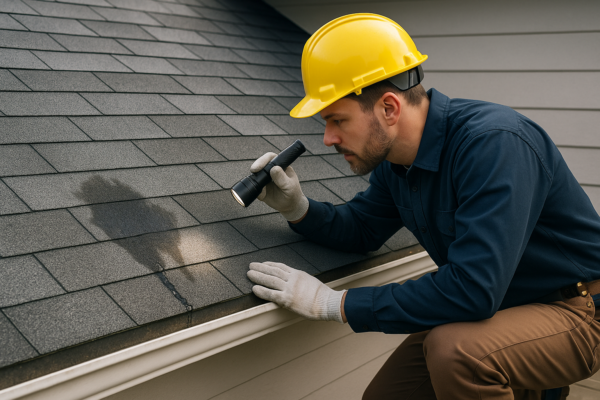
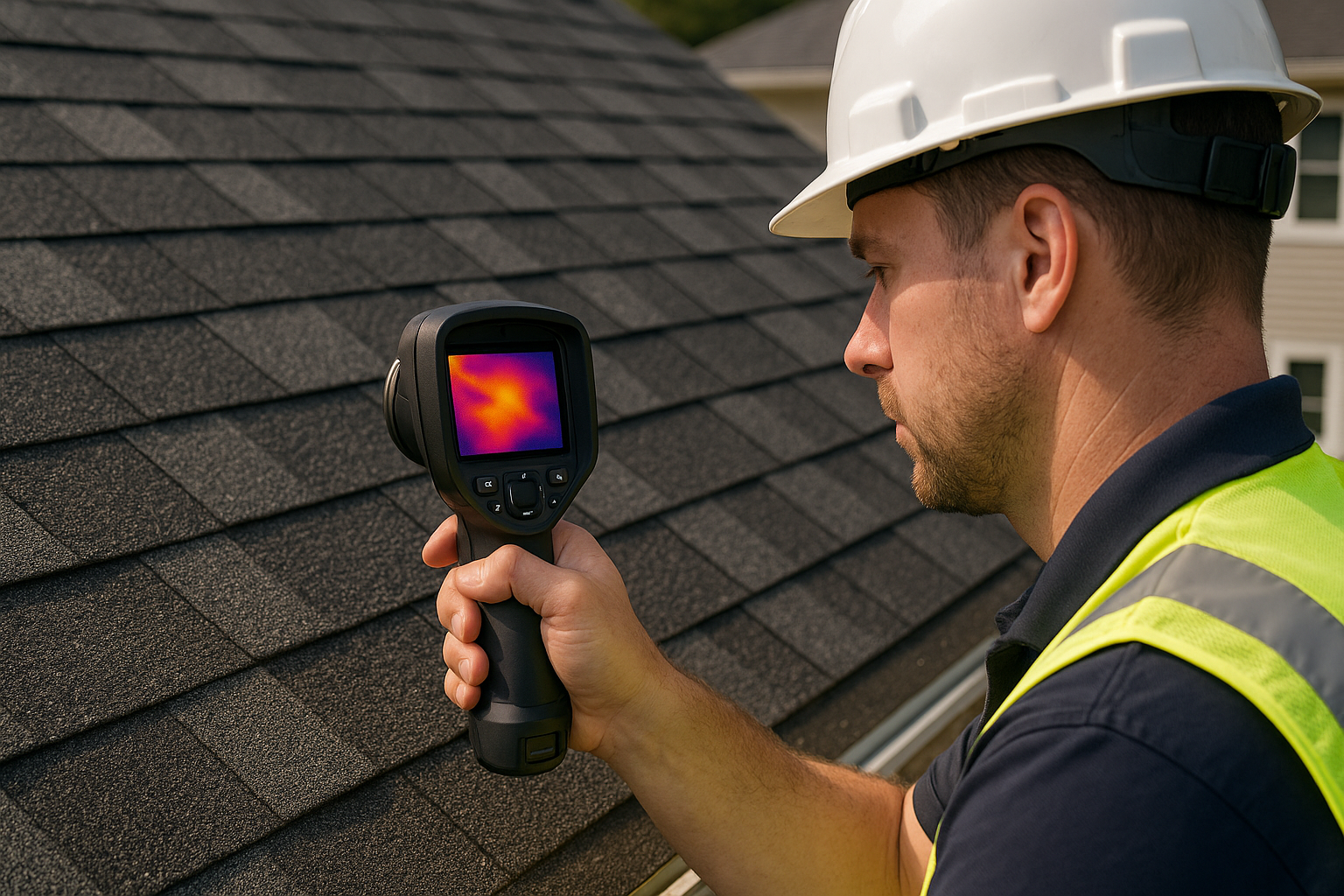
The first step when dealing with a leak is a comprehensive **inspection and assessment**. A professional roofer will evaluate the roof to determine the cause of the leak, whether it’s due to damaged shingles, flashing issues, or poor sealing around vents and chimneys. Understanding the extent of the damage is crucial in planning the repair strategy.
In Southern California, where weather conditions can fluctuate, identifying potential issues early can prevent more significant damage. The inspection process generally involves a visual assessment and may include using moisture meters or infrared technology to detect hidden water intrusion.
Once the inspection is complete, the roofer will provide a detailed report and estimate, outlining the damage and suggested repairs. This step is vital for homeowners to understand the **roof leak repair process** and to budget accordingly. Learn more about the importance of a thorough inspection from our Roof Leak Repair Services page.
Planning and Preparation
After the assessment, the next phase is planning and preparation. This involves selecting the appropriate materials and scheduling the repair work. Depending on the complexity of the issues, planning can take anywhere from a few days to a week.
Your roofer should communicate clearly about the materials needed, such as shingles, underlayment, or flashing, and any specific equipment required for the repair. This stage is critical for minimizing downtime and ensuring that the repair process is efficient.
For those concerned about costs, it’s important to have a clear understanding of what to expect financially. The cost of roof leak repairs can vary, and it’s advisable to explore options for affordable roof repair services.
Scheduling the Repair
The timeline for scheduling repairs can be influenced by several factors, including weather conditions, the roofer’s availability, and the severity of the leak. In Southern California, it’s essential to consider the weather patterns, as rain can delay repair work. However, the dry climate often allows for more flexible scheduling compared to other regions.
Most standard repairs can be scheduled within a week of the initial assessment. Urgent repairs, however, might take precedence, and it’s important to discuss timelines openly with your contractor to prioritize your home’s needs.
For commercial properties, the timeline and disruption might differ. For more information on managing expectations during larger projects, visit our commercial roofing project disruption guide.
Executing the Roof Leak Repair
Repair Techniques and Materials
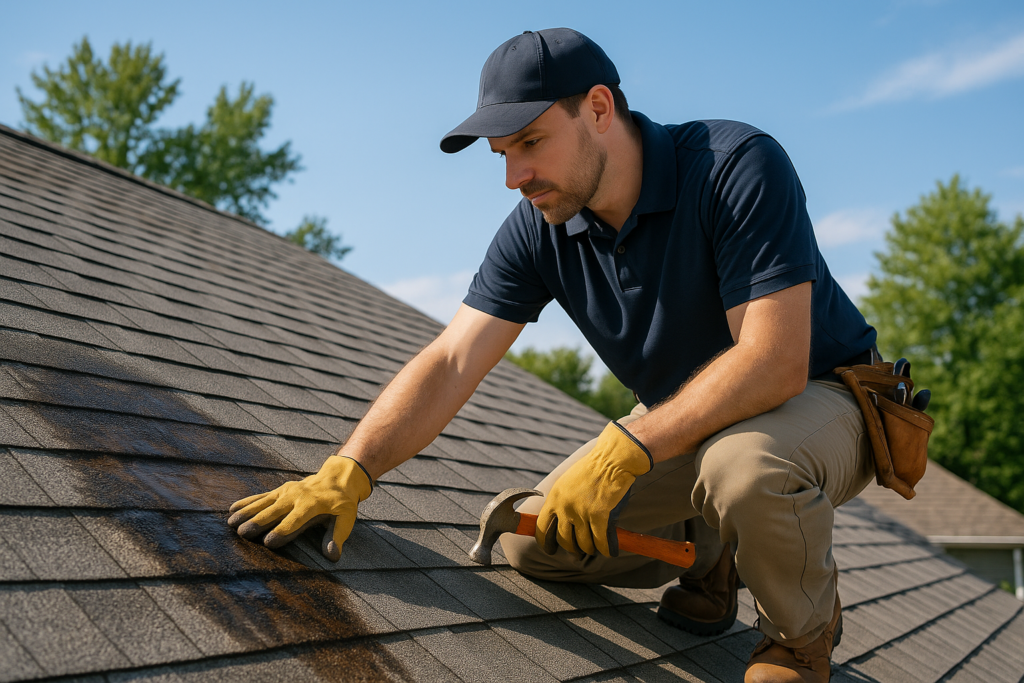
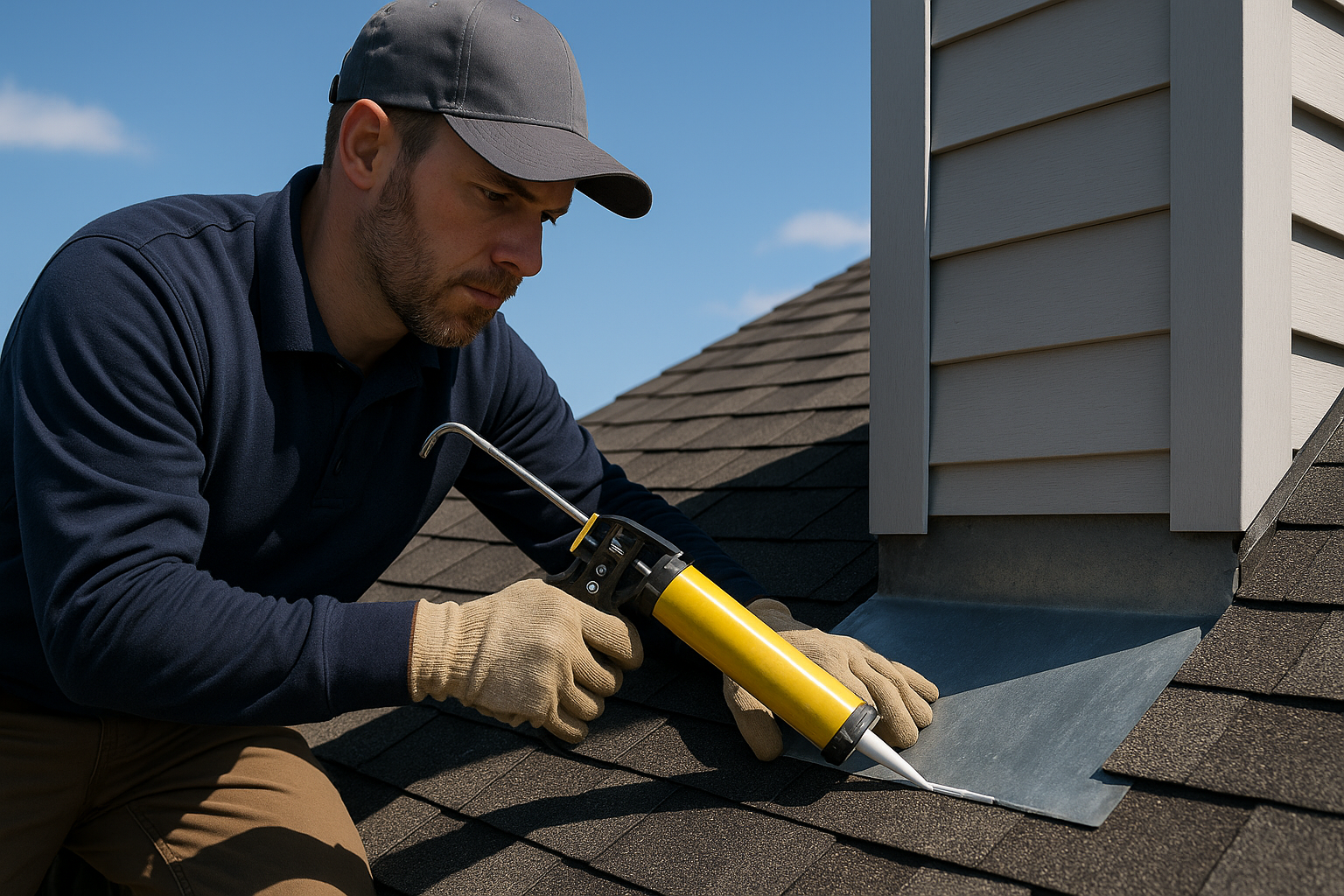
Executing the repair involves employing various techniques depending on the type of roof and the nature of the leak. Common methods include replacing damaged shingles, resealing flashings, and repairing or replacing sections of the roof deck.
Material choice plays a significant role in the **roof leak repair process**. In Southern California, materials that withstand UV exposure and heat are often preferred. Asphalt shingles, metal roofing, and TPO membranes are popular choices due to their durability and cost-effectiveness.
For business owners, selecting the right materials can impact long-term maintenance costs. Discover the benefits of metal roofing for commercial properties.
Timeline for Different Repairs
The time required to complete repairs can vary widely. Minor repairs, such as replacing a few shingles, might take only a few hours. More complex repairs, such as fixing extensive water damage, can take several days.
Here’s a comparison of typical repair timelines based on complexity:
| Type of Repair | Typical Duration | Cost Estimate |
|---|---|---|
| Minor shingle replacement | 2-4 hours | $150 – $300 |
| Flashing repair or replacement | 4-8 hours | $300 – $600 |
| Extensive water damage repair | 2-3 days | $1,000 – $1,500 |
Understanding these timelines can help you plan accordingly and set realistic expectations. For a detailed breakdown of costs, our guide on roof repair costs and service expectations is a useful resource.
Ensuring Quality and Longevity
Quality assurance is a critical step in the **roof leak repair process**. Ensuring that repairs are done correctly and that the materials used are of high quality can prevent future leaks and extend the life of your roof.
After the repairs, a follow-up inspection is advisable to confirm that all issues are resolved. Additionally, regular maintenance and inspections can help identify potential problems early, saving you from costly repairs in the future.
Choosing a qualified professional is essential for ensuring quality. For tips on hiring the right contractor, consider reading about selecting a qualified roof repair specialist.
Post-Repair Considerations and Maintenance
Final Inspection and Cleanup
Once the repair work is complete, a final inspection should be conducted to ensure that all repairs meet the necessary standards. This step verifies that the leak has been successfully addressed and that the roof is in optimal condition.
Cleanup is also an important part of the process. Professional roofers should remove any debris and ensure your property is left in the same, if not better, condition than before the work began.
Inquiring about the final inspection and cleanup process during your initial consultation can help set expectations and ensure satisfaction with the service provided.
Preventive Maintenance Tips
To prolong the life of your roof and prevent future leaks, regular maintenance is key. Here are some practical tips:
- Conduct a visual inspection of your roof at least twice a year, looking for signs of damage or wear.
- Keep gutters and downspouts clear of debris to prevent water buildup and potential leaks.
- Trim overhanging branches to minimize damage from falling limbs and reduce debris accumulation.
- Schedule professional inspections after major storms to catch any damage early.
These proactive measures can help you maintain your roof’s integrity and reduce the risk of leaks. For further advice, see our article on immediate actions to take if you discover a roof leak.
Understanding Warranty and Insurance
It’s essential to understand the warranty and insurance aspects of your roof leak repair. Many roofing contractors offer warranties on their workmanship, which can provide peace of mind and ensure future repairs are covered.
Additionally, check with your homeowner’s insurance to understand what types of roof damage are covered under your policy. This knowledge can help you make informed decisions and prevent unexpected expenses down the line.
For more detailed information on handling roof repair costs, refer to our guide on budgeting for roof repairs.
Frequently Asked Questions
How long does a typical roof leak repair take?
The duration of a **roof leak repair** can vary depending on the severity of the damage. Minor repairs, such as replacing shingles, may take just a few hours, while more extensive repairs could take several days. It’s best to consult with a professional roofer for an accurate timeline based on your specific situation.
What factors influence the cost of roof leak repairs?
Several factors can affect the cost of roof leak repairs, including the type of roof, the extent of the damage, the materials used, and labor costs. In Southern California, the average cost can range from $300 to $1,500. For a more detailed breakdown, see our article on roof repair costs.
Can I repair a roof leak myself?
While some minor repairs might be manageable for a skilled DIYer, it’s generally recommended to hire a professional for roof leaks to ensure the repair is done correctly and safely. Improper repairs can lead to further damage and increased costs over time.
What should I do if I discover a roof leak during a storm?
If you discover a roof leak during a storm, it’s important to minimize water damage by containing the leak with buckets and tarps. Once the weather clears, contact a professional roofer to assess and repair the damage. For immediate steps, read our guide on actions to take when you find a roof leak.
Conclusion
Understanding **what to expect during the roof leak repair process and its timeline** can significantly alleviate the stress associated with roof repairs. By knowing the steps involved, from initial inspection to final maintenance tips, you can ensure a smoother and more efficient repair experience. Choosing a knowledgeable and experienced contractor, like those found through our Roof Leak Repair Services, ensures quality workmanship and peace of mind. Regular maintenance and proactive measures are key to prolonging your roof’s life and preventing future leaks.