8 Clear Signs Your Roof Needs Repair or Replacement You Shouldn’t Ignore
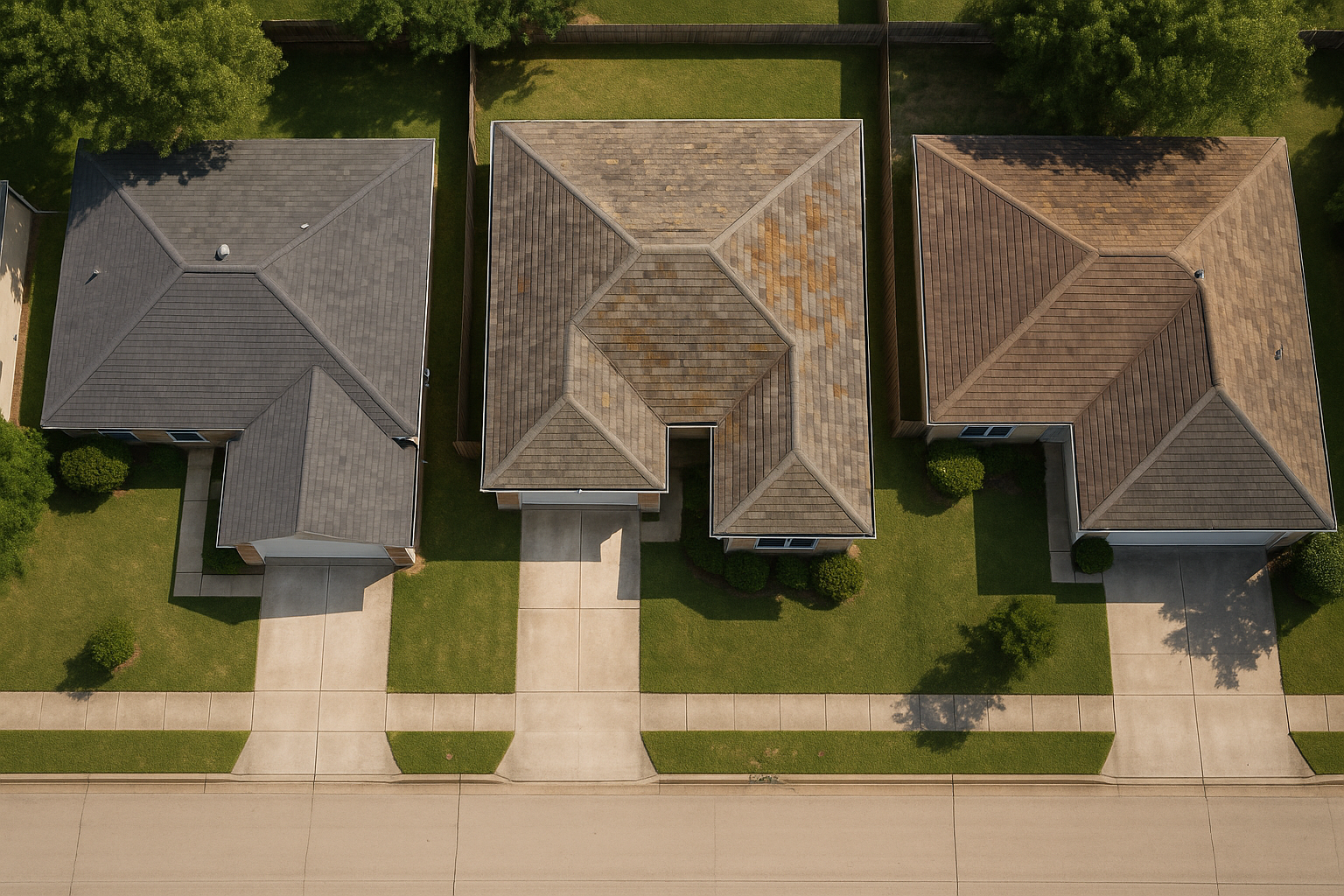
Homeowners often wonder, “What Are the Top Signs Indicating That My Roof Needs Repair or Replacement?” Your roof is your home’s first line of defense against the elements, making its upkeep crucial, especially in areas like Southern California, where intense sun and occasional storms can take a toll. Recognizing the signs of roof damage early can save you from costly repairs and provide peace of mind.
Key Takeaways
- Understanding the signs of roof damage can prevent costly repairs and extend your roof’s lifespan.
- Look for visible damage such as cracked or missing shingles and water stains on ceilings.
- Consider the age of your roof; most roofs last 20-25 years.
- Weather impacts, like sun damage and wind, can accelerate roof deterioration.
- Consult a professional for regular inspections to catch issues early.
Common Visible Signs of Roof Damage
Damaged or Missing Shingles
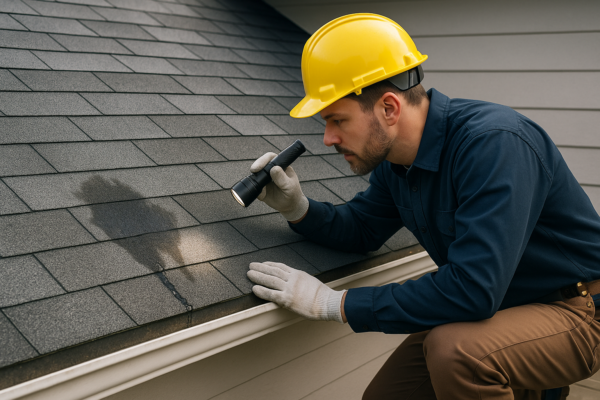
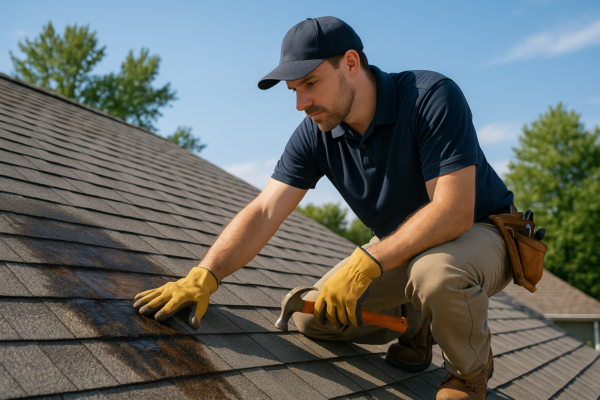
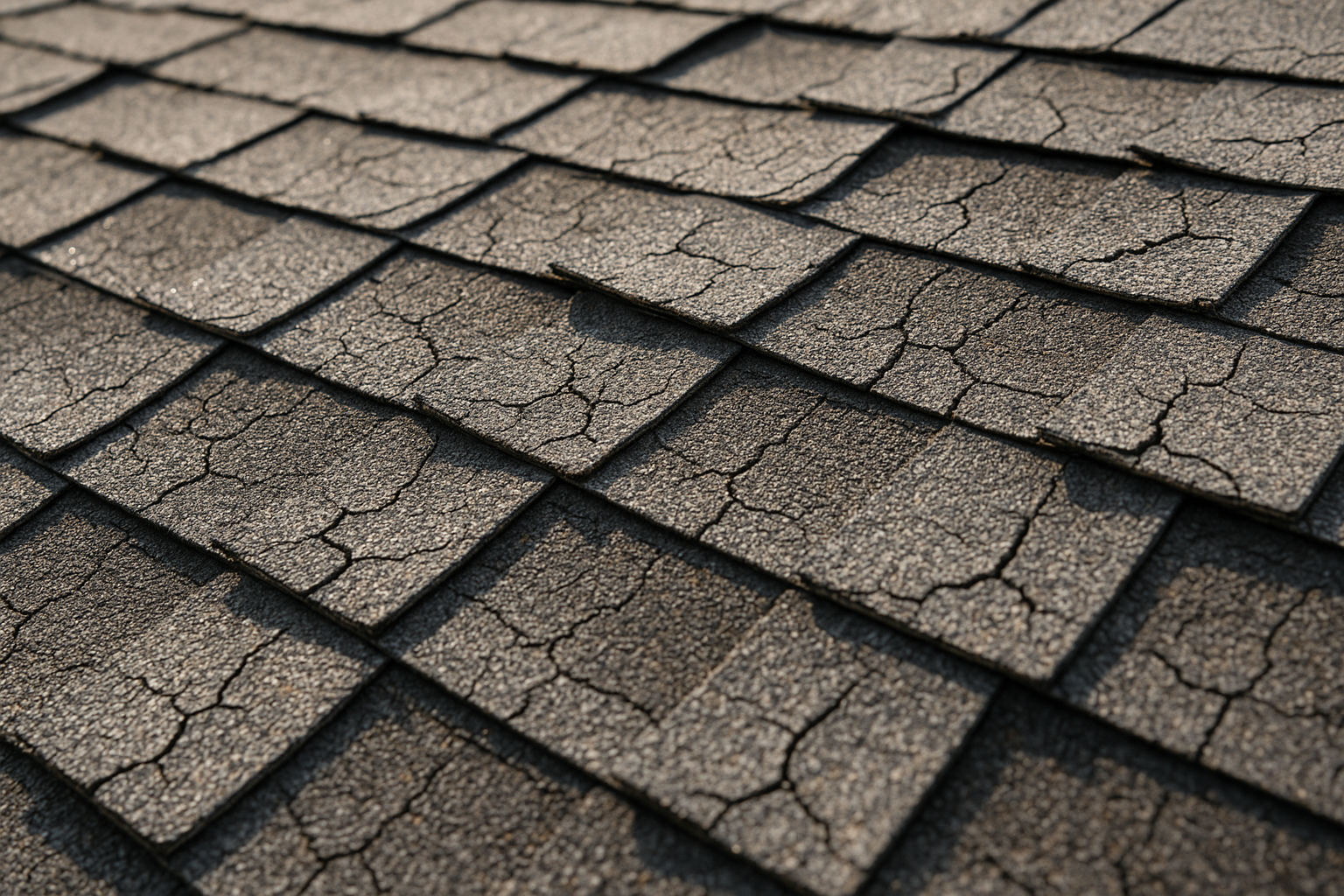
One of the most obvious signs that your roof needs repair is the presence of damaged or missing shingles. Shingles protect the underlying layers of your roof from the weather, so any compromise can lead to serious issues. In Southern California, the sun can cause shingles to crack and curl, making it essential to inspect your roof regularly.
Missing shingles often result from strong winds or aging. If you notice bare spots on your roof, it’s a clear indication that repairs are necessary. You can learn more about common roof issues and how they affect the integrity of your home.
Granule Loss
Granule loss is another sign that your roof may need attention. These granules protect shingles from UV rays and add weight for wind resistance. If you find granules in your gutters, it could indicate that your shingles are deteriorating. Over time, this can lead to leaks and other structural problems.
It’s important to compare the extent of granule loss with industry standards. For example, new shingles may lose some granules initially, but excessive loss is a red flag. Regular inspections can help you identify and address these issues early.
Water Stains and Leaks
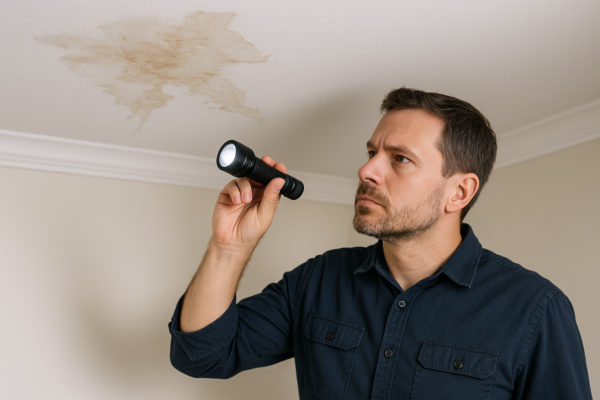
Water stains on your ceiling or walls are clear indicators of a leaking roof. This is often due to compromised shingles or flashing. In areas like Southern California, where unexpected rains can occur, a small leak can quickly become a major problem if not addressed.
To determine the extent of a leak, consider its location and severity. Immediate repairs are necessary to prevent further damage, which can include mold growth and structural issues. For more specific guidance, you can find tips to determine roof repair needs.
Structural and Age-Related Concerns
Sagging Roof Deck
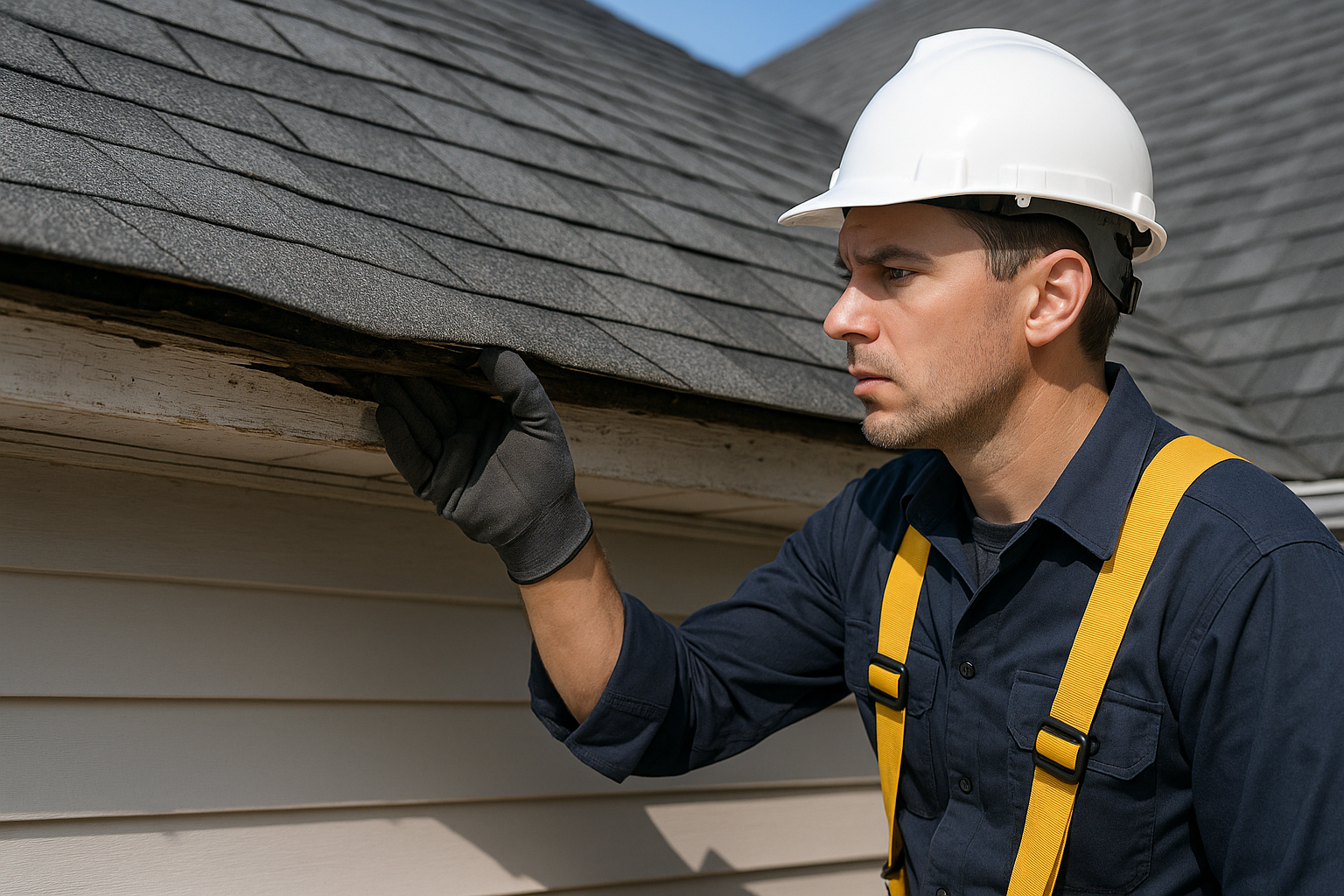
A sagging roof deck is a serious concern that may indicate structural damage. This issue often results from prolonged water exposure, which weakens the roof’s support system. If you notice a dip or curve in your roofline, it’s crucial to consult a professional immediately.
Addressing a sagging roof can involve extensive repairs or even replacement, depending on the damage’s extent. Regular maintenance checks are key to preventing such issues from escalating. Understanding commercial roof repair techniques can also offer insights into handling similar problems in residential settings.
Roof Age
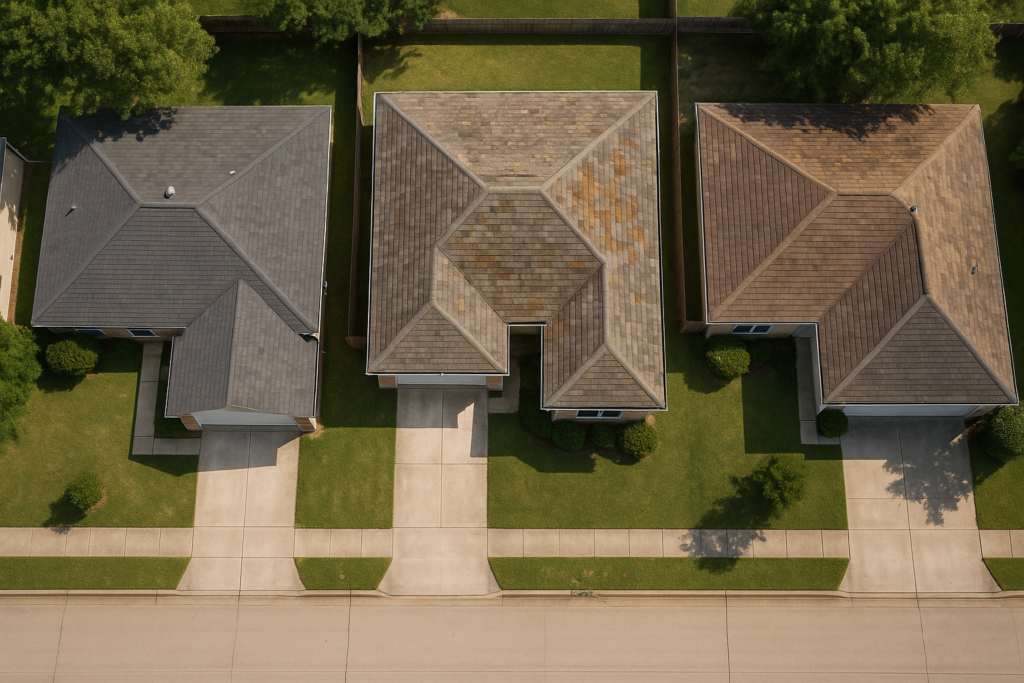
The age of your roof is a critical factor in determining whether it needs repair or replacement. Most asphalt shingle roofs last between 20-25 years. If your roof is approaching this age, it’s wise to start planning for a replacement to avoid unexpected failures.
Consider the roofing material when evaluating age-related concerns. Metal and tile roofs have longer lifespans, often exceeding 40 years, but they still require regular maintenance. For advice on metal roofing benefits, explore our detailed guides.
Flashing and Sealant Issues
Flashing and sealants play an essential role in waterproofing your roof. Damaged flashing or cracked sealants can lead to leaks and water infiltration. Inspect areas around chimneys, vents, and skylights for signs of wear.
Regular inspections and timely repairs can prevent minor sealant issues from becoming major repairs. For a deeper understanding, check out our article on choosing a qualified roof repair specialist.
Weather and Environmental Factors
Sun Damage
The intense sun in Southern California can cause significant damage to your roof over time. UV rays can break down roofing materials, leading to cracking and fading. This damage not only affects the roof’s appearance but also its functionality.
Consider using UV-resistant materials if you’re planning a roof replacement. This proactive measure can extend your roof’s lifespan and improve energy efficiency. For more information, our article on commercial roofing types offers insights into material options.
Wind Damage
Strong winds can lift shingles, break them, or even blow them off entirely. After a windstorm, check your roof for any visible damage. Missing shingles need immediate attention to prevent leaks and further structural damage.
Creating a wind-resistant roof involves choosing the right materials and installation techniques. You can explore flat roofing solutions that are particularly effective against wind damage.
Tree and Debris Impact
Trees provide shade and beauty, but they can also pose a threat to your roof. Overhanging branches can scrape and damage shingles, while falling branches can cause significant impact damage.
Regular trimming and maintenance of surrounding trees help minimize these risks. If your roof has already suffered damage from debris, consult a professional for an assessment and potential repair. For tips on handling such issues, read our guide on immediate roof repair.
Frequently Asked Questions
How often should I inspect my roof?
It’s recommended to inspect your roof at least twice a year, ideally in spring and fall. Regular inspections help catch issues early, preventing costly repairs. After major storms, additional checks are advisable.
What should I do if I find a leak?
If you discover a leak, act quickly to prevent further damage. Place a bucket to catch drips and cover affected furniture. Contact a roofing specialist to assess and repair the leak promptly.
Can I repair my roof myself?
While minor repairs like replacing a single shingle might be manageable, it’s generally safer and more effective to hire a professional. DIY repairs can sometimes lead to further damage if not done correctly.
How do I choose the right roofing material?
Choosing the right material depends on your budget, climate, and aesthetic preferences. Consider long-term durability and energy efficiency. For more detailed advice on materials, explore our articles on commercial roofing options.
Conclusion
Understanding what are the top signs indicating that my roof needs repair or replacement is crucial for maintaining your home’s integrity. From visible damage like missing shingles and granule loss to structural concerns such as a sagging roof deck, being proactive can prevent costly repairs. Regular inspections, especially in climates like Southern California, and consulting with professionals ensure your roof remains in optimal condition. For comprehensive roofing services and solutions, contact Roof Titan for expert advice and assistance.