Understanding the Timeline: Average Duration of a Commercial Roofing Installation Project
When planning a new roof for your business, a common question arises: How long does a typical commercial roofing installation take on average? The timeline for a commercial roofing project can significantly impact business operations, making it crucial to understand the factors that influence installation duration. In this article, we delve into the details that affect the timeline of commercial roofing installations, particularly in Southern California, where weather and climate play unique roles.
Key Takeaways
- The average duration for a commercial roofing installation varies based on the roofing material, building size, and weather conditions.
- Common roofing materials like TPO, EPDM, and metal each have distinct installation timelines.
- Weather, especially in Southern California, can influence installation schedules due to rain or extreme heat.
- Proper planning and understanding of the commercial roofing process can help minimize downtime and disruptions.
Factors Influencing Commercial Roofing Installation Time
Roofing Material Selection
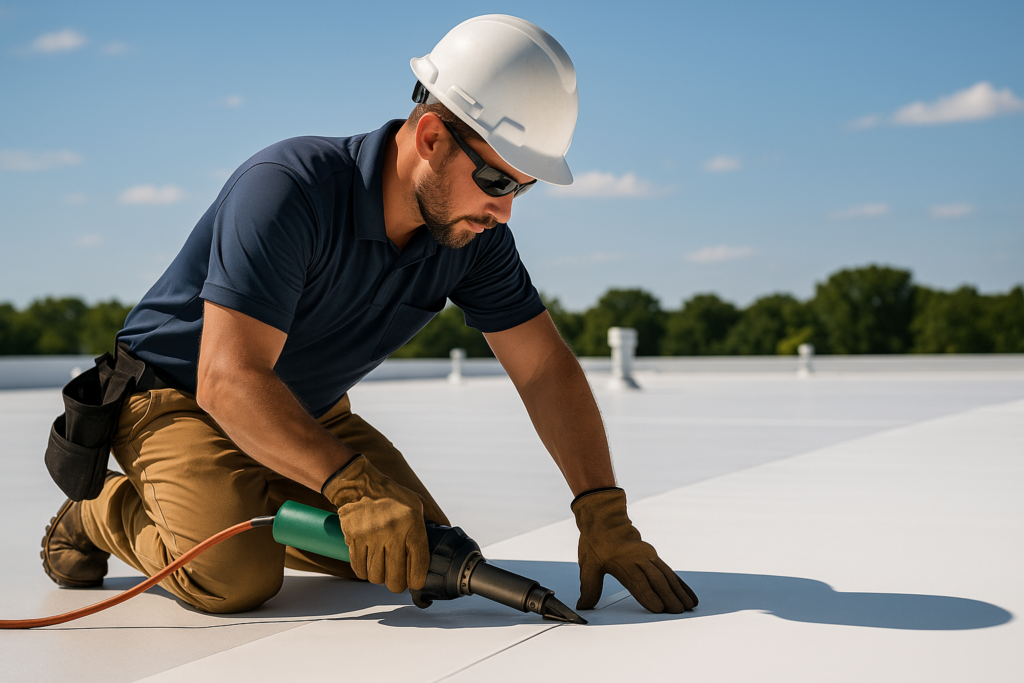
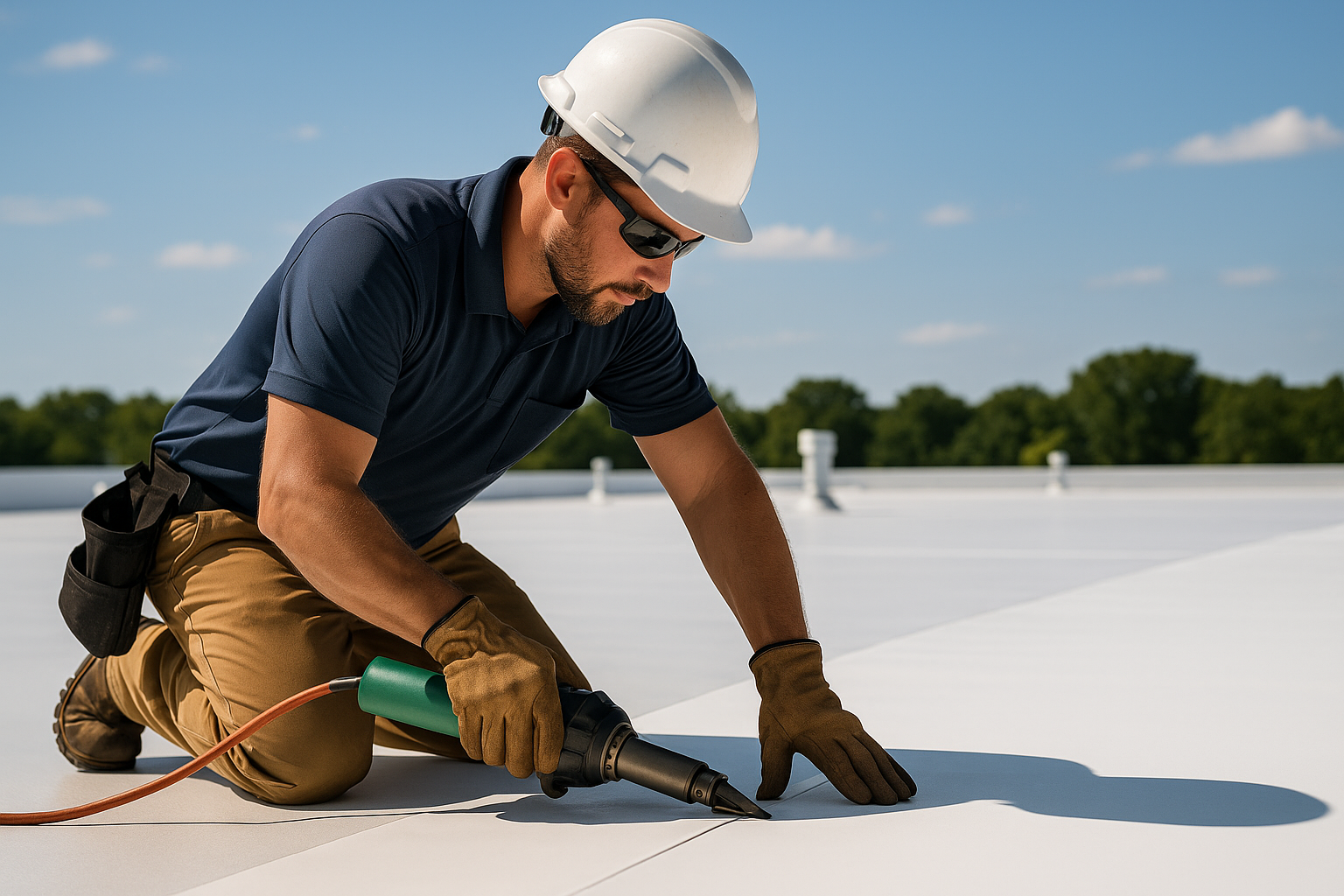
The type of roofing material you choose is a significant factor in determining how long a typical commercial roofing installation takes on average. Different materials have varying complexities and installation requirements. For instance, TPO and EPDM roofs generally take less time to install compared to built-up roofs (BUR) or modified bitumen due to their simpler application processes.
In Southern California, where weather conditions are relatively mild, materials like TPO and EPDM are popular choices. These materials offer benefits such as energy efficiency and ease of maintenance. To explore more about these materials, you can read about roofing material lifespan which provides insights into the longevity and benefits of different options.
Building Size and Complexity
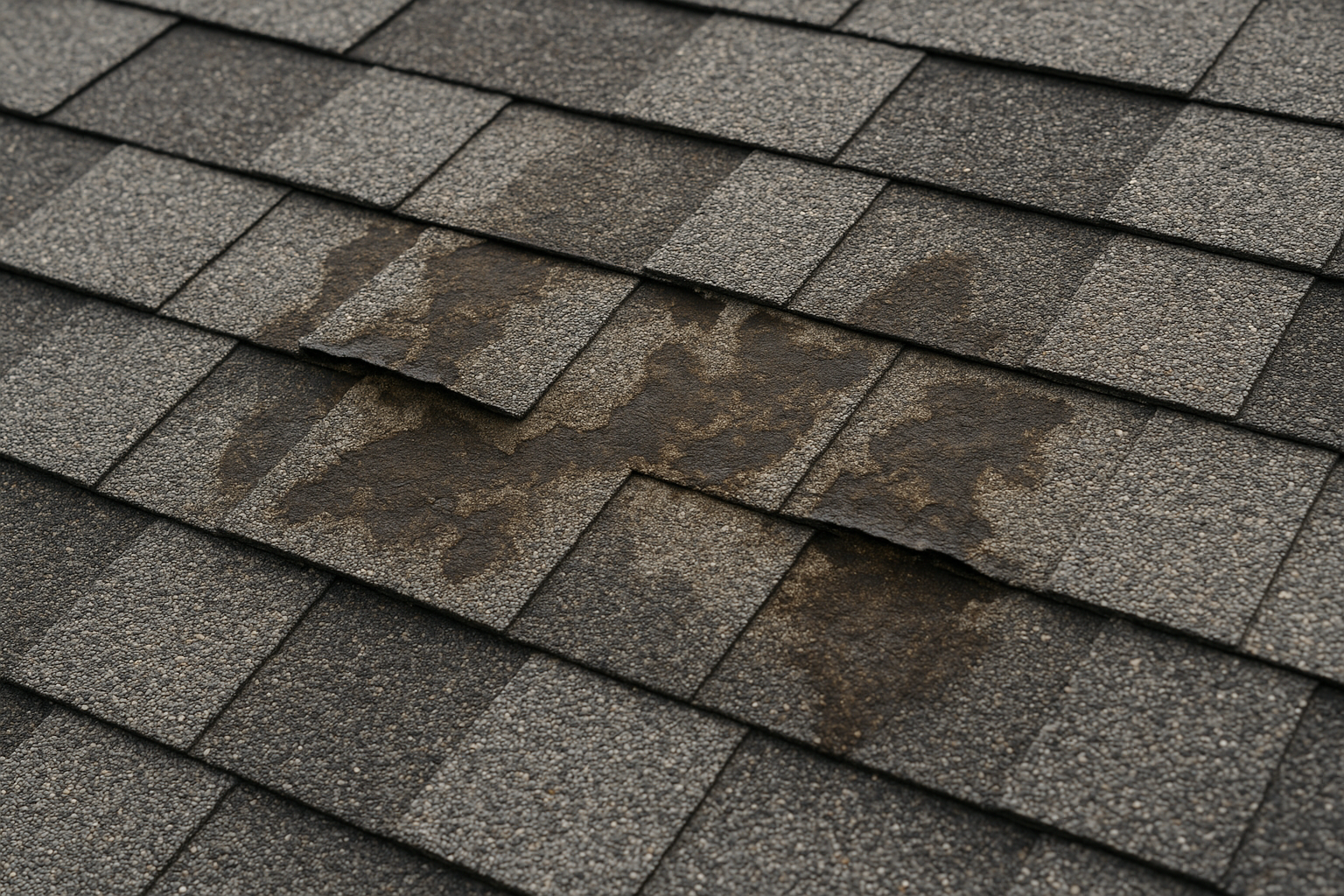
The size and complexity of your building also play a crucial role in determining how long a commercial roofing installation will take on average. Larger buildings naturally require more time due to the increased surface area and the logistical challenges involved in transporting and handling materials.
Additionally, buildings with unique architectural features, such as skylights, chimneys, or HVAC systems, can complicate the installation process, further extending the timeline. For businesses looking to understand the financial implications, reviewing commercial roofing costs can provide valuable context on how size and complexity influence pricing.
Weather Conditions
Weather is an unpredictable factor that can significantly impact the timeline of a roofing project. In Southern California, the relatively dry climate is generally advantageous; however, unexpected rain or extreme heat can cause delays. It’s important to plan installations during periods with stable weather forecasts to avoid interruptions.
For a deeper understanding of how weather affects the durability of roofing materials, you might find it helpful to learn about weather impacts on roofing lifespan. This can aid in selecting materials that are resilient and suitable for your local climate.
Comparison of Installation Times for Different Roofing Systems
Common Commercial Roofing Systems
Different commercial roofing systems have varying installation times, primarily due to the materials and techniques involved. Here’s a breakdown of average installation times for some common systems used in commercial properties:
| Roofing System | Average Installation Time | Characteristics |
|---|---|---|
| TPO | 1-2 weeks | Lightweight, energy-efficient, quick installation |
| EPDM | 1-2 weeks | Durable, flexible, suitable for various climates |
| Metal Roofing | 2-4 weeks | Long-lasting, fire-resistant, weather-resilient |
| Built-Up Roof (BUR) | 3-5 weeks | Multiple layers, high durability, labor-intensive |
| Modified Bitumen | 2-4 weeks | Low maintenance, flexible, heat-resistant |
For more detailed comparisons of different roofing materials and their longevity, consider exploring roofing material longevity and cost comparisons.
Installation Techniques and Workforce
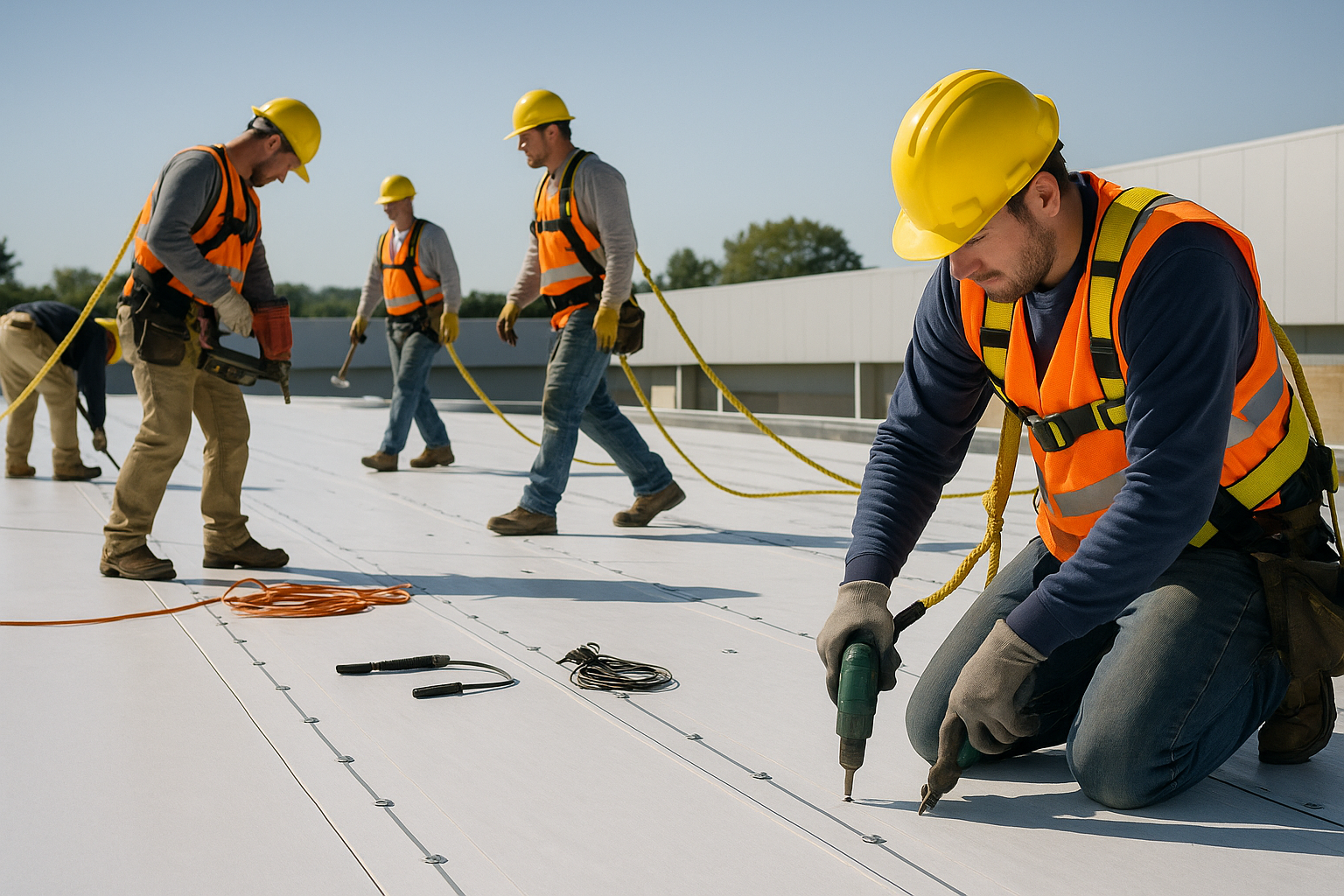
The techniques employed during installation and the size of the workforce can also affect how long a typical commercial roofing installation takes on average. A larger, well-coordinated team can expedite the process, whereas a smaller crew may require more time.
Using advanced technology and tools can further streamline the installation process. It’s advisable to work with experienced roofing professionals who utilize efficient techniques to ensure timely completion. If you’re considering financing your project, exploring financing options for roofing installations might be beneficial in planning your budget and ensuring quality workmanship.
Logistical and Regulatory Considerations
Logistics, such as the delivery of materials and equipment, can also influence the timeline. Delays in material supply or transportation can extend installation timeframes. It’s essential to coordinate with suppliers and contractors to ensure a smooth flow of materials.
Moreover, regulatory requirements such as permits and inspections may add to the timeline. Compliance with local building codes and scheduling inspections are necessary steps that can affect the overall duration of the project. For a comprehensive understanding of the costs involved, referring to commercial roofing installation quotes can provide clarity on expected expenses and timelines.
Practical Tips for Managing Installation Timelines
Effective Planning and Scheduling
Proper planning can significantly reduce the time it takes to complete a roofing project. Engaging with your roofing contractor early to outline a detailed schedule can help prevent unexpected delays. Consider the following tips:
- Discuss potential weather impacts and plan the installation during favorable conditions.
- Ensure all necessary permits and inspections are scheduled in advance.
- Coordinate with your contractor to have materials delivered on time.
For businesses dealing with frequent roof issues, addressing roof leak repairs promptly can prevent more extensive work that might extend installation times.
Communication with Stakeholders
Keeping open lines of communication with all stakeholders involved in the project is crucial. This includes contractors, suppliers, and any relevant regulatory bodies. Regular updates and meetings can ensure everyone is aligned and any potential issues are addressed quickly.
By maintaining transparency and collaboration, you can ensure that your commercial roofing installation is completed within the expected timeframe, minimizing disruptions to your business operations.
Post-Installation Maintenance
After installation, proper maintenance is vital to ensure the longevity of your roof and avoid future issues that could require additional time and resources. Implementing regular maintenance practices can extend the life of your roof, as detailed in our guide on maintenance practices for commercial roofing.
Regular inspections and prompt repairs of minor issues can prevent larger problems and avoid the need for premature roof replacements, ensuring your business remains protected year-round.
Frequently Asked Questions
How long does it take for a commercial roof to be replaced?
The time required to replace a commercial roof depends on various factors, including the size of the building, the type of roofing system, and weather conditions. On average, replacements can take anywhere from 1-4 weeks.
Can weather conditions delay roofing projects?
Yes, adverse weather conditions such as rain, wind, or extreme temperatures can delay roofing projects. In Southern California, while generally favorable, unpredictable weather should be considered when planning installations.
What steps can I take to minimize installation delays?
To minimize delays, ensure that all permits and inspections are arranged beforehand, schedule the project during stable weather periods, and maintain clear communication with your contractor and suppliers.
What are the benefits of choosing TPO or EPDM roofing?
TPO and EPDM roofing systems are popular due to their relatively quick installation times and durability. They offer energy efficiency and flexibility, making them suitable choices for many commercial properties in Southern California.
Conclusion
Understanding how long a typical commercial roofing installation takes on average requires considering multiple variables, including material choice, building size, and weather conditions. By planning effectively, selecting the right materials, and maintaining open communication, you can ensure your roofing project is completed efficiently and with minimal disruption to your business. For further guidance, explore our resources on commercial roofing solutions and related topics to make informed decisions for your property.