Comparing Roofing Materials: A Comprehensive Guide to Longevity and Cost Factors
When it comes to selecting a roofing material for your home or business, understanding **how different roofing materials compare in terms of longevity and cost** is crucial. Various factors such as durability, maintenance requirements, and initial installation costs can greatly influence your decision. This guide will delve into these aspects, providing you with the information needed to make an informed choice.
Key Takeaways
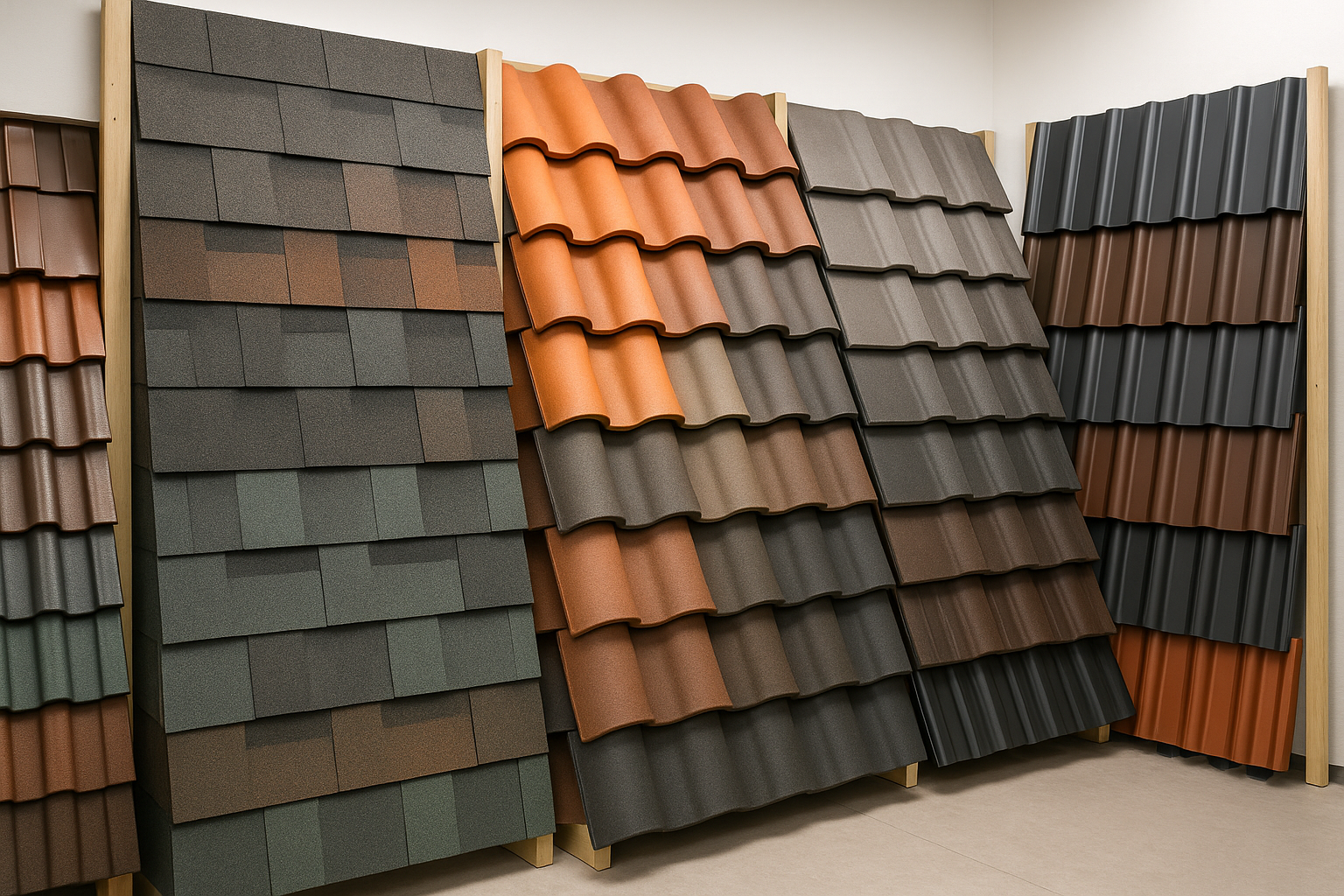
- Asphalt shingles are a cost-effective choice but have a shorter lifespan compared to metal or tile roofing.
- Metal roofing offers durability and energy efficiency, making it a long-term investment.
- Tile roofing combines longevity with aesthetic appeal, especially in warmer climates like Southern California.
- The initial cost of roofing materials varies, with metal and tile generally being more expensive than asphalt.
- Maintenance requirements differ across materials, impacting overall cost and lifespan.
Understanding Roofing Material Longevity
Asphalt Shingles
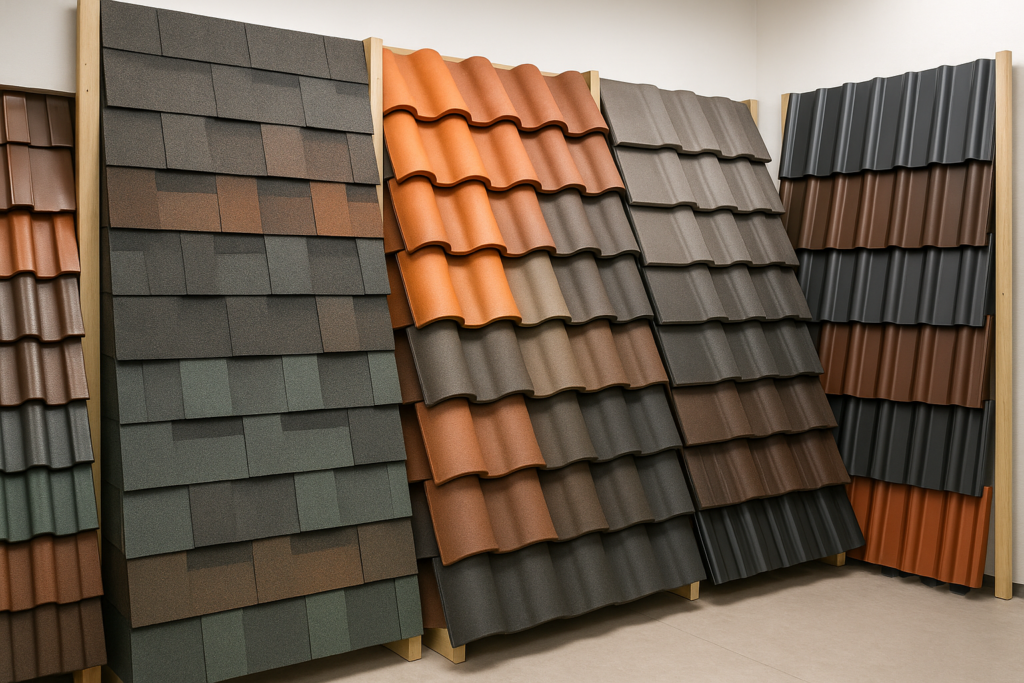
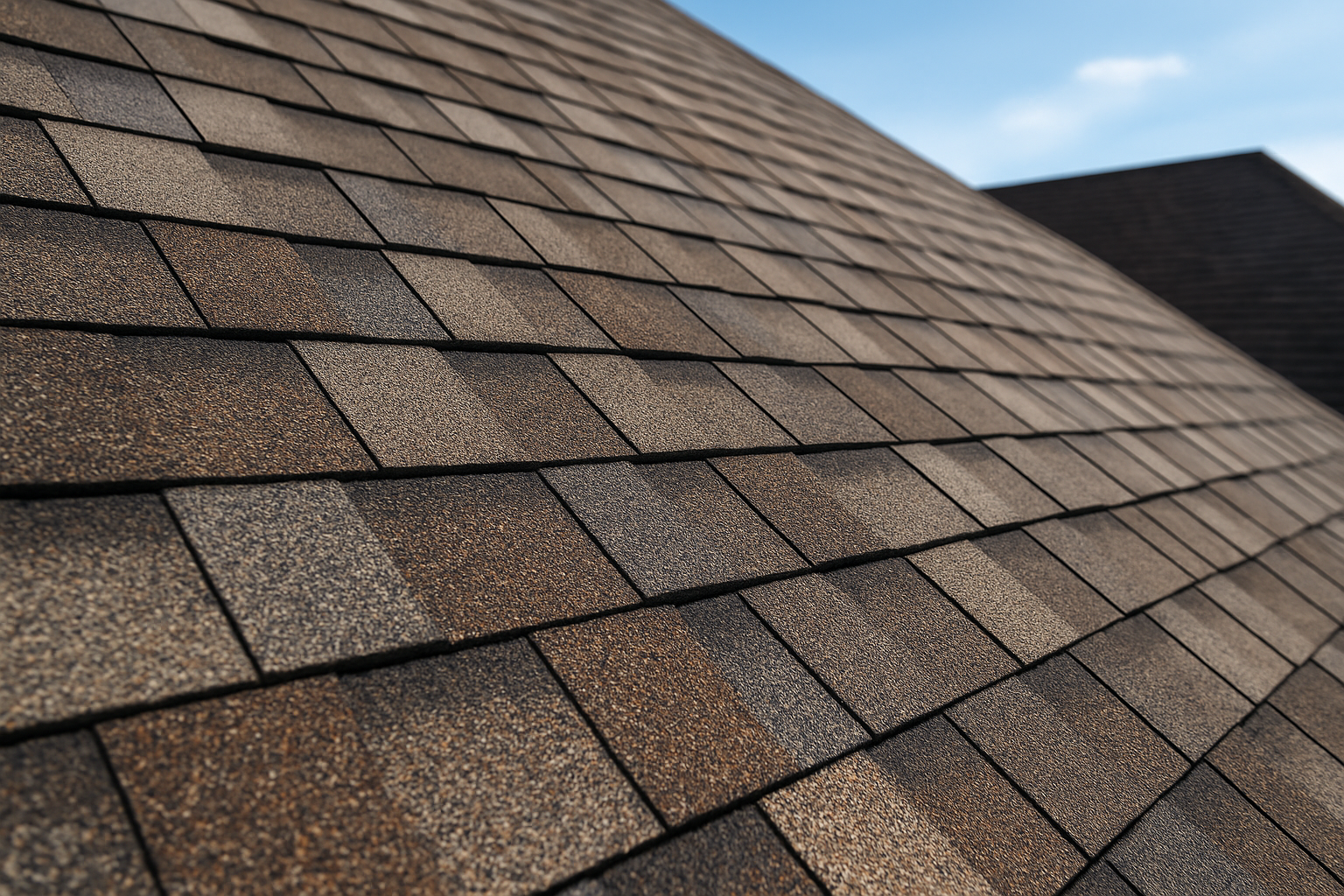
Asphalt shingles are among the most popular roofing materials due to their affordability and ease of installation. Typically, they last between 15 to 30 years, depending on the quality and installation. While they are cost-effective initially, their shorter lifespan means you may face replacement costs sooner. This can be a concern if you’re in a climate with intense sun exposure, like Southern California, where asphalt may degrade faster.
To learn more about the **durability of asphalt shingles**, you can explore our detailed guide on roofing materials durability.
Metal Roofing
Metal roofing is known for its longevity, often lasting 40 to 70 years. The durability of metal roofing makes it an excellent choice for **energy efficiency** and resistance to harsh weather conditions. Although the initial installation cost is higher than asphalt shingles, the long-term savings on energy and maintenance can make it a wise investment. In addition, metal roofs are highly reflective, which can help lower cooling costs in hot climates.
For more on energy savings, consider reading our article on energy-efficient roofing materials.
Tile Roofing
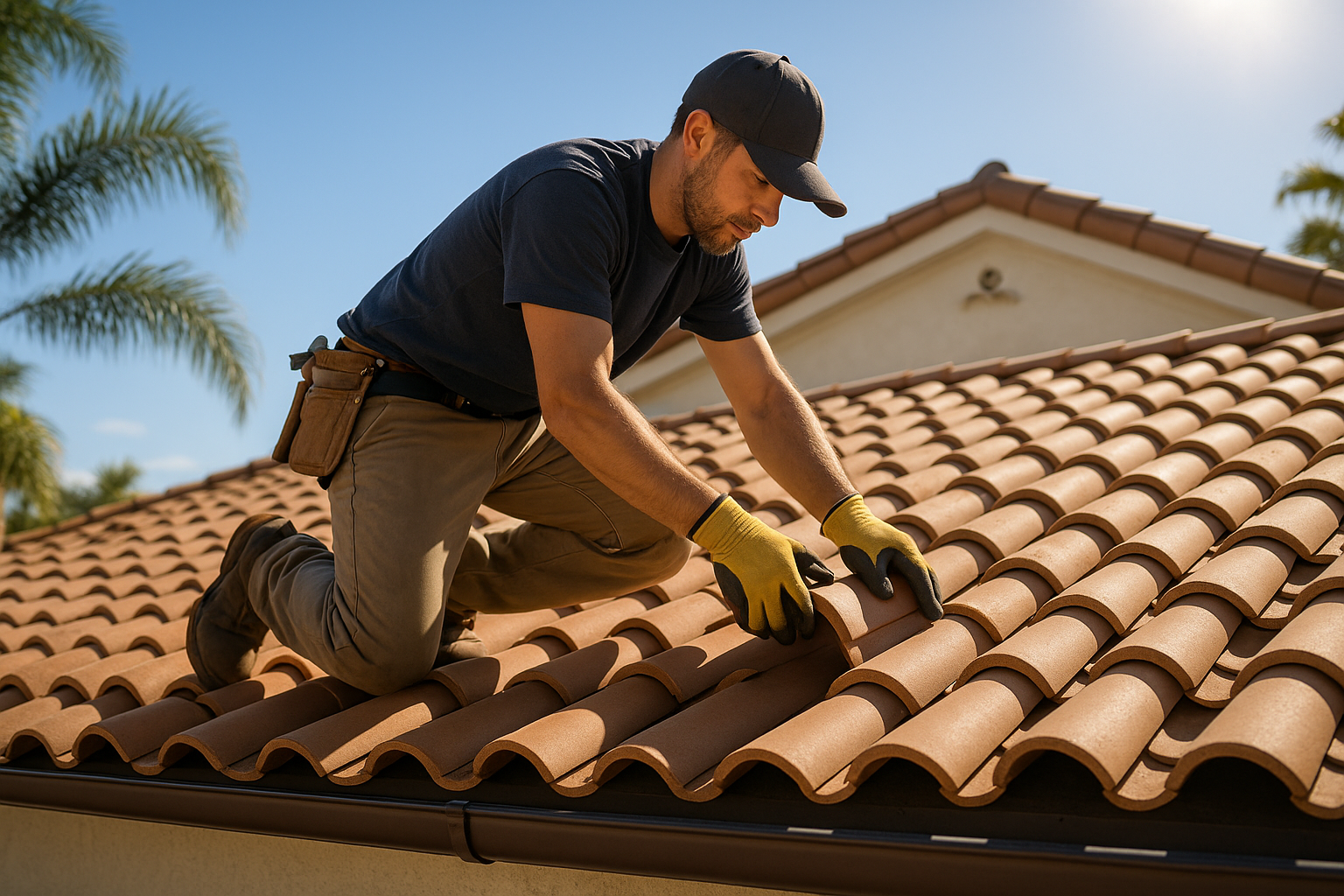
Tile roofing, particularly clay and concrete tiles, can last over 50 years, making them one of the longest-lasting roofing materials available. Their durability and resistance to fire and rot make them a preferred choice in areas prone to wildfires. However, tile roofing is heavy and may require additional structural support, increasing the overall cost. In Southern California, tile roofs are popular for their ability to withstand heat and their aesthetic appeal.
To understand how tile roofing compares with other options, our article on types of roofing materials for businesses offers a comprehensive view.
Cost Factors of Different Roofing Materials
Installation Costs
The installation cost of roofing materials can vary significantly. Asphalt shingles are generally the most affordable, with costs ranging from $5,000 to $10,000 for a typical home. Metal roofing can cost between $15,000 and $30,000, while tile roofing can range from $20,000 to $50,000 or more, depending on the complexity of the roof structure.
For a detailed breakdown of **price differences** in roofing materials, you can visit our dedicated page on roofing materials cost.
Maintenance and Repair Costs
Maintenance requirements are a critical factor when considering **how different roofing materials compare in terms of longevity and cost**. Asphalt shingles require regular inspections and occasional repairs due to their susceptibility to wind and hail damage. Metal roofs, while low-maintenance, may require periodic checks for rust or damage. Tile roofs, although durable, need routine inspections to replace broken tiles and maintain structural integrity.
Understanding the maintenance requirements for commercial roofing materials can provide additional insights.
Long-Term Value
When assessing long-term value, consider not only the upfront costs but also the potential savings in energy and maintenance. Metal and tile roofs, despite higher initial costs, often provide better long-term value due to their durability and energy efficiency. **Eco-friendly roofing materials** such as these can also increase your property’s market value.
- Consider the climate and weather patterns in your region.
- Evaluate the energy savings potential of reflective roofing materials.
- Factor in maintenance costs and the longevity of the material.
Comparative Analysis of Roofing Materials
Material Cost vs. Longevity Table
This table provides a comparative analysis of **how different roofing materials compare in terms of longevity and cost**:
| Material | Average Lifespan (Years) | Cost Range (Installed) |
|---|---|---|
| Asphalt Shingles | 15-30 | $5,000 – $10,000 |
| Metal Roofing | 40-70 | $15,000 – $30,000 |
| Tile Roofing | 50+ | $20,000 – $50,000+ |
This comparison underscores the importance of evaluating both **durability and cost** to determine the best roofing material for your needs.
For more comprehensive comparisons, visit our article on flat vs sloped roofing materials.
Climate Considerations
Climate plays a significant role in determining the suitability of roofing materials. In Southern California, where the climate is warm and dry, materials like tile and metal are advantageous due to their heat resistance and energy efficiency. Asphalt shingles, while common, may not perform as well under prolonged sun exposure.
To explore more about climate considerations, our article on eco-friendly roofing materials provides valuable insights.
Frequently Asked Questions
What is the most cost-effective roofing material?
Asphalt shingles are generally considered the most cost-effective roofing material due to their low upfront cost. However, their shorter lifespan can lead to higher long-term costs. It is essential to weigh initial savings against future expenses.
Which roofing material lasts the longest?
Tile roofing often has the longest lifespan, exceeding 50 years. Metal roofs also offer excellent durability, lasting between 40 to 70 years. These materials require less frequent replacement, making them a good long-term investment.
How do I choose the best roofing material for my climate?
Consider factors such as temperature, humidity, and potential weather hazards. In hot climates like Southern California, reflective and heat-resistant materials such as metal and tile are ideal. It’s also beneficial to consult a professional for personalized recommendations.
Are there any environmental regulations for roofing materials?
Yes, environmental regulations can impact your choice of roofing materials, particularly in terms of energy efficiency and sustainability. It’s important to stay informed about local guidelines that may affect your roofing options. For more details, visit our page on environmental regulations.
Conclusion
Choosing the right roofing material involves a careful analysis of both **longevity and cost**. Understanding **how different roofing materials compare** will help you make an informed decision that meets your specific needs. Whether you prioritize energy efficiency, aesthetic appeal, or durability, there’s a roofing solution that fits your requirements. For more detailed comparisons and expert advice, consider reaching out to professionals or exploring resources such as those at Roof Titan.