10 Essential Tips for Maintaining Your Commercial Roof and Extending Its Lifespan
Maintaining a commercial roof can be a daunting task, but it’s crucial for protecting your investment and ensuring the safety of your building. If you’ve wondered, how can I maintain my commercial roof to prolong its lifespan effectively, you’re in the right place. In this comprehensive guide, we’ll cover practical strategies and professional insights to help you manage your roof efficiently.
Key Takeaways
- Regular inspections and prompt repairs are critical for extending your commercial roof’s lifespan.
- Understand the impact of climate and weather on different roofing materials.
- Implement a maintenance plan that includes cleaning, debris removal, and monitoring drainage systems.
- Choose durable roofing materials and consider their lifespan and warranties.
- Professional consultation is vital for addressing complex roofing issues.
Regular Inspection and Maintenance
Schedule Routine Inspections
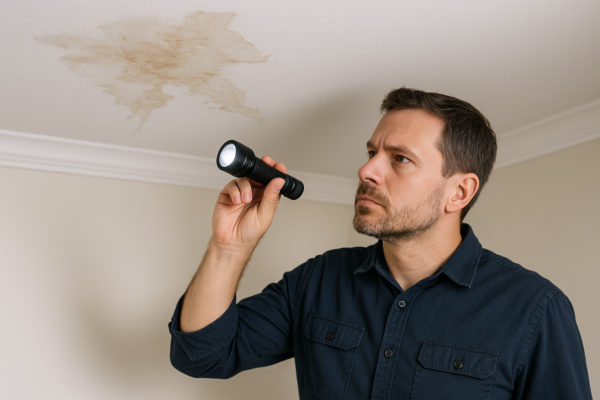
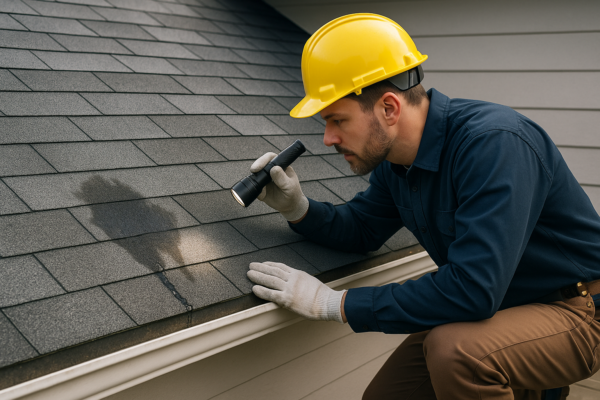
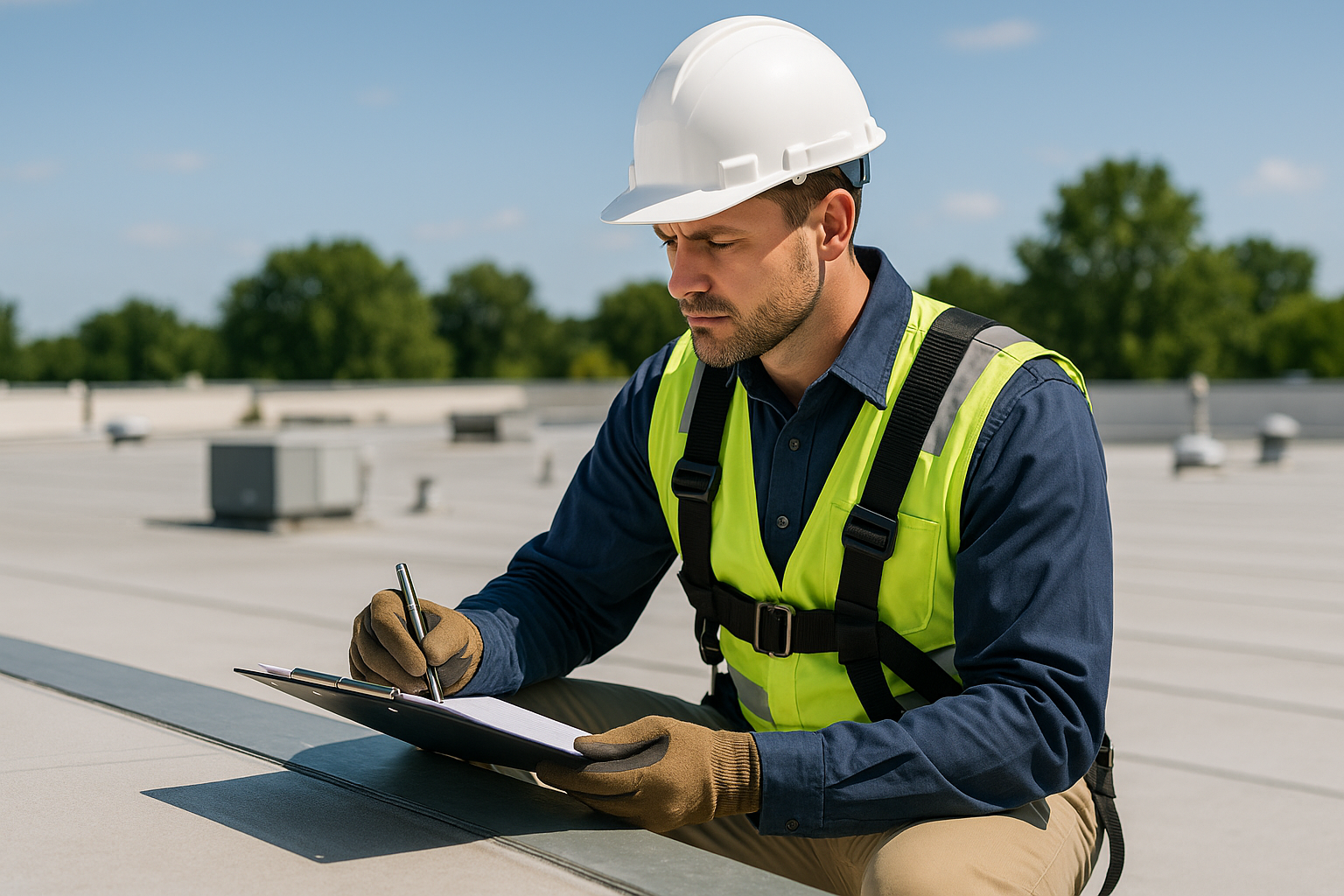
Regular inspections are essential for identifying potential issues before they escalate into costly repairs. To **prolong your commercial roof’s lifespan effectively**, schedule inspections at least twice a year. During these inspections, focus on identifying signs of wear and tear, such as cracks, blisters, or punctures. Addressing these issues promptly can prevent more significant problems in the future.
In Southern California, where the climate varies, it’s crucial to inspect your roof before and after the rainy season. This proactive approach helps in spotting water damage early. For detailed insights on roof leak repair, consider consulting with professionals who specialize in commercial roofing.
Implement a Cleaning Routine
A clean roof is a healthy roof. Accumulated debris can trap moisture, leading to mold growth and deterioration. Implement a routine cleaning schedule to remove leaves, branches, and other debris. This practice is especially important for flat roofs, which are more prone to debris buildup.
Ensure that all drainage systems are clear and functioning. Blocked drains can cause water pooling, increasing the risk of leaks and structural damage. Regularly inspect gutters and downspouts to keep them free of obstructions.
Promptly Address Repairs
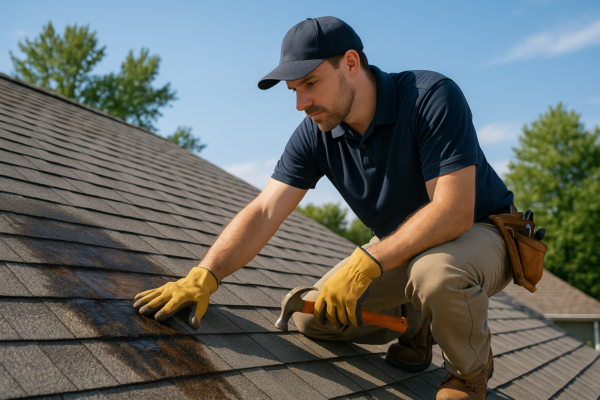
One of the most effective ways to **maintain your commercial roof** is by addressing repairs as soon as they arise. Ignoring small issues can lead to significant damage and expensive repairs. If you notice any signs of damage, such as leaks or missing shingles, contact a professional roofing contractor immediately.
For more detailed guidance, you can learn about identifying repair needs and the appropriate steps to take. Quick action can save you money and extend your roof’s lifespan.
Understanding the Impact of Weather
Adaptation to Local Climate
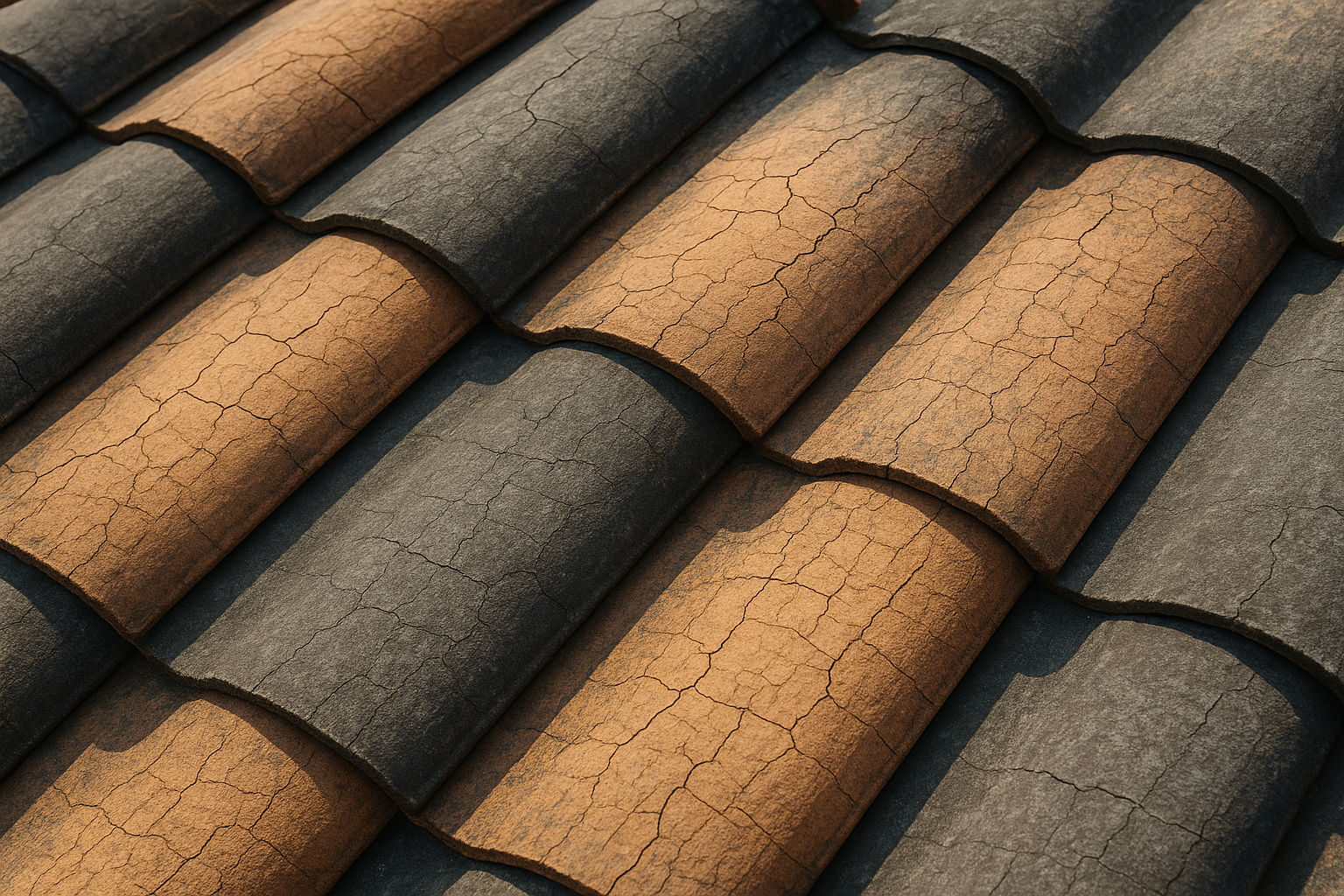
Your roof is constantly exposed to the elements, and understanding how weather impacts your roofing materials is crucial. Southern California’s climate, characterized by intense sun and occasional heavy rains, can affect different materials in various ways. For instance, UV rays can degrade certain types of roofing, while rain can exacerbate leaks.
Consider reading more about weather impacts on roofing materials to choose the right type for your building. Adapting to local climate conditions helps in **prolonging your roof’s lifespan effectively**.
Weatherproofing Techniques
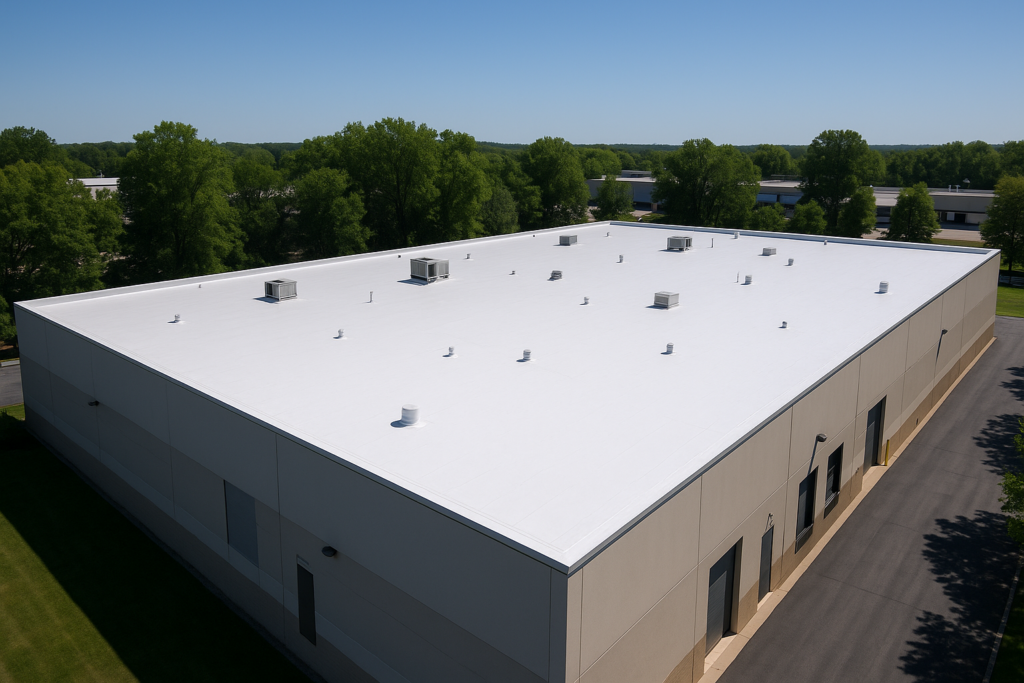
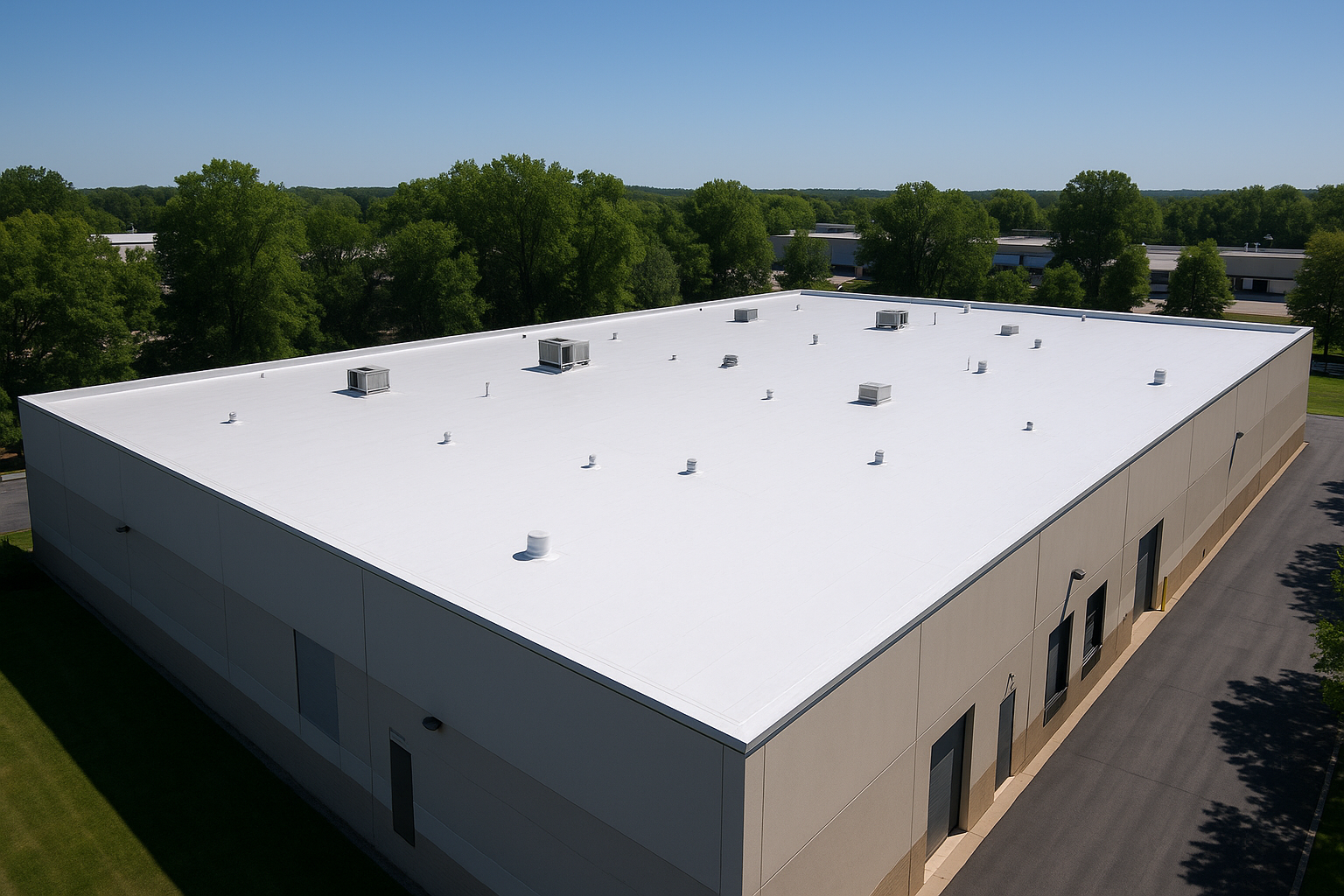
Implementing weatherproofing techniques can significantly extend your roof’s lifespan. Applying reflective coatings can reduce heat absorption and minimize UV damage. Additionally, waterproof membranes are excellent for preventing water infiltration.
These solutions not only protect your roof but also enhance energy efficiency. By reducing heat transfer, you can lower cooling costs, making these techniques a cost-effective investment. For more on energy-efficient roofing choices, explore energy-efficient roofing options.
Seasonal Maintenance Tips
- Spring: Conduct thorough inspections and clean any winter debris.
- Summer: Apply protective coatings to shield against UV rays.
- Fall: Ensure gutters and drainage systems are clear in preparation for rain.
- Winter: Monitor for ice dam formation and clear snow promptly.
Each season presents unique challenges, and adjusting your maintenance practices accordingly can help in **maintaining your commercial roof efficiently**.
Choosing the Right Materials and Contractors
Evaluating Roofing Materials
Choosing the right materials is a long-term investment in your roof’s health. Materials like metal and TPO offer durability and longevity, making them excellent choices for commercial properties. Consider factors such as cost, lifespan, and maintenance needs when selecting materials.
Compare different options using this table to make an informed decision:
| Material | Average Lifespan | Maintenance Needs |
|---|---|---|
| TPO | 15-20 years | Low |
| Metal | 40-70 years | Medium |
| EPDM | 20-30 years | Medium |
For a deeper understanding of the lifespan of various roofing materials, visit our detailed guide.
Considering Warranties
When investing in a new roof, warranties are essential. They provide you with a safety net should unexpected issues arise. Typically, warranties cover materials and workmanship for a specified period, which can vary based on the material and manufacturer.
Ensure you comprehend the warranty terms and conditions before purchase. You can read more about commercial roofing warranties to understand what to expect and how to maximize this benefit.
Selecting a Qualified Contractor
Hiring a qualified contractor is crucial for ensuring quality workmanship and adherence to best practices. Look for contractors with extensive experience in commercial roofing and positive client reviews. Verify their licenses and certifications to ensure they meet industry standards.
For guidance on selecting the right professional, explore tips on choosing a commercial roofing contractor. A reputable contractor can provide valuable insights and help in **maintaining your commercial roof to prolong its lifespan effectively**.
Frequently Asked Questions
How often should I inspect my commercial roof?
You should inspect your commercial roof at least twice a year, ideally in the spring and fall. Additional inspections may be necessary after severe weather events.
What are the signs that my commercial roof needs repair?
Signs that your roof needs repair include leaks, visible damage to roofing materials, mold growth, and increased energy bills. For more details, visit our guide on detecting roof repair needs.
What is the typical cost of commercial roof maintenance?
The cost of maintaining a commercial roof varies based on the roof’s size, type, and condition. On average, you can expect to spend between $0.03 and $0.25 per square foot annually on maintenance.
How can I improve my roof’s energy efficiency?
Improving your roof’s energy efficiency involves installing reflective coatings, using energy-efficient materials, and ensuring proper insulation. These measures can help reduce energy costs and extend your roof’s lifespan.
Conclusion
Maintaining your commercial roof effectively requires a proactive approach that includes regular inspections, timely repairs, and strategic material choices. By understanding your roof’s unique needs and adapting maintenance practices to local climate conditions, you can significantly extend its lifespan. For comprehensive support and professional advice, consider engaging with experienced roofing contractors who can guide you through the process. Remember, a well-maintained roof not only protects your property but also maximizes your investment over time. For more information, visit our Roof Leak Repair Services.