Understanding Common Warranties for Commercial Roofing Systems: What to Expect and Look For
When investing in a new commercial roof, understanding what warranties are typically offered on commercial roofing systems and installations can help you make informed decisions. Warranties offer peace of mind by covering potential defects and ensuring a long-lasting roof. This article explores the types of warranties available for commercial roofing, what they cover, and key considerations for property owners.

Key Takeaways
- Warranties for commercial roofing systems typically include material warranties, workmanship warranties, and weather tightness warranties.
- Understanding the terms and conditions of each warranty type is crucial for maximizing coverage and avoiding unexpected costs.
- Manufacturer and contractor warranties offer different levels of protection; both are essential for comprehensive coverage.
- Factors such as climate, roof type, and installation quality can influence warranty terms and lifespan.
- Proactive maintenance can extend the life of your roof and ensure warranty compliance.
Types of Warranties for Commercial Roofing Systems
Material Warranties
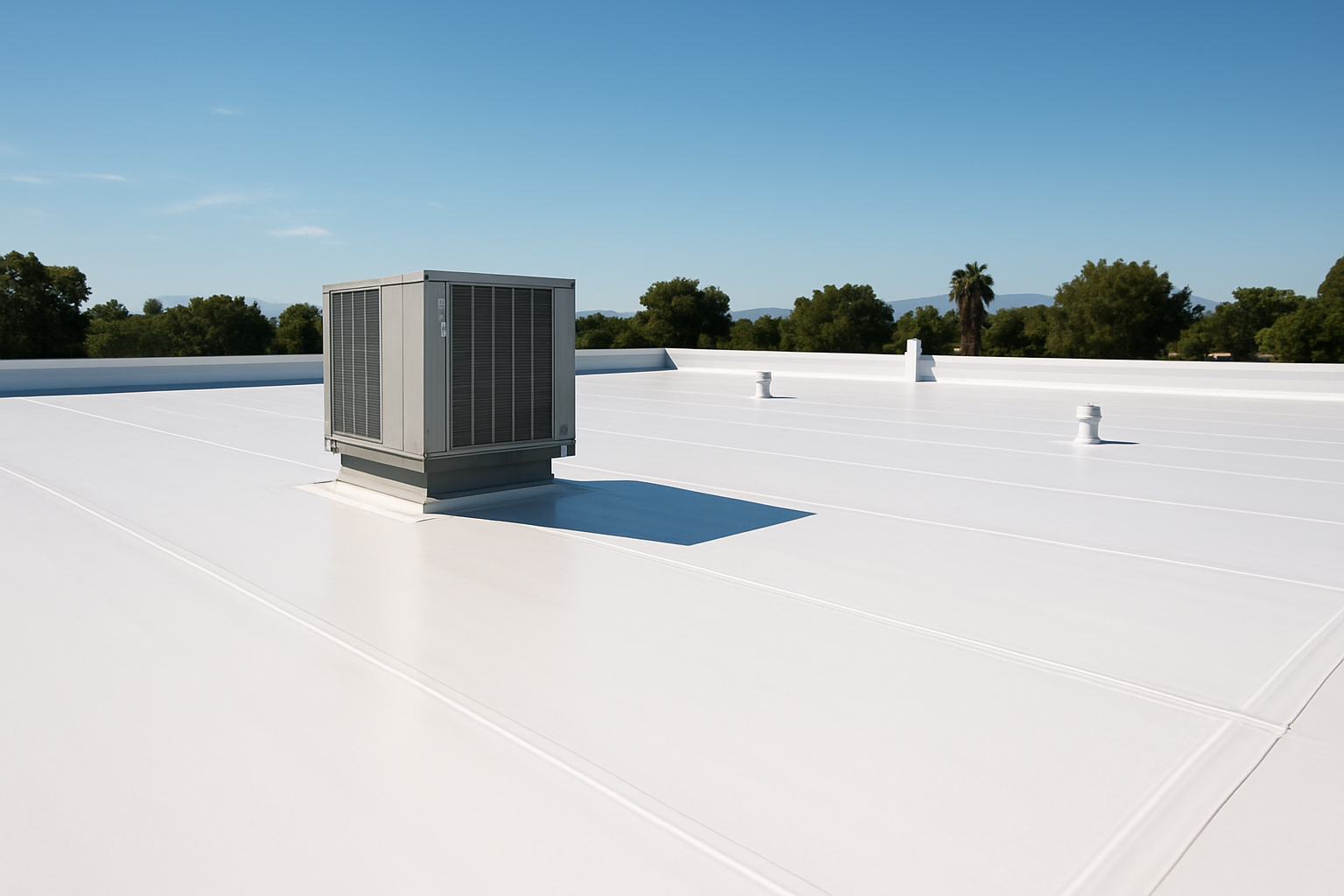
Material warranties are provided by the manufacturer and cover defects in the roofing materials themselves. For example, if you opt for a TPO roof, the material warranty will cover the membrane against defects for a specified period, usually ranging from 10 to 30 years. This warranty does not cover installation errors or damage caused by external factors such as severe weather.
These warranties are crucial because they ensure that the materials used in your commercial roofing are free from manufacturing defects that could compromise performance. If issues arise, the manufacturer is obligated to provide replacement materials. However, it’s essential to note that labor costs for installation are typically not covered under material warranties.
When choosing materials, consider the climate of Southern California, where UV exposure and temperature fluctuations can affect roofing longevity. A robust material warranty will protect against premature wear and tear caused by these environmental factors.
Workmanship Warranties
A workmanship warranty is provided by the roofing contractor and covers installation errors. This type of warranty is crucial because even the best materials can fail if not installed correctly. Workmanship warranties typically last between 1 and 5 years, depending on the contractor’s policies.
When hiring a contractor, ensure they offer a comprehensive workmanship warranty to safeguard your investment against improper installation. This warranty should cover repairs needed due to installation errors, helping avoid costly future repairs.
It’s advisable to choose a contractor experienced with your specific roofing type, as the complexity of installations can vary. For instance, the nuances of installing a flat roof differ significantly from other systems. Review flat roofing options to understand potential workmanship concerns.
Weather Tightness Warranties
Weather tightness warranties provide assurance that your commercial roof will remain watertight and resist leaks for the duration of the warranty period, often up to 20 years. These warranties are particularly important in regions like Southern California, where occasional heavy rains can test the durability of roofing systems.
Such warranties are typically issued by the manufacturer or a third-party provider. They are contingent on both the quality of the materials and the expertise of the installation. Ensuring that your roof is installed by certified professionals can maximize the benefits of a weather tightness warranty.
For property owners concerned about potential leaks, understanding the causes of roof leaks and having a robust weather tightness warranty can provide peace of mind.
Key Considerations When Evaluating Roofing Warranties
Understanding Warranty Limitations
While warranties provide valuable protection, they also have limitations. It’s imperative to thoroughly understand what is and isn’t covered under each warranty type. For instance, most warranties do not cover damage from natural disasters, improper maintenance, or unauthorized repairs.
Reviewing the fine print is essential to avoid potential disputes. Make sure you are aware of the maintenance requirements specified in the warranty. Regular maintenance, as detailed in maintenance guides, is often necessary to keep the warranty valid.
Consider the implications of climate on warranty limitations. The intense sun and occasional heavy rains in Southern California can impact roofing materials differently than cooler, wetter climates.
Comparing Manufacturer vs. Contractor Warranties
Manufacturer and contractor warranties offer different levels of protection. A manufacturer warranty focuses on the materials used, while a contractor warranty is concerned with the installation process. Both are essential for comprehensive coverage, but they come with different terms and conditions.
| Aspect | Manufacturer Warranty | Contractor Warranty |
|---|---|---|
| Coverage | Material defects | Installation errors |
| Duration | 10-30 years | 1-5 years |
| Provider | Material manufacturer | Roofing contractor |
| Cost Coverage | Material replacement | Repair costs |
Understanding the distinctions between these warranties can help you negotiate better terms and ensure full protection for your investment. For detailed insights into the types of commercial roofing systems and their respective warranty options, consult with roofing experts.
Evaluating Warranty Costs
The cost of a roofing warranty can vary depending on the type of warranty, the roofing materials used, and the specific terms of the warranty. Generally, warranties are included in the initial roofing contract, but extended warranties or additional protection may incur extra costs.
It’s crucial to assess the value of a warranty in relation to its cost. While a longer warranty may seem appealing, it might not be necessary if the roofing materials and installation are of high quality. Conversely, investing in a comprehensive warranty can save money in the long run if unexpected issues arise.
For those in the early stages of planning a commercial roofing project, understanding how pricing factors and warranty options impact overall costs is vital for budgeting effectively.
Frequently Asked Questions
What are the most common warranties offered for commercial roofing systems?
The most common warranties for commercial roofing systems include material warranties, workmanship warranties, and weather tightness warranties. Each covers different aspects, such as material defects, installation errors, and weather-related issues.
How can I ensure my warranty remains valid?
To keep a warranty valid, follow all maintenance guidelines specified by the manufacturer and contractor. Regular inspections and timely repairs are crucial. Unauthorized modifications can void a warranty, so consult with professionals before making any changes.
Are there different warranties for different roofing materials?
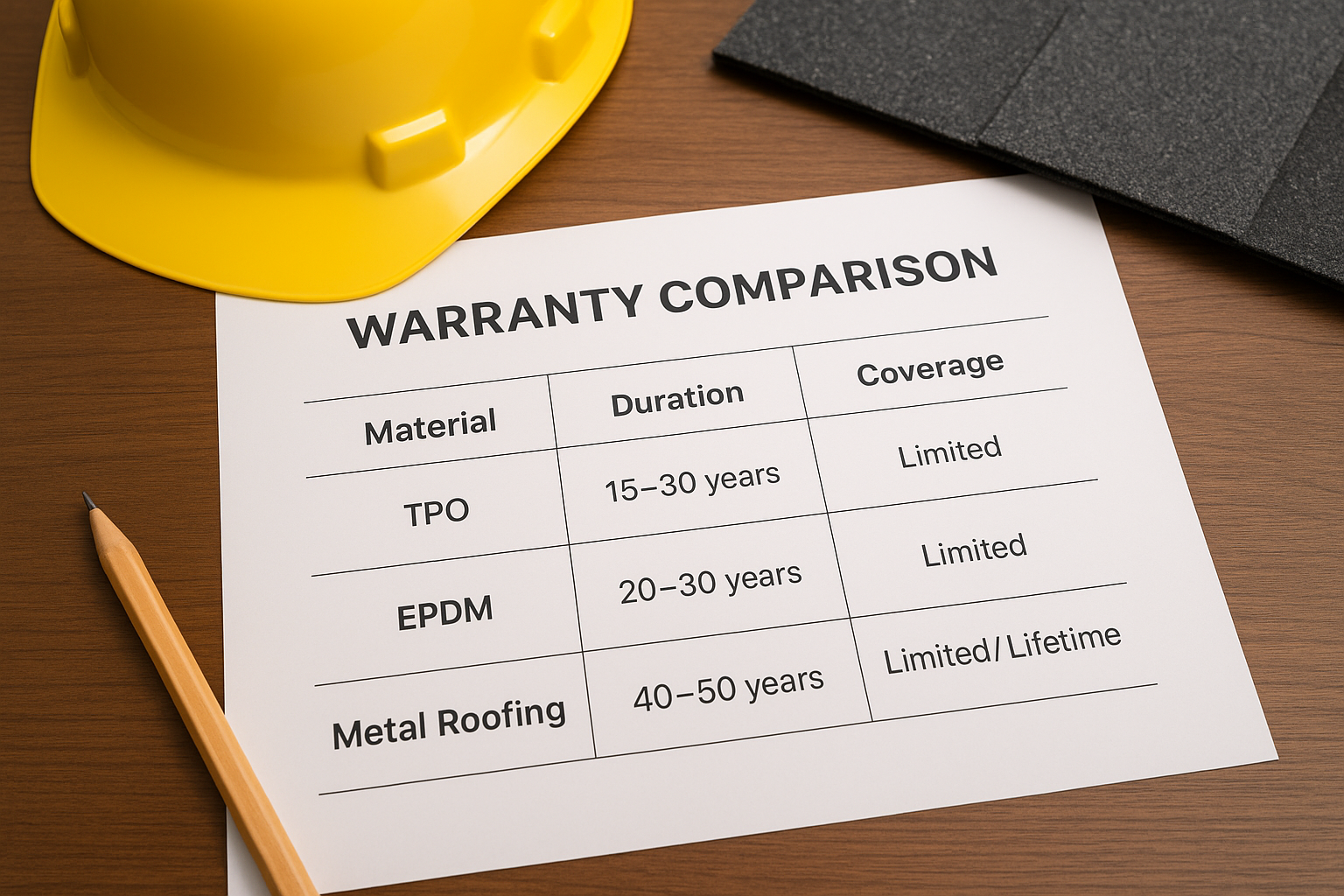
Yes, warranties can vary based on the roofing material. For example, TPO, EPDM, and metal roofs may have different warranty terms. It’s important to review the specific warranty information for the material you choose to understand coverage and limitations.
Can a warranty cover costs for roof leaks?
Depending on the warranty type, it can cover costs associated with leaks if they result from material defects or installation errors. However, leaks caused by external factors or lack of maintenance might not be covered. Understanding leak causes can help in evaluating warranty protection.
Conclusion
Understanding what warranties are typically offered on commercial roofing systems and installations is crucial for protecting your investment. Whether dealing with material, workmanship, or weather tightness warranties, being informed about the terms, limitations, and costs can lead to better decision-making and peace of mind. By carefully evaluating warranty options and selecting the right coverage, you can ensure the longevity and performance of your commercial roof in the dynamic climate of Southern California. For more information, visit our Roof Leak Repair Services.