Understanding the Risks: Consequences of Delaying Essential Commercial Roof Repairs
Delaying essential commercial roof repairs can have significant consequences, both financially and structurally. Understanding what are the consequences of delaying commercial roof repairs is crucial for business owners who want to maintain the integrity of their properties and avoid unexpected expenses. This article will explore the impacts of procrastination in roof maintenance and offer practical guidance on how to address these issues promptly.
Key Takeaways
- Delaying roof repairs can lead to increased damage and higher repair costs over time.
- Unaddressed roof leaks can result in structural damage, mold growth, and health hazards.
- Regular inspections and maintenance can prevent costly repairs and extend the life of your roof.
- Understanding the climate-specific challenges in Southern California can help in better roof management.
- Proactive measures and timely repairs protect both your property value and business operations.
The Financial Implications of Delaying Roof Repairs
Escalating Repair Costs
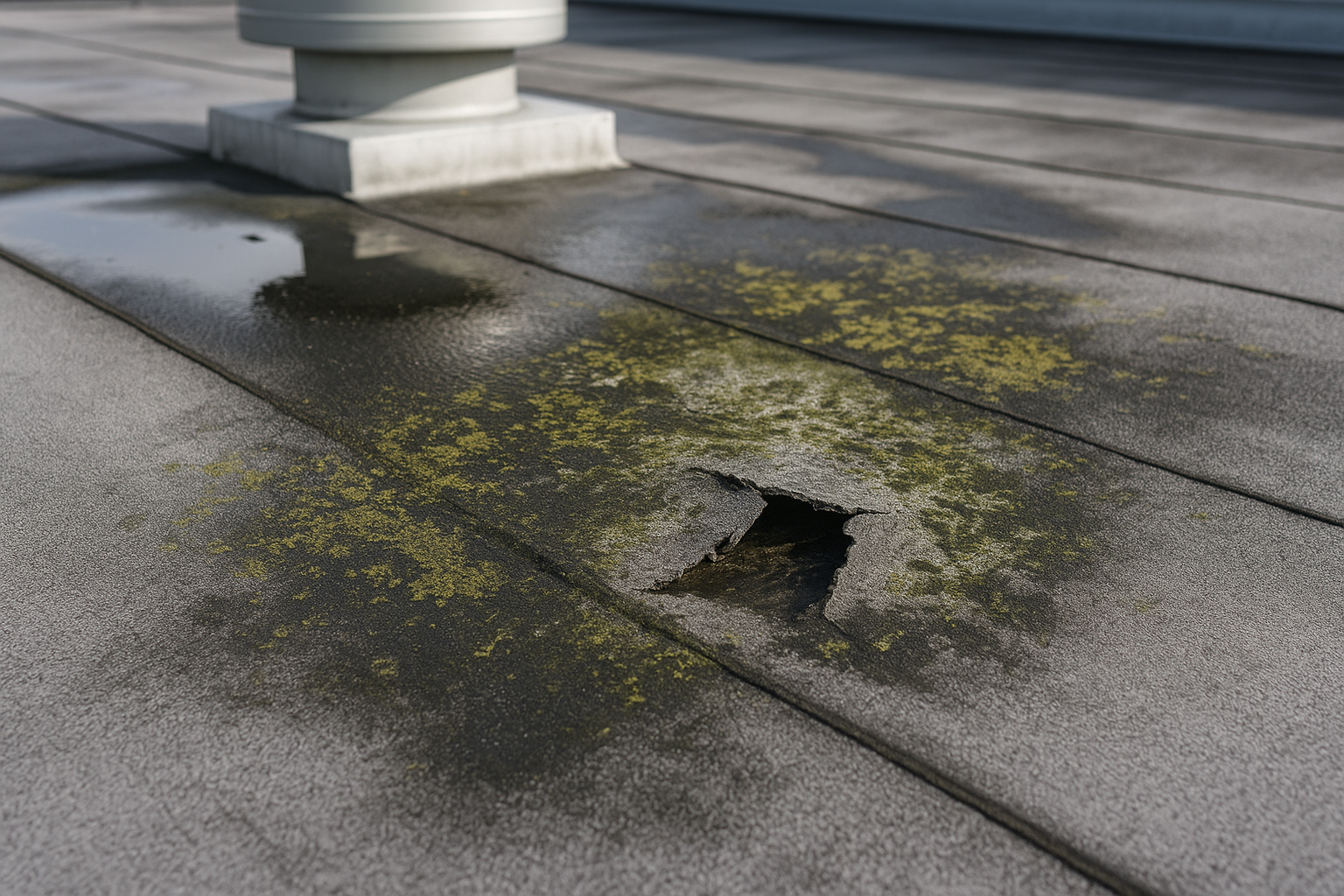
One of the most direct consequences of delaying commercial roof repairs is the potential for escalating repair costs. When minor issues are not addressed promptly, they can develop into significant problems that require more extensive and expensive solutions. For example, a small leak that could have been fixed for a few hundred dollars might turn into a full-scale renovation costing thousands if left untreated. In Southern California, where weather conditions can be unpredictable, timely repairs are essential to prevent further deterioration.
Impact on Property Value
A well-maintained roof is a key factor in preserving the value of a commercial property. Delaying repairs can lead to visible damage that detracts from your building’s appearance and may decrease its market value. Potential buyers or tenants may see a poorly maintained roof as a red flag, leading to reduced offers or extended vacancy periods. To maintain property value, it’s advisable to learn more about roof maintenance practices that prevent costly repairs.
Insurance and Warranty Considerations
Insurance companies and warranty providers often require regular maintenance and prompt repairs to maintain coverage. Delaying repairs might void warranties or lead to denied insurance claims, especially if the damage is deemed preventable. It’s important to understand building codes and insurance requirements to ensure compliance and protection for your property.
Structural and Health Risks of Neglected Roof Repairs
Structural Damage Risks
Neglecting roof repairs can lead to extensive structural damage. Water intrusion from leaks can compromise the integrity of the building’s framework, leading to rot, rust, and weakened structural components. Over time, this can cause significant safety hazards, requiring costly structural repairs. In Southern California, where fluctuations between dry and wet seasons are common, the impact of water damage can be particularly severe.
Health Hazards from Mold and Mildew
Moisture from roof leaks creates an ideal environment for mold and mildew growth. These fungi can spread rapidly, affecting indoor air quality and posing health risks to building occupants. Symptoms may include respiratory problems, allergies, and other health issues. Addressing leaks promptly reduces the risk of mold-related health hazards and complies with safety standards.
Operational Disruptions
Delays in repairing roof damage can lead to operational disruptions, particularly for businesses that rely on a safe and functional environment. Leaks can damage inventory, equipment, and interior spaces, leading to downtime and lost productivity. Understanding factors that lead to roofing leaks can help you anticipate and mitigate these disruptions.
Proactive Measures and Best Practices
Regular Inspections
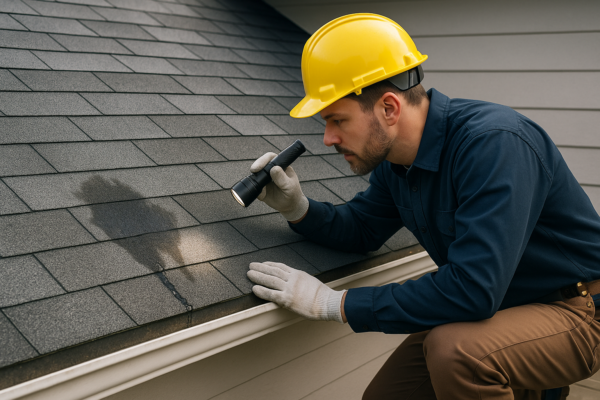
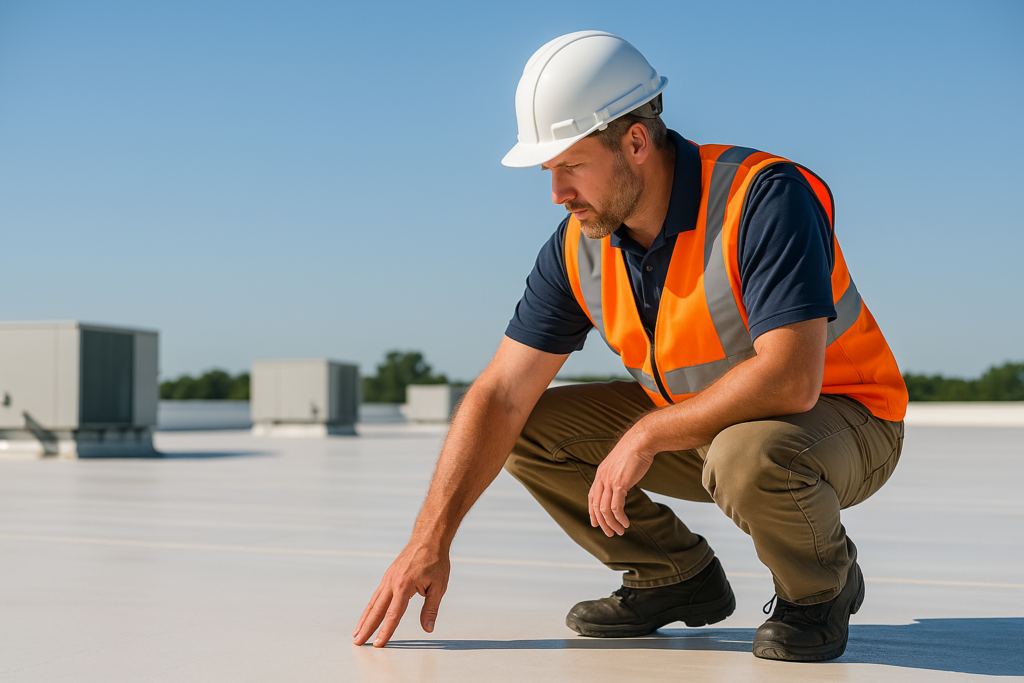
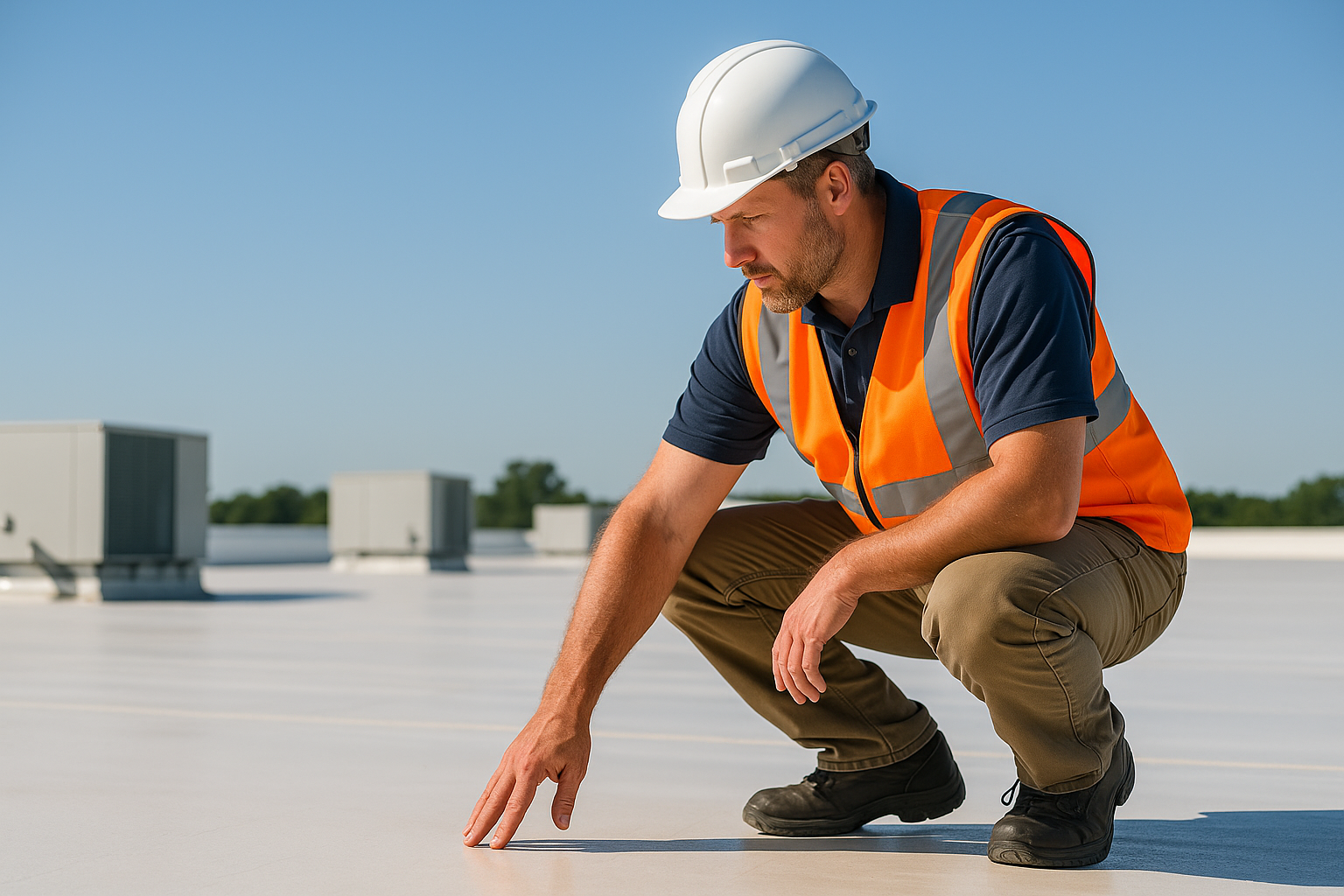
Regular roof inspections are a proactive measure that can prevent the escalation of minor issues. Inspections help identify potential problems before they become severe, allowing for timely intervention. It’s recommended to schedule inspections at least twice a year, particularly before and after the rainy season in Southern California. For detailed guidance, explore inspection requirements for commercial roofing.

Maintenance and Repairs
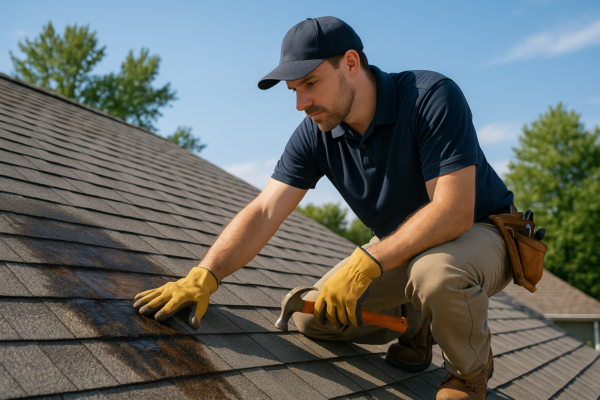
A comprehensive maintenance plan includes regular cleaning, gutter clearing, and addressing minor issues as they arise. Consistent upkeep extends the lifespan of your roof and reduces the likelihood of major repairs. Familiarize yourself with preventive maintenance practices that are effective for commercial properties.
Choosing the Right Roofing Material
Selecting the appropriate roofing material can significantly influence the longevity and durability of your roof. Consider factors such as climate, building structure, and budget when choosing materials. For instance, metal roofing offers durability and energy efficiency, making it a popular choice in Southern California. Learn about the benefits of metal roofing for commercial properties.
| Repair Type | Cost Range | Potential Consequences of Delay |
|---|---|---|
| Minor Leak Repair | $200 – $500 | Escalation to major water damage |
| Gutter Replacement | $1,000 – $2,500 | Foundation damage due to poor drainage |
| Full Roof Replacement | $5,000 – $20,000 | Increased costs and potential building closure |
Frequently Asked Questions
What are the signs that my commercial roof needs immediate repair?
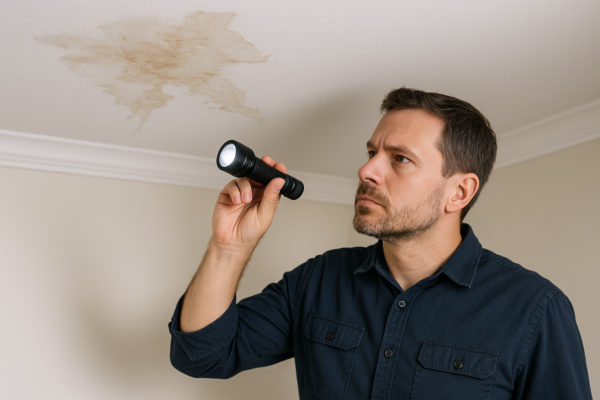
Visible water stains, mold growth, sagging areas, and increased energy bills are signs that your roof may require immediate attention. Regular inspections can help detect these issues early.
How often should I have my commercial roof inspected?
It’s recommended to conduct inspections at least twice a year, ideally in the spring and fall. Additional inspections may be necessary after severe weather events.
Can delayed roof repairs affect my building’s insurance coverage?
Yes, delaying repairs can lead to denied insurance claims if the damage is considered preventable. Regular maintenance helps ensure compliance with insurance requirements.
Conclusion
Understanding what are the consequences of delaying commercial roof repairs highlights the importance of timely maintenance and proactive management. By addressing issues promptly, you can protect your property, maintain its value, and ensure a safe and healthy environment for occupants. For comprehensive roof management, consider consulting with experts and exploring commercial roofing services.