How Energy-Efficient Roofing Cuts Your Energy Bills
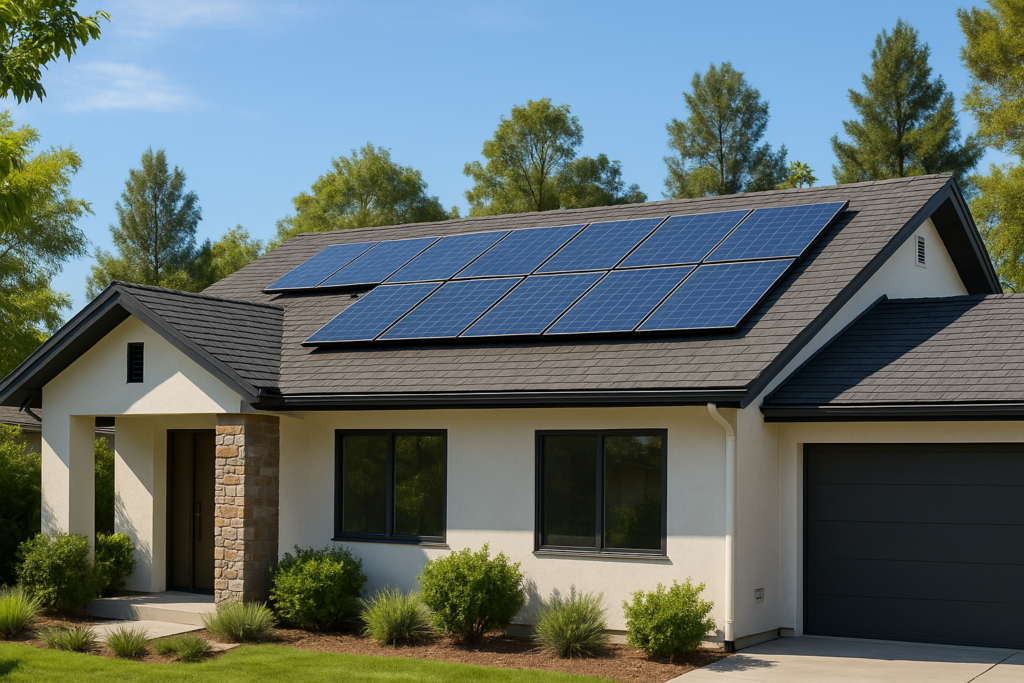
Living in California, where temperatures can soar during the summer, finding effective ways to lower your energy expenses is crucial. One of the most effective strategies is to understand how to reduce energy costs with roofing. By investing in energy-efficient roofing solutions, you can significantly decrease your utility bills while enhancing the comfort of your home. This guide will walk you through the various types of energy-efficient roofing and how they can benefit you.
Key Takeaways
- Energy-efficient roofing can significantly reduce your energy costs, especially in sunny climates like Southern California.
- Various roofing materials, such as metal and cool roofs, offer different benefits and cost savings.
- Proper insulation and maintenance are crucial for maximizing the energy efficiency of your roof.
- Investing in energy-efficient roofing can also increase your home’s value and qualify you for certain tax credits.
Understanding Energy-Efficient Roofing Options
Cool Roofing: Reflecting Heat Away
Cool roofing materials are designed to reflect more sunlight and absorb less heat than standard roofs. This can be particularly beneficial in regions like Southern California, where the sun can be intense. Cool roofs can be made from a variety of materials, including reflective tiles and shingles.
Studies have shown that cool roofs can lower roof temperatures by up to 50°F, reducing air conditioning needs by 10-15% during peak summer months. This reduction in energy usage not only decreases your bills but also lessens the strain on your HVAC systems, extending their lifespan.
For commercial buildings, energy-efficient flat roofing systems are particularly advantageous. They offer a large reflective surface that can further enhance energy savings.
Metal Roofing: Durable and Energy-Saving
Metal roofing is another excellent option for those looking to understand how to reduce energy costs with roofing. Metal roofs are highly durable and can last over 50 years with proper maintenance. They reflect solar radiant heat, which can reduce cooling costs by 10-25%. This makes them a popular choice for both residential and commercial properties.
In addition to their energy-saving properties, metal roofs are environmentally friendly, often made from recycled materials, and are 100% recyclable at the end of their life. Explore the energy efficiency benefits of metal roofing to see how they can contribute to a more sustainable building.
Moreover, metal roofs are available in various colors and styles, allowing homeowners to choose options that suit their aesthetic preferences while maximizing energy efficiency.
Green Roofs: Nature’s Cooling Effect
Green roofs, or living roofs, involve growing vegetation on the rooftop, which provides natural insulation and reduces heat absorption. This innovative approach can lower roof surface temperatures significantly, thus decreasing the need for air conditioning.
Green roofs are particularly beneficial in urban areas where heat islands are common. They not only help in reducing energy costs but also improve air quality and contribute to urban biodiversity. To learn more about transforming your space with green roofing, check out green roofing solutions for businesses.
While the initial installation cost of a green roof can be higher than traditional roofs, the long-term savings and environmental benefits can make it a worthwhile investment.
Maximizing Energy Efficiency Through Roof Maintenance
Importance of Regular Inspections
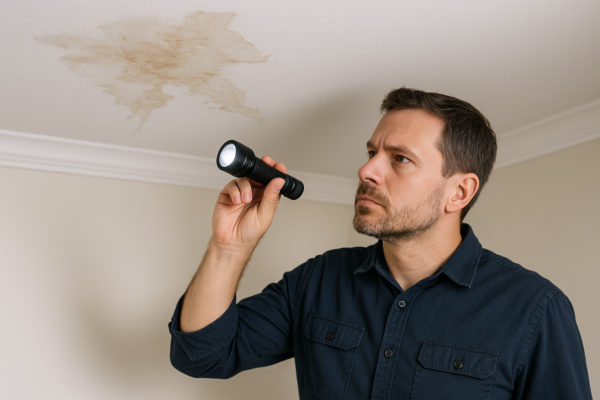
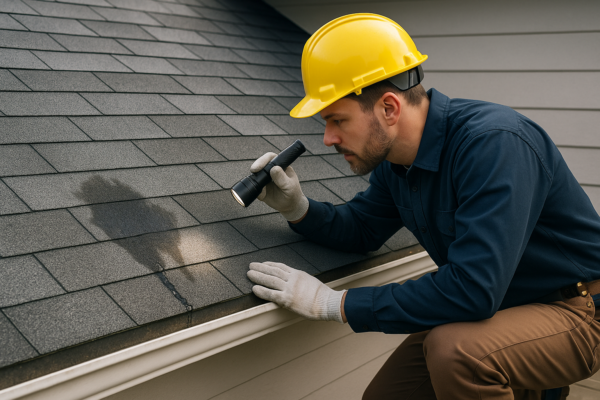
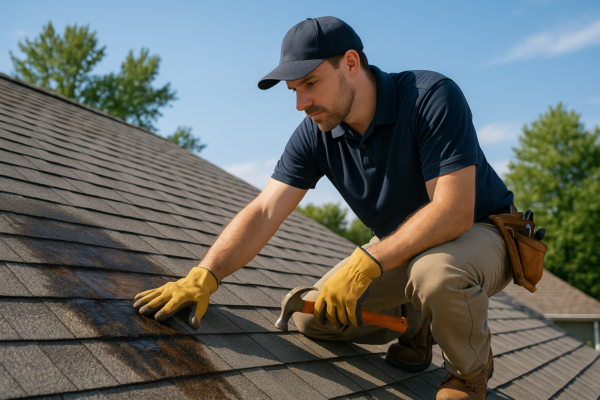
Maintaining the energy efficiency of your roof requires regular inspections to identify and address any potential issues. Regular inspections can help detect small problems before they escalate into costly repairs. Roof leak repair is essential to prevent energy loss through unwanted air and water infiltration.
Inspections should be conducted at least twice a year and after any major weather event. This proactive approach will ensure that your roof remains in optimal condition, thus maintaining its energy efficiency.
Consider scheduling professional inspections with experts who can provide detailed assessments and recommend necessary maintenance tasks to keep your roof performing at its best.

Enhancing Insulation for Greater Savings
Proper insulation is critical to maximizing the energy efficiency of your roof. Insulation helps maintain a consistent indoor temperature by preventing heat transfer between your home and the outside environment. This is especially important in areas like Southern California, where temperature fluctuations can be significant.
By upgrading your roof’s insulation, you can reduce your heating and cooling costs significantly. Insulation materials such as spray foam, fiberglass, and cellulose are popular choices due to their effectiveness and affordability. To explore more about the best energy-saving roofing materials, visit energy-saving roofing materials for your home.
Additionally, proper insulation contributes to a quieter home, as it also acts as a sound barrier, which is an added benefit for homes in busy urban areas.
Implementing Reflective Coatings
Applying reflective coatings to your existing roof can enhance its ability to reflect sunlight and reduce heat absorption. These coatings are especially useful for older roofs that may not have been designed with energy efficiency in mind.
Reflective coatings can be applied to various roofing materials, including asphalt, metal, and single-ply membranes. By doing so, you can extend your roof’s lifespan and improve its overall energy performance. For businesses considering this option, reviewing commercial roofing energy-efficient options can provide valuable insights.
Keep in mind that while reflective coatings can offer significant benefits, they should be applied by professionals to ensure proper coverage and effectiveness.
Comparing Roofing Materials for Energy Efficiency
Cost and Efficiency Comparison
When selecting a roofing material, it’s essential to consider both the initial cost and the potential energy savings. Here’s a comparison of common energy-efficient roofing materials:
| Material | Average Cost (per sq ft) | Energy Savings Potential |
|---|---|---|
| Cool Roof Tiles | $10 – $14 | 15-20% reduction in cooling costs |
| Metal Roofing | $7 – $12 | 10-25% reduction in cooling costs |
| Green Roofs | $15 – $30 | 20-30% reduction in cooling and heating costs |
| Reflective Coatings | $1 – $3 | 5-10% reduction in cooling costs |
While the upfront costs of these materials vary, each offers substantial long-term savings through reduced energy consumption. It’s important to weigh these factors based on your budget and energy-saving goals.
Tax Credits and Incentives
Investing in energy-efficient roofing can also qualify you for various tax credits and incentives, making the financial aspect even more attractive. The federal government and many states offer tax credits for energy-efficient home improvements, including roofing.
For business owners, these incentives can significantly offset the initial investment. Visit commercial roofing energy tax credits to explore how you can maximize your savings through available programs.
These incentives are designed to encourage homeowners and businesses to adopt more sustainable practices, contributing to overall energy conservation efforts.
Choosing the Right Material for Your Needs
The best roofing material for your home or business will depend on several factors, including your budget, aesthetic preferences, and specific energy-saving objectives. Consulting with roofing professionals can provide you with tailored advice and recommendations.
Consider the local climate and specific challenges your property faces. For example, in Southern California, the ability to reflect solar heat is particularly valuable. To explore how different roofing types can meet your needs, check out understanding different commercial roofing types.
Ultimately, the right choice will balance cost, durability, and energy efficiency, providing you with a solution that meets both your immediate and long-term needs.
Frequently Asked Questions
How much can I save on energy bills with an energy-efficient roof?
The amount you can save will vary depending on the type of energy-efficient roofing you choose and your local climate. On average, homeowners can expect to see a 10-30% reduction in energy costs. For commercial properties, savings can be even more significant depending on the size and design of the building.
Are there any downsides to installing a green roof?
While green roofs offer numerous benefits, such as improved insulation and reduced heat absorption, they do require more maintenance than traditional roofs. Additionally, the initial installation cost is higher. However, the long-term savings and environmental benefits often outweigh these concerns.
Can I retrofit my existing roof to make it more energy-efficient?
Yes, many existing roofs can be retrofitted with energy-efficient features such as reflective coatings or additional insulation. These upgrades can significantly enhance the energy performance of your roof without the need for a complete replacement.
What is the lifespan of energy-efficient roofing materials?
The lifespan of energy-efficient roofing materials varies. Metal roofs can last 40-70 years, while cool roofs typically last 20-30 years. Green roofs can also have long lifespans with proper maintenance. Regular inspections and upkeep are crucial for maximizing the longevity of any roofing system.
Conclusion
Investing in energy-efficient roofing is a smart decision for anyone looking to understand how to reduce energy costs with roofing. By selecting the right materials and maintaining your roof properly, you can enjoy substantial savings on your energy bills while also increasing the value of your property. Consider consulting with experts to explore the best options for your specific needs, and take advantage of available tax credits and incentives to make the most of your investment. For comprehensive commercial roofing solutions, explore Roof Titan’s offerings to ensure your roof is both efficient and durable.