Transform Your Business With Green Roofing Solutions
In today’s environmentally conscious world, integrating green roofing solutions for businesses is not just a trend, but a smart investment. From reducing energy costs to enhancing the aesthetic appeal of your commercial property, green roofing can significantly transform your business. In the San Gabriel Valley, where the climate demands efficient energy solutions, adopting green roofing technologies can provide substantial benefits.
Key Takeaways
- Green roofing solutions offer both environmental and financial benefits for businesses.
- They help in reducing energy costs by improving insulation and reflecting heat.
- Green roofs can enhance property value and aesthetic appeal.
- Different types of green roofing systems are available, suitable for different business needs.
- Proper maintenance and choice of materials are crucial for long-term performance.
Understanding Green Roofing Solutions
What Are Green Roofing Solutions?
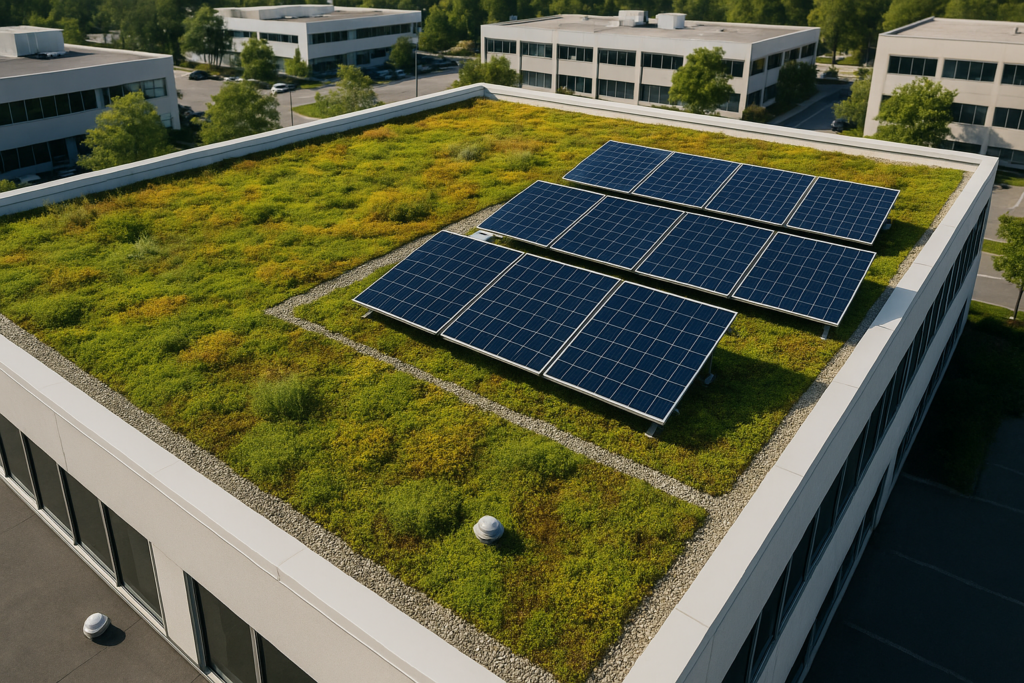
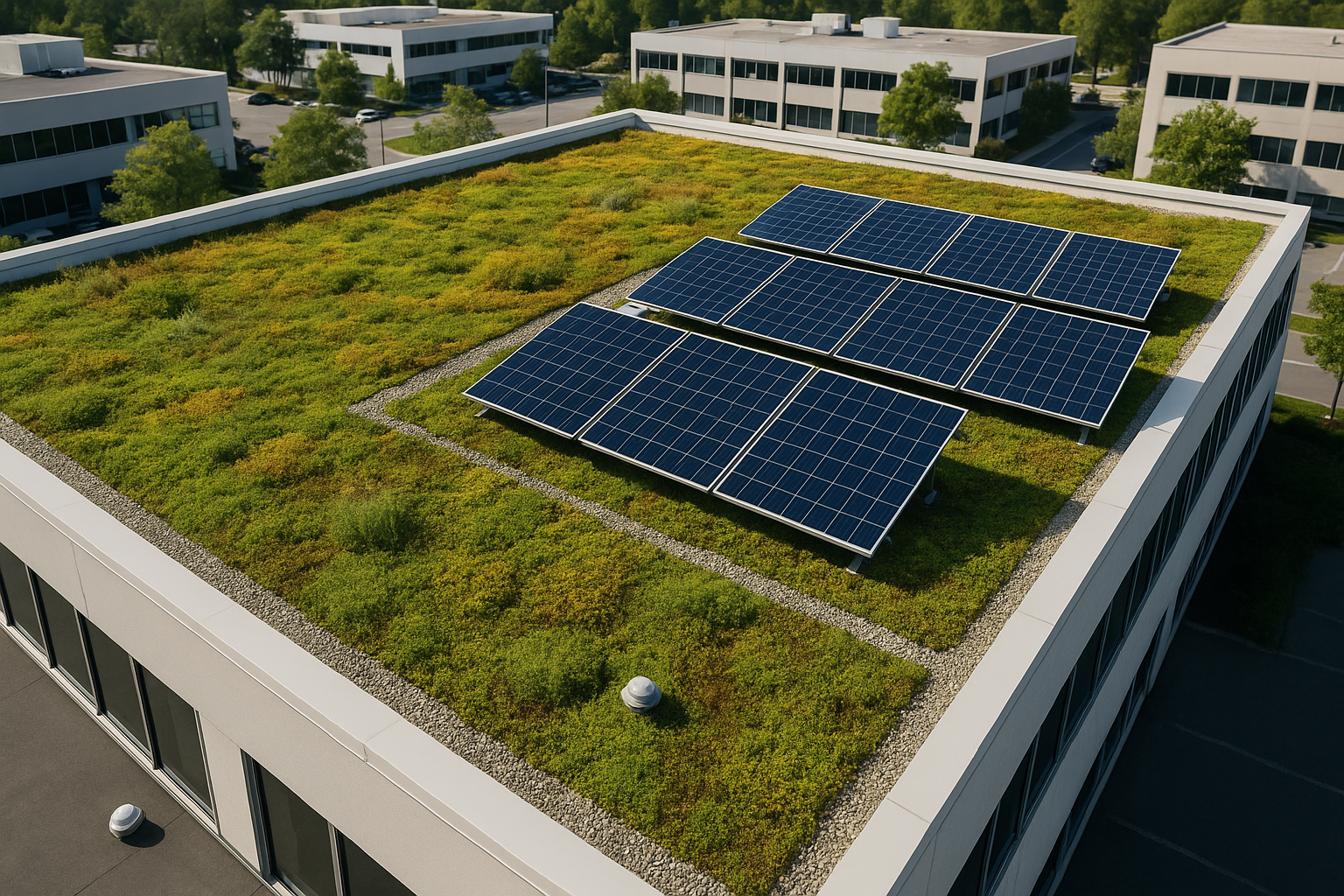
Green roofing solutions for businesses involve the installation of eco-friendly roofing systems that incorporate vegetation, sustainable materials, and sometimes solar panels. These roofs are designed to be energy-efficient and environmentally sustainable, reducing the building’s carbon footprint. By investing in green roofing, businesses can also benefit from improved insulation, leading to lower heating and cooling costs.
In Southern California, where temperatures can rise significantly, green roofs provide a natural cooling effect. They absorb less heat compared to traditional roofing materials, which can help in maintaining a stable indoor temperature. This is particularly beneficial for businesses looking to save on energy costs.
Benefits of Green Roofing for Businesses
One of the primary advantages of implementing green roofing solutions is the potential for energy savings. According to studies, a well-designed green roof can reduce air conditioning needs by up to 25% during hot months, which is considerable for businesses operating in warmer climates like California. Additionally, green roofs can help manage stormwater runoff and improve air quality by filtering pollutants.
Moreover, green roofs can enhance the aesthetic appeal of your building, potentially increasing property value. Many businesses have leveraged green roofs to create attractive outdoor spaces for employees and clients, adding value beyond the purely functional benefits.
For businesses considering a shift to green roofing, it’s crucial to understand the eco-friendly options available and how they can be tailored to specific needs and budgets.
Types of Green Roofing Systems
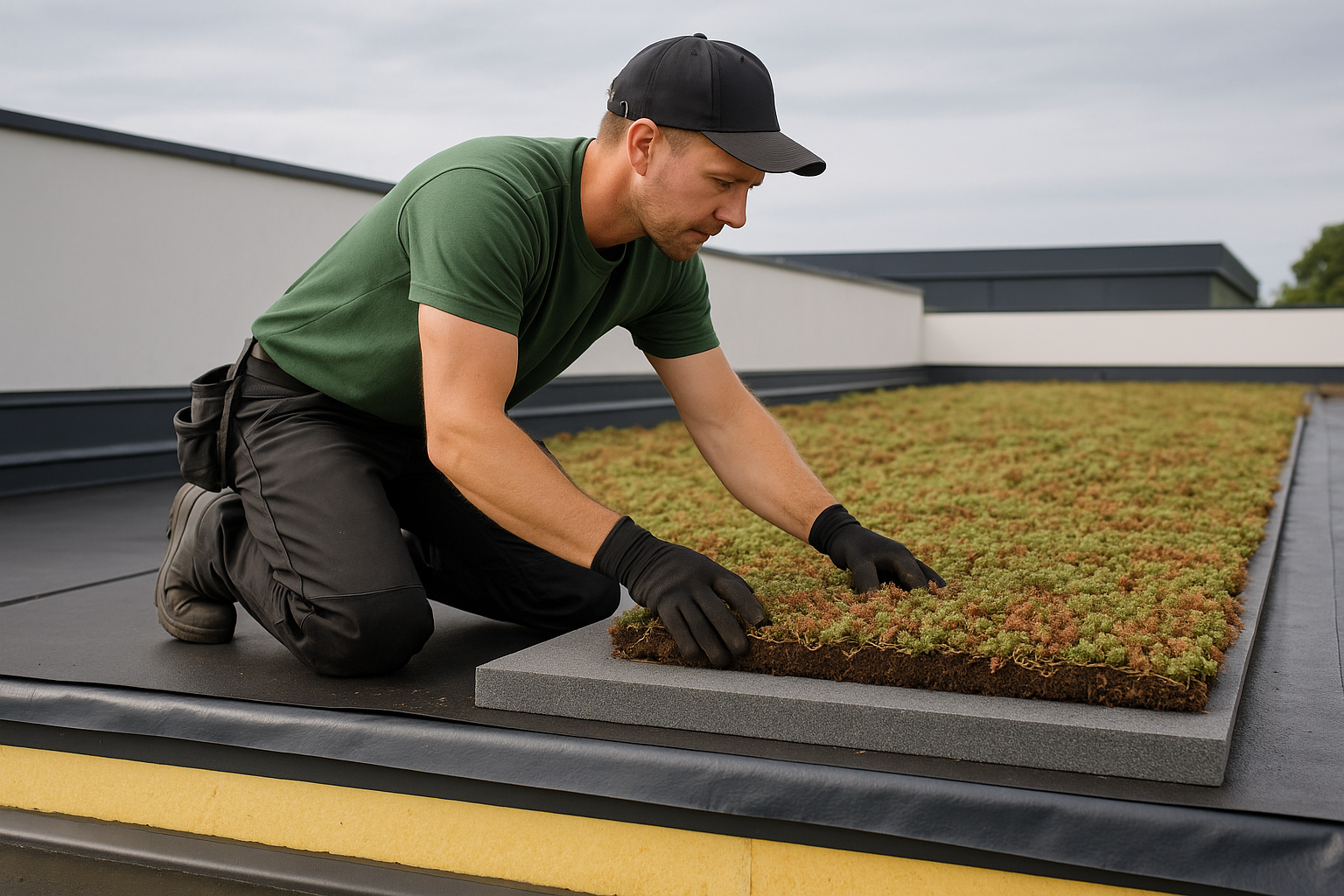
There are several types of green roofing systems, each suited to different business needs and budgets. The two primary categories are extensive and intensive green roofs. Extensive roofs are lightweight and require minimal maintenance, making them ideal for existing buildings. Intensive roofs, on the other hand, are heavier and can support a wide variety of plant species but require more maintenance and structural support.
Another option is the integration of TPO roofing systems with vegetation, which combines the benefits of thermoplastic materials with greenery. This can offer enhanced durability and energy efficiency.
For businesses in the San Gabriel Valley, it’s essential to consult with a professional to determine which type of green roof is best suited for your building’s structure and your environmental goals.
Comparing Green Roofing Materials
Choosing the Right Materials
The choice of materials is critical when considering green roofing solutions for businesses. Different materials offer varying levels of insulation, durability, and cost-effectiveness. Here is a comparison of some popular materials:
| Material | Insulation Value | Cost per Square Foot |
|---|---|---|
| EPDM Rubber | Moderate | $4-$8 |
| Thermoplastic (TPO) | High | $5-$10 |
| Vegetative Mats | Variable | $10-$20 |
| Metal Panels | Low | $7-$12 |
It’s important to weigh the benefits of each material against your specific needs and budget. For instance, while vegetative mats offer high environmental benefits, they may be more costly upfront. Conversely, TPO provides excellent insulation and is cost-effective.
Climate Considerations
In the Southern California climate, the choice of roofing material can significantly impact a business’s energy savings. For instance, materials that reflect sunlight and heat can reduce cooling costs substantially. TPO and other reflective materials are particularly beneficial for commercial buildings in sunny areas.
Additionally, the selection of plants for green roofs should consider the local climate. Drought-resistant species are ideal for regions prone to dry spells, ensuring the sustainability of the roof without excessive irrigation.
Businesses should consult with experts to ensure that their green roof design is optimized for the local climate, maximizing energy savings and environmental benefits.
Installation and Maintenance Tips
Proper installation and maintenance are crucial for the longevity and effectiveness of green roofing solutions for businesses. Here are some practical tips to ensure your green roof performs optimally:
- Engage a professional roofing contractor with experience in green roofs.
- Regularly inspect the roof for signs of damage or wear, especially after extreme weather conditions.
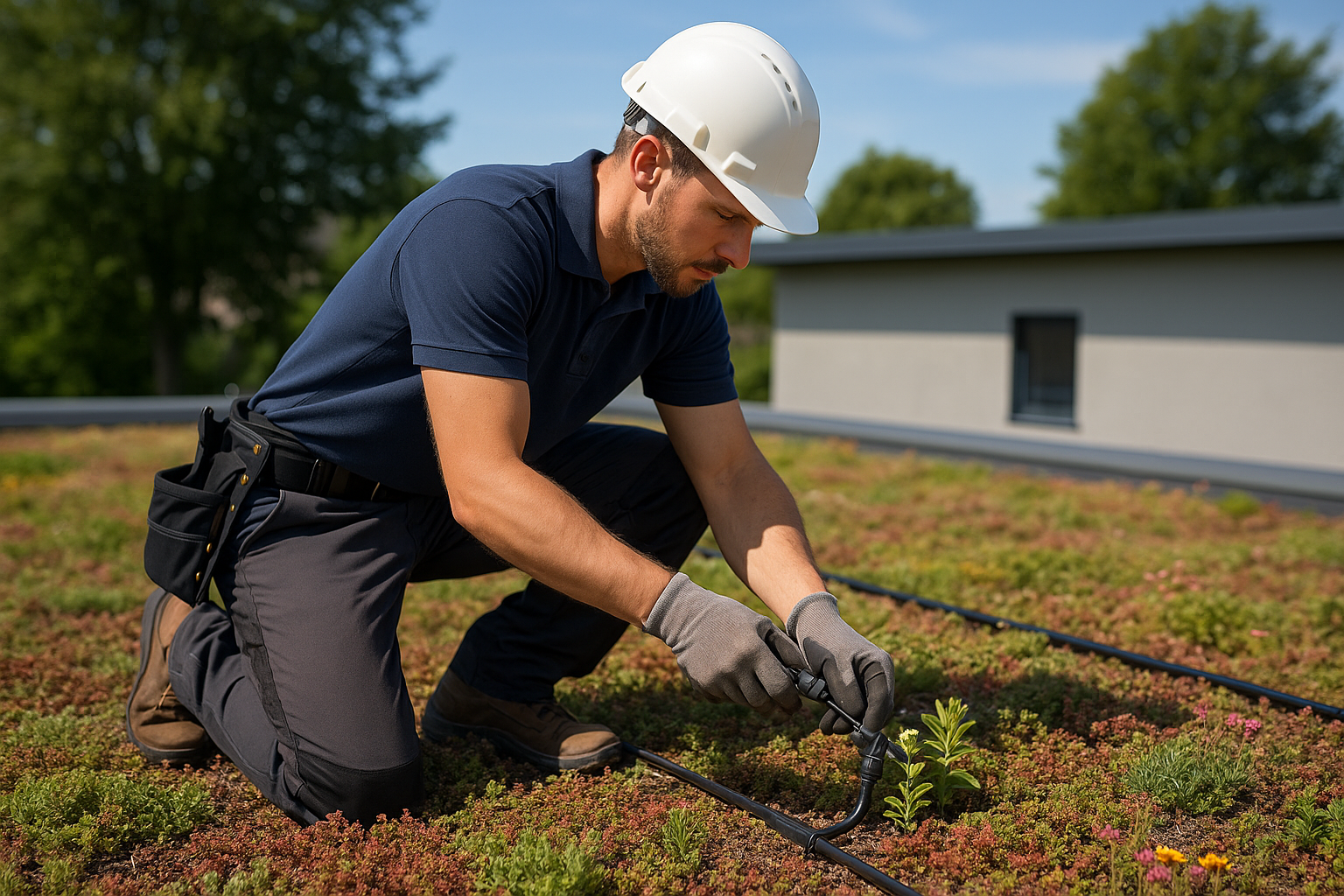
- Implement a maintenance plan that includes regular watering (if necessary), weeding, and checking drainage systems.
- Consider seasonal inspections to prepare for changes in weather conditions.
Proper maintenance not only extends the life of the roof but also enhances its performance, ensuring you get the maximum return on your investment.
Frequently Asked Questions
How much does a green roof cost?
The cost of a green roof can vary widely depending on the type and materials used. Extensive green roofs typically range from $10 to $20 per square foot, while intensive systems can cost upwards of $25 per square foot. These costs include installation and initial setup but do not cover ongoing maintenance.
What are the main benefits of green roofing solutions?
Green roofing solutions offer numerous benefits, including reduced energy costs, improved building insulation, enhanced aesthetic appeal, and increased property value. They also contribute to better air quality and reduced stormwater runoff, making them an environmentally friendly choice.
Can any building support a green roof?
Not all buildings are suitable for green roofs due to weight and structural considerations. It’s important to conduct a structural assessment to determine if your building can support the additional load. Consulting with a professional roofing contractor is essential before proceeding with installation.
Are there tax incentives for installing green roofs?
Many regions offer tax incentives or rebates for installing energy-efficient and environmentally friendly roofing solutions. These incentives can help offset the initial cost of installation. It’s advisable to check with local government agencies or a professional roofing consultant to understand the available options.
Conclusion
Investing in green roofing solutions for businesses is a strategic decision that can lead to significant energy savings, environmental benefits, and aesthetic enhancements. With the right materials and expert installation, businesses in the San Gabriel Valley can transform their rooftops into valuable assets. For more information on green roofing and other energy-efficient options, visit our commercial roofing page or explore our comprehensive guides on energy-efficient flat roofing options and flat roof waterproofing solutions.