Understanding Energy-Efficient Flat Roofing Systems Benefits
In the realm of commercial and industrial buildings, **energy-efficient flat roofing systems** play a crucial role in reducing energy costs and enhancing sustainability. Particularly in Southern California’s warm climate, having the right roofing solution can significantly impact your building’s energy efficiency. This comprehensive guide will explore the benefits of **energy-efficient flat roofing systems**, compare options, and help you make informed decisions that could lead to substantial savings.
Key Takeaways
- Energy-efficient flat roofing systems can reduce cooling costs by up to 30% in warm climates.
- Options like TPO, EPDM, and green roofs offer various benefits and installation costs.
- Proper maintenance is essential to maximize the lifespan and efficiency of your roofing system.
- Consulting a professional can provide tailored advice and ensure optimal installation.
Types of Energy-Efficient Flat Roofing Systems
TPO (Thermoplastic Olefin) Roofing
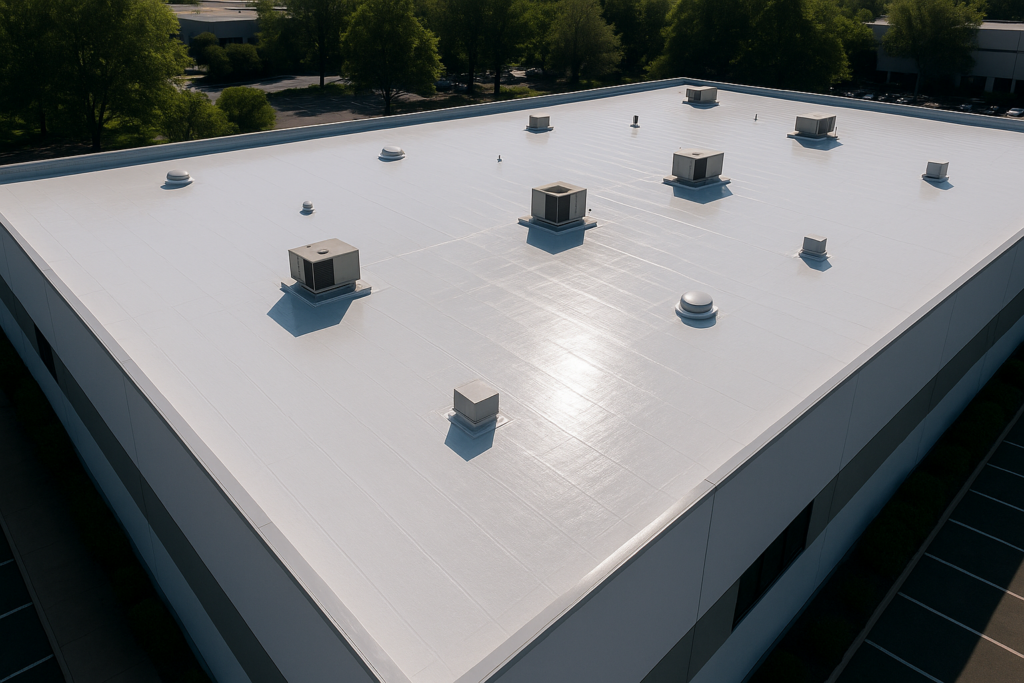
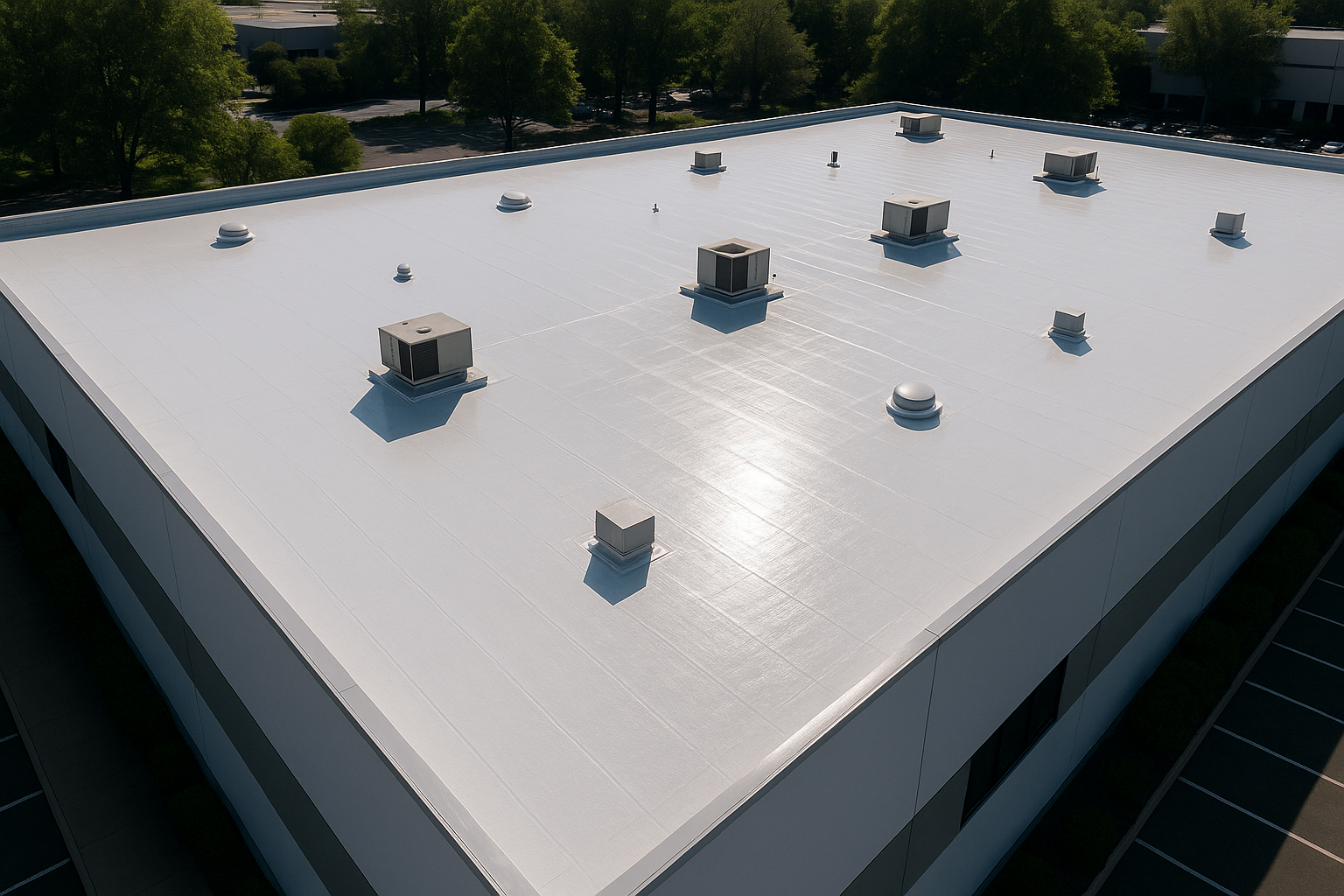
TPO roofing is one of the most popular choices for commercial buildings due to its heat-reflective properties and durability. This roofing system is made from a single-ply membrane that is highly resistant to UV rays, chemical exposure, and punctures. In Southern California, where the sun shines intensely for most of the year, TPO’s reflective surface can significantly reduce your building’s cooling costs.
Installation costs for TPO roofing can range from $5.50 to $9.50 per square foot, depending on the complexity of the roof structure and the quality of the material. While the initial investment might seem high, the energy savings and long lifespan of 15-20 years make it a cost-effective option.
For more details on compatible materials, you can explore best energy-saving roofing materials that complement TPO systems. Additionally, you might consider flat roof waterproofing solutions to enhance durability.
EPDM (Ethylene Propylene Diene Monomer) Roofing
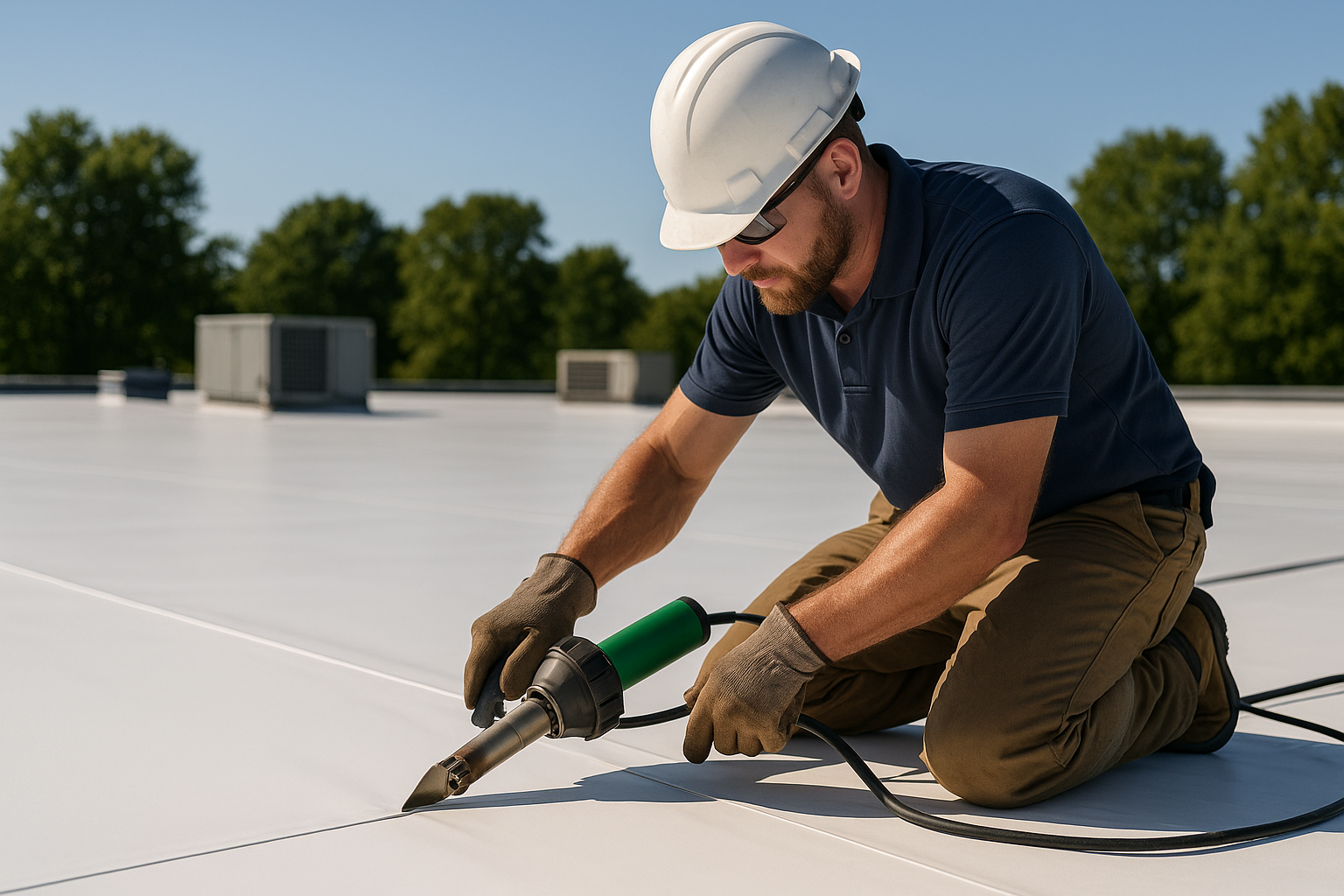
EPDM is another popular flat roofing material known for its durability and affordability. This synthetic rubber roof membrane offers excellent resistance to weathering and thermal shock, making it suitable for the temperature fluctuations in Southern California. EPDM roofs typically last 20-25 years with proper maintenance.
The cost of installing an EPDM roof generally falls between $4.00 and $8.00 per square foot. Its black surface helps to absorb heat, which can be beneficial in cooler climates. However, in warmer regions like Southern California, opting for a white or light-colored EPDM can enhance its energy efficiency.
For businesses looking to balance cost and durability, EPDM is a viable option. Discover more about cost-effective flat roofing materials to compare other budget-friendly choices.
Green Roofing Systems
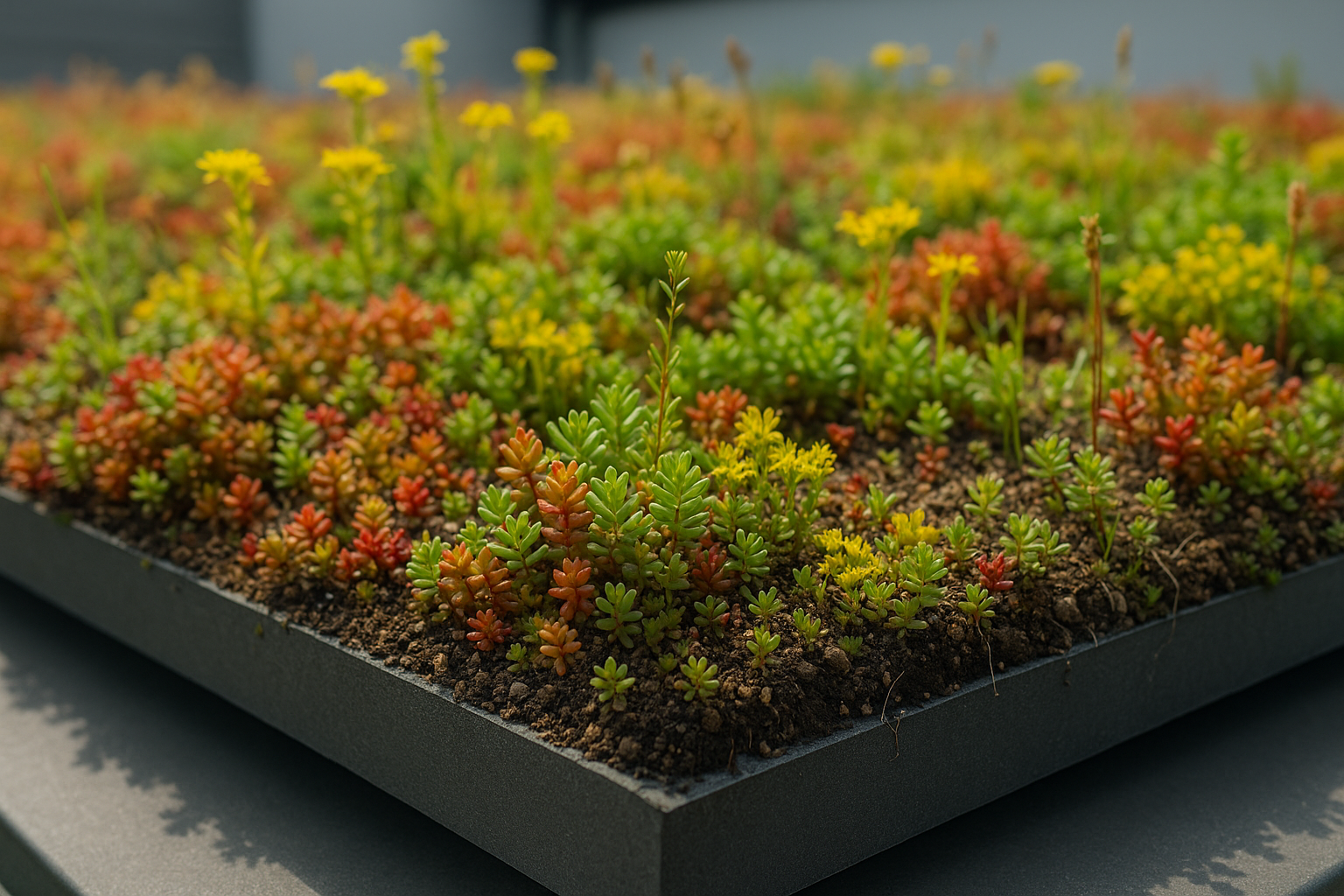
Green roofs, or living roofs, are a sustainable choice that involves growing vegetation on the roof surface. These roofs not only improve insulation and energy efficiency but also enhance biodiversity and air quality. In urban areas, green roofs can help mitigate the heat island effect, making them an excellent choice for environmentally conscious businesses.
The cost of installing a green roof ranges widely, from $10 to $30 per square foot, depending on the depth of the growing medium and the type of vegetation used. Although the initial cost is higher, green roofs offer significant long-term savings in energy bills and provide a unique aesthetic appeal.
Explore the energy-efficient commercial roofing options to find the best fit for your business needs.
Comparing Energy-Efficient Flat Roofing Options
Cost and Performance Comparison
When choosing an **energy-efficient flat roofing system**, it’s important to weigh both cost and performance. Here’s a comparison table to help you evaluate your options:
| Roofing System | Average Cost per Sq Ft | Expected Lifespan |
|---|---|---|
| TPO | $5.50 – $9.50 | 15-20 years |
| EPDM | $4.00 – $8.00 | 20-25 years |
| Green Roof | $10 – $30 | 30-50 years |
This table highlights how **energy-efficient flat roofing systems** can vary in cost and longevity. While TPO and EPDM offer lower initial costs, green roofs provide long-term benefits that can outweigh their higher upfront price.
Maintenance and Longevity
Proper maintenance is crucial to maximizing the efficiency and lifespan of any roofing system. Regular inspections and timely repairs can prevent minor issues from escalating into significant problems. For example, periodic roof leak inspections can help maintain the integrity of your roofing system. Check out the importance of commercial roofing maintenance to prolong your roof’s life.
Each roofing type has specific maintenance requirements. For TPO and EPDM, ensuring the seams and flashing are intact can prevent leaks and extend the roof’s lifespan. Green roofs require more attention, including regular watering and plant care, but they offer enhanced insulation and environmental benefits.
Environmental Impact
In addition to energy savings, **energy-efficient flat roofing systems** contribute to reducing the environmental footprint of buildings. TPO and white EPDM roofs are particularly effective in reflecting solar heat, thereby reducing the urban heat island effect. Green roofs go a step further by providing natural habitats and improving air quality.
Choosing an environmentally friendly roofing system can also enhance your building’s LEED certification potential, which can be a significant advantage in today’s eco-conscious market. For more information on environmentally friendly options, visit energy-efficient commercial roofs with high insulation.
Making the Right Choice for Your Building
Factors to Consider
When selecting an **energy-efficient flat roofing system**, consider factors such as climate, budget, and building usage. Southern California’s weather conditions make heat reflection a priority, which is why TPO and white EPDM are often recommended. However, if sustainability and aesthetics are top priorities, a green roof might be the best option.
Budget considerations are crucial. While initial costs vary among roofing types, potential energy savings and maintenance expenses should also factor into your decision. Consulting with commercial flat roofing contractors near you can provide insights tailored to your specific needs.
Pros and Cons of Popular Systems
Here’s a quick rundown of the pros and cons of the most common **energy-efficient flat roofing systems**:
- TPO: Pros include heat reflection and durability. Cons are higher initial costs and potential seam issues.
- EPDM: Pros are affordability and long lifespan. Cons include less heat reflectivity unless white variants are used.
- Green Roof: Pros include sustainability and aesthetics. Cons are higher costs and more maintenance.
Review detailed guides like top flat roofing systems for industrial use for more nuanced insights.
Importance of Professional Consultation
Given the complexity and long-term nature of roofing investments, consulting with professionals is invaluable. They can provide expert advice on the most suitable **energy-efficient flat roofing systems** for your specific circumstances. A professional assessment can identify potential issues and ensure that your roof is installed to maximize its energy efficiency.
Professional guidance can also assist in navigating local regulations and obtaining necessary permits, which is crucial for green roofs and other specialized systems. To explore professional services, visit our commercial roofing page for more information.
Frequently Asked Questions
How do energy-efficient flat roofing systems save energy?
These systems save energy primarily through their reflective surfaces that reduce heat absorption, thereby decreasing the need for air conditioning. Materials like TPO and white EPDM are specifically designed to reflect solar radiation effectively.
What is the average lifespan of energy-efficient flat roofing systems?
The lifespan varies by material: TPO typically lasts 15-20 years, EPDM 20-25 years, and green roofs can last 30-50 years with proper maintenance. Regular inspections and timely repairs can further extend these lifespans.
Are there any government incentives for installing energy-efficient roofs?
Yes, there are often local, state, and federal incentives for installing energy-efficient roofing systems. These may include tax credits, rebates, or grants aimed at encouraging sustainable building practices. It’s advisable to consult with a local roofing expert or government agency for the most current information.
What maintenance do energy-efficient roofs require?
Maintenance requirements vary by system. TPO and EPDM roofs typically require regular inspections of seams and flashings, while green roofs need ongoing plant care. Ensuring proper drainage and addressing minor issues promptly can prevent costly repairs down the line.
Conclusion
Choosing the right **energy-efficient flat roofing systems** can lead to significant energy savings, increased building sustainability, and improved property value. By understanding the benefits and differences between TPO, EPDM, and green roofing options, you can make an informed decision that aligns with your financial and environmental goals. Remember, consulting with a professional can provide the tailored guidance necessary to optimize your roofing investment. For further insights, explore our commercial roofing services to ensure your roofing solution meets your specific needs.