Understanding Disruption: What to Expect During Your Commercial Roofing Project
When embarking on a **commercial roofing project**, it’s crucial to understand the potential disruptions to your business operations. Asking, “What should I expect during a commercial roofing project in terms of disruption?” is a common concern among business owners, especially in bustling areas like the San Gabriel Valley in California. This guide will help you anticipate and plan for these disruptions, ensuring a smooth and efficient roofing process.
Key Takeaways
- A commercial roofing project may disrupt business activities due to noise, accessibility issues, and safety concerns.
- Proper planning and communication with your roofing contractor can minimize disruptions and maintain business operations.
- Understanding the timeline and phases of the project can help you prepare effectively.
- Unexpected costs can arise, so it’s important to budget wisely and discuss all potential expenses with your contractor.
- Weather conditions in Southern California can impact project timelines, so flexibility is essential.
- Choosing the right roofing type for your business can reduce future maintenance and disruption.
The Nature and Scope of Disruption
Noise and Vibration
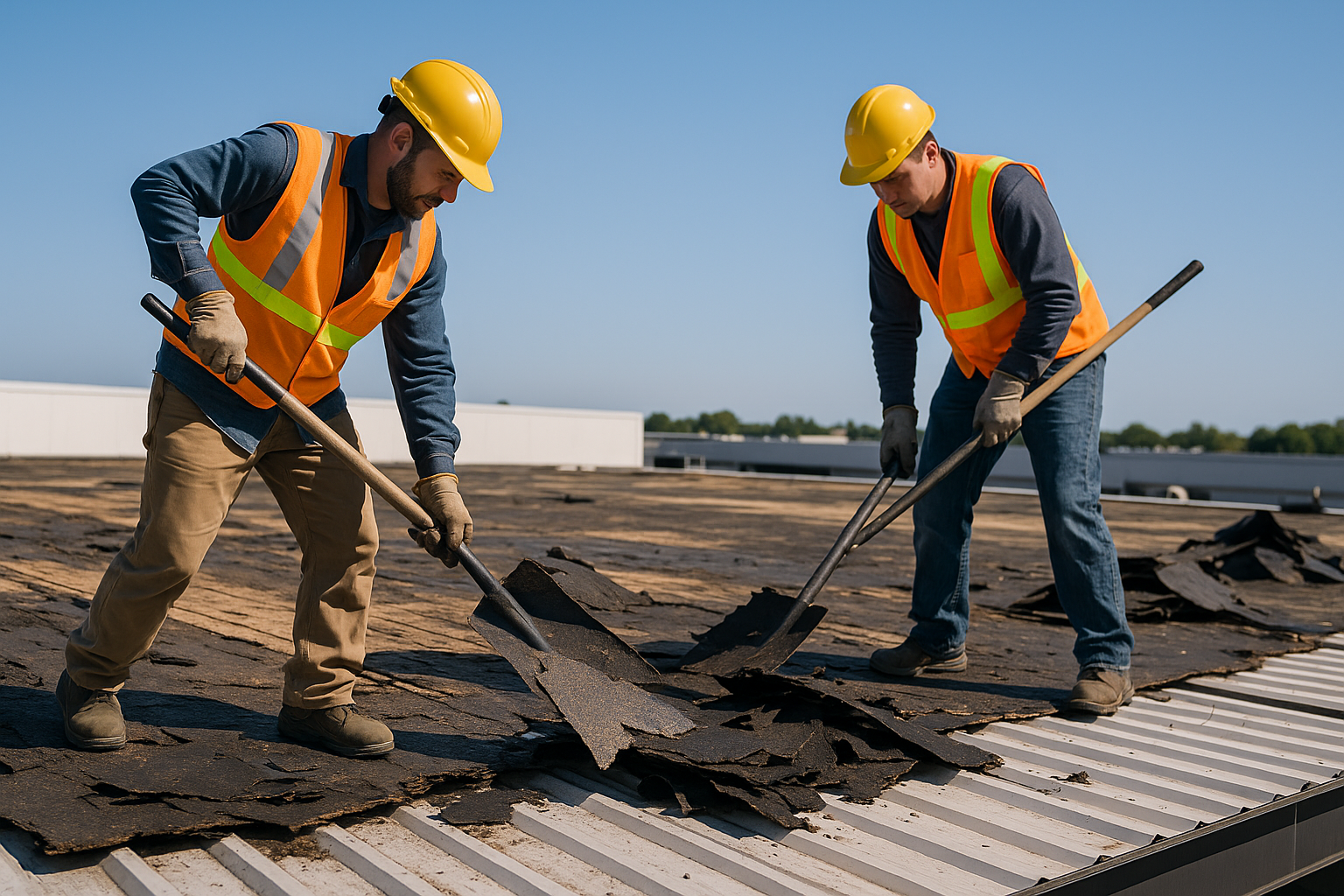
During a **commercial roofing project**, noise is an unavoidable factor. The use of heavy machinery, tools like nail guns, and the removal of old roofing materials can create significant noise levels. These sounds can disrupt daily operations, especially in environments like offices, schools, or healthcare facilities. **Vibrations** from the equipment can also affect sensitive equipment.
In order to mitigate these disruptions, it’s advisable to schedule high-noise activities during off-peak hours or non-business days. Communicating with your contractor about your operational schedule can help in planning the **roofing project** timeline effectively.
Access and Mobility
The presence of roofing materials and equipment can affect access to your business premises. Entrances might be temporarily blocked, and parking lots could be occupied by construction vehicles. This can inconvenience both employees and customers, potentially impacting your business’s foot traffic and operations.
It’s crucial to discuss access routes with your commercial roofing contractor beforehand. Providing alternative pathways and clear signage can help manage the flow of people and vehicles around your property. Learn more about how to manage disruptions by visiting our commercial roofing services page.
Safety Considerations
Safety is paramount during any **commercial roofing project**. The presence of construction workers, tools, and materials on-site can pose safety hazards. It’s essential to ensure that all safety protocols are followed and that employees and visitors are aware of any restricted areas or potential hazards.
Contractors typically outline safety measures in their project plan. Ensure these measures are communicated clearly to all affected parties. Having a safety officer or point of contact on-site can further enhance safety and facilitate communication between the contractor and your team.
Project Timeline and Planning
Understanding the Project Phases
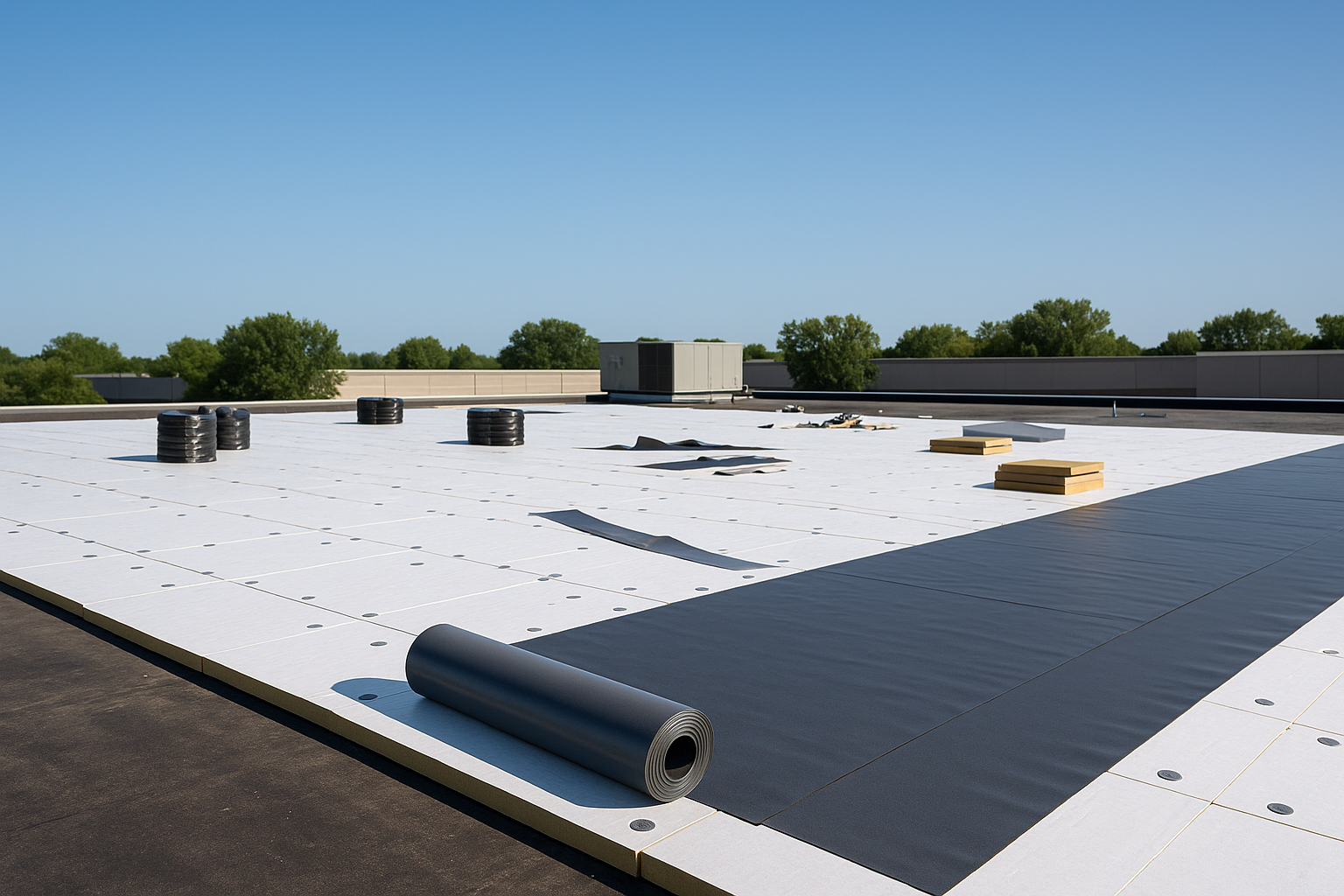
A **commercial roofing project** typically involves several phases, each with distinct disruption potentials. From initial inspections and design planning to material delivery and installation, each phase requires careful coordination. Understanding these phases can help you anticipate and prepare for disruptions effectively.
The timeline of a roofing project can vary significantly based on the scope and type of roof involved. For instance, installing a new metal roof might take longer compared to repairing an existing flat roof. To get a detailed understanding of the costs involved, explore our article on the average cost of commercial roofing.
Weather and Environmental Factors
Southern California’s climate, while generally mild, can still impact your **commercial roofing project**. Unexpected rain or high winds can delay construction, affecting your timeline. Roofing materials can also be sensitive to temperature fluctuations, which might necessitate adjustments in the project schedule.
Discuss weather contingencies with your contractor and build flexibility into your project timeline. This proactive approach can prevent delays from weather-related disruptions, ensuring your business operations continue with minimal impact.
Resource Allocation and Cost Management
Managing costs is a critical aspect of any **commercial roofing project**. Unexpected expenses can arise due to various factors, including material shortages or unforeseen structural issues. It’s important to have a clear understanding of potential costs and budget accordingly.
Consulting with your contractor about all possible expenses, including hidden costs, can prevent budget overruns. For more insights, you might want to read about hidden costs in commercial roofing projects to better prepare financially.
| Phase | Expected Disruption | Mitigation Strategy |
|---|---|---|
| Inspection | Minimal noise and access issues | Schedule during non-peak hours |
| Material Delivery | Access blockages and increased traffic | Coordinate delivery times |
| Installation | Significant noise and vibration | Use sound barriers and flexible scheduling |
| Final Inspection | Minimal disruption | Conduct during business hours with minimal impact |
Communication and Coordination
Effective Communication with Contractors
Open and ongoing communication with your roofing contractor is vital for minimizing disruption during your **commercial roofing project**. Regular updates on project progress, potential issues, and schedule changes can help you adjust your operations accordingly.
Establishing a reliable communication channel, such as weekly meetings or daily updates, ensures that both parties are aligned. This can significantly reduce misunderstandings and keep the project on track. Consider discussing potential disruption scenarios and solutions with your contractor at the outset.
Employee and Customer Notifications
Informing your employees and customers about the upcoming **commercial roofing project** is crucial to maintaining smooth operations. Clear and timely communication can prevent confusion and inconvenience. Use email updates, notices on your website, and physical signage to keep everyone informed.
Providing detailed information about the project timeline, affected areas, and alternative pathways can enhance the experience for both employees and customers. To understand more about how roofing types can impact your business, check out our guide on different commercial roofing types.
Coordination with Building Management
If your business operates within a larger building or complex, coordinating with building management is essential. They can provide valuable insights into building-specific requirements and help facilitate necessary adjustments.
Maintaining a collaborative relationship with building management can also aid in managing logistics related to access, parking, and common areas. This ensures that your **commercial roofing project** proceeds smoothly with minimal disruption to other tenants.
- Establish a clear communication plan with your contractor and staff.
- Schedule regular updates to keep all parties informed.
- Utilize multiple channels (email, signage, meetings) to notify employees and customers.
- Coordinate closely with building management for logistical support.
Frequently Asked Questions
How long does a commercial roofing project typically take?
The duration of a **commercial roofing project** can vary based on factors such as the size of the roof, type of materials used, and specific project requirements. On average, it can take anywhere from a few weeks to several months. It’s important to discuss the timeline with your contractor for a more precise estimate.
What are the hidden costs I should be aware of?
Hidden costs in a **commercial roofing project** might include unforeseen structural repairs, additional safety measures, or unexpected material price increases. To avoid surprises, discuss all potential expenses with your contractor and explore our detailed article on hidden costs in commercial roofing.
How can I minimize noise disruption during the project?
Minimizing noise disruption involves strategic scheduling of high-noise activities during non-business hours and using sound barriers where possible. Communicate with your contractor about incorporating these strategies into the project plan.
What safety measures should be in place during the project?
Safety measures during a **commercial roofing project** include securing the site with proper barriers, using safety signage, and ensuring compliance with OSHA regulations. Your contractor should have a comprehensive safety plan that is communicated to all stakeholders involved.
Conclusion
Understanding “What should I expect during a commercial roofing project in terms of disruption?” is key to preparing effectively for potential impacts on your business operations. By anticipating noise, access issues, and safety considerations, and by maintaining open communication with your contractor, you can minimize disruptions and ensure a successful roofing project. For further insights, visit our commercial roofing services page to explore more about planning and executing a seamless roofing project.