Understanding How Weather Conditions Impact the Commercial Roofing Installation Process You Need to Know
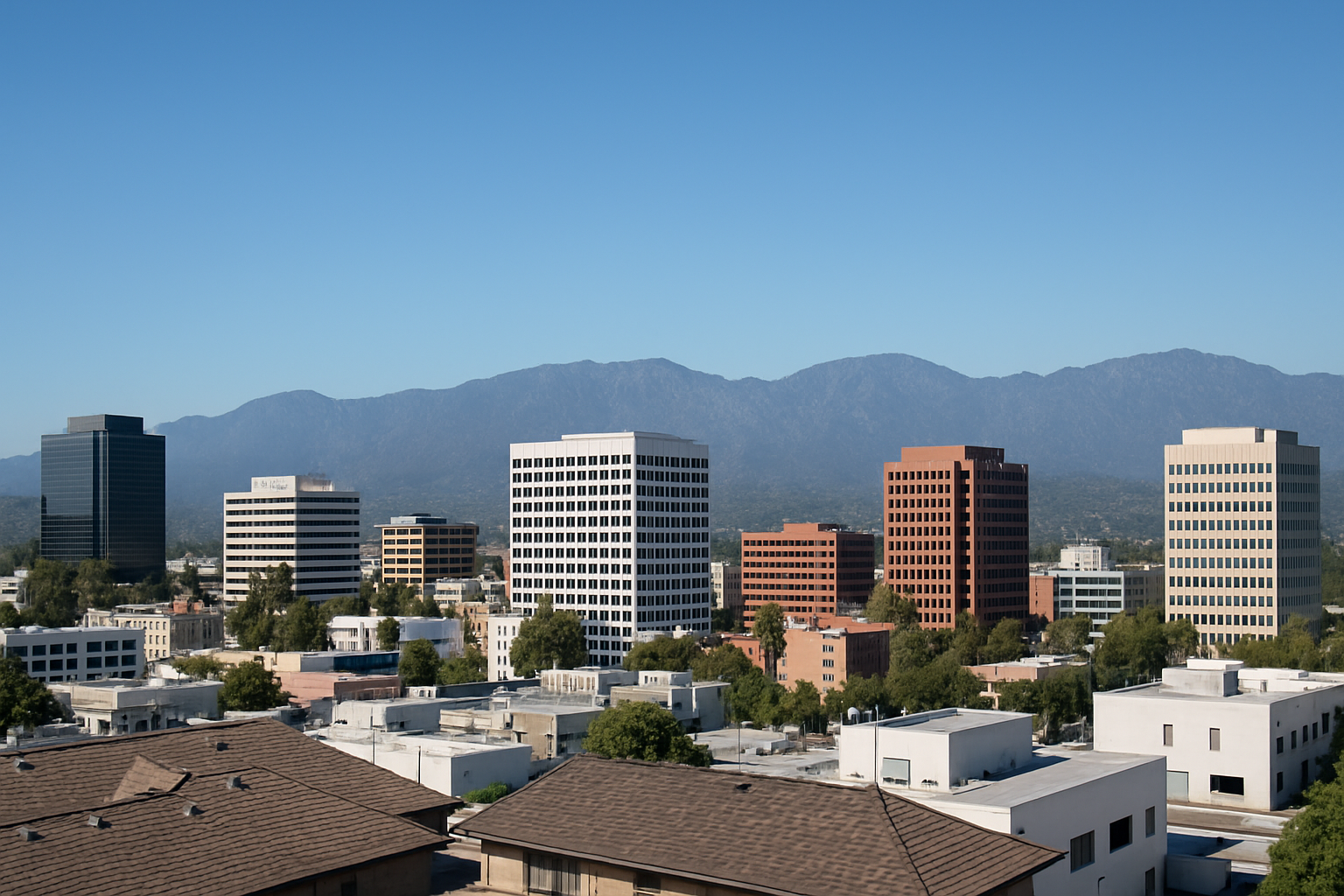
As a commercial property owner in the San Gabriel Valley, you might wonder, “How Do Weather Conditions Affect the Installation Process for Commercial Roofing?” Weather plays a crucial role in determining the success and longevity of your roofing system. Understanding these impacts can help you make informed decisions about timing and materials for your next roofing project.
Key Takeaways
- Weather conditions significantly influence the timing and quality of commercial roofing installations.
- Temperature and humidity can affect adhesive curing and material flexibility.
- Rainy and windy conditions can delay the installation process and increase risks.
- Planning around seasonal weather patterns can reduce costs and enhance durability.
- Consulting experts ensures proper material selection and installation timing.
Weather Conditions and Their Impact on Commercial Roofing Installation
The Role of Temperature in Roofing Installation
Temperature is a critical factor in the installation process for commercial roofing. Extreme temperatures can influence the performance and safety of roofing materials. For example, in Southern California, summer temperatures can soar above 100°F, causing certain materials like asphalt shingles to become too soft, risking damage during installation.
Conversely, colder temperatures can make materials brittle and challenging to work with. Silicone and acrylic coatings, often used for flat roofs, require temperatures above 50°F for proper application. Installing in the wrong temperature range can lead to poor adhesion and prematurely failed roofs.
It’s essential to schedule installations during moderate weather conditions to ensure the quality and longevity of your roofing system. Consulting with professionals on commercial roofing options can help you select the right materials and timing for your project.
Humidity and Its Influence on Roofing Materials
Humidity levels also play a significant role in how weather conditions affect the installation process for commercial roofing. High humidity can slow down the curing time of adhesives and sealants, which are critical for waterproofing and shingle attachment. This delay can extend project timelines and increase labor costs.
Materials like EPDM and TPO, popular choices for commercial roofing, may not adhere properly under high humidity, leading to future leaks and damage. If you’re considering roof leak repair services, understanding these factors can prevent issues from arising.
Monitoring local weather forecasts and choosing days with lower humidity for installation can mitigate these risks. This approach ensures a quicker, more reliable installation process, saving both time and money.
The Impact of Direct Sunlight
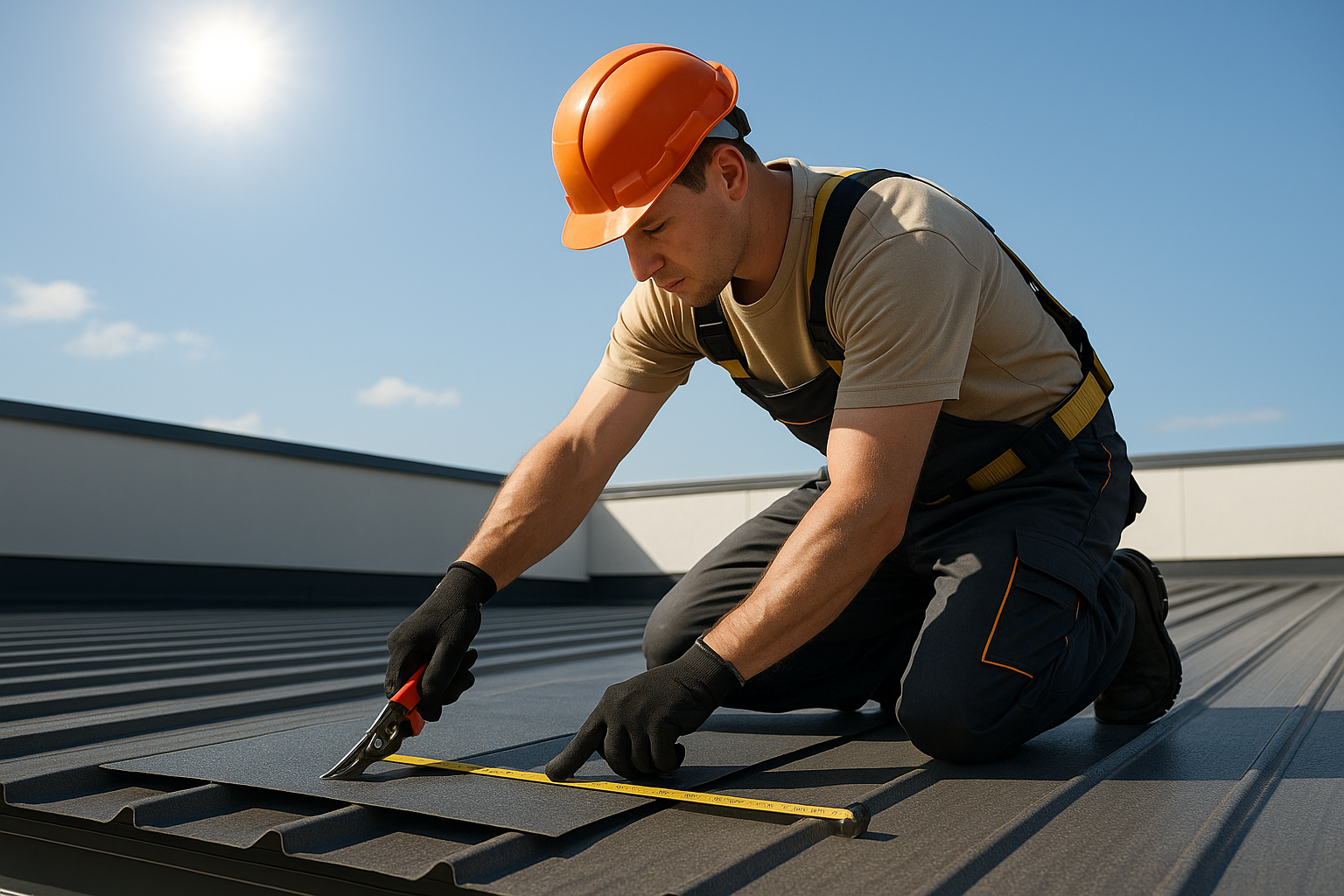
Direct sunlight can significantly affect commercial roofing installations. Exposure to the sun can cause surface temperatures to rise, resulting in expansion and contraction of roofing materials. This fluctuation can lead to misalignments during installation, particularly in materials like metal roofing, which expands more than others.
Additionally, UV rays can prematurely degrade materials such as asphalt and TPO, compromising their lifespan. Using UV-resistant materials and scheduling installations during cooler parts of the day, such as early morning or late afternoon, can enhance the durability of your roof.
For detailed insights into how sunlight and other factors impact different materials, consider reading more about the benefits of metal roofing and how they might suit your commercial needs.
Weather Delays and Their Effects on Installation Timelines
Rain and Its Implications
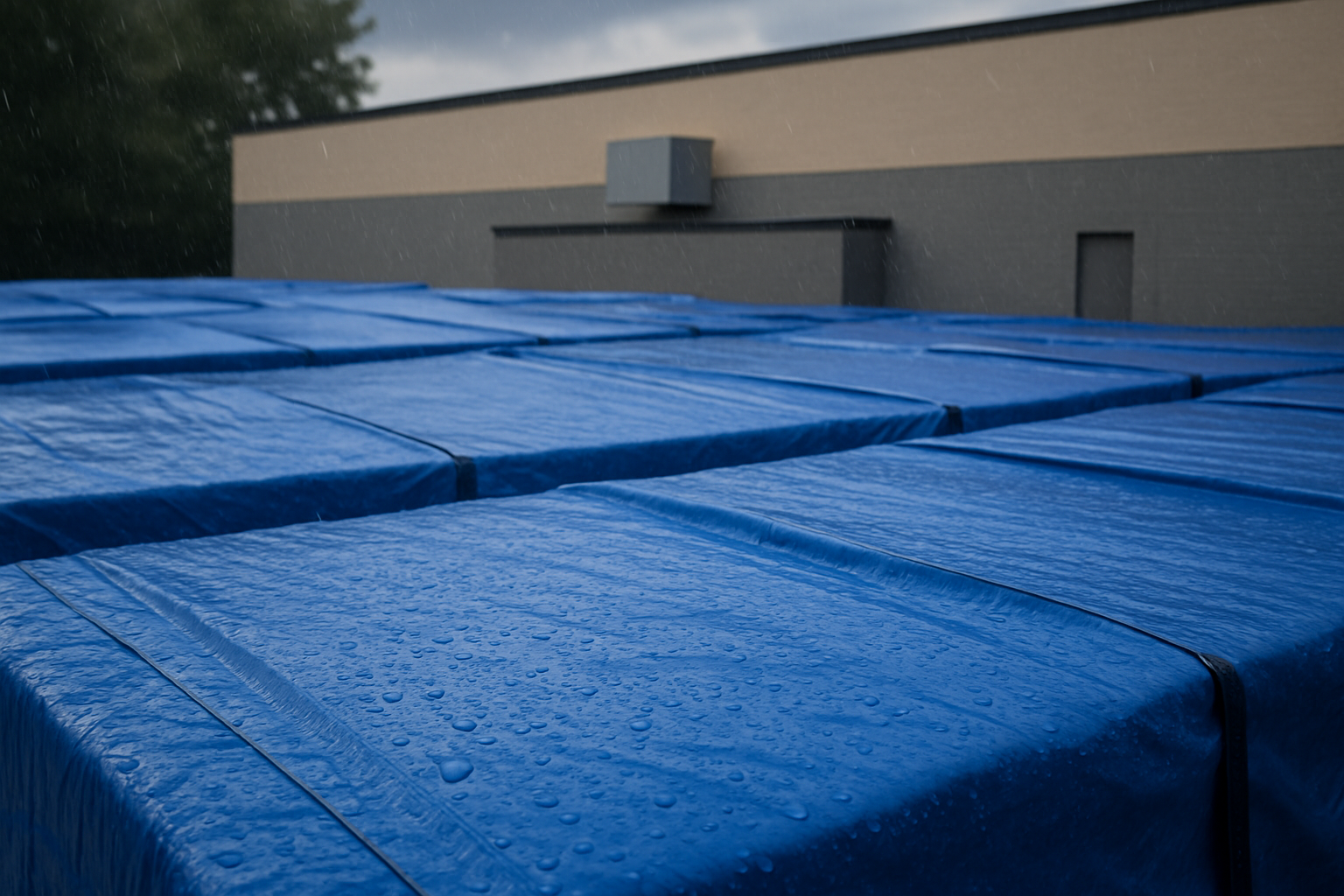
Rain is one of the most disruptive weather conditions for commercial roofing installations. Wet surfaces can hinder the application of adhesives and coatings, leading to ineffective sealing and potential water infiltration issues. Rain can also pose safety hazards for workers, increasing the risk of accidents and injuries.
In Southern California, the rainy season usually peaks from December to March. Planning installations outside of these months can reduce the likelihood of weather-related delays. However, if unexpected rain occurs, it’s crucial to have contingency plans in place, such as temporary coverings and rescheduling options.
Understanding the impact of extreme weather on roofing performance will help you anticipate and mitigate potential setbacks.
Effects of Wind on Roofing Projects
Wind is another factor that can significantly impact the commercial roofing installation process. High winds can lift and displace roofing materials, making it difficult to secure them properly. This challenge is particularly relevant for lightweight materials like TPO and EPDM, which are more susceptible to wind uplift.
During the installation process, it’s important to monitor wind conditions closely. Winds exceeding 15 mph can disrupt the placement of shingles and panels, leading to misalignments and structural vulnerabilities. It’s advisable to halt work during high wind conditions to ensure safety and quality.
For businesses in wind-prone areas, selecting wind-resistant materials and understanding installation times for different systems can help maintain structural integrity and reduce future repair costs.
Seasonal Weather Patterns and Planning
Adapting your installation schedule to local weather patterns can significantly enhance the success of your project. In Southern California, mild springs and falls provide ideal conditions for roofing installations, offering moderate temperatures and lower humidity.
Strategically planning your installation during these seasons can ensure optimal conditions for material handling and worker safety. This approach not only facilitates a smoother installation process but also aligns with potential financing options that may be available during off-peak times.
For a comprehensive understanding of how local climate influences roofing material choices, explore more about commercial roofing materials suited for your area.
Practical Tips for Navigating Weather Challenges in Roofing
Choosing the Right Materials for Weather Resilience
Selecting the appropriate materials is crucial when considering how weather conditions affect the installation process for commercial roofing. Different materials respond uniquely to environmental factors, and choosing the right one for your climate can ensure longevity and performance.
For instance, metal roofing is highly resistant to wind and UV damage, making it an excellent choice for sun-drenched areas like Southern California. Alternatively, materials like PVC offer superior waterproofing, which is beneficial during the rainy season.
| Material | Temperature Resistance | Water Resistance |
|---|---|---|
| Metal | High | Moderate |
| Asphalt Shingles | Moderate | High |
| EPDM | Moderate | High |
| PVC | Moderate | Very High |
| TPO | Moderate | High |
To learn more about the different types of commercial roofing and their suitability for your business, consider consulting with a professional.
Scheduling and Contingency Planning
Proper scheduling is essential to avoid weather-related disruptions in the commercial roofing installation process. Aligning your project timeline with favorable weather periods can prevent delays and reduce costs. Utilizing weather forecasts and historical climate data can aid in selecting the most suitable installation window.
- Plan installations during spring or fall for optimal conditions.
- Monitor weather forecasts closely leading up to the installation date.
- Prepare contingency plans for unexpected weather changes, such as temporary coverings or rescheduling.
For more detailed insights into how long a typical commercial roofing installation takes, consider reviewing industry averages and timelines.
Professional Consultation and Expertise
Working with experienced roofing professionals is invaluable when navigating the complexities of weather impacts. Experts can provide guidance on the best materials and installation practices tailored to your specific climate challenges.
Consulting with a professional can also help you understand available warranties and guarantees, which can offer additional peace of mind against unforeseen weather damage. Engaging a qualified contractor ensures that your installation process is smooth, efficient, and built to last.
For businesses looking to explore flat roof options, expert advice can clarify the benefits and limitations of various systems.
Frequently Asked Questions
Can roofing installation be done during the rainy season?
While it’s technically possible to install a roof during the rainy season, it is not recommended due to the increased risk of water damage and safety hazards. It’s best to schedule installations during drier months to ensure the integrity and safety of the roofing process.
What temperature is too cold for roofing installation?
Generally, temperatures below 40°F can be challenging for roofing installations, particularly for materials like asphalt shingles that require heat to seal properly. Always consult with your contractor about the temperature requirements for specific materials to avoid issues.
How can I prepare for potential weather delays in my roofing project?
Preparation involves scheduling your installation during predictable weather periods, having a flexible timeline, and establishing contingency plans for unexpected weather changes. This might include temporary coverings and rescheduling options to ensure safety and quality.
What are some signs of weather-related damage to a commercial roof?
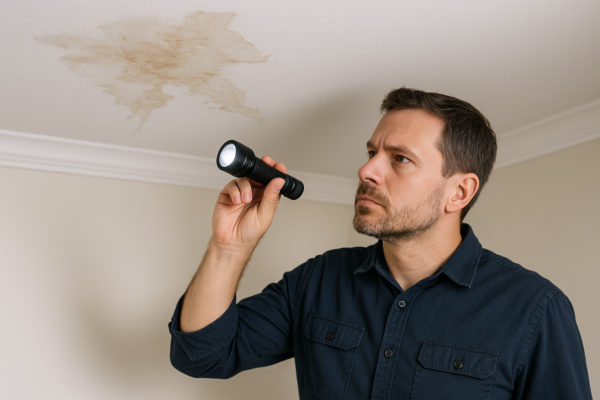
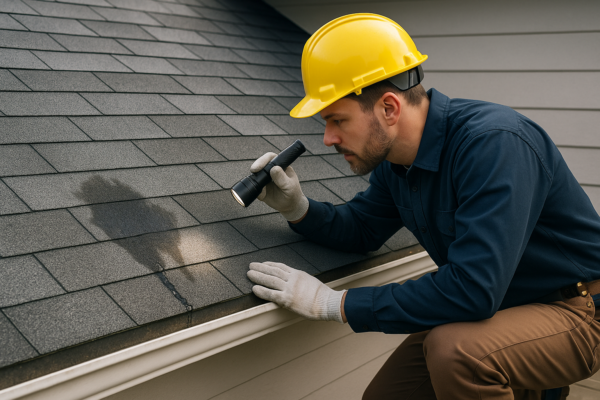
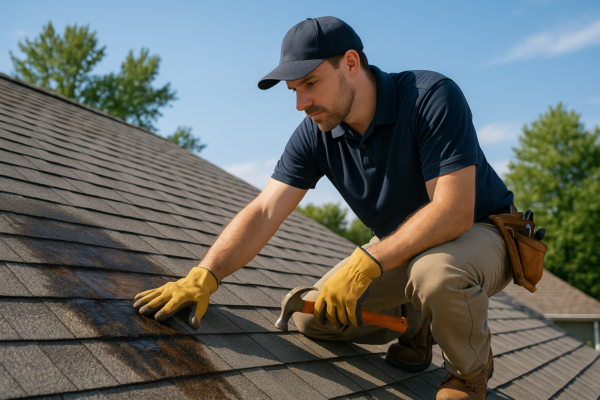
Signs of weather-related damage include leaks, visible cracks, and warped or displaced materials. Regular inspections can help identify and address these issues early, minimizing repair costs. If you notice these signs, it may be time to consider professional repair services.
Conclusion
Understanding how weather conditions affect the installation process for commercial roofing is crucial for optimizing the performance and lifespan of your roofing system. By considering factors such as temperature, humidity, and seasonal patterns, you can plan your installation for success. Consulting with experienced professionals and selecting the right materials tailored to your local climate will ensure that your commercial roof stands the test of time.