Roof Repair Costs Demystified: Are There Surprising Charges You Should Know?
When considering roof repair, it’s crucial to understand the full scope of potential expenses. Many homeowners ask, “Are there any hidden fees in the roof repair pricing I should know about?” To ensure you are not caught off guard, we’ll explore common costs, potential hidden charges, and how to prepare your budget effectively. This guide will help you navigate the complexities of roof leak repair services and provide insights into pricing strategies.
Key Takeaways
- Understanding hidden fees in roof repair can prevent unexpected expenses.
- Common hidden charges include permits, waste disposal, and unforeseen repairs.
- Comparing estimates from multiple contractors can help identify discrepancies.
- Regular roof maintenance can reduce the likelihood of costly repairs.
- Being informed about the roofing process helps in negotiating better terms.
Understanding Potential Hidden Fees
Common Hidden Charges
While initial estimates from contractors might seem straightforward, they often don’t include certain expenses. It’s essential to ask, “Are there any hidden fees in the roof repair pricing I should know about?” Some of the most common hidden charges include:
- Permit Fees: Depending on your local regulations, permits can add $150 to $500 to your project cost.
- Waste Disposal: Removing old roofing materials can incur additional fees, often ranging from $50 to $200.
- Unforeseen Repairs: Issues like rot or structural damage discovered during repairs can significantly increase costs.
To avoid surprises, it’s advisable to discuss these potential charges with your contractor beforehand. For a more comprehensive understanding, explore our article on hidden fees in roofing estimates.
Comparing Contractor Estimates
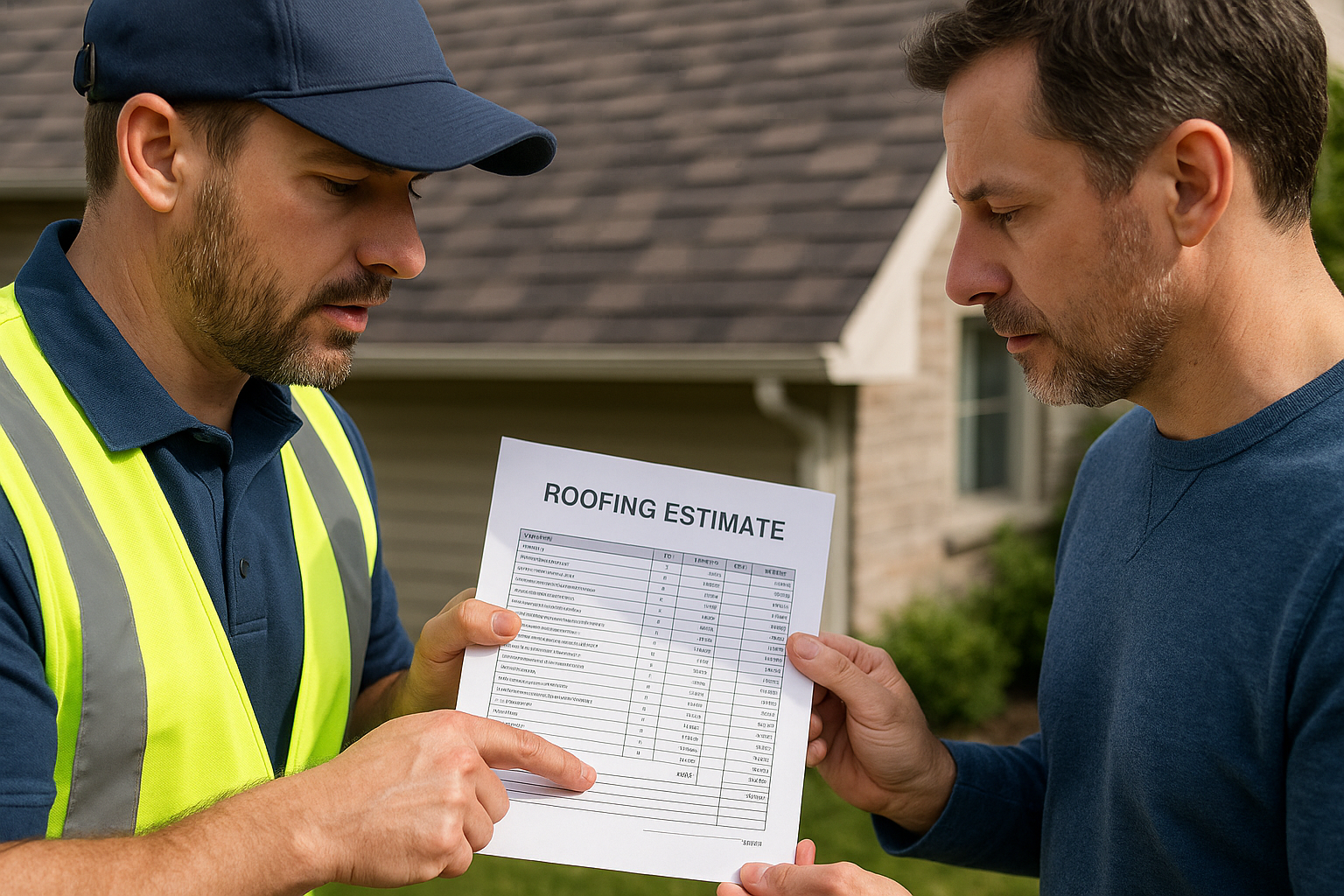
One of the most effective ways to ensure transparency in pricing is by comparing estimates from multiple contractors. Look for discrepancies in the quotes, particularly in labor and material costs. Be wary of quotes that are significantly lower than others, as they might exclude some essential aspects.
Consider using a comparison table to evaluate different estimates:
| Estimate Element | Contractor A | Contractor B | Contractor C |
|---|---|---|---|
| Labor Cost | $1,200 | $1,500 | $1,100 |
| Material Cost | $2,000 | $2,100 | $2,050 |
| Permit Fees | $200 | Included | $250 |
| Total Estimate | $3,400 | $3,600 | $3,400 |
By reviewing the detailed breakdowns, you can identify areas where hidden fees might be lurking. Additionally, learn more about affordable roof repair services to better understand what should be included in a fair estimate.
Location-Based Pricing Variations
The cost of roof repair can vary significantly based on your location. In California, for example, the cost of roofing materials and labor tends to be higher due to the state’s stringent building codes and higher cost of living. Understanding these factors can help you prepare your budget more accurately.
For more insights into how location affects pricing, check our guide on roof repair pricing factors.
Managing Roof Repair Costs Effectively
Proactive Maintenance to Avoid Costly Repairs
Regular maintenance is key to avoiding unexpected roof repair costs. Simple actions like cleaning gutters, inspecting for loose or missing shingles, and checking for leaks can prevent minor issues from becoming major headaches.
Consider scheduling annual inspections with a professional roofer to catch potential problems early. This proactive approach can save you thousands in repairs. If you’re unsure about your roof’s condition, explore how to determine if your roof needs immediate repairs.
Budgeting for Emergencies
Even with regular maintenance, emergencies can happen. Setting aside an emergency fund specifically for home repairs, including your roof, is a wise strategy. Aim to save at least 1-3% of your home’s value annually for maintenance and unexpected repairs.
For instance, if your home is valued at $500,000, consider setting aside at least $5,000 to $15,000 each year. This fund will provide peace of mind and financial flexibility when issues arise.
Choosing Cost-Effective Materials
The choice of materials can significantly impact your repair costs. While asphalt shingles are the most common and affordable option, materials like metal or tile can offer greater durability and energy efficiency. Although the initial cost might be higher, they can save money in the long run through reduced maintenance and energy bills.
To explore more about the benefits and options available, read about metal roofing benefits and flat roofing options.
Frequently Asked Questions
What should I ask my contractor about hidden fees?
When discussing a roofing project, ask your contractor directly, “Are there any hidden fees in the roof repair pricing I should know about?” Inquire about permit fees, waste disposal, and any potential for unforeseen repairs. Transparency is key to avoiding unexpected costs.
How can I tell if a roofing estimate is fair?
A fair roofing estimate should include a detailed breakdown of labor, materials, and additional costs such as permits. Compare it with at least two other estimates and check for any significant discrepancies. Ensure all potential fees are clearly stated in the contract.
Why might roof repair costs be higher in California?
California’s strict building codes, high cost of living, and unique climate conditions contribute to higher roofing costs. Contractors need to meet specific standards, and materials often need to be more robust to withstand the weather variations.
What are the most common roofing materials in California?
In California, asphalt shingles, clay tiles, and metal roofs are popular due to their durability and suitability for the climate. Each material varies in cost and maintenance needs, so choosing the right one depends on your budget and long-term goals.
Conclusion
Understanding roofing costs and potential hidden fees is essential for any homeowner. By asking the right questions, comparing estimates, and being proactive in maintenance, you can manage your roofing expenses effectively. Remember to explore resources like our commercial roofing solutions and DIY repair tips for more insights. By doing so, you ensure your roof remains sturdy and your budget intact, regardless of the challenges that arise.