
Essential Tips for Effective Roof Leak Fixes
Discovering a leak in your roof can be a stressful experience for any homeowner. Fortunately, there are effective ways to address these issues before they escalate into more significant problems. This guide provides essential DIY Roof Leak Repair Tips to help you manage leaks efficiently and maintain your home’s integrity.

Key Takeaways
- Identify common signs of roof leaks early to prevent extensive damage.
- Understand the tools and materials needed for DIY roof repairs.
- Learn step-by-step procedures to fix various types of leaks effectively.
- Explore preventive maintenance practices to minimize future leaks.
- Know when to contact professional services for complex repairs.
Identifying Common Roof Leak Causes
Signs of Roof Leaks
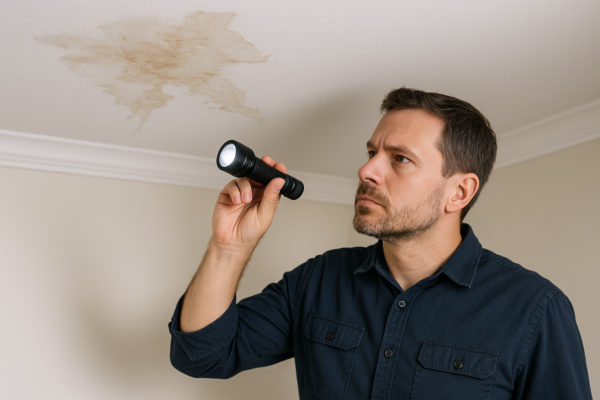
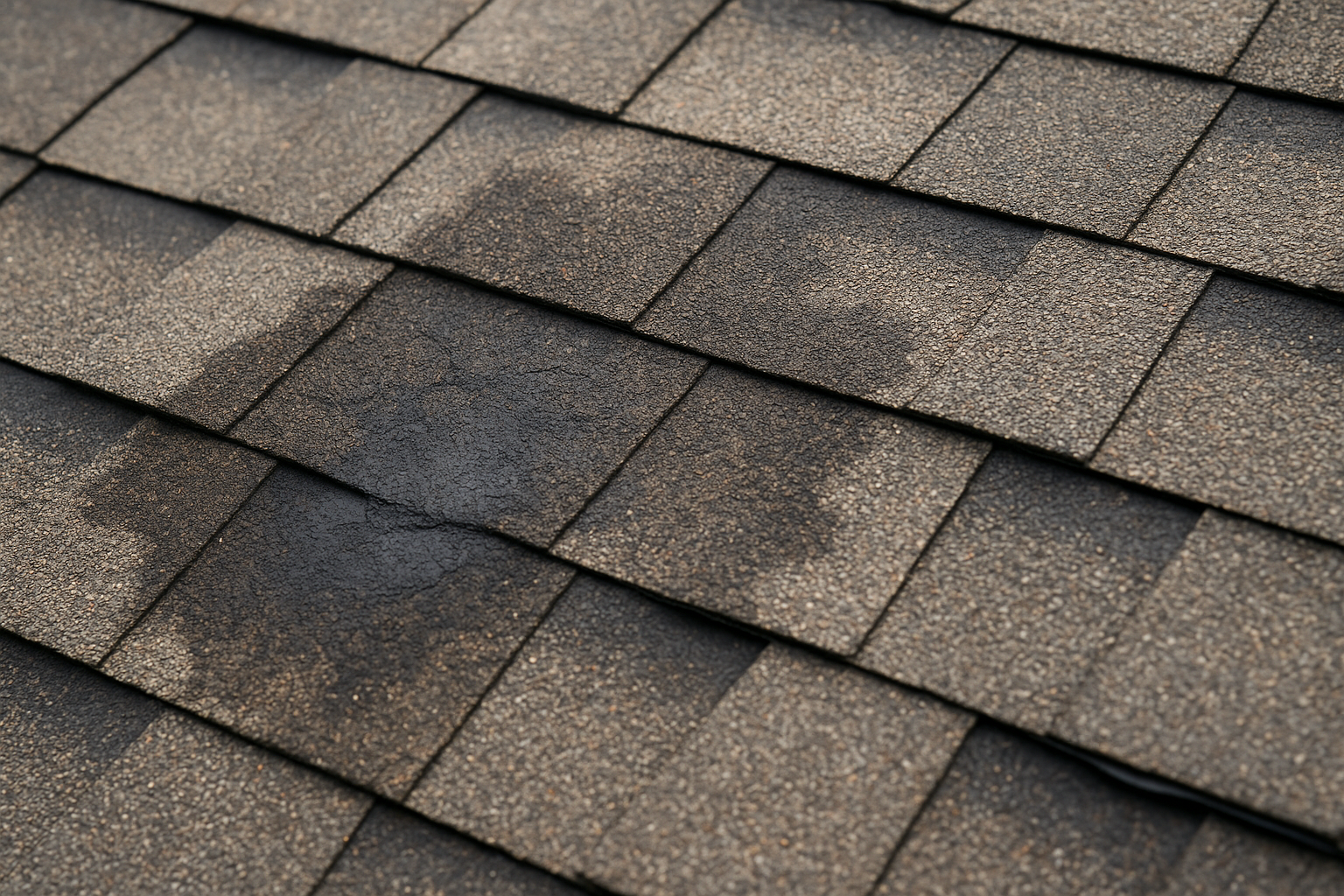
The first step in addressing any roof leak is to correctly identify the symptoms. Common signs include water stains on your ceiling or walls, damp patches, and visible mold growth. In some cases, you might notice warped or missing shingles, particularly after heavy rainfall common in Southern California. Early detection is crucial to avoid costly repairs. For a comprehensive guide on identifying these issues, explore our seasonal maintenance tips.
In addition to visual signs, you might hear persistent dripping sounds during rainstorms or notice a musty odor in the attic. It’s essential to address these signs promptly. Ignoring them can lead to more significant issues, such as structural damage or widespread mold infestations.
Common Leak Sources
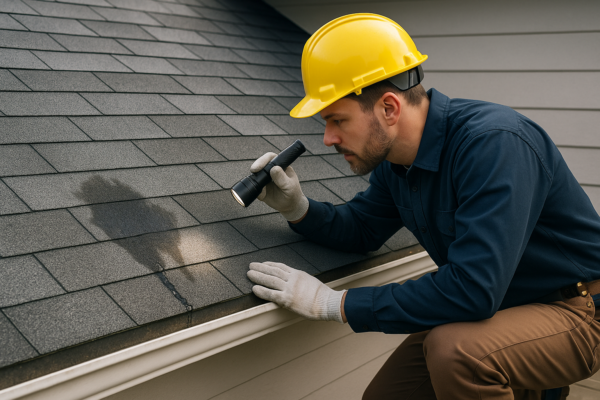
Understanding where leaks typically originate can help you pinpoint the problem more effectively. Roof leaks often occur at vulnerable spots like valleys, chimneys, skylights, and roof vents. In California, fluctuating temperatures can exacerbate wear and tear, leading to cracks or gaps in these areas.
Leaks can also result from improper installation or age-related deterioration. For older roofs, materials such as asphalt shingles might have reached the end of their lifespan, making them more susceptible to leaks. For more detailed information on different roofing materials, check our guide on roofing types.
Assessing the Damage
Once you identify a leak, assessing the extent of the damage is critical. This evaluation will determine whether a simple patch can suffice or if more extensive repairs are necessary. Look for signs of water damage in the attic, as this area can reveal the severity of the problem.
Using a moisture meter can provide precise data on how far the water has spread. Additionally, inspect nearby fixtures and fittings for any signs of corrosion or decay. These observations will help you decide if a DIY approach is feasible or if you should consider professional roof leak repair services.
DIY Roof Leak Repair Tips and Tools
Essential Tools and Materials
Before embarking on any DIY Roof Leak Repair, gathering the right tools and materials is crucial. A typical toolkit should include a ladder, safety harness, roofing nails, roofing cement, a utility knife, and a tarp for temporary fixes.
For more stubborn leaks, you might need additional supplies like roof sealant, flashing, and replacement shingles. Ensure that all tools are in good working condition and that you have the necessary safety gear, especially when working at heights.
- Safety harness and ladder
- Roofing cement and sealant
- Utility knife and roofing nails
- Replacement shingles and flashing
- Tarp for temporary coverage
Step-by-Step Repair Process
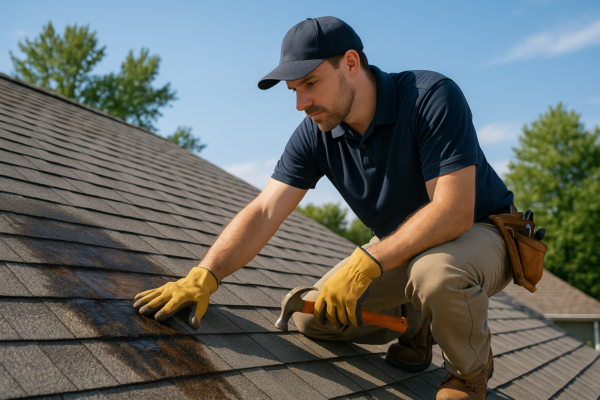
Repairing a roof leak involves several critical steps. First, locate the source of the leak. Once identified, clean the area thoroughly to ensure that the repair materials adhere properly. If shingles are damaged, carefully remove them using a utility knife and replace them with new ones.
Apply roofing cement generously around the affected area and press the new shingle firmly into place. For leaks around fixtures like chimneys or vents, ensure that flashing is secure and apply additional sealant if necessary. These repairs can be labor-intensive, so consider consulting our DIY maintenance advice for further guidance.
Temporary Fixes
In some cases, a temporary fix might be necessary until a permanent solution can be implemented. Using a tarp to cover the leaking area can prevent further water ingress. Secure the tarp with roofing nails or heavy-duty staples, ensuring it covers the entire affected area.
This stopgap measure is particularly useful in preventing additional damage during a storm or before professional repairs can be arranged. However, remember that temporary fixes should not replace permanent solutions.

Preventive Maintenance for Long-Term Solutions
Routine Inspections
Conducting regular roof inspections is one of the most effective ways to prevent leaks. Experts recommend seasonal inspections, ideally during spring and fall when weather conditions are mild. These inspections help identify early signs of wear and tear, allowing for prompt intervention.
Homeowners can perform basic inspections themselves by looking for loose shingles, cracked flashing, or clogged gutters. For a more thorough examination, consider hiring professionals who can assess your roof’s condition more accurately. Check our seasonal maintenance checklist for more detailed guidance.
Weatherproofing Strategies
Weatherproofing your roof can significantly reduce the likelihood of leaks. Simple strategies include installing gutter guards to prevent debris buildup and ensuring proper attic insulation to regulate temperature and moisture levels.
In regions like Southern California, where temperature fluctuations can cause materials to expand and contract, using high-quality sealants and coatings can provide additional protection. These measures help maintain the roof’s integrity, especially during extreme weather events.
Professional Maintenance Services
While DIY Roof Leak Repair Tips are invaluable, there are times when professional intervention is necessary. Complex leaks, particularly those involving structural damage, require the expertise of qualified roofers. Professional services ensure that repairs are performed to industry standards, safeguarding your home’s value and safety.
Regular maintenance contracts can offer peace of mind, with experts conducting comprehensive assessments and repairs as needed. For more on when to opt for professional help, see our article on choosing a roof repair company.
Frequently Asked Questions
How do I find the source of a roof leak?
Finding the source of a roof leak involves inspecting common leak-prone areas, such as valleys, flashing, and roof penetrations like chimneys and skylights. Use a flashlight in the attic to spot water trails and look for damp insulation. For a complete guide, explore our DIY roof repair tips.
Can I repair a roof leak myself?
Yes, minor leaks can often be repaired using DIY Roof Leak Repair Tips. Essential steps include identifying the leak source, cleaning the area, and applying roofing cement or sealant. However, if the damage is extensive or involves structural elements, professional services are recommended.
What are the costs associated with roof leak repairs?
The cost of roof leak repairs varies depending on the severity of the damage and materials used. On average, minor repairs can range from $150 to $400, while more significant repairs might cost between $750 and $1,500. For precise estimates, consider contacting professional roof leak repair services.
How can I prevent future roof leaks?
Preventing future leaks involves regular inspections, proper maintenance, and weatherproofing measures. Ensure gutters are clean, flashing is intact, and the roof is weather-sealed. Implementing these strategies can extend your roof’s lifespan and reduce leak risks.
Conclusion
Addressing roof leaks promptly with effective DIY Roof Leak Repair Tips can save you time and money while protecting your home. Regular maintenance, early detection, and understanding when to seek professional help are crucial components of a robust leak prevention strategy. For further assistance with roof repairs and maintenance, visit our roof leak repair services page for expert advice and support.