How to Fix Roof Leaks This Season
Dealing with a leaky roof can be a daunting task, especially as the rainy season approaches. However, with the right DIY roof leak repair tips, you can tackle these issues head-on and prevent further damage to your home. This guide will walk you through effective strategies to identify, repair, and maintain your roof, ensuring it remains in peak condition throughout the year.
Key Takeaways
- Learn essential DIY roof leak repair tips to manage leaks effectively.
- Identify common causes of roof leaks and how to address them.
- Understand the importance of seasonal roof maintenance in preventing leaks.
- Explore practical solutions and preventive measures for roof upkeep.
- Gain insight into when to seek professional help for extensive repairs.
Identifying and Locating Roof Leaks
Common Causes of Roof Leaks
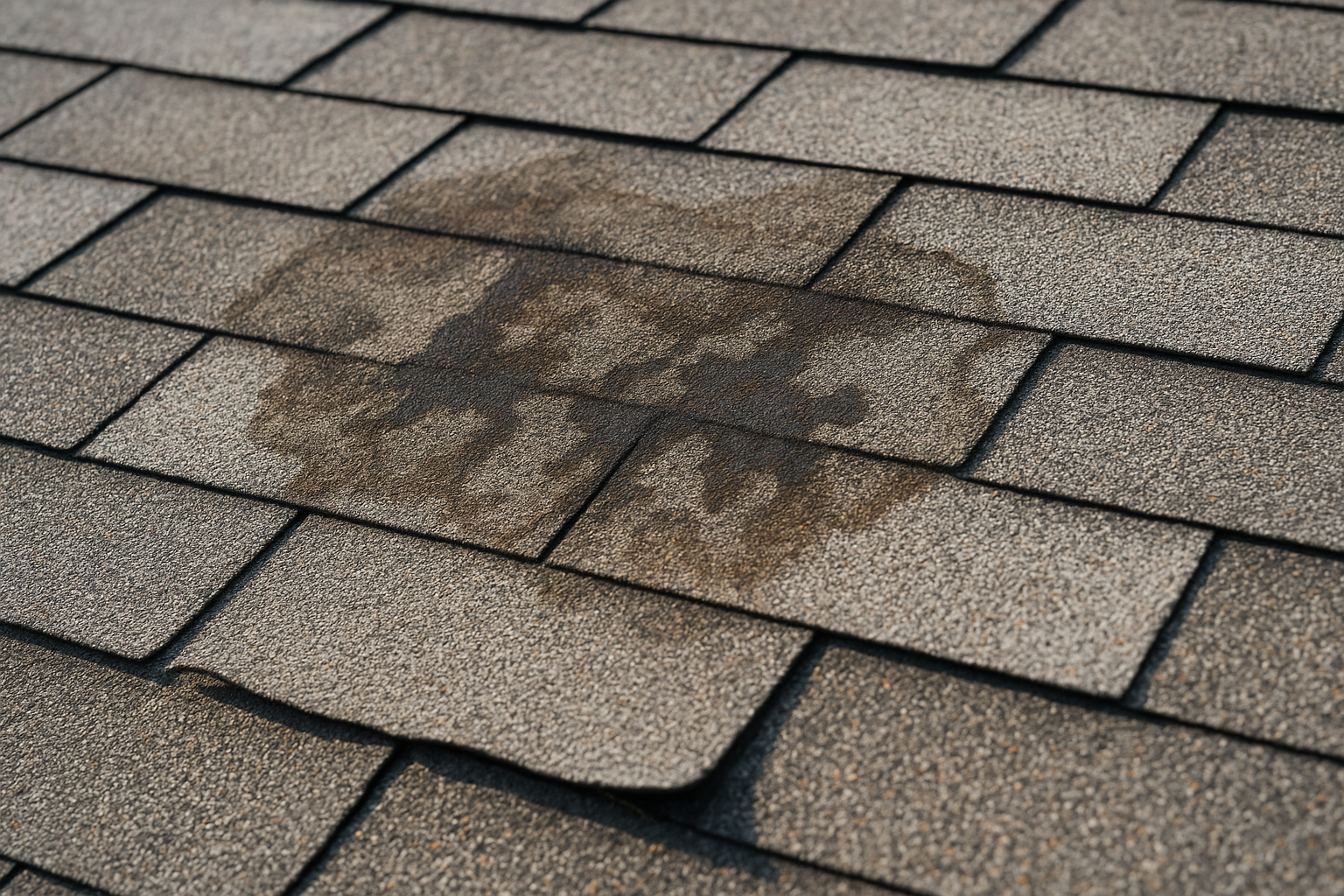
Roof leaks can be attributed to various factors, most commonly due to aging materials, weather damage, or poor installation. In Southern California, the sun’s intense rays can deteriorate roofing materials over time, causing cracks and vulnerabilities. Additionally, heavy rains can exploit these weaknesses, leading to leaks.
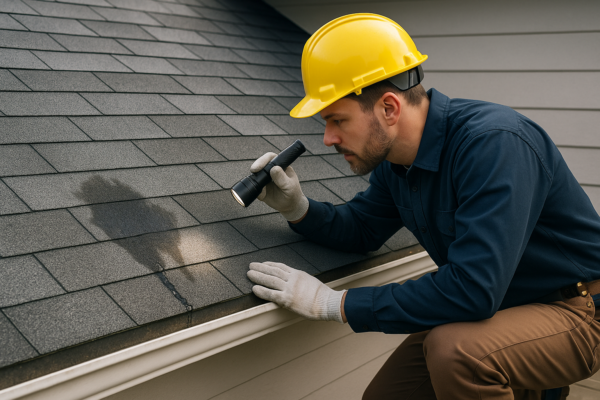
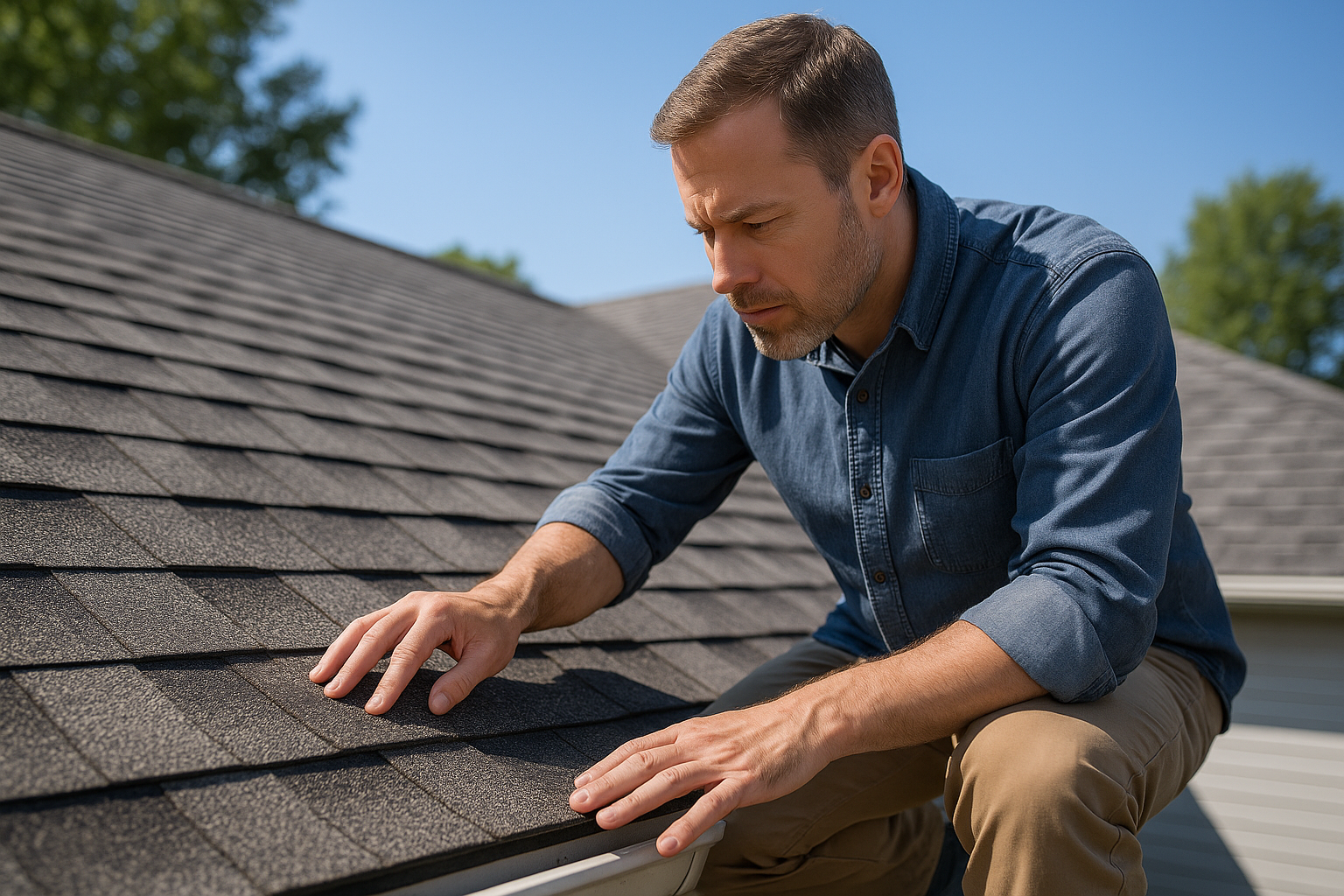
It’s crucial to regularly inspect your roof to catch early signs of wear and tear. Look for missing or damaged shingles, cracked flashing, and clogged gutters, as these are prime indicators of potential leaks. To help you with regular inspections, consider scheduling routine checks as part of your seasonal roof maintenance.
Effective Leak Detection Methods
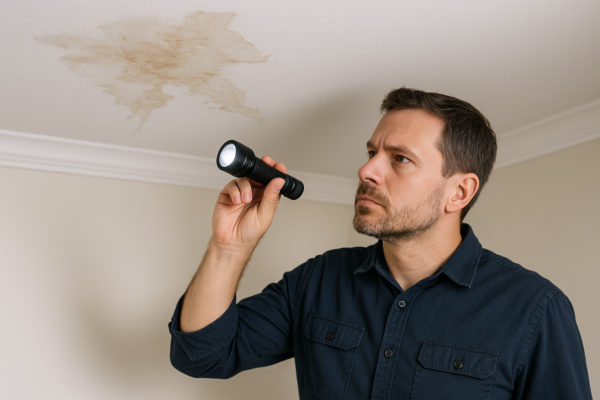
The first step in any DIY roof leak repair is identifying the source of the problem. Start by inspecting your attic for water stains, mold, or damp insulation, which can indicate where the leak is originating. During a dry spell, use a hose to simulate rain on different sections of the roof while someone checks the attic for signs of water entry.
High-quality binoculars can also help you scan your roof without climbing onto it. Look for areas where debris accumulates, as this can trap moisture and exacerbate leaks. For more comprehensive guidance, explore our roof leak repair services page.
Using Technology for Leak Detection
Advancements in technology have made detecting roof leaks easier and more accurate. Thermal imaging cameras can identify temperature fluctuations in your roof, pinpointing areas with potential leaks. Moisture meters are another handy tool, allowing you to assess moisture levels in walls and ceilings.
Investing in these technologies can save you time and effort, providing precise data on your roof’s condition. While these tools can assist in DIY roof leak repair tips, they are also valuable for those considering professional evaluations, such as those offered in our roof leak repair services.
Repairing Roof Leaks: Step-by-Step Guide
Preparing for the Repair
Before starting any repair work, gather all necessary tools and materials. Common items include roofing cement, a putty knife, roofing nails, and replacement shingles. Safety gear, such as gloves and non-slip shoes, is essential to ensure your safety while working on the roof.
It’s also wise to check the weather forecast, as repairs should ideally be done on dry days to ensure materials adhere properly. If you need comprehensive guidance on preparation, our seasonal maintenance checklist for homeowners offers a detailed overview of what to keep in mind.
Fixing Shingle and Flashing Issues
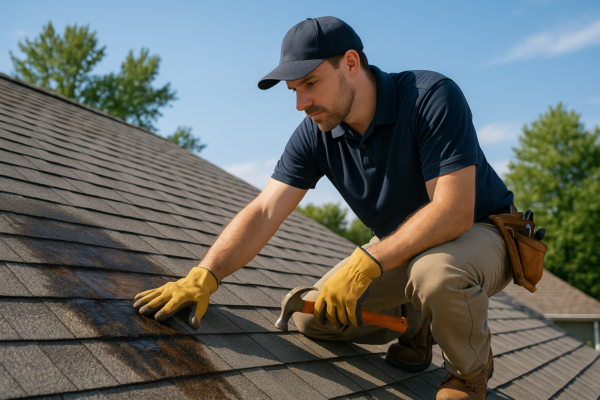
Start by addressing damaged or missing shingles. Carefully lift the surrounding shingles and remove nails from the damaged piece. Slide a new shingle into place and nail it securely, ensuring it aligns with the others. For cracked flashing, apply roofing cement to seal any gaps and prevent water intrusion.
For more complex repairs, such as dealing with extensive shingle damage or replacing large sections of flashing, consider consulting our commercial roofing experts for professional advice and services.
Sealing Minor Leaks
Minor leaks can often be patched with roofing cement or sealant. Apply a generous amount of the sealant over the leak area, smoothing it out with a putty knife to ensure full coverage. It’s crucial to ensure the sealant is compatible with your roof material for optimal results.
Regular maintenance, including sealing minor leaks promptly, can significantly extend your roof’s lifespan. For additional DIY roof maintenance tips, check out our article on DIY roof maintenance advice for businesses.
Preventive Measures for Long-Term Protection
Regular Roof Inspections
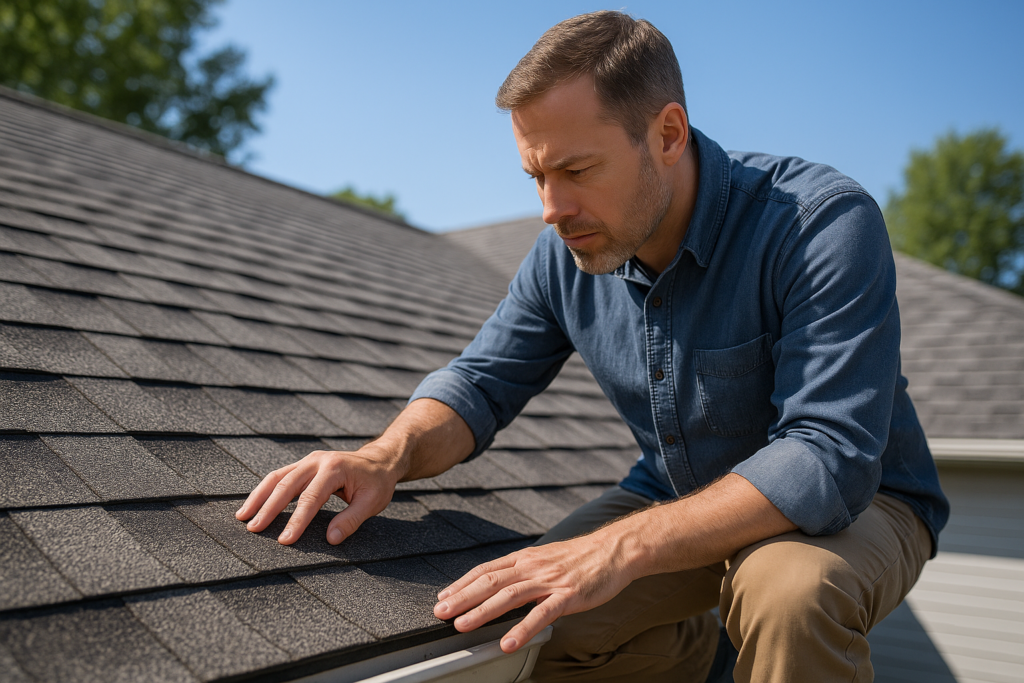
Consistent roof inspections are vital in preventing leaks and ensuring your roof’s longevity. Schedule bi-annual inspections, ideally in the spring and fall, to catch any potential issues before they escalate. During these inspections, pay attention to common problem areas like valleys and roof edges.
For those managing commercial properties, our preventive maintenance for commercial roofing guide offers tailored advice to safeguard your investment.
Maintaining Gutters and Downspouts
Clogged gutters can lead to water overflow, increasing the risk of roof leaks. Regularly clean your gutters and downspouts, especially after storms, to ensure water flows away from your roof efficiently. Consider installing gutter guards to minimize debris accumulation.
A well-maintained gutter system is an integral part of any effective DIY roof leak repair strategy. For a comprehensive approach to seasonal upkeep, explore our seasonal roof maintenance checklist.
Choosing Quality Roofing Materials
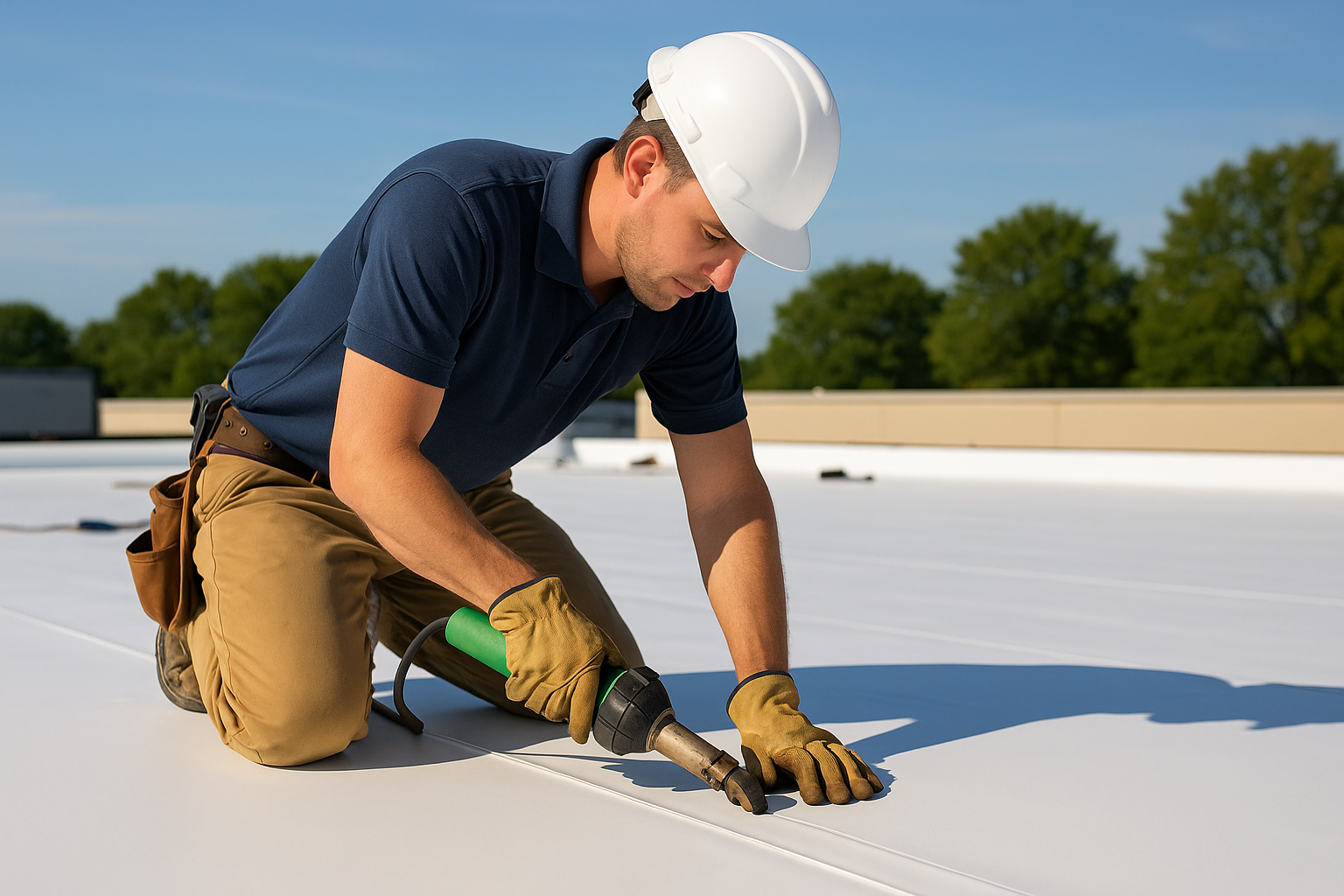
Investing in high-quality roofing materials can make a significant difference in preventing leaks. Durable options like metal or TPO roofing offer excellent resistance to weather extremes and can be a wise choice for both residential and commercial properties.
Our article on the benefits of metal roofing delves into why these materials are an excellent investment for your property’s long-term protection. Additionally, explore various flat roofing options for commercial buildings to find the best fit for your needs.
Frequently Asked Questions
What are the most common signs of a roof leak?
Common signs of a roof leak include water stains on ceilings or walls, mold growth, and damp insulation. You might also notice missing shingles or damaged flashing. Regular inspections are key to catching these signs early.
Can I fix a roof leak myself?
Many minor roof leaks can be repaired with basic tools and materials, such as roofing cement and replacement shingles. However, for extensive damage or persistent leaks, it’s advisable to consult professionals to ensure thorough repairs.
How much does it typically cost to repair a roof leak?
The cost of repairing a roof leak varies depending on the extent of the damage and your roof type. DIY repairs might cost around $150 for materials, while professional repairs can range from $300 to $1,200. For a detailed estimate, consider visiting our roof leak repair services page.
How can regular maintenance prevent roof leaks?
Regular maintenance helps identify and address potential issues before they become serious. Cleaning gutters, inspecting shingles, and sealing minor leaks can prevent water damage and prolong your roof’s lifespan. Our maintenance practices for commercial roofs article offers further insights into preventive care.
Conclusion
Addressing roof leaks promptly with the right DIY roof leak repair tips is crucial for maintaining your home’s structural integrity. By understanding the causes, implementing effective repairs, and prioritizing regular maintenance, you can safeguard your roof against future leaks. Remember, while DIY repairs can be effective, seeking professional help for complex issues ensures comprehensive solutions. For more information and expert services, explore our roof leak repair services page.