Top DIY Roof Leak Repair Techniques
Dealing with a leaky roof can be a homeowner’s nightmare, especially when unexpected rain hits Southern California. Fortunately, there are several effective DIY roof leak repair tips that you can implement to address minor leaks before they become major issues. In this article, we’ll explore practical techniques to help you maintain your roof and protect your home.
Key Takeaways
- Identify early signs of roof leaks to prevent more extensive damage.
- Utilize common household materials for quick fixes.
- Understand when professional intervention is necessary.
- Regular maintenance can significantly extend your roof’s lifespan.
- Consider safety precautions to avoid personal injury.
Identifying Roof Leaks
Signs and Symptoms of a Roof Leak
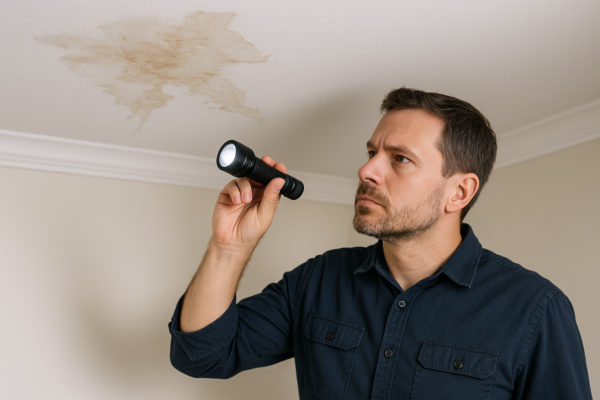
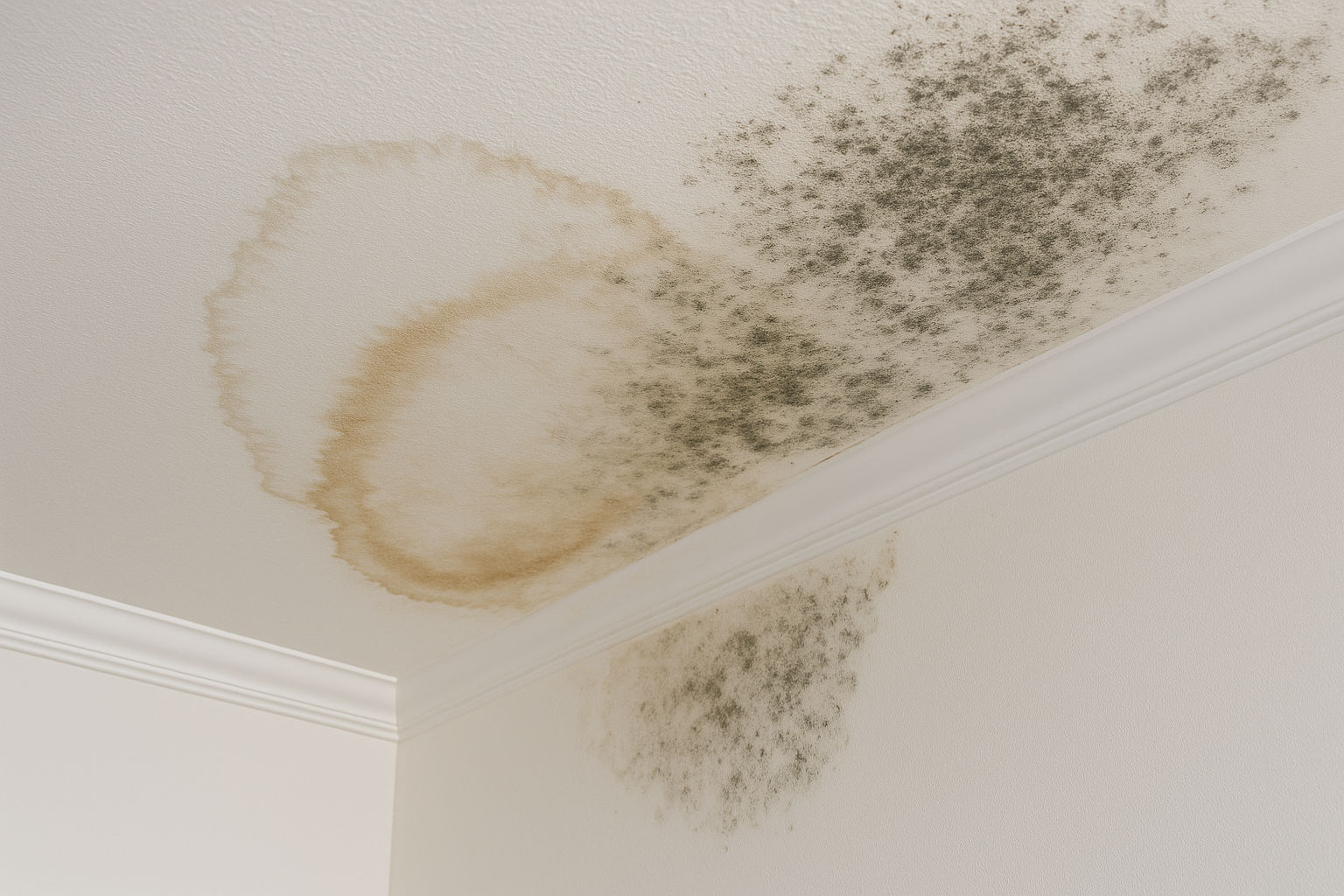
Detecting a roof leak early can save you from costly repairs down the line. Look for common signs such as water stains on your ceiling or walls, which often indicate a leak’s presence. In Southern California, homes are frequently exposed to intense sunlight and occasional heavy rain, both of which can exacerbate roof wear.
Other symptoms include mold or mildew growth, which can thrive in damp environments, and musty odors that may arise from moisture seeping into your home’s interior. Peeling paint or wallpaper is another red flag, as it suggests that water is affecting your home’s structural integrity.
Another way to identify a leak is to inspect your attic. Look for any visible light coming through the roof, which can indicate gaps or holes. You might also find damp insulation or wet spots on the roof’s underside, which can help pinpoint the leak’s source.
Common Causes of Roof Leaks
Understanding the causes of roof leaks can aid in effective prevention and repair. The most frequent culprits include broken or missing shingles, which leave your roof vulnerable to water infiltration. Flashing that has become loose or damaged can also lead to leaks around chimneys, skylights, and other roof protrusions.
Clogged gutters are another common cause, as they prevent proper water drainage, leading to pooling that can penetrate the roof. In Southern California, where occasional heavy rains can overwhelm drainage systems, keeping gutters clear is especially important.
Additionally, older roofs might experience wear and tear, such as cracks in the roofing material or deteriorating seals around roof fixtures. Regular inspections and maintenance, as outlined in our seasonal roof maintenance checklist, can help identify these issues before they lead to significant damage.
Tools and Materials for DIY Repairs
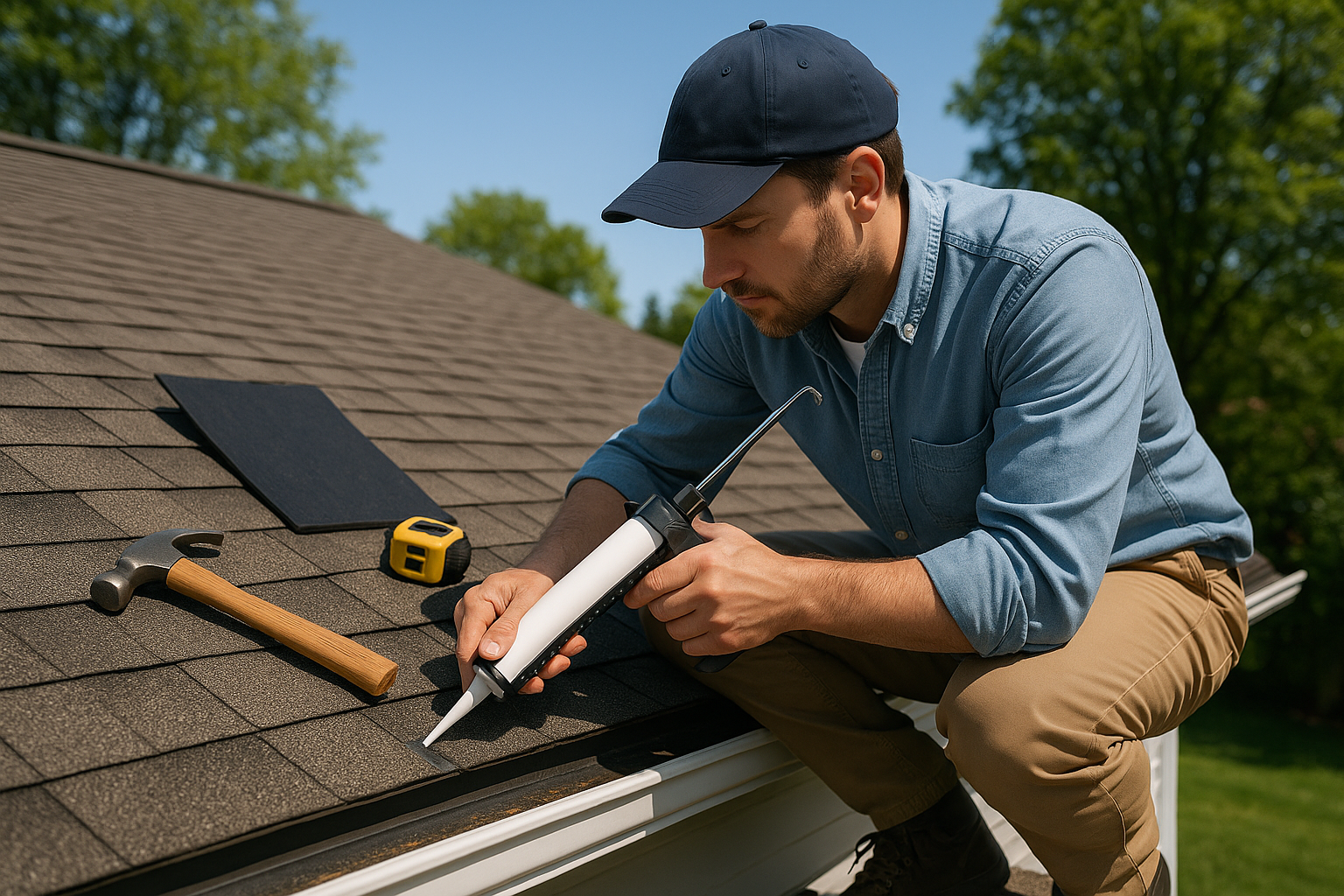
When tackling DIY roof leak repair tips, having the right tools and materials is essential. Basic items you’ll need include a ladder, gloves, roofing nails, a utility knife, and a caulking gun. Additionally, roofing tar and sealant can provide temporary fixes for small leaks.
For minor shingle repairs, you may need replacement shingles, a hammer, and roofing cement. If your leak is due to flashing issues, aluminum flashing tape can be a quick solution. Always ensure your ladder is stable and placed on even ground to avoid accidents.
It’s also wise to have a tarp on hand for emergencies, particularly during rainstorms when immediate repair isn’t possible. Covering the affected area with a tarp can prevent further water damage until a more permanent solution is feasible.
DIY Repair Techniques
Repairing Damaged Shingles
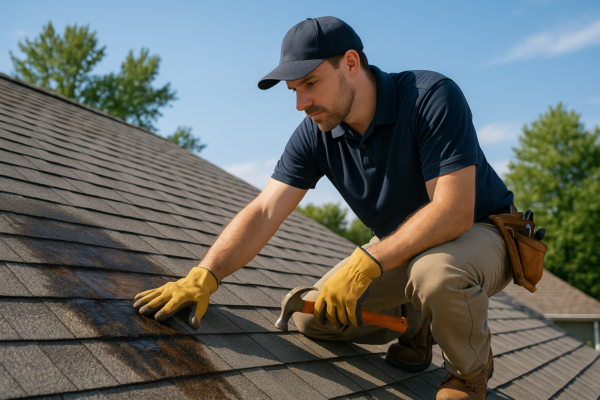
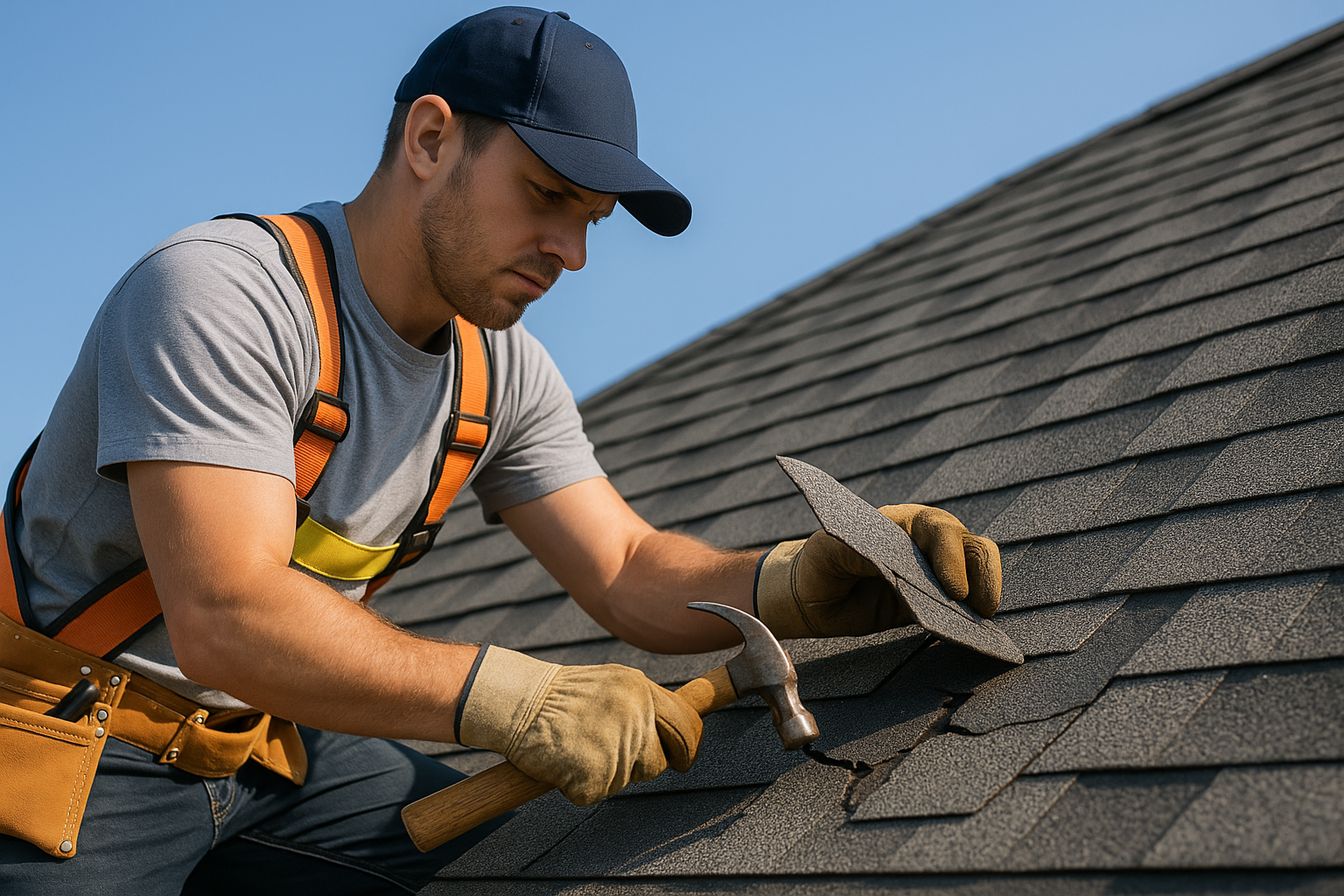
Replacing damaged or missing shingles is one of the most straightforward DIY roof leak repairs. Start by carefully removing the damaged shingle with a pry bar or utility knife, taking care not to damage surrounding shingles. Next, slide a new shingle into place and secure it with roofing nails. Apply roofing cement under each corner to ensure a watertight seal.
If you’re dealing with curled shingles, use a heat gun to soften the shingle and then press it back into place. Apply roofing cement to the edges to hold it down. This method is especially effective in the warm climate of Southern California, where sun exposure can cause shingles to curl.
For those unsure about the extent of the damage, consulting with professionals can provide peace of mind. Learn more about professional roof leak repair services for complex or large-scale issues.
Fixing Flashing and Sealant Issues
Flashing, which is used to prevent water from entering through roof joints, can cause leaks if it’s damaged or improperly installed. To repair flashing, first, remove any debris and old sealant from the area. Cut a new piece of flashing to fit, then slide it under the shingles and secure it with roofing nails.
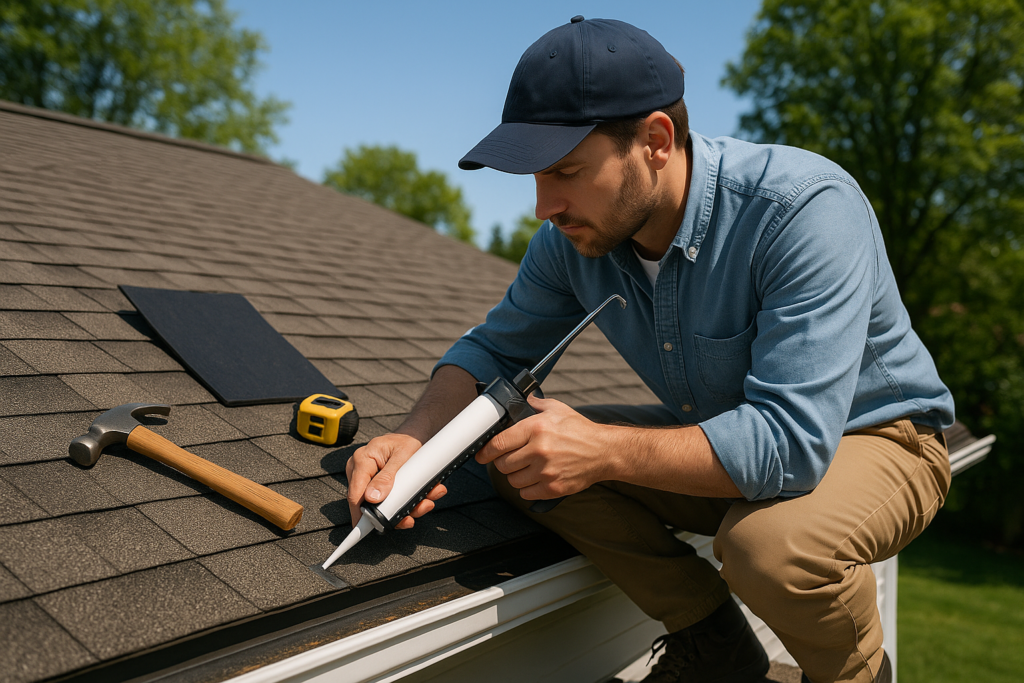
Apply a generous amount of roofing sealant around the edges of the flashing to create a watertight barrier. This technique is particularly effective around chimneys and vent pipes, where leaks are most common.
Sealant can degrade over time, so it’s important to check these areas regularly as part of your seasonal roof maintenance routine. If you notice cracking or peeling sealant, reapply it promptly to prevent leaks.
Using Roof Patches for Small Holes
For small holes or punctures in the roof, a roof patch can provide a quick and effective fix. Start by cleaning the area around the hole and cutting a patch from the same roofing material. Apply roofing cement around the hole, then place the patch over it, pressing firmly to adhere.
Use a roller or similar tool to ensure the patch is securely in place, and apply a layer of roofing cement over the patch’s edges to create a seal. This method is ideal for addressing minor damage quickly, especially when rain is imminent.
For larger holes or extensive damage, consider contacting professionals for a comprehensive repair. Our roof leak repair services provide expert solutions for more significant issues.
Safety Considerations
Essential Safety Gear
Safety should always be your top priority when performing DIY roof leak repair tips. Wear non-slip shoes to prevent falls and use a sturdy ladder with rubber feet for stability. Always inspect your ladder before use to ensure it’s in good condition.
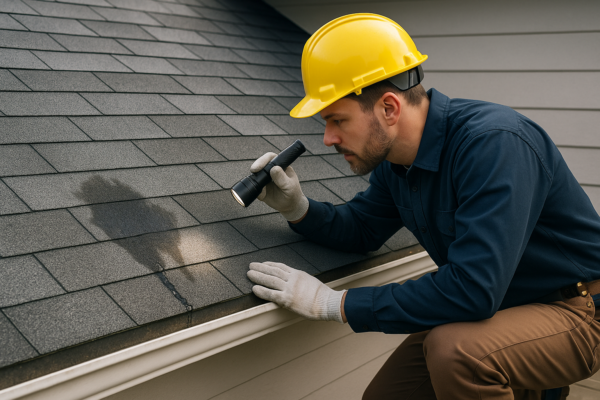
Protective gear such as gloves, goggles, and a hard hat can shield you from potential injuries. Gloves are especially important when handling sharp tools or materials, while goggles protect your eyes from debris.
Never work on the roof during wet or windy conditions, as this increases the risk of accidents. If the roof is too steep or high, consider hiring a professional to avoid unnecessary risks.
Weather Considerations
Southern California’s climate poses unique challenges for roof maintenance. The intense sun can cause roofing materials to degrade over time, while unexpected rainstorms can exacerbate existing leaks. Plan your repair work for cooler, dry days to minimize discomfort and maximize safety.
Before starting any repair, check the weather forecast to avoid being caught in the rain. A sudden storm can not only halt your progress but also worsen the damage if the roof is left exposed.
If you find yourself in an emergency situation, a temporary tarp can protect your home until conditions improve. Always prioritize safety and, if needed, delay the repair until the weather is more favorable.
When to Call a Professional
While DIY roof leak repair tips can address many minor issues, some situations require professional intervention. If you notice extensive damage, such as large holes or significant structural issues, it’s time to call in the experts.
Professional roofers have the expertise and equipment to handle complex repairs safely and efficiently. Investing in professional services can ultimately save you money by preventing further damage and extending your roof’s lifespan.
For those managing commercial properties, it’s crucial to know what maintenance practices can prevent costly repairs. Consider consulting with professionals for regular inspections and maintenance tailored to your property’s needs.
Frequently Asked Questions
What are the most common signs of a roof leak?
Common signs include water stains on ceilings or walls, mold or mildew growth, musty odors, and peeling paint. Checking your attic for visible light or damp spots can also help identify leaks.
Can I fix a roof leak myself?
Yes, many minor leaks can be addressed with DIY roof leak repair tips. However, ensure you have the proper tools and materials, and prioritize safety. For extensive damage, professional assistance is recommended.
How can I prevent future roof leaks?
Regular maintenance is key to preventing leaks. Follow a seasonal roof maintenance checklist to identify potential issues early. Keep gutters clean and inspect your roof frequently for damage.
Is it safe to work on the roof in any weather?
No, avoid working on the roof during wet or windy conditions to prevent accidents. Always check the weather forecast and choose dry, cool days for repairs.
Conclusion
By following these DIY roof leak repair tips, you can effectively address minor leaks and protect your home from water damage. Remember, regular maintenance and timely repairs are crucial in extending your roof’s lifespan. For complex issues or extensive damage, consider professional roof leak repair services to ensure the job is done safely and efficiently.