Essential Factors to Consider When Budgeting for Your Commercial Roof Replacement Project
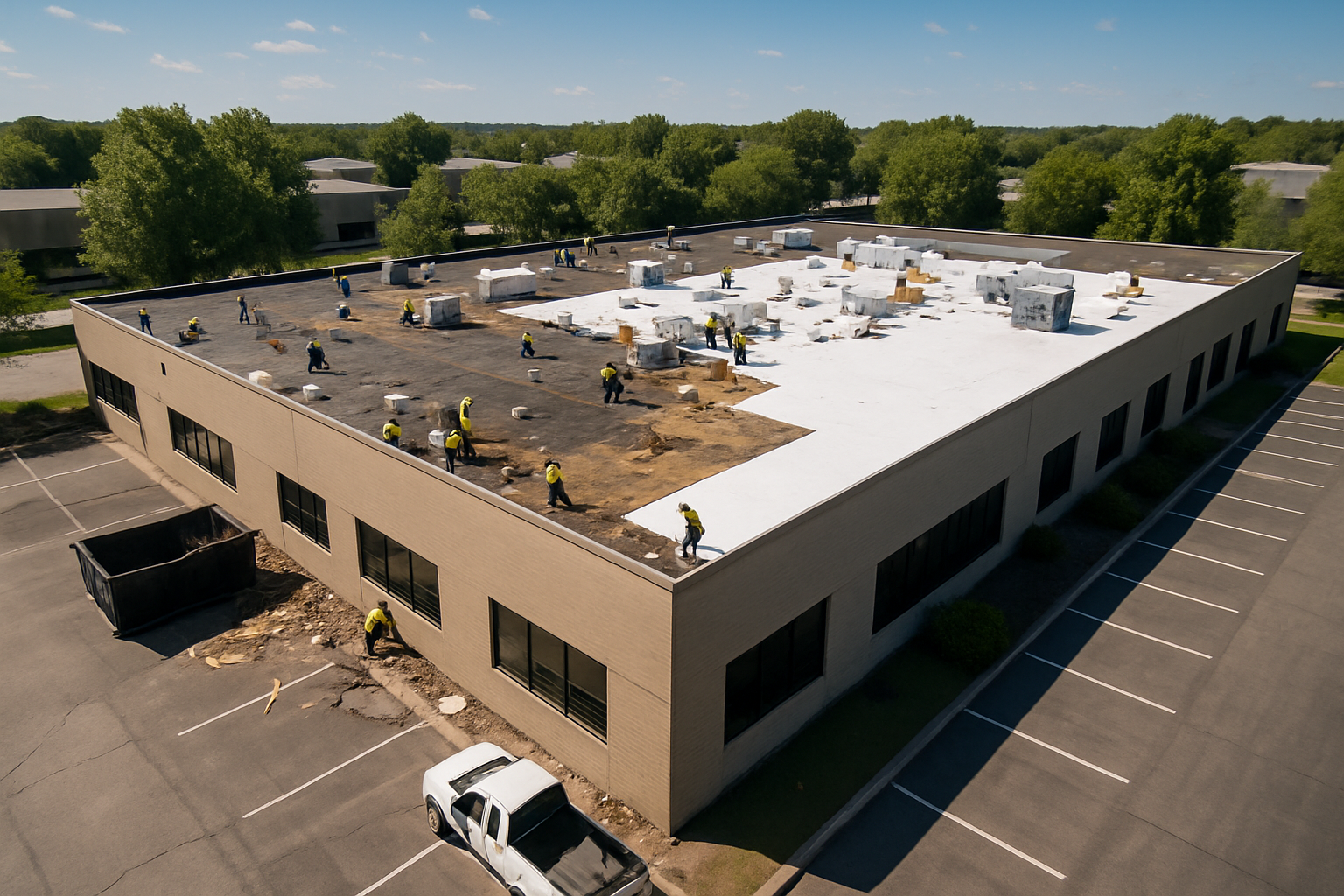
When embarking on a commercial roof replacement, understanding **what factors should I consider when budgeting for a commercial roof replacement** is crucial to ensure a successful project. From material choices to labor costs and unforeseen expenses, several key considerations will influence your budget. This comprehensive guide will explore the elements you need to consider to plan effectively and avoid unexpected financial surprises.
Key Takeaways
- Understanding the different types of commercial roofing materials is essential for budgeting.
- Labor costs can significantly impact the overall expense of a roof replacement.
- Regulatory compliance and permits may add to your budget considerations.
- Unexpected issues, like structural repairs, can increase the total cost.
- Regular maintenance can extend the life of your new roof, saving money in the long run.
Understanding Material Costs
Types of Commercial Roofing Materials
Choosing the right material for your commercial roof replacement is one of the most significant decisions influencing your budget. **What factors should I consider when budgeting for a commercial roof replacement** often begins with understanding the variety of materials available. Each material comes with its own cost, lifespan, and benefits that can affect your long-term investment.
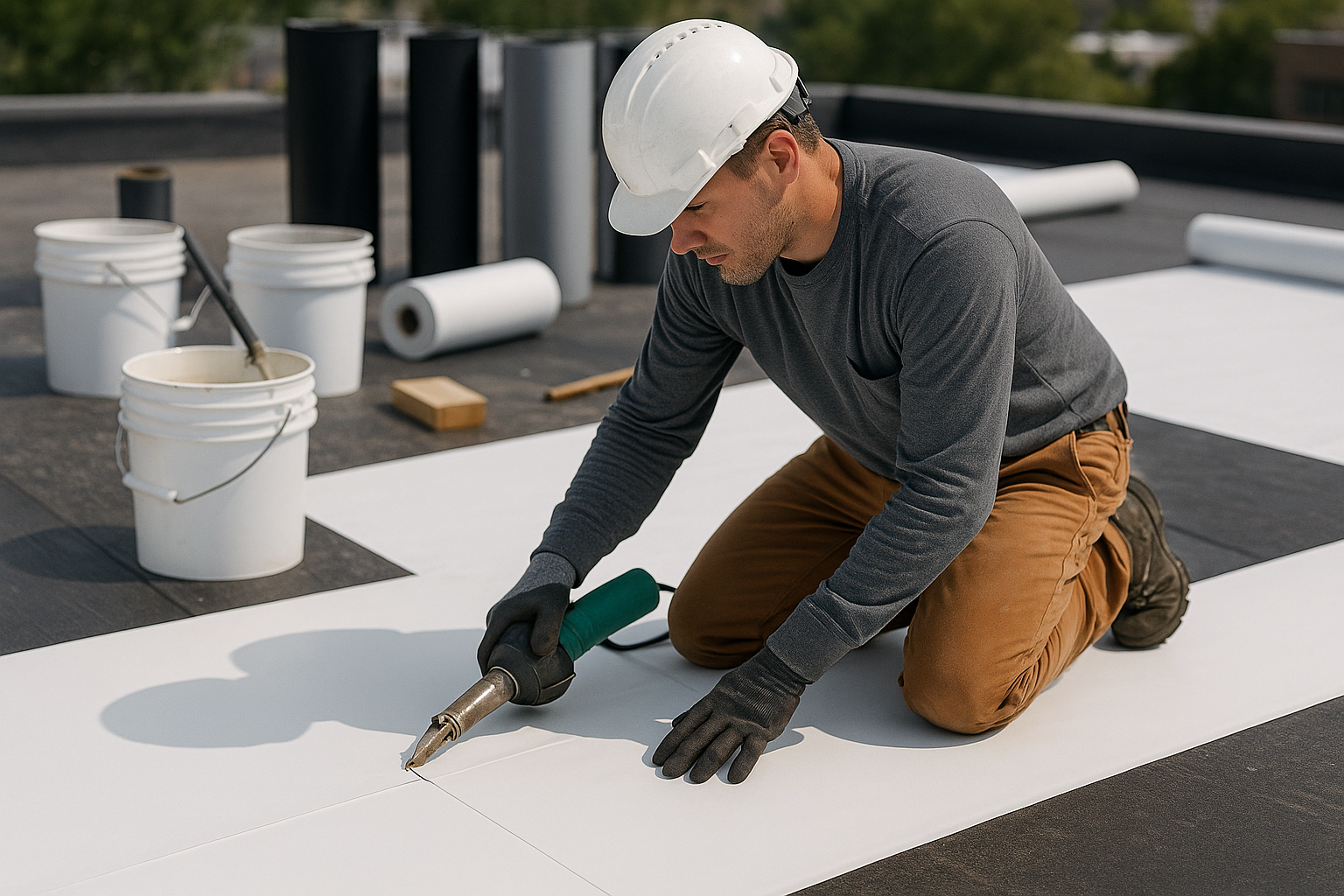
For instance, TPO (Thermoplastic Olefin) is a popular choice in Southern California due to its energy efficiency and affordability, typically costing between $5 to $9 per square foot installed. On the other hand, EPDM (Ethylene Propylene Diene Monomer) is valued for its durability, priced around $6 to $10 per square foot. It’s essential to weigh these options against your building’s needs and the local climate.
Understanding different commercial roofing types for your business can help you make an informed decision that aligns with your budget and operational requirements.
Comparing Roofing Materials
To assist in making the best choice, consider this comparison of popular commercial roofing materials:
| Material | Cost (per sq ft) | Lifespan (years) |
|---|---|---|
| TPO | $5 – $9 | 15 – 20 |
| EPDM | $6 – $10 | 20 – 25 |
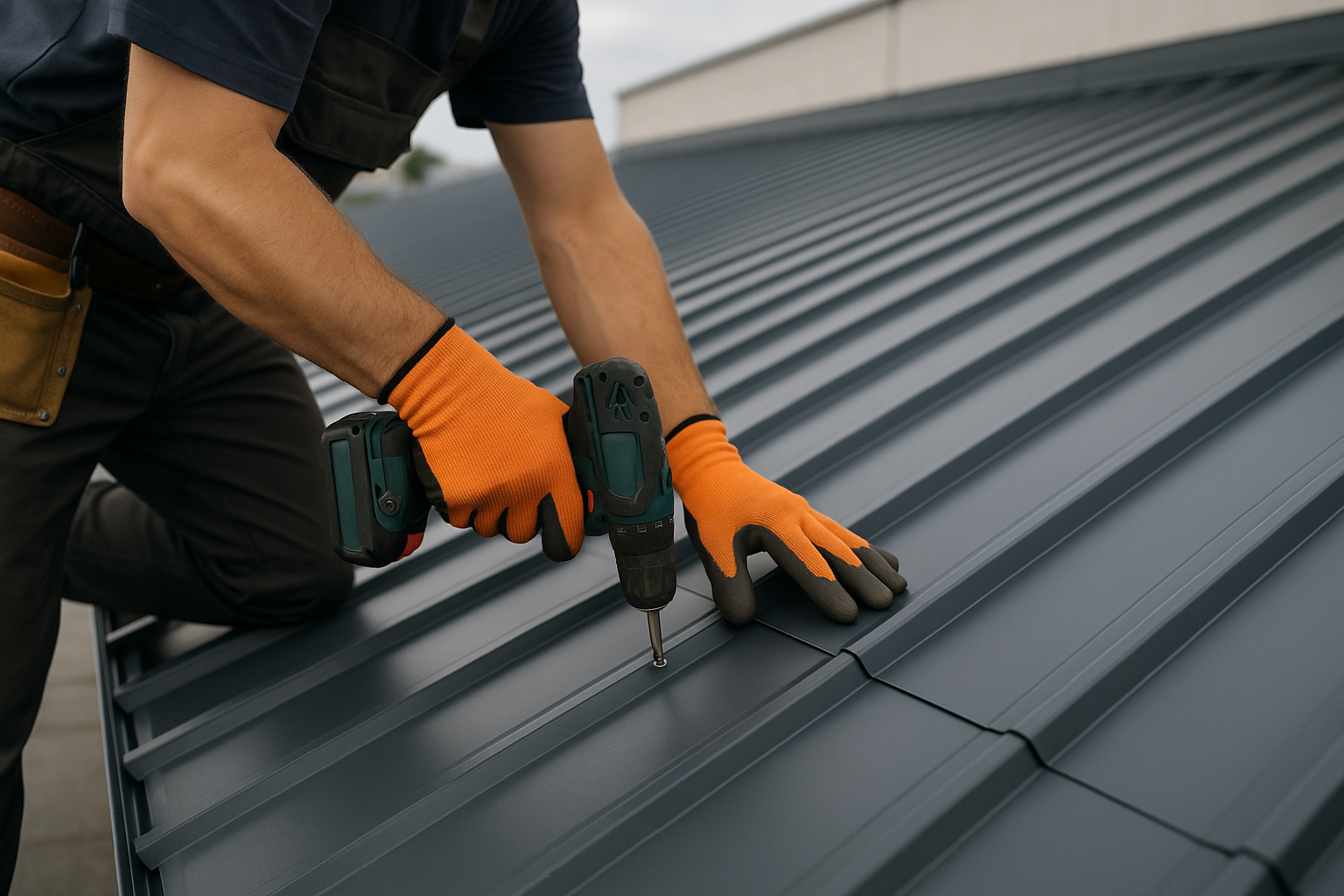
| Metal | $10 – $15 | 40 – 70 |
| Asphalt Shingles | $3 – $5 | 15 – 30 |
| Modified Bitumen | $4 – $8 | 10 – 20 |
Choosing a material involves balancing initial costs with long-term durability and energy savings. Metal roofing, for instance, offers superior longevity and reflects sunlight, reducing cooling costs—a critical factor in the hot Southern California climate.
Maintenance and Longevity
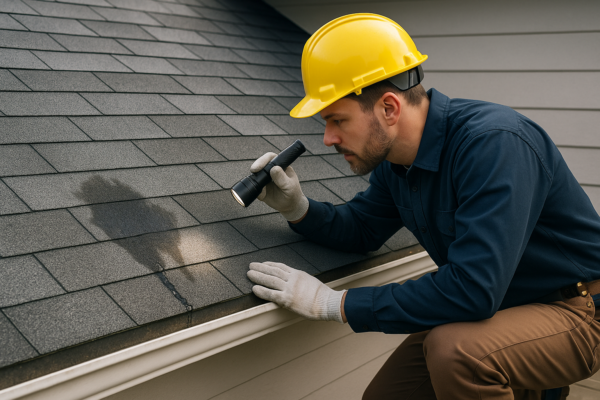
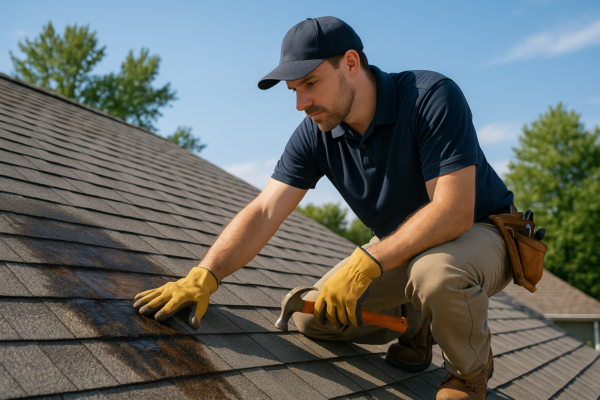
The longevity of your roofing material directly impacts your budget over time. Regular maintenance can extend the life of your roof significantly, delaying the need for another costly replacement. According to the best maintenance practices, routine inspections and swift repairs of minor issues can prevent major damage and extend your roof’s lifespan.
Incorporating these maintenance costs into your budget from the outset is wise. For instance, annual maintenance might cost around $0.15 to $0.25 per square foot, a small investment compared to the expense of premature roof failure.
Labor and Installation Costs
Factors Influencing Labor Costs
Labor costs comprise a significant portion of your commercial roof replacement budget. These costs are influenced by the complexity of the installation, the size of the roof, and the current demand for roofing services in your area. In Southern California, labor costs can range from $2 to $5 per square foot.
When considering **what factors should I consider when budgeting for a commercial roof replacement**, it’s crucial to evaluate the reputation and reliability of your roofing contractor. Learn more about comparing roofing contractors to ensure you get quality workmanship at a fair price.
Choosing the Right Contractor
Hiring the right contractor can make a significant difference not only in cost but in the quality and longevity of your roof. A detailed understanding of the factors that cause roofing leaks can help you evaluate a contractor’s expertise in preventing future issues.
When selecting a contractor, consider asking about their experience with the specific roofing material you have chosen, the warranty they offer, and their compliance with local building codes. It’s also wise to check references and reviews to gauge past client satisfaction.
Avoiding the cheapest bid is often prudent, as it may reflect lower-quality materials or less experienced laborers. Opt for contractors who provide a detailed estimate and a clear explanation of their pricing.
Regulatory Compliance and Permits
Regulations and permits can also add to the cost of your commercial roof replacement. Local building codes may require specific materials or installation methods that could impact your budget. In California, permits can range from $200 to $1,500, depending on the project size and complexity.
Ensure your contractor is knowledgeable about local regulations and includes these costs in their estimate. This foresight can prevent costly fines or delays in your project timeline, ultimately protecting your investment.
Unexpected Costs and Budget Planning
Dealing with Unforeseen Repairs
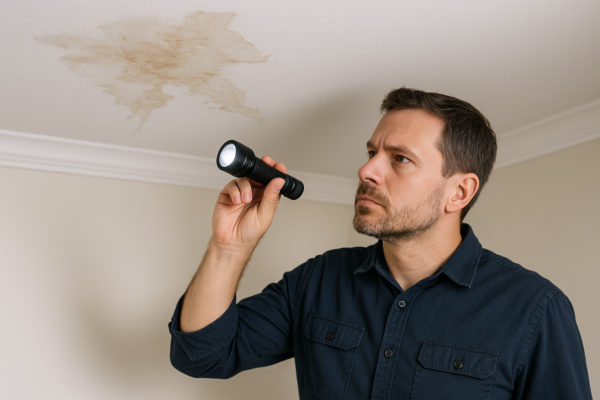
Even with meticulous planning, unforeseen issues can arise during a roof replacement project. Structural damage, mold, or water damage might not be apparent until the old roof is removed. Addressing these issues is crucial for the integrity of your new roof but can increase costs by 10% to 20%.
Being prepared for these potential costs is part of understanding **what factors should I consider when budgeting for a commercial roof replacement**. It’s advisable to allocate an additional 10% to 15% of your budget for unexpected repairs.
For more insights, consider the consequences of delaying repairs and how they can escalate costs if not promptly addressed.
Weather Considerations
The climate in Southern California can influence the timing and cost of your roof replacement. Scheduling work during the dry season can prevent weather-related delays and avoid moisture issues during installation. However, peak seasons can also mean higher demand and prices.
Considering **what factors should I consider when budgeting for a commercial roof replacement**, it’s wise to plan your project during off-peak times, if possible, to secure better pricing and availability. This strategic scheduling can contribute to a more efficient project and cost savings.
Long-term Financial Planning
Incorporating long-term financial planning into your budgeting strategy can help manage the overall costs of your roofing project. Investing in energy-efficient materials, such as cool roofing systems, can reduce utility bills, offering a return on investment over time.
Additionally, explore warranty options that can provide peace of mind and financial protection. A robust warranty can cover repairs and replacements, offsetting future expenses. Understanding these aspects is critical when considering **what factors should I consider when budgeting for a commercial roof replacement**.
Frequently Asked Questions
How can I accurately estimate the cost of a commercial roof replacement?
To estimate the cost accurately, consider material, labor, permit fees, and potential unforeseen repairs. Consulting with experienced roofing contractors who provide detailed estimates can offer a clearer picture of expected expenses.
What are the benefits of choosing a more expensive roofing material?
More expensive materials, such as metal roofing, typically offer greater durability, longer lifespan, and energy efficiency. These benefits can lead to lower maintenance costs and utility savings, making them a worthwhile investment over time.
How does the choice of contractor affect my budget?
The choice of contractor can significantly impact your budget. A reputable contractor may charge more upfront but can ensure quality workmanship, reducing the likelihood of costly repairs and issues in the future.
Is it necessary to budget for maintenance after a roof replacement?
Yes, budgeting for regular maintenance is crucial. It helps extend the lifespan of your roof, prevent potential damage, and avoid costly repairs. Plan for annual inspections and minor repairs as part of your long-term budget strategy.
Conclusion
Understanding **what factors should I consider when budgeting for a commercial roof replacement** involves a comprehensive evaluation of material costs, labor, and potential unforeseen expenses. By carefully selecting materials, choosing the right contractor, and planning for future maintenance, you can manage costs effectively and ensure a successful roof replacement project. For more detailed guidance, explore our commercial roofing services to make informed decisions that align with your business needs and budget.