
5 Essential Steps to Effectively Assess Your Commercial Roof’s Condition Before Repairs
If you’re asking, “How can I assess the condition of my commercial roof before repairs?”, you’re already on the right track to ensuring your building’s longevity and safety. Assessing your roof’s condition effectively can prevent costly damages and unexpected disruptions. In this guide, we’ll walk you through the essential steps to evaluate your commercial roof, helping you make informed decisions about necessary repairs or replacements.

Key Takeaways
- Regular roof inspections can significantly extend the lifespan of your commercial roof.
- Understanding the specific signs of damage can help in early detection and repair.
- Consider hiring professional services for a thorough assessment and accurate estimates.
- Familiarize yourself with the impact of local climate conditions on your roofing materials.
- Proper maintenance practices can prevent costly repairs in the future.
Step 1: Initial Visual Inspection
Identifying Visible Signs of Damage
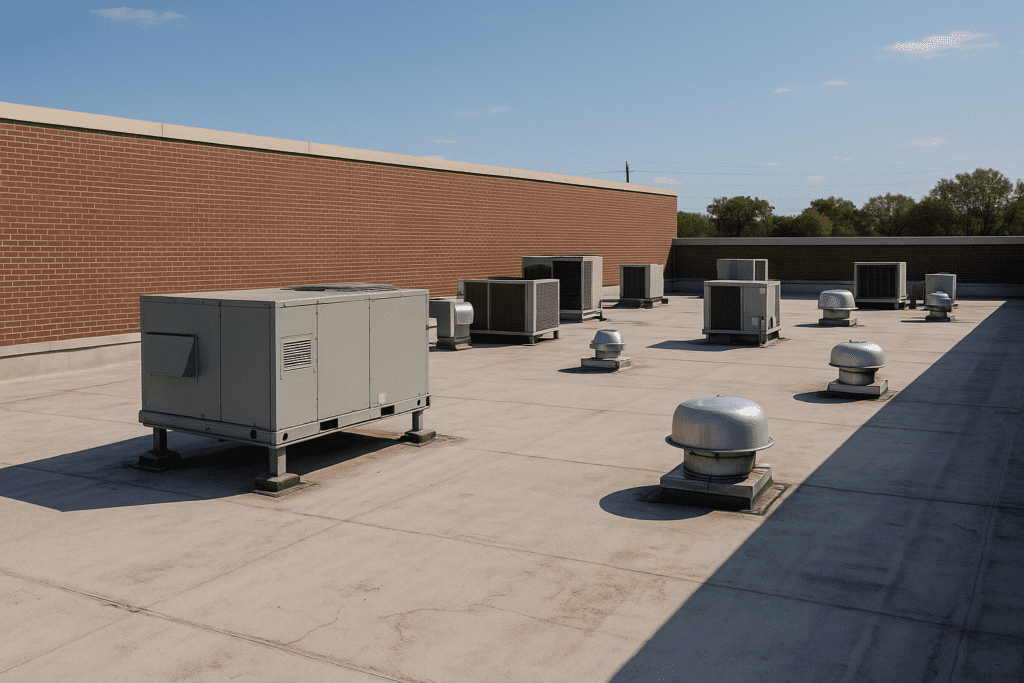
The first step in assessing your commercial roof is conducting a thorough visual inspection. Look for obvious signs of wear and tear such as cracks, blisters, or punctures. These can indicate underlying issues that may require immediate attention. Pay particular attention to areas around roof penetrations, such as HVAC installations, as these are common sites for leaks.
In the context of **Southern California’s climate**, consider the effects of prolonged sun exposure, which can lead to material degradation. Identifying these signs early can prevent extensive damage and high repair costs. For a more detailed understanding, you can read about common issues with commercial roofing systems.
Checking for Water Damage and Leaks
Water damage is a critical issue that can compromise the structural integrity of your roof. During your inspection, look for water stains on the ceiling, which often indicate a leak. Additionally, check the roofing material for any pooling water, especially after rain. In Southern California, heavy rains can cause significant damage if your drainage system is not functioning correctly.
For more insights on handling leaks, consider exploring roof leak repair services to understand how professionals address these issues.
Step 2: Detailed Roof Condition Assessment
Understanding Roofing Material Vulnerabilities
Different roofing materials have unique vulnerabilities. For instance, asphalt-based roofs might show granule loss, while metal roofs may exhibit rust or corrosion. Understanding these specifics is crucial for an accurate assessment. Regular inspection can help identify these vulnerabilities before they escalate into more significant problems.
For businesses considering a material change, learning about different commercial roofing types can provide valuable insight into what options might be best for your building.
Utilizing Professional Inspection Services
While a visual inspection can catch obvious issues, hiring a professional for a detailed inspection ensures a comprehensive evaluation. Professionals use tools like infrared scanners to detect moisture beneath the surface, which is not visible to the naked eye. This technology helps in identifying hidden water damage that could lead to mold growth or structural damage.
Engaging with professionals also provides access to detailed reports and repair estimates. This can be particularly beneficial if you’re trying to decide between repairing or replacing your commercial roof.
Step 3: Climate Impact Evaluation
Assessing Damage from Weather Conditions
In Southern California, climate plays a significant role in roofing wear and tear. Intense UV rays can cause materials to crack and fade, while occasional heavy rains can test the durability of your roof’s waterproofing. Knowing how extreme weather conditions affect commercial roofing can help in preparing for and mitigating climate-related damages.
This understanding allows building owners to choose materials that can withstand local weather conditions, ultimately reducing repair frequency and costs.
Evaluating Insulation and Energy Efficiency
Insulation not only affects your building’s energy efficiency but also plays a role in the roof’s longevity. Poor insulation can lead to heat loss and increased energy bills. During an assessment, check the insulation for any signs of wear or damage. Investing in energy-efficient solutions can lead to long-term savings and improved comfort.
For guidance on which roofing types offer better energy efficiency, consider reading about energy-efficient roofing options.
Frequently Asked Questions
How often should I inspect my commercial roof?
Ideally, you should inspect your commercial roof at least twice a year. Regular inspections help identify potential problems before they become serious issues. It’s also advisable to inspect after major storms or extreme weather events.
What are the common signs that my roof needs repair?
Common signs that your roof may need repair include visible damage such as cracks or blisters in the roofing material, water stains on ceilings, and increased energy bills due to poor insulation. If you notice any of these, it might be time to consult a professional.
Is it better to repair or replace my commercial roof?
This decision depends on the extent of the damage and the age of your roof. If damage is localized and the roof is relatively new, repairs might suffice. However, if the roof is old and damaged extensively, replacement could be more cost-effective in the long run. Consulting with experts can provide clarity on repair versus replacement costs.
Conclusion
Understanding how you can assess the condition of your commercial roof before repairs is crucial for maintaining the integrity and value of your property. By conducting regular inspections, understanding material vulnerabilities, and considering local climate impacts, you can make informed decisions about necessary repairs. For comprehensive solutions, consider professional services that offer detailed evaluations and expert guidance. Regular maintenance and timely repairs are key to preventing costly damage and ensuring the longevity of your commercial roof. For more information, visit our Roof Leak Repair Services.
