Explore Sustainable Choices: Eco-Friendly Commercial Roofing Solutions for a Greener Future
In an era where sustainability is more crucial than ever, businesses are increasingly seeking **eco-friendly options available for commercial roofing solutions**. These sustainable solutions not only reduce environmental impact but also offer long-term cost savings. In this article, we will explore various green roofing materials and technologies that can help businesses in the San Gabriel Valley and beyond achieve their sustainability goals.
Key Takeaways
- Eco-friendly roofing solutions offer environmental benefits and long-term cost savings.
- Green roofs, cool roofs, and solar panel integration are popular sustainable options.
- Understanding the local climate is crucial for selecting the right roofing material.
- Financing options may be available to assist with the initial investment in sustainable roofs.
- Regular maintenance is key to maximizing the lifespan and efficiency of eco-friendly roofs.
Understanding Eco-Friendly Roofing Options
Green Roofs: Bringing Nature to Your Building
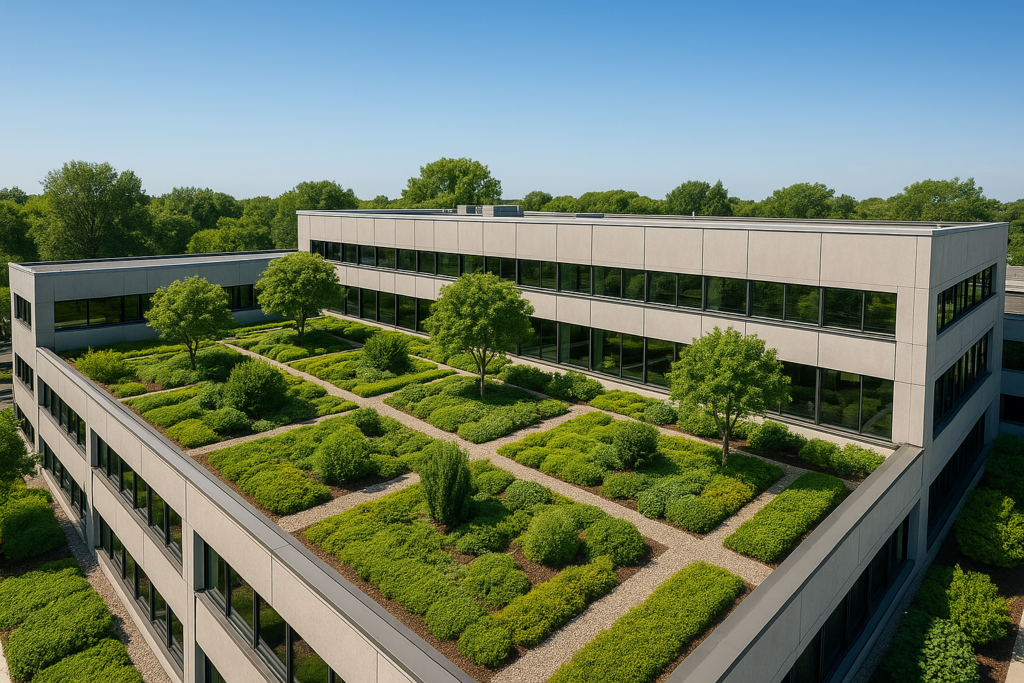
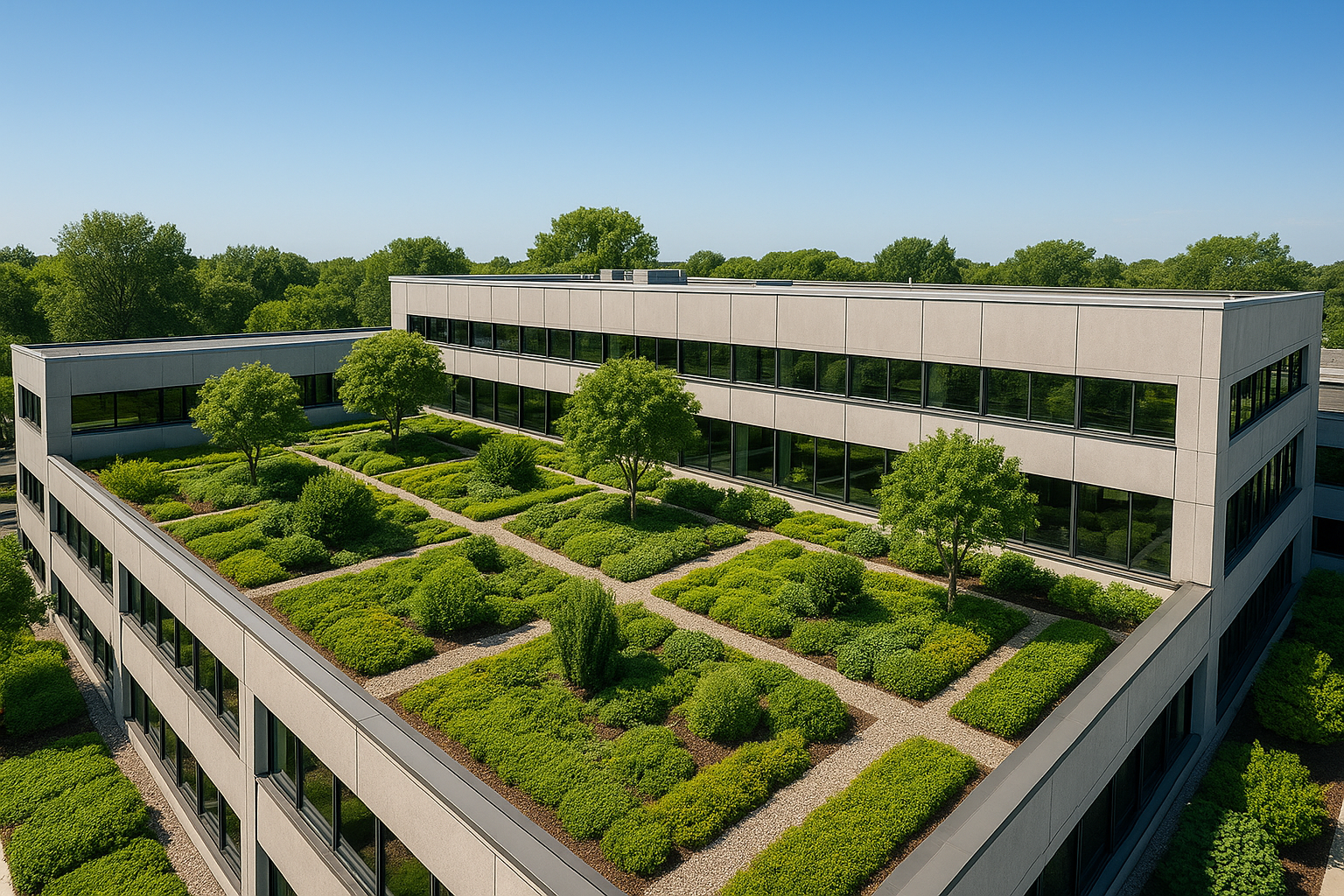
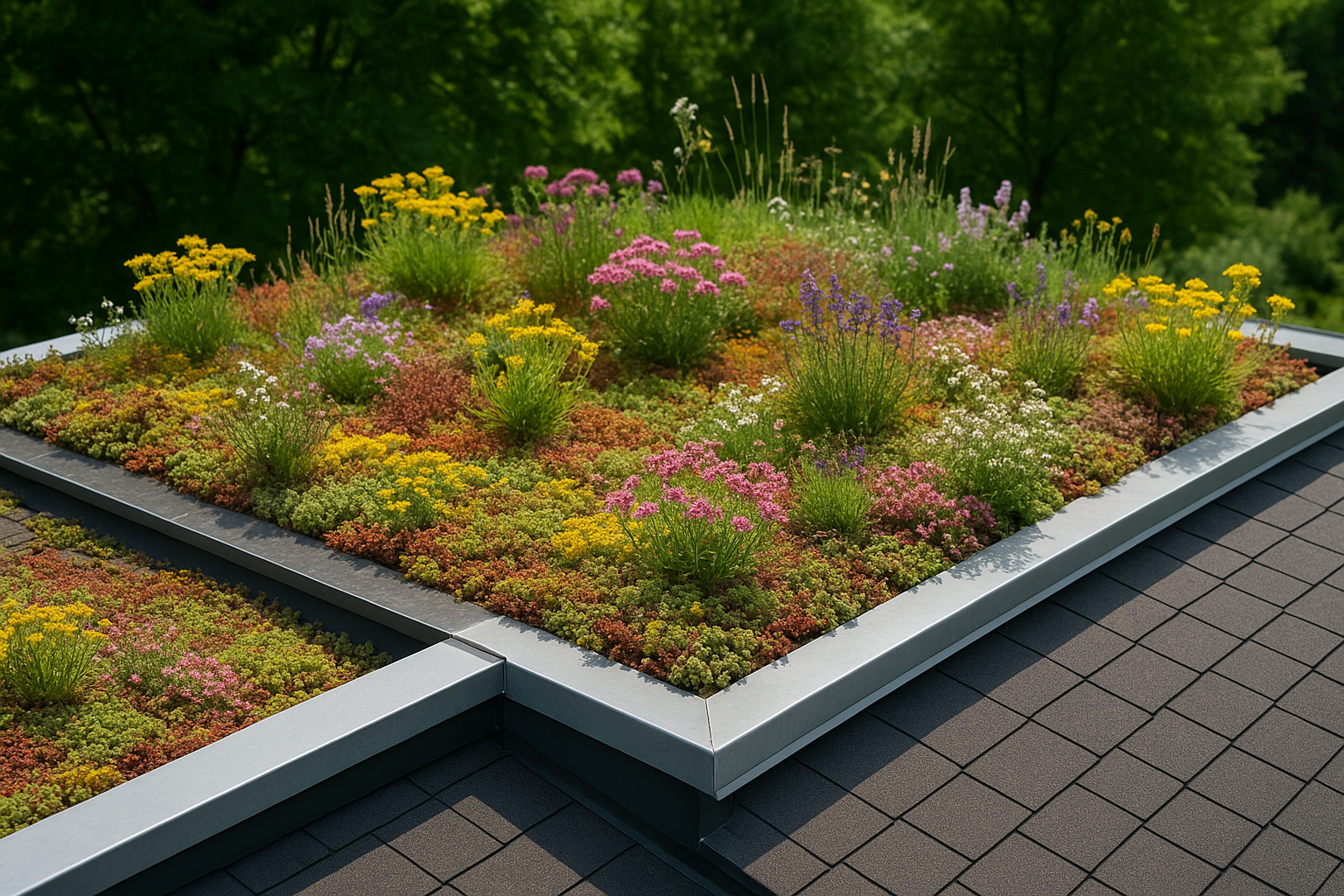
**Green roofs** are a sustainable roofing solution that involves the installation of vegetation on a roof structure. These roofs offer numerous benefits, including improved air quality, enhanced insulation, and stormwater management. In the **San Gabriel Valley**, where temperatures can soar, green roofs provide a natural cooling effect, reducing the need for air conditioning.
The cost of installing a green roof can vary significantly based on factors such as the size of the building and the type of vegetation used. On average, you can expect to spend between $10 and $25 per square foot. However, the investment can lead to significant savings on energy bills and extend the lifespan of your roof.
Cool Roofs: Reflective and Energy-Efficient
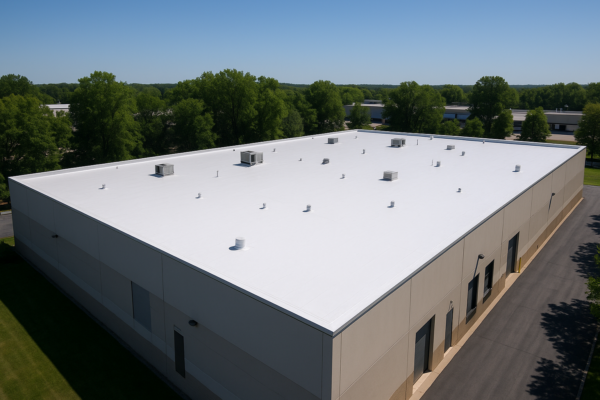
**Cool roofs** are designed to reflect more sunlight and absorb less heat compared to standard roofing materials. This is particularly beneficial in sunny climates like Southern California, where reducing heat absorption can lower energy costs significantly. Cool roofs can be made from a variety of materials, including reflective paint, sheet coverings, and reflective tiles or shingles.
When considering cool roofs, it’s essential to evaluate the reflective properties of different materials. For instance, a highly reflective roof can reduce rooftop temperatures by up to 50 degrees Fahrenheit, making it a smart choice for energy efficiency.
Integrating Solar Panels: Harnessing Renewable Energy
Integrating solar panels into your commercial roofing system can transform your building into a renewable energy powerhouse. Solar panels reduce dependence on grid electricity and can significantly cut down energy expenses. In California, where sunlight is abundant, solar panels are an excellent investment for businesses looking to go green.
The initial cost of installing solar panels can range from $15,000 to $40,000, depending on the size and energy needs of your business. However, many businesses find the investment worthwhile due to available tax incentives and long-term energy savings. Consider exploring financing options to offset upfront costs.
Comparing Eco-Friendly Roofing Materials
Material Options and Their Benefits
When it comes to **eco-friendly options available for commercial roofing solutions**, several materials stand out for their sustainability and performance. Let’s compare some popular choices:
| Material | Benefits | Cost Range (per sq. ft.) |
|---|---|---|
| Metal Roofing | Durable, recyclable, energy-efficient | $5 – $12 |
| EPDM (Ethylene Propylene Diene Monomer) | Heat reflective, cost-effective | $4 – $8 |
| TPO (Thermoplastic Olefin) | Heat-weldable, reflective, weather-resistant | $5 – $9 |
| Green Roof | Insulating, stormwater management, aesthetic | $10 – $25 |
| Cool Roof Coatings | Reflective, reduces heat absorption | $0.75 – $1.50 |
Choosing the Right Material for Your Climate
When selecting a roofing material, consider the climate in your area. In Southern California, where heat is a significant concern, **cool roofs** and **green roofs** can help mitigate high temperatures. Additionally, durability is crucial, especially in areas prone to intense sun exposure and occasional heavy rains.
Consult with a roofing professional to assess the best material for your building’s needs and environmental conditions. They can provide insights into how different materials perform over time, especially in the unique climate of the San Gabriel Valley.
Cost Considerations and Long-Term Savings
While the initial investment in **eco-friendly roofing solutions** may be higher than traditional options, the long-term savings and environmental benefits often justify the cost. Reflective materials, for instance, can reduce cooling costs by up to 20%. Meanwhile, **green roofs** can double the lifespan of your roof by protecting it from UV rays and extreme temperatures.
For businesses concerned about upfront costs, various financial incentives and rebates are available. Understanding the costs of different roofing systems and potential savings can help you make an informed decision.
Implementation and Maintenance Tips
Installation Best Practices
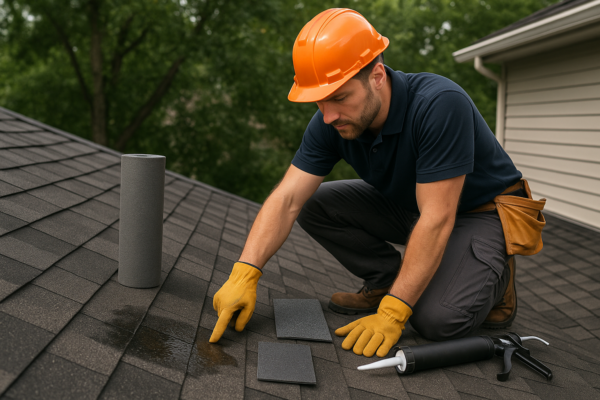
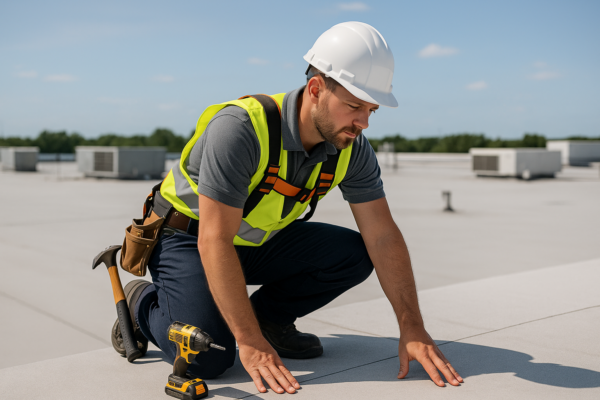
Proper installation is crucial for the performance and longevity of **eco-friendly roofing solutions**. Working with experienced contractors who understand the unique challenges of installing sustainable materials is essential. They can ensure compliance with local building codes and recommend the best practices for your specific roofing system.
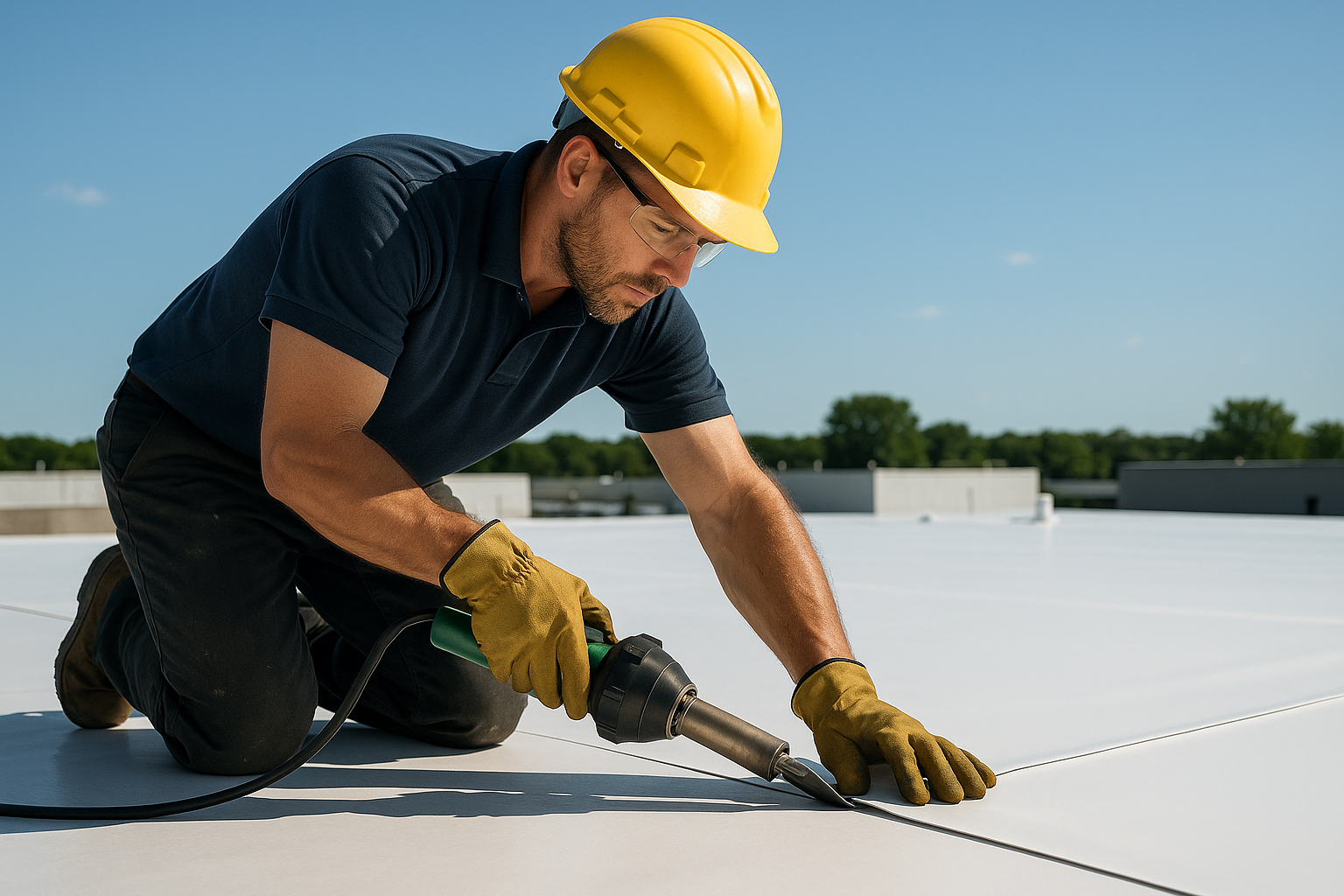
Installation timelines can vary depending on the type of roofing material chosen. For example, **green roofs** may require additional time for landscaping and irrigation setup, whereas **cool roofs** can often be installed more quickly.
Routine Maintenance for Longevity
Regular maintenance is essential to maximize the lifespan and efficiency of your **eco-friendly roofing**. This includes routine inspections, cleaning to prevent debris buildup, and addressing any minor damages promptly. For **green roofs**, maintenance might involve ensuring proper irrigation and replacing any dead or damaged vegetation.
- Schedule bi-annual inspections to catch issues early.
- Keep gutters and drains clear to prevent water pooling.
- Repair minor damages immediately to avoid larger problems.
- For solar panels, ensure they are free from obstructions to maximize energy capture.
Adapting to Changing Weather Patterns
Climate change is leading to more frequent and severe weather events, making it vital for commercial roofs to be resilient. In Southern California, this means preparing for both extreme heat and heavy rain. Opting for materials that can withstand these changes, like **TPO or metal roofing**, ensures your investment remains sound.
Understanding how weather conditions affect roofing installations can help you plan appropriately and choose materials that offer the best protection against unforeseen weather changes.
Frequently Asked Questions
Are there eco-friendly options available for commercial roofing solutions?
Yes, there are several **eco-friendly options available for commercial roofing solutions**. These include green roofs, cool roofs, and solar panel integration, all designed to reduce environmental impact while providing economic benefits.
What is the cost of installing a green roof compared to traditional roofing?
Green roofs generally cost more upfront, ranging from $10 to $25 per square foot, compared to traditional materials. However, their long-term benefits, such as energy savings and extended roof life, often offset the initial investment.
How do cool roofs help in reducing energy costs?
Cool roofs are designed to reflect more sunlight and absorb less heat, which can significantly reduce indoor cooling costs by maintaining lower temperatures inside the building. This is particularly effective in sunny regions like Southern California.
What maintenance is required for eco-friendly roofs?
Eco-friendly roofs require regular maintenance, including inspections, cleaning, and repairs. Green roofs may also need irrigation and plant care. Proper maintenance ensures these roofs perform efficiently and last longer.
Conclusion
Choosing **eco-friendly options available for commercial roofing solutions** is a smart decision for businesses looking to reduce their environmental footprint and save on energy costs. Green roofs, cool roofs, and solar panels are among the top choices that offer both ecological and economic benefits. By considering your local climate, evaluating material options, and maintaining your roof properly, you can ensure a sustainable and cost-effective roofing solution for your business. For more information, visit our Roof Leak Repair Services.