Roof Repair Materials vs Traditional Options: What’s Best?
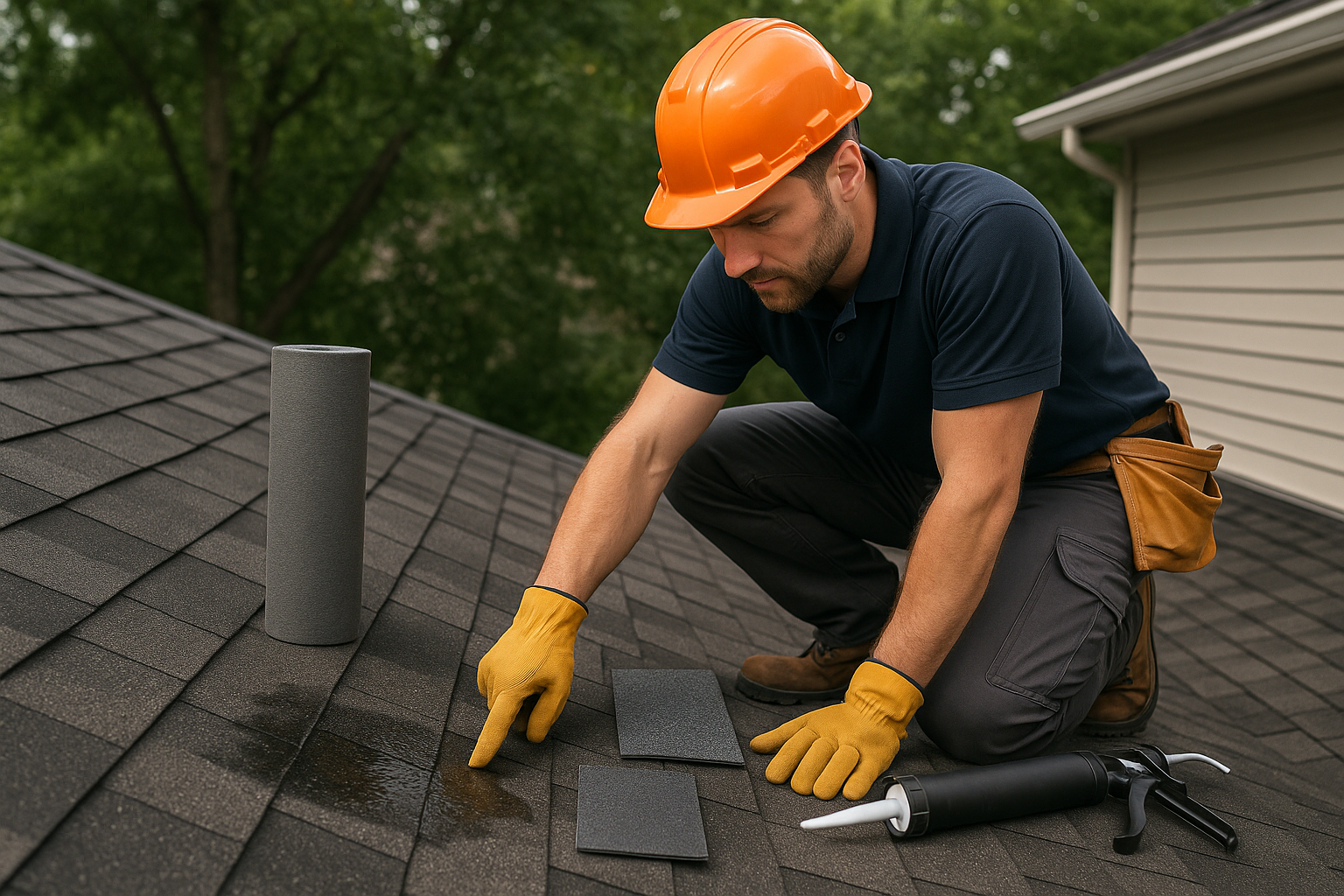
When faced with a leaky roof, the choice of repair materials can significantly impact both the effectiveness and longevity of the solution. Understanding the **best roofing materials for leaks** is crucial for homeowners in Southern California, where weather conditions can vary significantly. From modern synthetic options to time-tested traditional materials, selecting the right product can prevent further damage and extend the life of your roof.
Key Takeaways
- Choosing the right roof repair materials can prevent future leaks and extend roof lifespan.
- Modern materials often offer enhanced durability and energy efficiency compared to traditional options.
- Understanding local climate conditions is essential when selecting roofing materials.
- Cost, material type, and installation complexity should all factor into your decision.
- Consulting with professionals can help you choose the best roofing materials for leaks.
Modern Roof Repair Materials
Advantages of Synthetic Materials
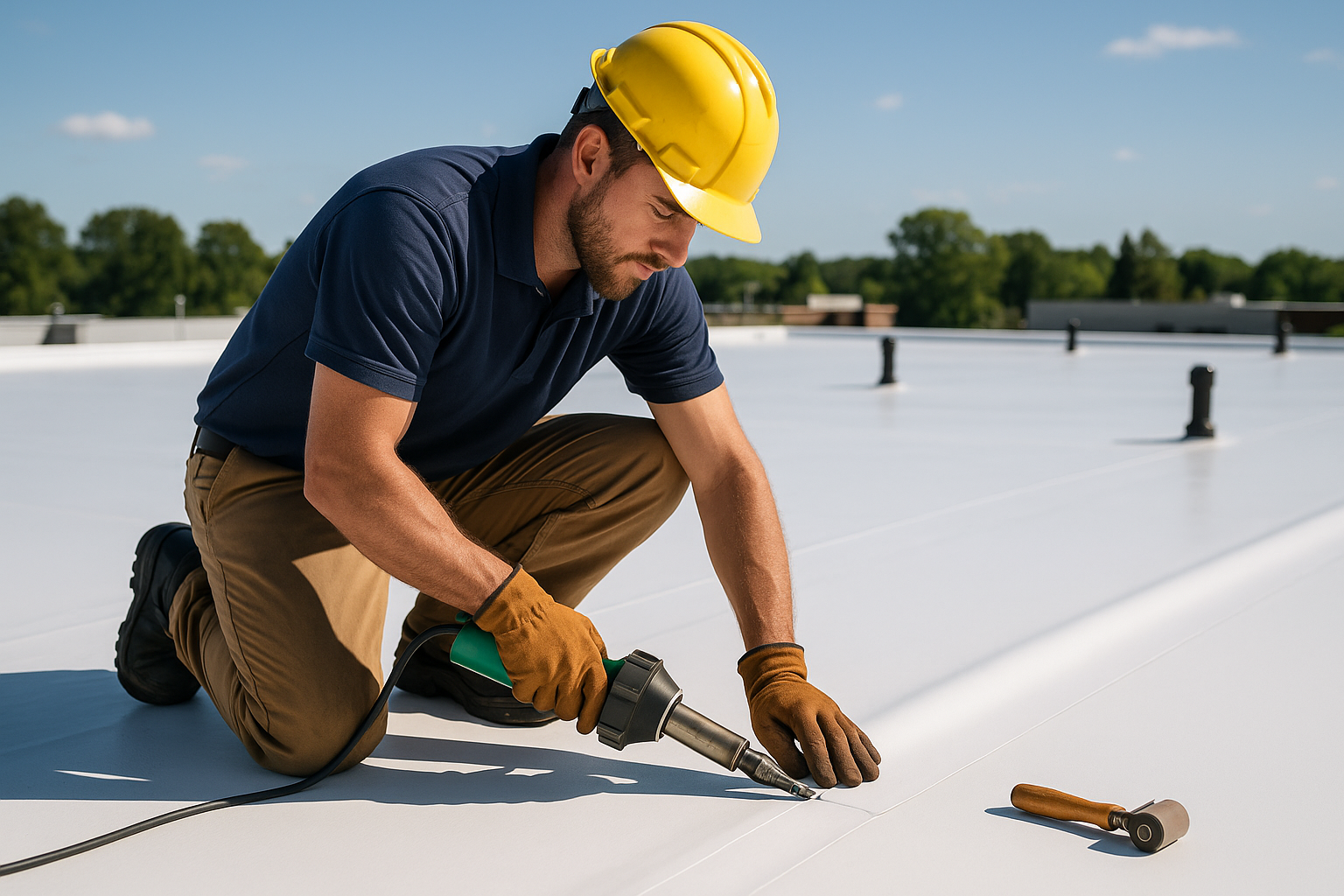
Modern synthetic materials have gained popularity due to their durability and versatility. These materials often provide superior protection against leaks, especially in climates like Southern California, where UV exposure and temperature fluctuations are common. Materials such as TPO (Thermoplastic Olefin) and EPDM (Ethylene Propylene Diene Monomer) are known for their excellent resistance to weathering and their ability to form a watertight seal.
Synthetic options can be especially beneficial for flat roofing systems commonly found in commercial properties. For more insights on the best materials for such environments, you might consider looking at commercial roofing materials comparisons, which provide detailed analyses of various options.
Cost-Effectiveness and Longevity
While synthetic materials can be more expensive upfront, they often prove to be cost-effective over time. Their long lifespan and minimal maintenance requirements can save homeowners significant repair costs. For instance, TPO roofs have a lifespan of 15-20 years and cost around $5-$8 per square foot installed. EPDM roofs, on the other hand, can last up to 30 years and typically cost between $4 and $6 per square foot.
For those considering energy savings alongside durability, synthetic materials often reflect more sunlight, reducing cooling costs. To explore more energy-saving options, visit our page on energy-efficient roofing materials.
Environmental Considerations
Synthetic roofing materials can also be environmentally friendly. Many are recyclable and can contribute to a building’s energy efficiency, lowering overall environmental impact. By selecting materials that align with sustainable practices, you can reduce your carbon footprint while still choosing the **best roofing materials for leaks**.
Additionally, some synthetic options can qualify for LEED credits, making them an attractive choice for environmentally conscious homeowners and businesses. For more on eco-friendly roofing options, you can read about top choices for energy-saving roofs.
Traditional Roofing Materials
Asphalt Shingles
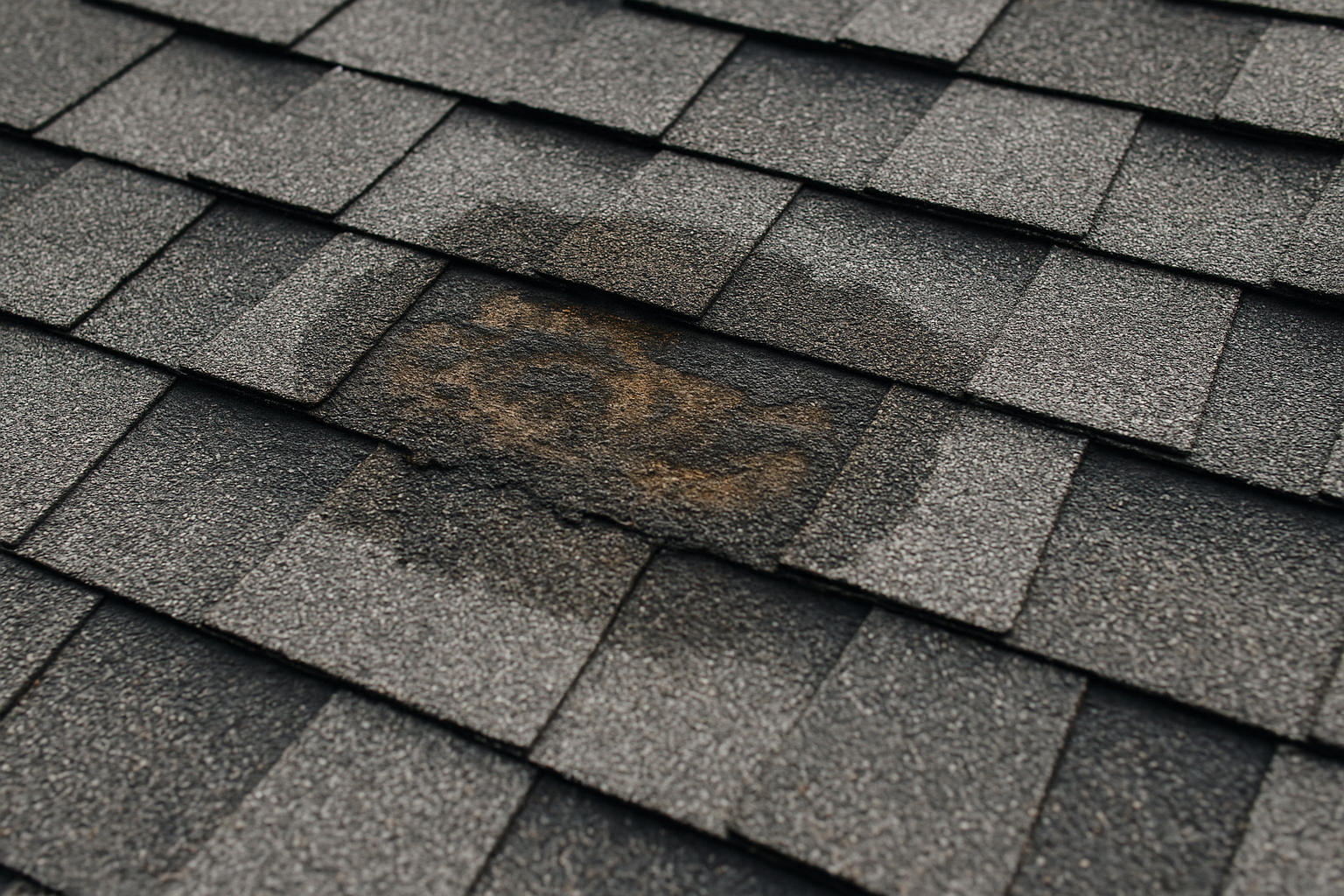
Asphalt shingles are one of the most popular traditional roofing materials due to their affordability and ease of installation. They are a common choice for homeowners looking to repair leaks because they are widely available and can be installed quickly. However, their lifespan is generally shorter compared to modern synthetic materials, lasting about 15-20 years.
Despite their shorter lifespan, asphalt shingles can still be a practical option if you need a cost-effective and quick solution. For a detailed comparison of asphalt with other materials, you can check out the benefits of asphalt and metal roof repair materials.
Clay and Concrete Tiles
In areas like Southern California, where aesthetics and durability are equally important, clay and concrete tiles are highly favored. Known for their longevity, these materials can last over 50 years with proper maintenance. They are excellent for managing the region’s temperature fluctuations, providing natural insulation, and offering a distinctive look.
However, the installation of clay and concrete tiles can be complex and costly. They typically range from $10 to $15 per square foot, excluding the cost of additional structural support that may be necessary due to their weight. Despite these costs, their longevity and minimal maintenance can make them a worthwhile investment.
Wood Shakes and Shingles
Wood shakes and shingles offer a unique and natural appearance, making them a popular choice for historic or rustic-style homes. While aesthetically pleasing, these materials require significant maintenance to prevent rot, insect damage, and mold growth, especially in humid environments.
The cost of wood shakes and shingles can vary widely, with prices ranging from $6 to $12 per square foot. For those interested in traditional aesthetics with modern performance, alternatives like synthetic wood shakes offer a similar look with enhanced durability.
Comparing Roof Repair Materials
Performance and Durability
When evaluating the **best roofing materials for leaks**, performance and durability are key considerations. The table below compares some popular options based on their longevity and resistance to leaks:
| Material | Average Lifespan | Leak Resistance |
|---|---|---|
| TPO | 15-20 years | High |
| EPDM | 20-30 years | High |
| Asphalt Shingles | 15-20 years | Moderate |
| Clay Tiles | 50+ years | High |
| Wood Shakes | 20-30 years | Moderate |
Cost and Installation
Another important factor is the cost and complexity of installation. Here are some practical tips to consider when budgeting for roof repairs:
- Request multiple quotes to compare prices from different contractors.
- Factor in additional costs for structural support if using heavy materials like tiles.
- Consider long-term maintenance costs, not just upfront installation expenses.
- Investigate potential savings from energy-efficient roofing materials.
Understanding these elements can help you make an informed decision and choose the best materials to fix roof leaks.
Climate and Environmental Suitability
The climate in Southern California plays a significant role in determining the effectiveness of roofing materials. It’s crucial to choose materials that can withstand high temperatures and UV exposure while providing adequate insulation during cooler months.
For example, while wood shakes may offer aesthetic appeal, they may not perform as well in the hot, dry climate of Southern California compared to synthetic materials like TPO or EPDM, which are designed to handle such conditions. For more on types of roofing materials suitable for different climates, see types of roofing materials for businesses.
Frequently Asked Questions
What are the most durable roofing materials for leak prevention?
Synthetic materials like TPO and EPDM are among the most durable for preventing leaks. They offer high resistance to weathering and UV exposure, making them suitable for the Southern California climate.
How do I choose the right roofing material for my climate?
Consider materials that are specifically designed to handle local weather conditions. For example, in Southern California, materials that reflect sunlight and withstand high temperatures are ideal. Consulting a roofing expert can provide tailored advice.
Are traditional roofing materials still viable options?
Yes, traditional materials such as asphalt shingles and clay tiles can still be viable, especially when aesthetic appeal and cost are primary concerns. However, they may require more maintenance and have shorter lifespans compared to modern options.
What are the cost differences between synthetic and traditional materials?
Synthetic materials like TPO and EPDM generally have higher upfront costs but lower maintenance expenses over time. Traditional materials like asphalt shingles are cheaper initially but may incur higher repair and maintenance costs in the long run.
Conclusion
Choosing the **best roofing materials for leaks** involves considering factors like durability, cost, and environmental suitability. Modern synthetic materials often provide superior performance and longevity compared to traditional options, making them a wise investment for homeowners in Southern California. For personalized advice and professional installation, consider exploring Roof Titan’s leak repair services, ensuring your roof remains leak-free and durable for years to come.