Breaking Down the Costs of Various Commercial Roofing Systems: What to Expect
Understanding what are the costs associated with different types of commercial roofing systems is crucial for any business planning to undertake a roofing project. With a myriad of options available, each with its distinct pricing and benefits, it’s essential to be informed about your choices. This guide will delve into the costs, key factors influencing them, and practical advice to help you make the best decision for your commercial property.
Key Takeaways
- Commercial roofing costs vary significantly based on materials, labor, and the complexity of the installation.
- Popular roofing systems include TPO, EPDM, and metal roofs, each with unique cost structures and benefits.
- Understanding potential hidden costs and maintenance expenses is critical for accurate budgeting.
- Choosing energy-efficient roofing can lead to long-term savings on utility bills.
- Regular maintenance can extend the lifespan of your roofing system, reducing overall costs.
Understanding the Costs of Different Commercial Roofing Systems
TPO Roofing Systems
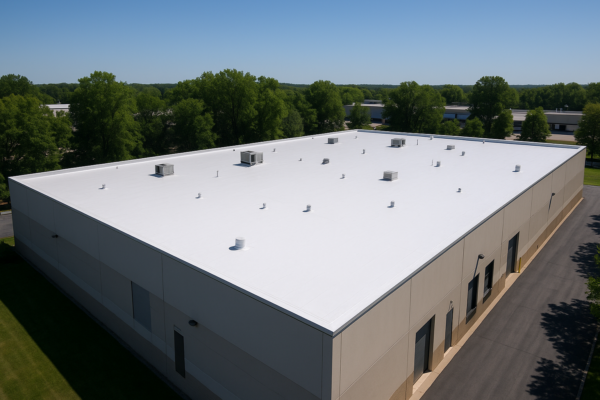
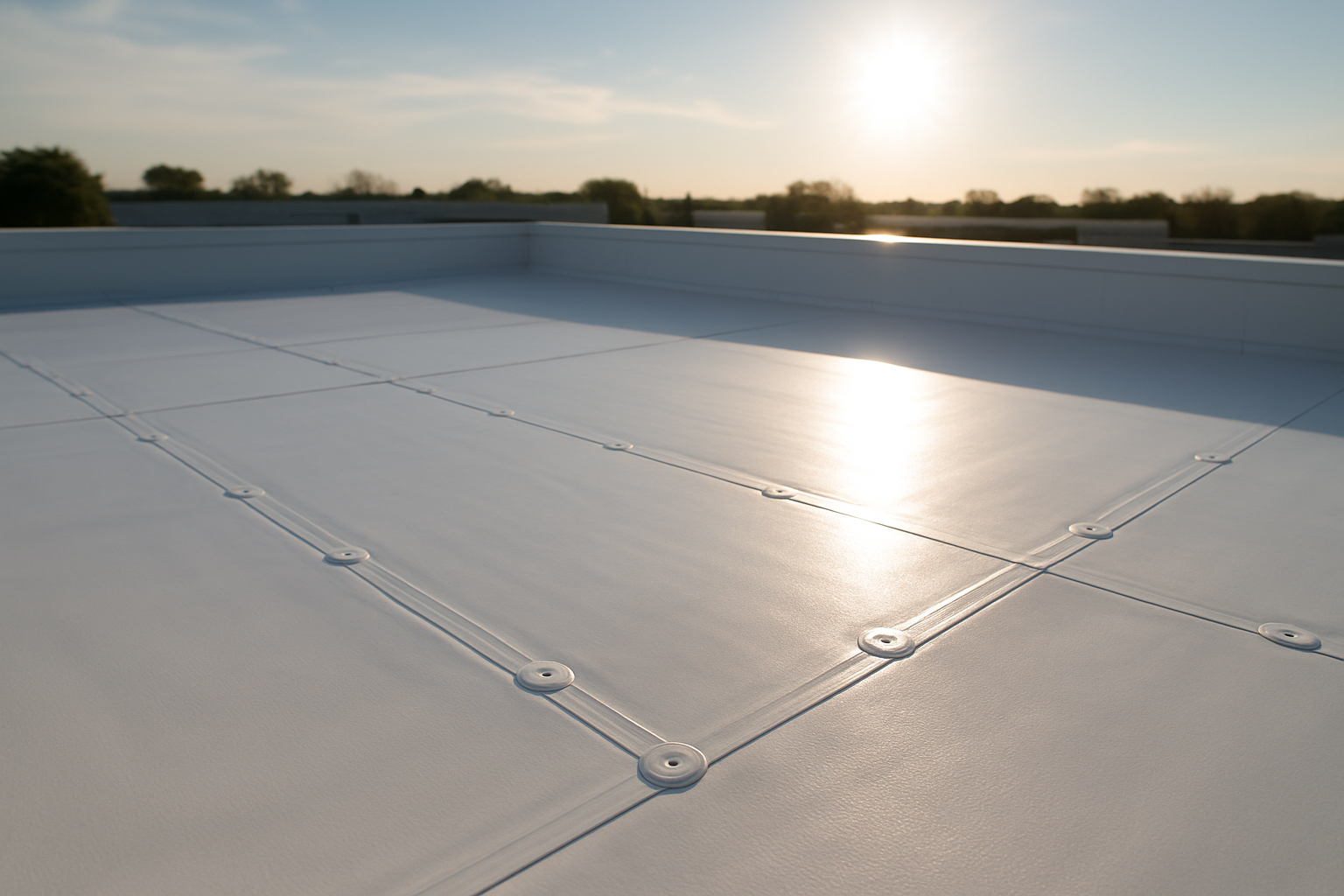
Thermoplastic Olefin (TPO) roofing is a popular choice for commercial buildings due to its durability and energy efficiency. The costs associated with TPO roofing systems typically range from $5.00 to $7.50 per square foot, depending on factors such as roof size, accessibility, and local labor rates. TPO is known for its ability to reflect UV rays, which can significantly reduce cooling costs, making it an attractive option for buildings in sunny regions like Southern California.
Installation of TPO roofing requires skilled professionals to ensure proper seam welding and flashing, which can affect the overall cost. Additionally, TPO roofs offer excellent resistance to chemicals and pollutants, which is beneficial for buildings in industrial areas. To learn more about the energy efficiency of TPO roofing, visit our dedicated guide.
EPDM Roofing Systems
Ethylene Propylene Diene Monomer (EPDM) is another widely used roofing material, valued for its longevity and resistance to weather conditions. The cost of EPDM roofing ranges from $4.00 to $8.00 per square foot. This variation is due to factors like membrane thickness, installation complexity, and geographical location. EPDM is particularly suitable for flat or low-slope roofs, offering superior waterproofing capabilities, which is crucial to avoid potential leaks and subsequent repairs.
While EPDM is generally more affordable upfront, it may require additional maintenance to repair seams or punctures over time. Understanding common issues with EPDM systems can help in planning long-term maintenance strategies.
Metal Roofing Systems
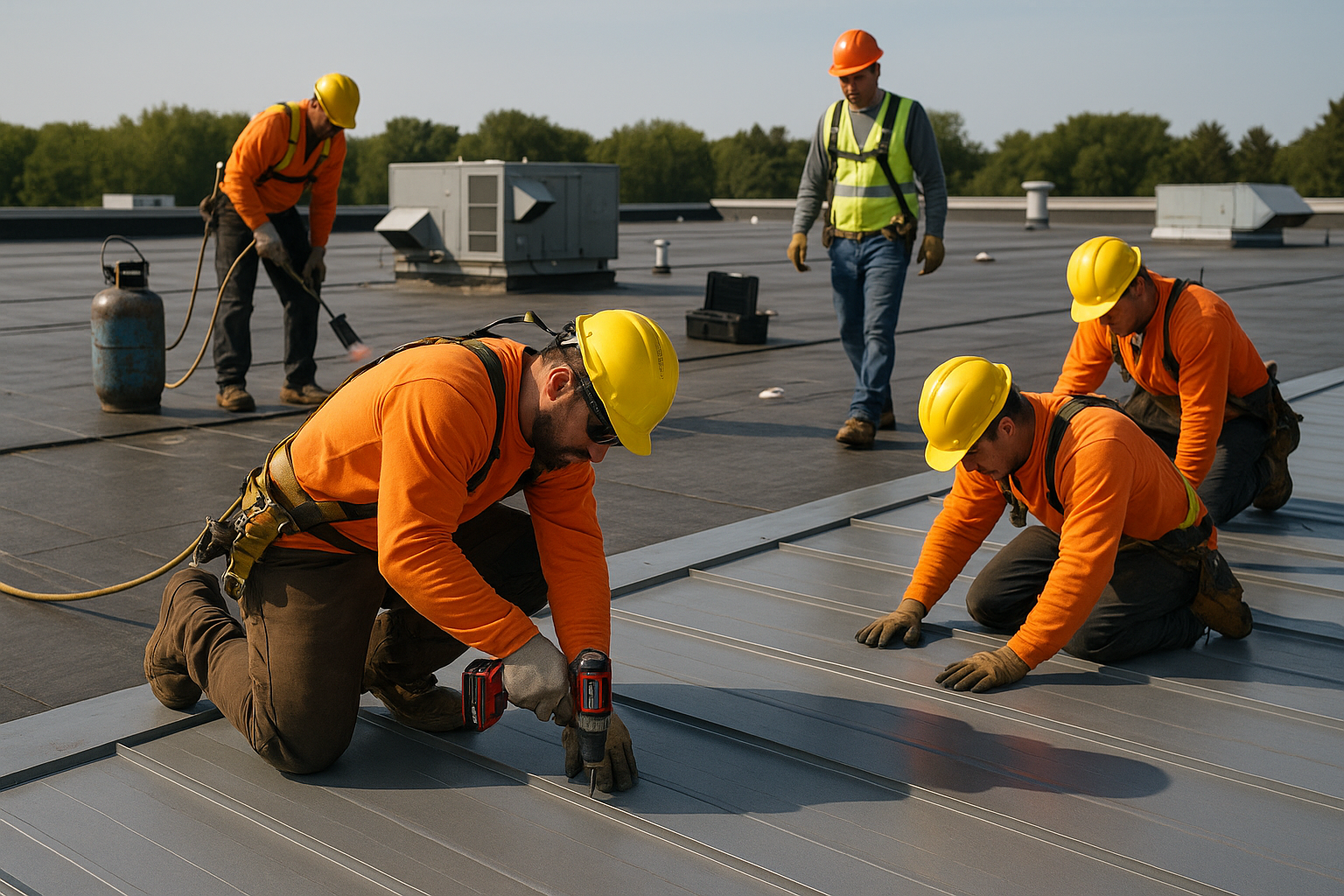
Metal roofing systems, often made from steel or aluminum, are known for their durability and aesthetic appeal. The costs associated with metal roofing systems range from $7.00 to $12.00 per square foot. This makes them a more premium option compared to TPO and EPDM. However, the longevity and minimal maintenance requirements can offset the higher initial investment.
Metal roofs are highly resistant to extreme weather conditions and can last 40-70 years with proper care. They also offer excellent fire resistance and reflectivity, which can contribute to energy savings. To explore the benefits of metal roofing for your commercial property, check out our comprehensive analysis.
Factors Influencing Commercial Roofing Costs
Material and Labor Costs
The primary factors influencing what are the costs associated with different types of commercial roofing systems are the materials and labor. Material costs can vary significantly based on the type of roofing system you choose. For instance, high-quality metal or specialty membranes will naturally cost more than basic asphalt options.
Labor costs are another critical component. Skilled labor is essential for a proper installation, particularly for complex systems like TPO and metal roofs, where precision is paramount. To understand how labor costs affect roofing prices, consider consulting our detailed guide.
| Roofing System | Material Cost (per sq. ft.) | Labor Cost (per sq. ft.) |
|---|---|---|
| TPO | $3.50 – $5.00 | $1.50 – $2.50 |
| EPDM | $3.00 – $5.50 | $1.00 – $2.50 |
| Metal | $5.50 – $9.00 | $1.50 – $3.00 |
Roof Design and Complexity
The design and complexity of your roof can also impact costs. Flat roofs are generally less expensive to install compared to sloped or intricate designs, as they require fewer materials and less labor. However, they may need more frequent maintenance to prevent leaks. To explore various flat roofing options, visit our guide on commercial properties.
Complex roof designs with numerous penetrations, such as vents and skylights, require additional detailing and materials, which can increase both material and labor expenses significantly.
Local Climate Conditions
The climate in Southern California, characterized by its sunny, dry conditions, can influence your choice of roofing materials and their associated costs. For example, reflective roof materials like TPO are ideal for reducing cooling costs in warm climates. However, if your building is located in an area prone to occasional heavy rains or wildfires, you might prioritize durability over reflectivity, impacting your roofing system choice and cost.
It’s important to consider these environmental factors when estimating what are the costs associated with different types of commercial roofing systems for your specific location. For more on how to reduce energy costs with efficient roofing, check out our detailed tips.
Hidden and Additional Costs in Commercial Roofing
Maintenance and Repair Costs
Beyond the initial installation, ongoing maintenance and repair costs are crucial to consider. Regular inspections and minor repairs can extend the life of your roofing system, but they also represent an ongoing expense. For instance, EPDM roofs might require periodic seam repairs, while metal roofs often need less frequent maintenance.
Understanding effective maintenance practices can help you budget for these costs and potentially avoid more expensive repairs down the line.
- Schedule regular inspections to catch minor issues before they become major problems.
- Invest in quality materials and skilled labor to minimize future repair needs.
- Consult with roofing experts to understand specific maintenance requirements for your roofing system.
Potential for Hidden Costs
Hidden costs can surprise building owners if not carefully planned for. These may include unexpected structural repairs if the existing roof substrate is damaged, or additional costs for permits and inspections. It’s essential to have a contingency budget to cover these unforeseen expenses.
For more insights into hidden costs in roofing projects, consider our detailed exploration on this topic.
Warranties and Insurance
The warranties offered on commercial roofing systems can influence your overall costs. While longer warranties might increase initial expenses, they can save money in the long run by covering future repairs or replacements. It’s advisable to thoroughly understand what warranties are typically offered and how they can affect your overall roofing investment.
Additionally, ensuring your roofing system complies with local building codes and insurance requirements is vital to avoid potential legal and financial issues.
Frequently Asked Questions
How do I choose the right commercial roofing system for my building?
The best roofing system for your building depends on several factors, including your budget, the building’s design, and your specific needs for durability and energy efficiency. Consulting roofing experts can provide tailored advice based on your situation.
What are the most cost-effective roofing materials?
TPO and EPDM are generally considered cost-effective options due to their balance of affordability, durability, and energy efficiency. However, the choice depends on your maintenance capability and long-term goals.
Can I install a new roofing system over my existing one?
In some cases, it is possible to install a new roofing system over the existing one, which can save on removal costs. However, this depends on the current roof’s condition and local building codes. It’s best to seek professional advice before proceeding.
What should I consider when budgeting for a commercial roofing project?
Consider the initial cost of materials and labor, potential hidden costs, ongoing maintenance expenses, and the long-term benefits of energy savings. A comprehensive budget should cover all these aspects to avoid financial surprises.
Conclusion
Understanding what are the costs associated with different types of commercial roofing systems is essential for effective budgeting and planning. By evaluating factors such as material and labor costs, potential hidden expenses, and the impact of your local climate, you can make informed decisions that align with your business’s financial and operational goals. Whether considering TPO, EPDM, or metal roofing, being informed about each option’s unique benefits and costs will ensure a successful roofing investment for your commercial property. For more information, visit our Roof Leak Repair Services.