Comparing Roofing Materials: A Guide to Durability and Lifespan for Informed Homeowners
When selecting the right roofing material for your home, understanding how different options measure up in terms of **durability** and **lifespan** is crucial. This guide will help you navigate the choices by comparing various roofing materials, considering their performance in diverse climates like Southern California, and offering practical insights for homeowners. By the end of this article, you’ll know **how different roofing materials compare in terms of durability and lifespan**, and how these factors can affect your decision.
Key Takeaways
- Understanding the **durability** and **lifespan** of roofing materials is essential for long-term home maintenance.
- Different materials offer unique benefits and challenges in the Southern California climate.
- Consider factors like cost, maintenance, and environmental impact when choosing roofing materials.
- Internal links provide detailed insights into related topics such as roof leak repair and roofing material costs.
- Regular maintenance can significantly extend the lifespan of your roof, regardless of material.
Understanding Roofing Material Durability
Asphalt Shingles: Affordable and Versatile
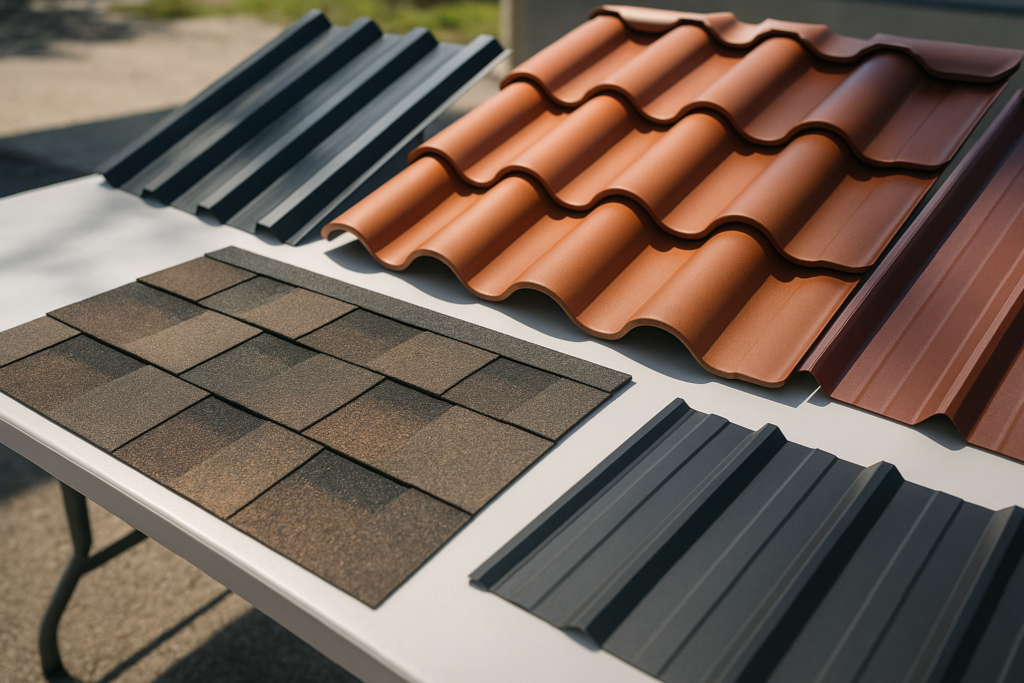
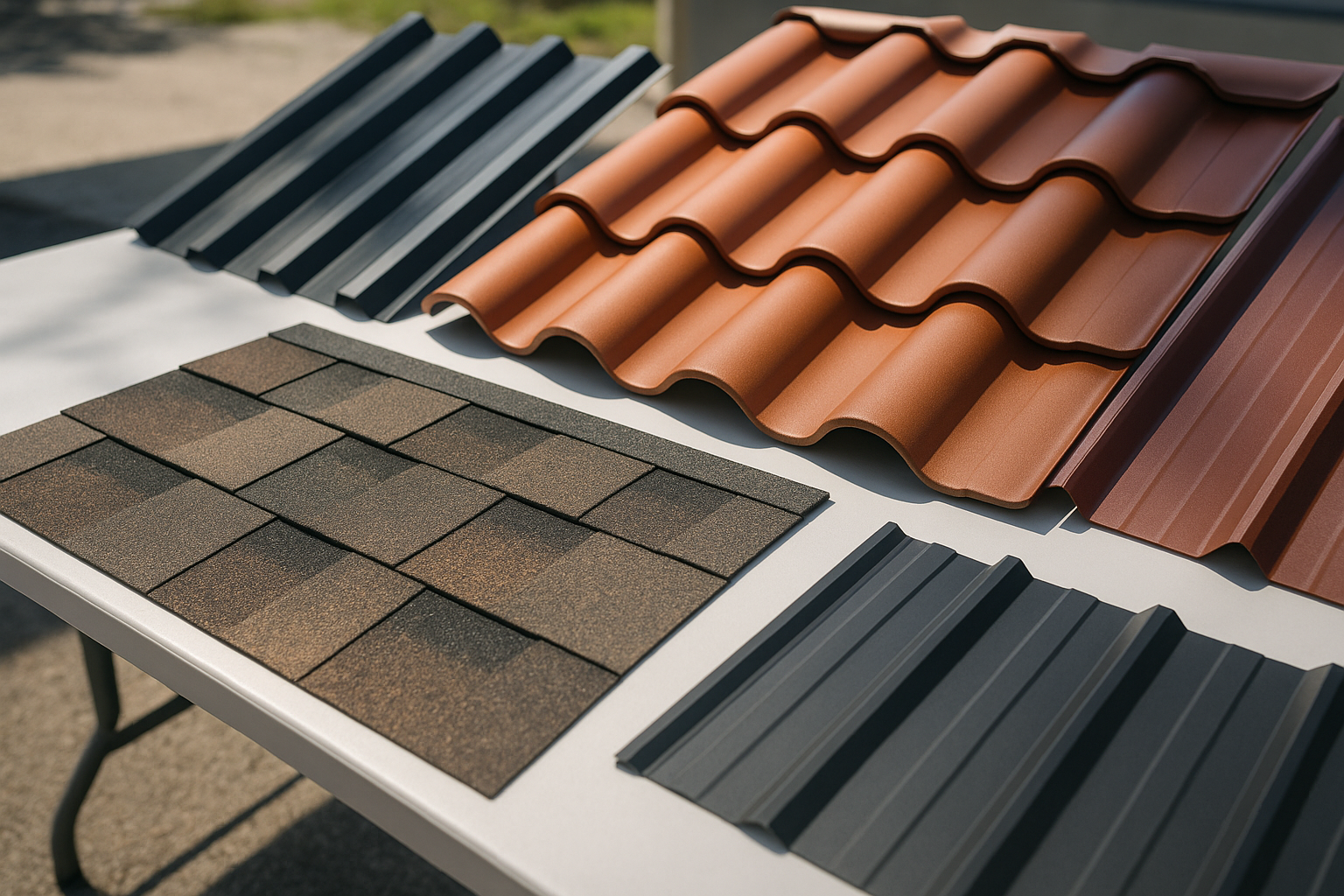
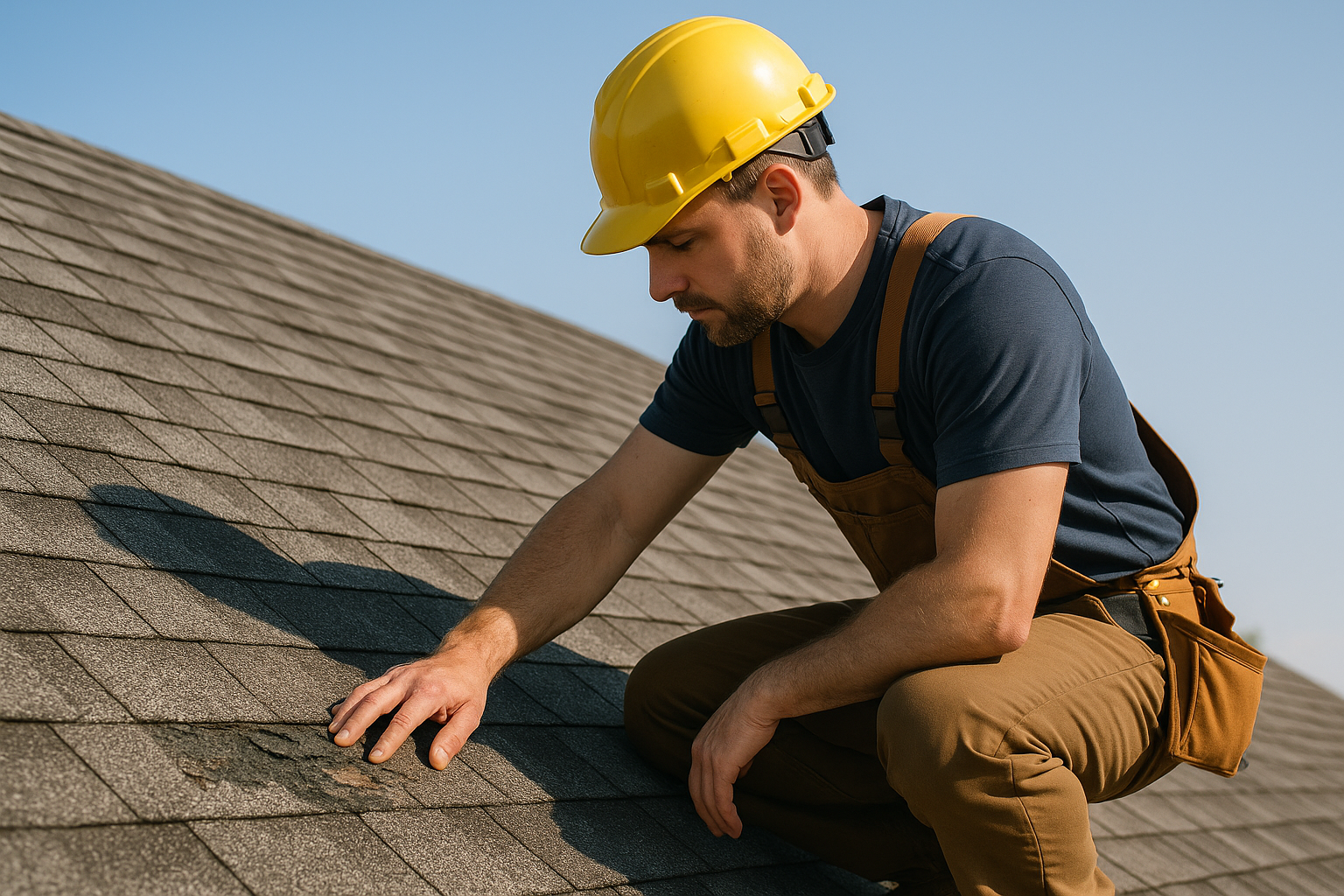
Asphalt shingles are among the most popular roofing materials due to their cost-effectiveness and adaptability. They are particularly suited to a variety of architectural styles, providing a classic look that appeals to many homeowners. In terms of **durability**, asphalt shingles generally last between 20 to 30 years. However, their lifespan can be affected by weather conditions, especially in areas prone to intense sunlight or heavy rain, like Southern California.
When considering **how different roofing materials compare in terms of durability and lifespan**, asphalt shingles tend to offer a moderate balance between upfront costs and longevity. Homeowners can expect to pay between $3.50 and $5.50 per square foot for installation, making them an accessible choice for many budgets. Regular maintenance, such as clearing debris and checking for damage, can help extend their lifespan.
Metal Roofing: Long-Lasting and Energy Efficient
Metal roofing materials, including aluminum, steel, and copper, are renowned for their **durability** and energy efficiency. These materials can last anywhere from 40 to 70 years, making them a long-lasting option compared to other materials. Metal roofs are particularly resilient to harsh weather conditions, including high winds and heavy rains, which are common in Southern California.
Despite a higher initial cost—ranging from $5.00 to $12.00 per square foot—metal roofs offer long-term savings through reduced maintenance and energy bills. Their reflective properties help in keeping homes cooler, reducing the reliance on air conditioning. For homeowners interested in sustainable options, metal roofing is often made from recycled materials and is fully recyclable at the end of its life.
Clay and Concrete Tiles: Traditional and Resilient
Clay and concrete tiles are traditional roofing materials that are highly **durable** and offer a distinctive, aesthetic appeal. These tiles can last between 50 and 100 years, making them one of the longest-lasting roofing materials available. They are particularly popular in Mediterranean-style homes commonly found in Southern California.
The installation cost of clay and concrete tiles is on the higher end, typically ranging from $10.00 to $18.00 per square foot. However, their longevity and ability to withstand severe weather conditions make them a valuable investment for those looking into how different roofing materials compare in terms of durability and lifespan. It’s important to note that these tiles are heavier and may require additional structural support.
For more on the durability of commercial roofing options, explore our detailed guide.
Lifespan Considerations for Roofing Materials
Wood Shakes and Shingles: Natural and Aesthetic
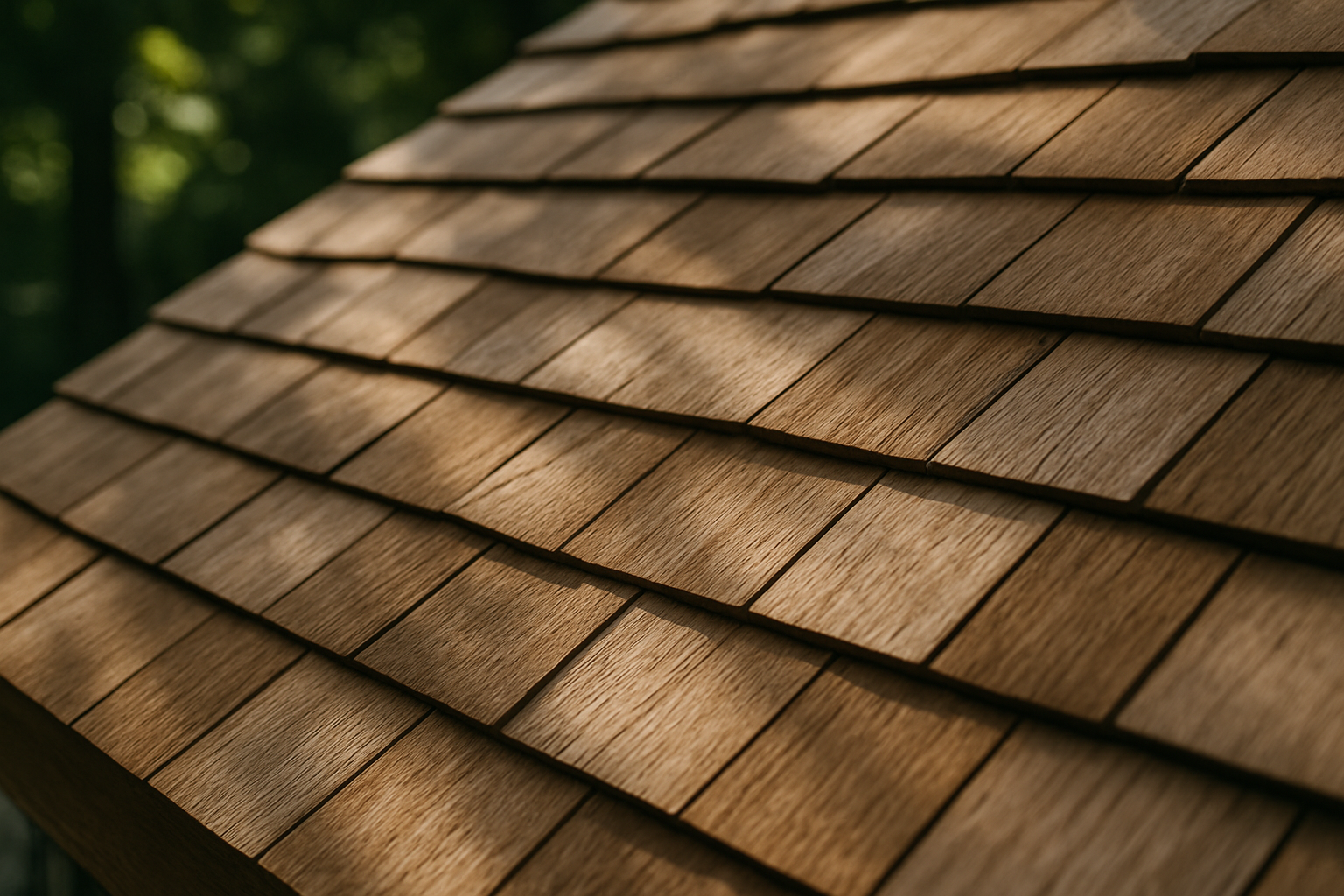
Wood shakes and shingles offer a natural and charming aesthetic that many homeowners desire. They typically last between 20 and 40 years, depending on the quality of wood and maintenance practices. Cedar is a popular choice due to its natural resistance to decay and insects. However, in the dry, sunny climate of Southern California, wood roofing materials require regular treatment to prevent drying and cracking.
The cost of wood roofing materials can range from $6.00 to $9.00 per square foot. It’s essential to regularly inspect for signs of wear and damage, such as splitting or warping, to ensure the roof’s longevity. Learn about roof leak repair services to maintain wood roofing effectively.
Slate Roofing: Elegant and Enduring
Slate is a premium roofing material known for its elegance and exceptional **durability**. A well-installed slate roof can last over 100 years, making it one of the longest-lasting options available. Its natural stone composition offers superior resistance to fire, water, and extreme weather conditions.
The cost of slate roofing is significant, typically falling between $15.00 and $30.00 per square foot, but its longevity can justify the investment for homeowners seeking a long-term solution. Additionally, slate’s natural beauty can enhance the curb appeal and value of your home. When considering **how different roofing materials compare in terms of durability and lifespan**, slate stands out as a top performer.
Synthetic Roofing Materials: Modern Alternatives
Synthetic roofing materials, such as rubber, plastic, and polymer composites, are designed to mimic the appearance of traditional materials like slate or wood while offering enhanced **durability** and easier maintenance. These materials generally last 30 to 50 years and are often resistant to cracking, warping, and other common issues.
With costs ranging from $7.00 to $12.00 per square foot, synthetic options provide a balance between cost and performance. They are also lighter than natural materials, reducing the need for additional structural support. For those interested in modern roofing innovations, synthetic materials offer a versatile and practical choice.
Explore the differences between flat and sloped roofing materials to see how synthetics fit into various roof designs.
Comparative Analysis of Roofing Materials
Cost vs. Lifespan: Finding the Balance
When comparing **how different roofing materials compare in terms of durability and lifespan**, it’s important to balance initial costs with long-term benefits. Here is a comparative table that highlights the cost and expected lifespan of common roofing materials:
| Material | Cost per Square Foot | Lifespan (Years) |
|---|---|---|
| Asphalt Shingles | $3.50 – $5.50 | 20 – 30 |
| Metal | $5.00 – $12.00 | 40 – 70 |
| Clay/Concrete Tiles | $10.00 – $18.00 | 50 – 100 |
| Wood Shakes | $6.00 – $9.00 | 20 – 40 |
| Synthetic | $7.00 – $12.00 | 30 – 50 |
Environmental Impact and Sustainability
In addition to **durability** and **lifespan**, consider the environmental impact of roofing materials. Metal, slate, and synthetic options often feature recycled content and are fully recyclable at the end of their life. For environmentally-conscious homeowners, these factors contribute to a more sustainable choice.
Wood roofing, while natural, requires regular harvesting of trees, which may not align with sustainable practices unless sourced from responsibly managed forests. Understanding the environmental regulations for roofing materials can provide further guidance for eco-friendly choices.
Practical Tips for Extending Roof Lifespan
Regardless of the material you choose, regular maintenance is key to maximizing the lifespan of your roof. Here are some practical tips:
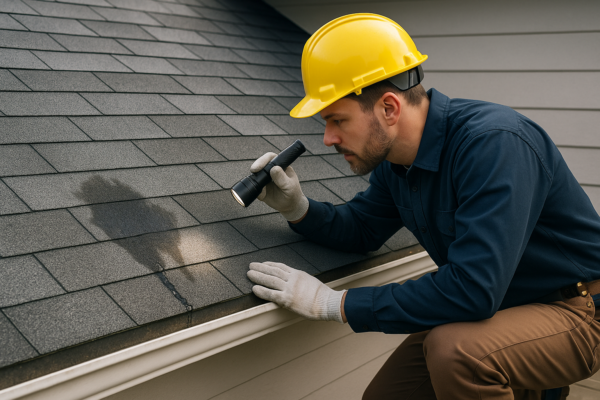
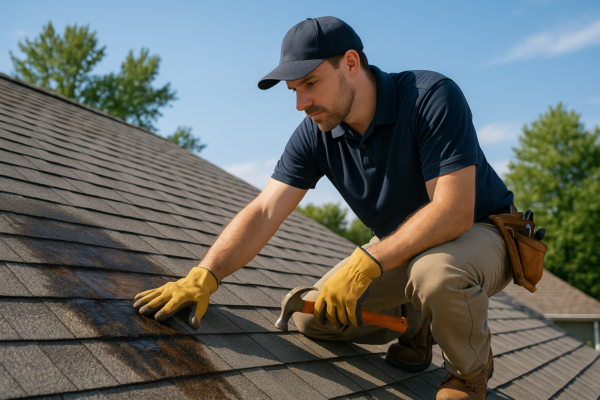
- Inspect your roof at least twice a year for signs of damage or wear.
- Clean gutters and downspouts regularly to prevent water buildup.
- Trim overhanging trees to reduce debris and potential damage.
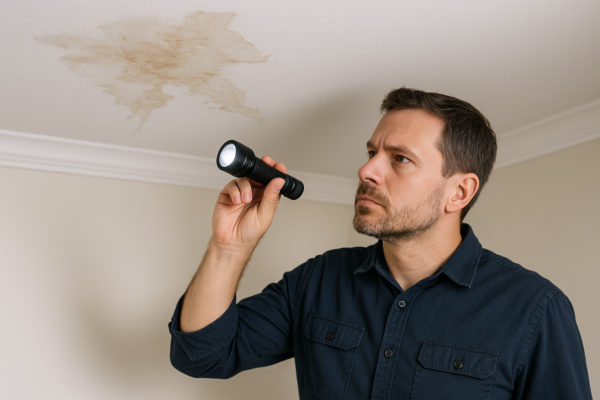
- Address roof leaks immediately to prevent further damage.
- Consider professional inspections for comprehensive assessments.
For more detailed insights on the cost comparison of commercial roofing materials, visit our comprehensive guide.
Frequently Asked Questions
What is the most durable roofing material?
Slate is considered the most **durable** roofing material, with a lifespan exceeding 100 years. Its natural stone composition provides excellent resistance to harsh weather and fire, making it an ideal choice for long-term investment.
Are metal roofs worth the cost?
Yes, metal roofs offer a perfect combination of **durability**, energy efficiency, and low maintenance. While the initial cost is higher than other materials, the long-term savings on energy bills and repairs make them a cost-effective choice.
How does climate affect roofing material choice?
In climates like Southern California, where intense sunlight and occasional heavy rains are common, materials such as metal and clay tiles perform well due to their heat resistance and water durability.
Can roofing materials impact home value?
Yes, high-quality, long-lasting roofing materials can enhance your home’s curb appeal and resale value. Materials like slate and tile not only provide aesthetic benefits but also assure potential buyers of reduced future maintenance costs.
Conclusion
Choosing the right roofing material involves weighing various factors, including **durability**, **lifespan**, cost, and environmental impact. By understanding **how different roofing materials compare in terms of durability and lifespan**, you can make an informed decision that suits your home’s needs and your budget. Whether you’re interested in the classic appeal of wood shingles or the modern efficiency of metal roofing, regular maintenance and thoughtful selection will ensure your roof stands the test of time. For more insights, explore our guide on types of roofing materials for businesses.